 Popular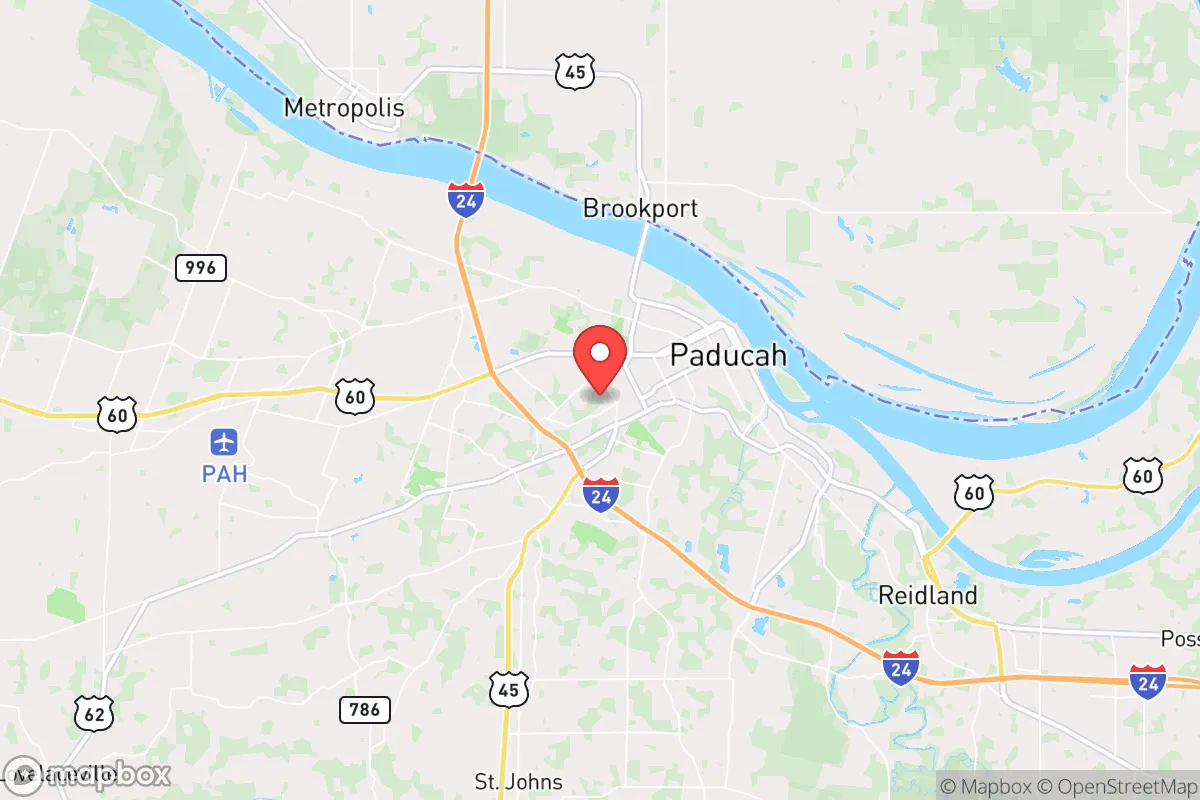

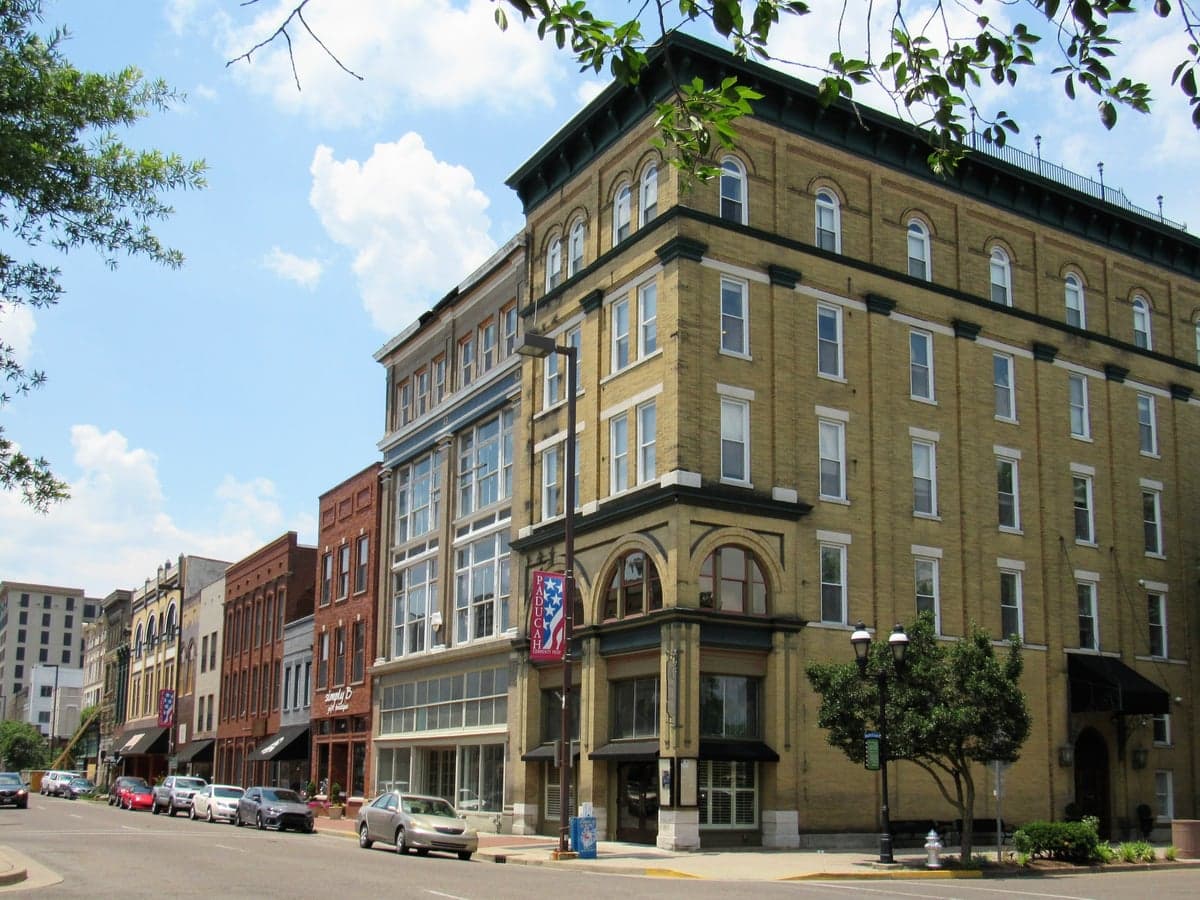
Photo: Wikipedia
Political ClimatePolitical Climate in Paducah, KY
District shown is the primary district for this city’s centroid. Cities may span multiple districts.
Local Political AnalysisPolitical Analysis of Paducah, KY
Paducah, Kentucky, has long been a solidly conservative stronghold, and the numbers back that up with a Cook PVI of R+23. This isn't a place that swings with the national winds; it's a community where traditional values and a distrust of big government are deeply ingrained. Over the past decade, I've watched the local political scene hold steady, even as some neighboring areas have started to drift. The real story here isn't about Paducah changing its stripes—it's about how it's holding the line against the kind of progressive overreach that's creeping into places like Louisville or Lexington.
How it compares
When you look at the political map around here, Paducah stands out as a beacon of common sense. Drive an hour east to Hopkinsville, and you'll find a more mixed bag, with a growing military presence at Fort Campbell bringing in folks from all over, which has nudged that area a bit more purple. Head north into Illinois, and places like Metropolis or Carbondale are a whole different world—Carbondale is practically a college town with a liberal bent that would make most Paducah residents shake their heads. Even within McCracken County, the city itself is a bit more moderate than the rural outlying areas, but that's just because you get a few more folks in the service industry and healthcare who lean a little left. Still, Paducah's R+23 rating isn't just a number; it's a reflection of a community that consistently votes for limited government, lower taxes, and a hands-off approach to personal liberties. We don't see the kind of radical policy experiments you hear about in Portland or Seattle, and that's exactly how most of us like it.
What this means for residents
For the folks living here, the conservative tilt means a few concrete things. First, you're not going to see the kind of government overreach that's become common in blue states—no heavy-handed mandates on how you run your small business, no overbearing zoning rules that kill property rights, and no push to defund the police. The local sheriff's department and city cops are well-supported, and the crime rate reflects that stability. Second, the tax burden is relatively light compared to states like Illinois or California, which is a big reason why retirees and families are moving here from those places. But there's a quiet concern among long-time residents: we're starting to see a slow trickle of newcomers from progressive areas who bring their voting habits with them. It's not a flood yet, but if you look at the last couple of city council races, there's been a slight uptick in candidates pushing for more "inclusive" policies that sound a lot like the kind of social engineering that's wrecked other towns. Most of us are keeping a close eye on that.
One thing that sets Paducah apart is its cultural identity. We're a river town with a deep history, and that comes with a certain independence. You won't find the kind of aggressive, top-down social programs here that you see in larger cities—no universal basic income experiments, no sanctuary city nonsense, no defunding the police. The local government is still focused on the basics: good roads, reliable utilities, and a business-friendly environment. The Quilt Museum and the riverfront development are nice, but they're not distractions from the core values of personal responsibility and limited government. If you're looking for a place where you can live your life without the government breathing down your neck, Paducah is still that place. Just keep an eye on the school board meetings—that's where the real battles are starting to heat up over curriculum and parental rights. So far, common sense is winning, but it takes vigilance.

State Political ClimatePolitical Climate in Kentucky
State Political AnalysisPolitical Environment in the State
Kentucky has been a reliably red state for decades, but its political climate is more nuanced than a simple partisan label suggests. The state leans Republican by about 15-20 points in most statewide races, with the GOP holding supermajorities in both legislative chambers and all but one of its congressional seats. However, the trajectory over the last 10-20 years has been a steady march rightward, driven by the collapse of the old Blue Dog Democrat coalition in rural areas and the cultural realignment of working-class voters. While the state is solidly conservative, there are distinct pockets of progressive influence in its urban centers that create a palpable tension, especially for those moving here from more uniformly conservative states.
Urban vs. rural divide
The political map of Kentucky is a textbook study in the urban-rural split. The state’s two major metros, Louisville (Jefferson County) and Lexington (Fayette County), are the only reliably blue areas, consistently voting Democratic by 15-20 points in presidential elections. These cities drive the state’s progressive energy, with Louisville’s mayor and city council often pushing policies on police reform, affordable housing mandates, and LGBTQ+ nondiscrimination ordinances that would never pass at the state level. In contrast, the rest of the state is deeply red. The rural counties of eastern Kentucky—places like Pikeville, Hazard, and Prestonsburg—have flipped from ancestrally Democratic to overwhelmingly Republican, often voting +50 points for Trump. The suburban ring around Louisville, particularly Oldham County and Shelbyville, is a conservative stronghold where families flee the city for lower taxes and more traditional values. The Bowling Green area in south-central Kentucky is another fast-growing conservative hub, driven by manufacturing and a strong military presence at Fort Knox. The divide isn’t just about party—it’s about worldview. In rural Kentucky, you’ll find a culture of self-reliance and suspicion of government overreach; in Louisville and Lexington, you’ll find a more collectivist, regulatory mindset that many newcomers find jarring.
Policy environment
Kentucky’s state-level policy environment is broadly conservative, but with some notable wrinkles. The state has a flat income tax rate of 4.5% (down from 6% in 2018) with a legislative goal to phase it out entirely, and property taxes are among the lowest in the nation. This is a clear win for personal freedom and economic liberty. On education, the state passed a school choice bill in 2022 allowing education savings accounts, though it was struck down by the state Supreme Court on procedural grounds—a reminder that the judiciary can be a wild card. Healthcare policy is a mixed bag: Kentucky expanded Medicaid under the Affordable Care Act, which has created a large government-dependent population, but the state has also passed some of the strongest pro-life laws in the country, including a near-total ban on abortion with no exceptions for rape or incest. Election integrity is a bright spot: Kentucky requires voter ID, has no widespread mail-in voting, and conducts regular purges of voter rolls. The state’s regulatory posture is generally light-touch, especially for agriculture and manufacturing, but local zoning in Louisville and Lexington can be burdensome for homeowners and small businesses. The biggest red flag for conservatives is the persistent influence of the old coal-and-tobacco establishment in Frankfort, which sometimes resists the kind of deregulatory reforms seen in states like Texas or Florida.
Trajectory & freedom
On balance, Kentucky is becoming more free in several key areas, but the pace is slower than many conservatives would like. The most significant recent expansion of liberty came with the passage of constitutional carry (permitless concealed carry) in 2019, which was a major win for Second Amendment rights. The state also passed a parental rights in education bill in 2022, requiring schools to notify parents of any medical or mental health services offered to their children and prohibiting instruction on sexual orientation and gender identity in elementary grades. This was a direct response to the overreach seen in blue states. On the downside, the state’s COVID-19 response was a mixed bag: Governor Andy Beshear, a Democrat, imposed mask mandates and business closures that many felt were excessive, though the Republican legislature quickly stripped him of emergency powers in 2021. Property rights are generally strong, with no statewide rent control and limited eminent domain abuse, though local governments in Louisville have experimented with inclusionary zoning. The biggest threat to freedom in Kentucky is the state’s occupational licensing regime, which remains burdensome for tradespeople and entrepreneurs, though there have been modest reforms in recent years. The trajectory is positive, but it’s a slow, grinding process rather than a rapid transformation.
Civil unrest & political movements
Kentucky has seen its share of political flashpoints, but they are concentrated in the urban centers. The most notable was the Breonna Taylor protests in Louisville in 2020, which escalated into weeks of civil unrest, property damage, and a heavy police presence. This event created a lasting divide: Louisville’s progressive activists continue to push for police defunding and criminal justice reform, while the rest of the state responded by passing a back the blue bill in 2021 that increased penalties for rioting and assaulting officers. The state has also seen a growing rural-urban migration of conservatives from blue states, particularly to areas like Richmond and Georgetown, which has fueled a more assertive grassroots conservative movement. There is no serious secessionist or nullification rhetoric in Kentucky, but there is a strong Second Amendment sanctuary movement, with dozens of counties passing resolutions vowing not to enforce any future federal gun bans. Immigration politics are relatively quiet, as Kentucky has a small foreign-born population, but there is a growing concern about the influx of migrants into Louisville and Lexington, which has led to some local tensions over housing and schools. The state’s election integrity is generally trusted, though there were minor controversies in 2020 over absentee ballot procedures in Jefferson County. Overall, the political temperature is lower than in many states, but the urban-rural divide means that newcomers from blue states may find Louisville’s culture shockingly progressive while the rest of the state feels like a safe haven.
Projection
Over the next 5-10 years, Kentucky is likely to continue its slow but steady rightward shift, driven by in-migration of conservatives from the Midwest and Northeast. The state’s population is growing fastest in the suburban and exurban rings around Louisville and Lexington, as well as in the Elizabethtown and Bowling Green corridors, which are reliably red. The urban cores will become more progressive, but they will also lose political influence as the state legislature continues to preempt local ordinances on issues like minimum wage, housing, and police reform. The biggest wild card is the state Supreme Court, which has struck down some conservative legislation on procedural grounds; if the court becomes more reliably conservative through future appointments, the pace of reform could accelerate. The flat tax phase-out is likely to continue, making Kentucky more competitive with low-tax states like Tennessee and Florida. The biggest risk for conservatives is that the state’s Medicaid expansion creates a long-term dependency that could shift political incentives, but for now, the trajectory is clearly toward more freedom, lower taxes, and stronger protections for parental rights and gun rights. Someone moving in now should expect to find a state that is becoming more like its neighbors to the south and west, rather than drifting toward the progressive policies of the coasts.
For a new resident, the bottom line is that Kentucky offers a solidly conservative policy environment with low taxes, strong gun rights, and a culture of self-reliance, but you’ll need to be strategic about where you settle. Avoid Louisville and Lexington if you want to escape progressive governance; instead, look at the fast-growing suburbs like Oldham County, Shelbyville, or Georgetown, where the schools are good, the taxes are low, and the politics align with traditional values. The state is on a positive trajectory, but it’s not a finished product—you’ll need to stay engaged in local politics to ensure the slow march toward freedom continues. If you’re willing to put down roots and be part of that process, Kentucky is a great place to build a life without the government overreach you’d find in many other states.
* Values derived from national, state, county, city and local statistics and may differ in a specific area. Last updated: 2026-04-21T11:01:31.000Z
Narrative content on this page is AI-generated and may contain mistakes. Verify any details that matter before acting on them.
ReloMaps may earn a commission from affiliate links at no extra cost to you.

