 Popular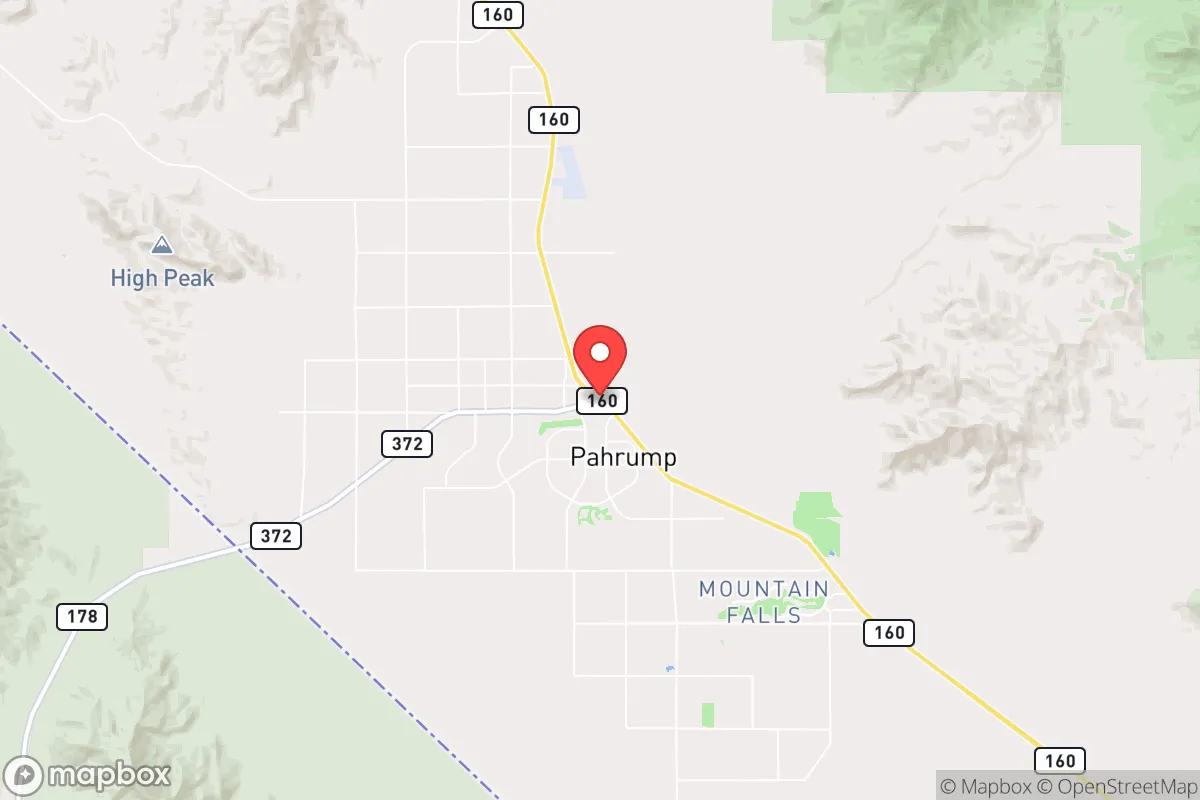
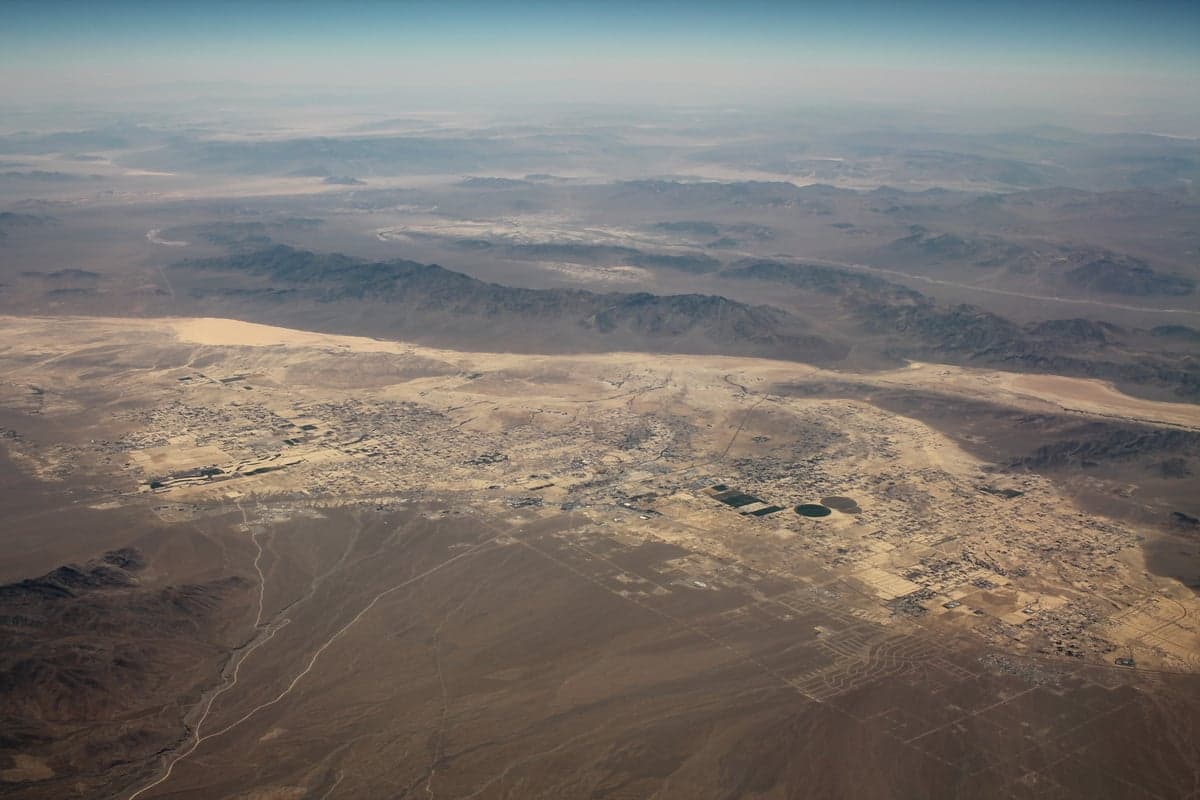
Photo: Wikipedia
Political ClimatePolitical Climate in Pahrump, NV
District shown is the primary district for this city’s centroid. Cities may span multiple districts.
Local Political AnalysisPolitical Analysis of Pahrump, NV
Pahrump has long been a conservative stronghold in a state that's trending blue, but that's starting to change in ways that should worry anyone who values personal freedom. The area's Cook PVI of D+2 might not sound alarming, but it reflects a real shift: Nye County as a whole voted for Trump in 2020 by a solid 12-point margin, yet the registration numbers in Pahrump itself are getting closer every cycle. I've lived here long enough to remember when you could count the Democratic signs on one hand during election season; now you see them on every other block, and the local school board and county commission races are getting harder to win for folks who believe in limited government.
How it compares
Drive 60 miles east to Las Vegas and you're in a different world entirely—Clark County is deep blue, with a Cook PVI of D+3 and a political machine that pushes progressive policies on everything from zoning to mask mandates. Head north to Tonopah or west to Beatty, and you'll find communities that still vote like Pahrump used to: overwhelmingly Republican, suspicious of federal overreach, and proud of their Second Amendment rights. The real contrast is with Reno, which has gone purple-to-blue in recent years thanks to an influx of Californians and tech workers. Pahrump's saving grace has been its rural character and the fact that most newcomers here are retirees or tradespeople who came for the low taxes and the freedom to live without a lot of government telling them what to do. But that's changing as developers push for more housing and the county starts looking at things like impact fees and growth caps that sound an awful lot like the regulations people fled from.
What this means for residents
For now, the day-to-day reality is still pretty good if you value personal liberty. Property taxes are low, there's no state income tax, and the county sheriff's office generally respects gun rights and doesn't go looking for trouble. But the warning signs are there: the local school district has started pushing DEI training for teachers, the county commission has debated noise ordinances that would affect off-road vehicles and shooting ranges, and there's a growing push to bring "climate action plans" to rural Nevada—which is code for more regulations on everything from water usage to building materials. If you're thinking of moving here, understand that the political climate is in flux. The old-timers who kept this place free are getting outnumbered by people who think government should solve every problem. The next five years will determine whether Pahrump stays a refuge from overreach or becomes just another suburb of Las Vegas with the same restrictions people moved here to escape.
Culturally, Pahrump still has that frontier independence that makes Nevada unique. You can buy a house on acreage, shoot on your own property, and run a business out of your garage without a dozen permits. The local gun shows are packed, the churches are full, and the annual Pahrump Fall Festival is still a celebration of small-town life rather than a political rally. But the creeping influence of Las Vegas money and progressive activism is real. The county's recent push to adopt "complete streets" policies—which sound nice but often lead to bike lanes and narrower roads that make it harder to haul trailers—is a perfect example of how well-meaning ideas can erode the practical freedoms that make rural living worthwhile. Keep an eye on the school board elections and the county commission races; those are the front lines of the fight to keep Pahrump from becoming just another place where the government tells you how to live.

State Political ClimatePolitical Climate in Nevada
State Political AnalysisPolitical Environment in the State
Nevada is a classic swing state with a libertarian streak, but over the past 20 years it has drifted from a reliably red-leaning state to a purple one that now tilts blue at the statewide level. The Democratic coalition is powered by the Las Vegas metro area (Clark County) and the Reno-Sparks corridor (Washoe County), while the vast rural expanse—places like Elko, Winnemucca, and Pahrump—votes overwhelmingly Republican. The 2024 presidential race saw Nevada go blue by about 2.5 points, but down-ballot races remain competitive, and the state’s independent-minded electorate means no party can take it for granted.
Urban vs. rural divide
The political map of Nevada is a tale of three regions. Clark County (Las Vegas, Henderson, North Las Vegas) is the Democratic engine room, casting roughly 70% of the state’s vote and delivering margins of +12 to +15 points for Democrats. The casino and hospitality workforce, unionized service employees, and a growing Latino population drive this lean. Washoe County (Reno, Sparks) is the true battleground—it flipped from red to blue in 2016 and has stayed competitive, with Reno’s tech and Tesla influx bringing younger, more progressive voters while the surrounding ranch country stays conservative. The rural “Cow Counties”—Elko, White Pine, Lander, Nye—vote 75-80% Republican, but their combined population is less than 10% of the state total. A notable outlier is Pahrump (Nye County), a conservative-leaning retirement and exurb community that has grown rapidly and now hosts a vocal libertarian and Second Amendment activist base. The urban-rural divide is stark: drive 30 minutes outside Reno or Vegas and you’re in deep red territory, but those metros decide every statewide election.
Policy environment
Nevada’s policy landscape is a mixed bag for conservatives. The good: no state income tax, low property taxes (capped by the 2005 “Nevada Taxpayer Bill of Rights” statute), and a right-to-work law that weakens union power outside of the casino industry. The bad: the state has expanded Medicaid aggressively, enacted a near-total abortion access law (SB 201 in 2023), and passed a red flag law (SB 143 in 2021) that allows temporary firearm seizure without a criminal conviction. Election laws are relatively permissive—same-day registration, no-excuse mail voting, and automatic voter registration at the DMV—which conservatives argue invites fraud, though no major scandals have been proven. Education policy is a sore spot: Nevada ranks near the bottom nationally in K-12 outcomes, and the state’s school choice options are limited compared to Arizona or Florida. The 2023 legislature passed a universal school voucher-like program (SB 400) but it was heavily means-tested and capped. Regulatory posture is business-friendly for large employers (Tesla, Google, Switch) but small businesses complain about high workers’ comp costs and a complex sales tax system with local add-ons.
Trajectory & freedom
On the freedom scale, Nevada is a study in contradictions. Fiscal freedom is high—no income tax and low property taxes mean you keep more of what you earn. But personal liberty has taken hits. The 2021 red flag law (SB 143) was a major flashpoint for gun owners; it allows family members or police to petition a court to seize firearms from someone deemed a risk, with no criminal conviction required. The 2023 legislative session saw a push for a “constitutional carry” repeal (which failed), but the state did pass a 10-day waiting period for all firearm purchases (AB 354). Medical freedom took a blow with the 2023 passage of SB 197, which mandates that healthcare providers must follow “standard of care” protocols—effectively forcing doctors to push CDC vaccine schedules and treatments, with no carve-out for conscientious objection. Parental rights are under pressure: the 2023 legislature considered a bill (AB 285) that would have allowed schools to withhold information about a child’s gender identity from parents; it failed, but similar bills are expected to return. Property rights are relatively strong—Nevada has no statewide rent control, and the 2023 attempt to impose it (SB 426) died in committee. The overall trajectory is concerning: the state is slowly adopting California-style progressive policies on guns, healthcare, and education, while maintaining its tax advantages.
Civil unrest & political movements
Nevada has seen its share of political flashpoints. The 2020 election integrity controversy was intense: Clark County’s mail-in ballot processing was chaotic, with Republican observers alleging they were denied meaningful access. This led to a 2021 audit of Clark County’s election procedures (which found no widespread fraud but did identify procedural lapses). The “Rural Nevada secession” movement has simmered for years—in 2024, the Nye County Commission passed a symbolic resolution calling for a “State of Jefferson” style separation, arguing that Las Vegas and Reno dominate state policy. It’s mostly rhetorical, but it reflects deep alienation. Immigration politics are volatile: Nevada is a “sanctuary” state in practice (2019’s AB 392 limits local cooperation with ICE), and the 2023 legislature rejected a bill to ban sanctuary policies. This has fueled tension in rural border counties like Lincoln and Nye, where residents report seeing increased cartel activity on remote highways. Protest history is notable: the 2020 George Floyd protests in Las Vegas turned violent, with looting on the Strip and a state of emergency declared. More recently, 2023 saw large pro-Second Amendment rallies at the state capitol in Carson City after the red flag law was upheld. The “Reno-Sparks Libertarian” scene is active, with the Libertarian Party regularly pulling 3-5% in local races—enough to spoil Republican wins in close contests.
Projection
Over the next 5-10 years, Nevada is likely to become more blue, but not deeply blue. The key demographic driver is in-migration from California—roughly 40,000 net new residents per year, many from the Bay Area and Los Angeles, who bring progressive voting habits. Clark County’s growth (especially in Henderson and North Las Vegas) will continue to pad Democratic margins. However, the rural counties are also growing—Elko is booming from mining and data centers, and Pahrump is attracting conservative retirees from California. The wild card is Washoe County: if Reno’s tech and manufacturing growth continues (Tesla’s Gigafactory, Google’s data centers), it could become a permanent swing county or even lean blue. The state’s independent voter bloc (now about 35% of registered voters) is the real decider—these are libertarian-leaning voters who dislike both parties’ overreach. If Republicans can nominate candidates who emphasize tax freedom and gun rights while downplaying social issues, they can win. But the trend line favors Democrats in statewide races. For a conservative moving in now, expect a state where your tax burden stays low but your cultural and political influence slowly erodes—unless the rural exodus accelerates.
Bottom line for a new resident: Nevada offers genuine fiscal freedom (no income tax, low property taxes) and a strong gun culture in rural areas, but you’ll be living in a state where the major metros vote blue and the legislature is increasingly progressive on social issues. If you’re moving to Elko or Pahrump, you’ll find a conservative community that feels like the Old West. If you’re moving to Henderson or Sparks, you’ll be in purple territory where your vote matters but your neighbors may not share your values. The key is to pick your county wisely—and get involved in local politics, because that’s where the real fights over freedom are happening.
* Values derived from national, state, county, city and local statistics and may differ in a specific area. Last updated: 2026-04-29T01:42:58.000Z
Narrative content on this page is AI-generated and may contain mistakes. Verify any details that matter before acting on them.
ReloMaps may earn a commission from affiliate links at no extra cost to you.

