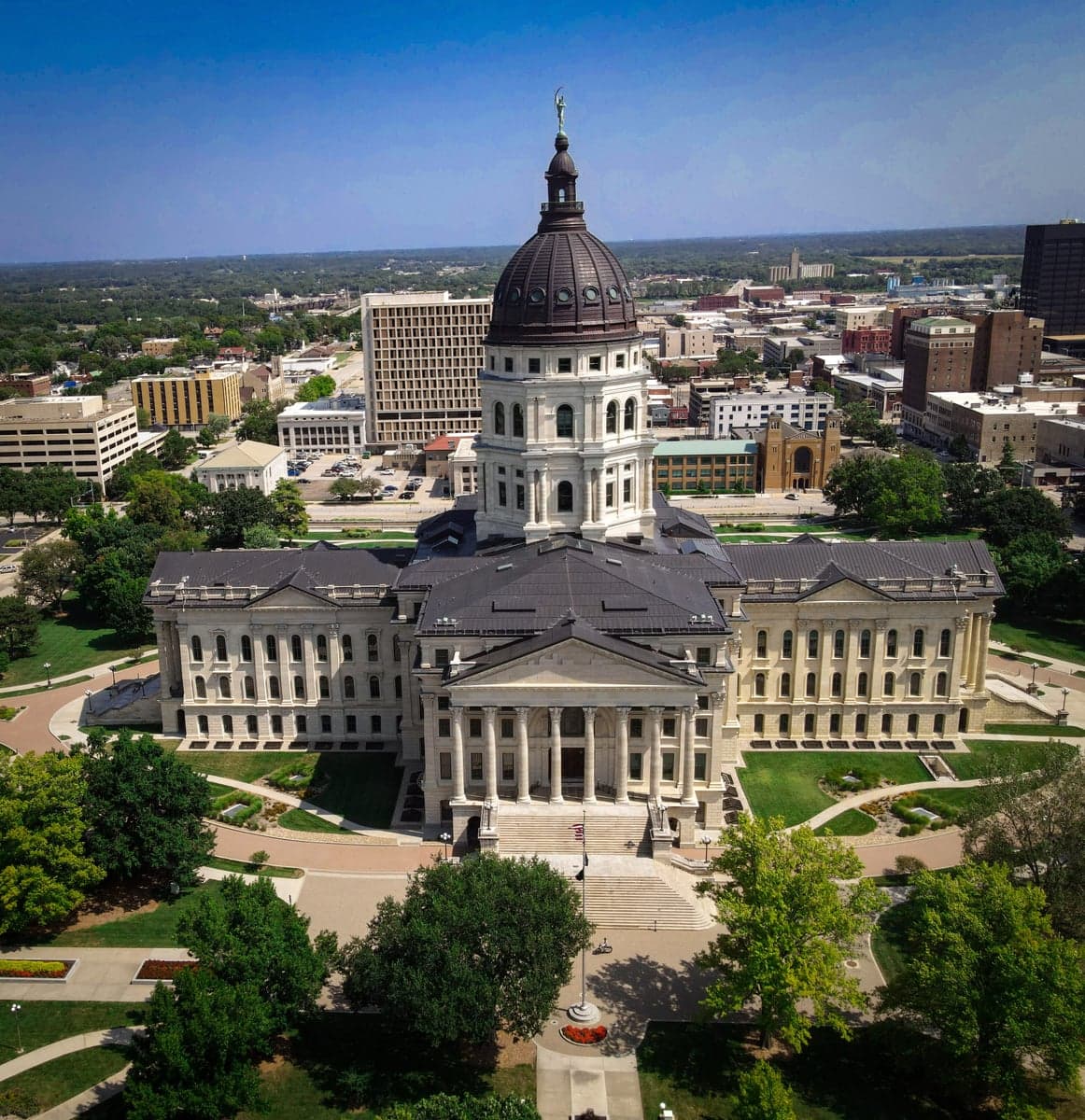
Photo: Wikipedia
Find The Best Places To Live
in Topeka
PRO TIP! You can paste a Zillow or Redfin link to get info on that property.
What It's Like Living in Topeka, KS
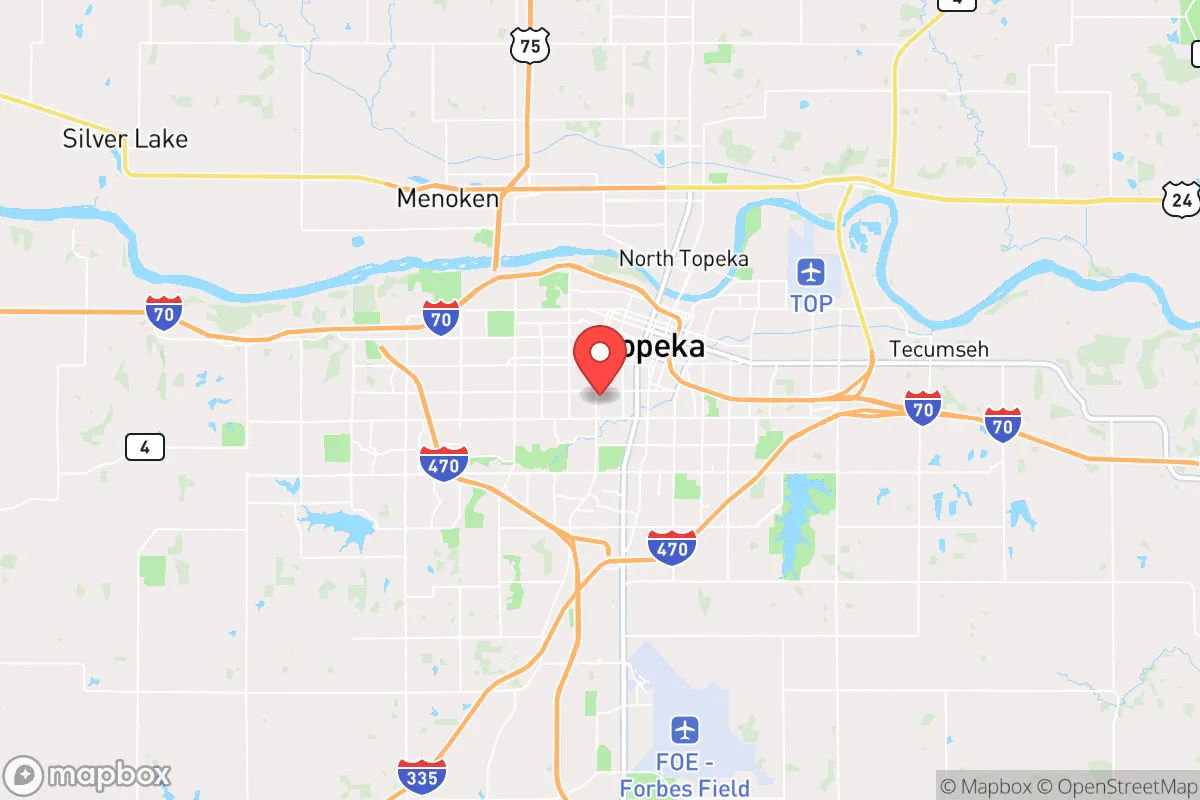
Topeka has a way of surprising people who only know it as the state capital or a pit stop on I-70. It’s a city of about 126,000 where the pace is slower than Kansas City or Lawrence, but there’s a steady, unpretentious rhythm to life here—people know their neighbors, high school football games are genuine community events, and you can still buy a decent home for well under $150,000. The vibe is less “up-and-coming” and more “solid and settled,” which suits folks who want a low-stress place to raise kids or just live without the constant buzz of a bigger metro.
Daily Rhythm and Who Fits In
Most mornings in Topeka start with a 16-minute commute—one of the shortest average drives in the country—so you’re not burning an hour in traffic just to get to work. The biggest employers are state government, the University of Kansas Health System St. Francis Campus, and Goodyear’s tire plant, which means a lot of people work stable, middle-class jobs. The median household income sits around $56,000, and with a cost of living index of 67 (well below the national 100), that paycheck stretches further than it would almost anywhere else. You’ll see families at the Hy-Vee on Wanamaker Road on a Saturday morning, then later at Gage Park letting kids run through the playground or ride the miniature train. The kind of person who fits here is someone who values affordability and community over nightlife and career ladder-climbing—single people who want to buy a house without a six-figure salary, or parents who want their kids in a school system where the principal knows your name.
Sports, High School Loyalty, and What People Actually Do for Fun
Sports in Topeka aren’t about pro teams—they’re about high school rivalries and Washburn University athletics. Friday nights in the fall revolve around Washburn Rural or Topeka High football games, where the stands are packed and the marching bands are a big deal. Washburn’s Ichabods basketball and football draw decent crowds, especially when rival Emporia State comes to town. For pro sports, most folks drive 45 minutes to Kansas City for Chiefs or Royals games, but that’s a day trip, not a weekly habit. On weekends, people head to Lake Shawnee for fishing, kayaking, or the paved trails around the lake—it’s free and never crowded. The Topeka Zoo at Gage Park is small but well-kept, and the Kansas Museum of History offers a solid afternoon if you want to understand the state’s story. For nightlife, the Blind Tiger Brewery on S Kansas Avenue is the go-to for craft beer and pub food, while The Pennant downtown draws a younger crowd with live music and a rooftop patio. The Topeka Civic Theatre puts on solid community productions, and the NOTO Arts District (North Topeka) has First Friday art walks with local galleries and food trucks.
Pros and Cons of Living Here
The biggest pro is the cost of living. With a median home value of $130,600, a single person earning the median income can afford a mortgage on a three-bedroom house without being house-poor. The commute is laughably short—you can drive from one end of town to the other in 20 minutes. The schools, particularly Topeka Public Schools and Auburn-Washburn USD 437, are deeply woven into community life; parent involvement is high, and sports and band programs are well-funded. The weather is classic Kansas: hot, humid summers, cold winters with occasional snow, and spring tornado season that everyone takes seriously but doesn’t panic over. The biggest con is the crime rate. The violent crime rate is 58.3 per 100,000—higher than the national average—and it’s concentrated in certain neighborhoods, not spread evenly. Longtime residents will tell you to avoid parts of central Topeka after dark and to lock your car doors. Another frustration is the lack of high-end dining and shopping; if you want a Whole Foods or a trendy cocktail bar, you’re driving to Lawrence or Overland Park. The median age is 38.2, and only about 29% of adults hold a bachelor’s degree, so it’s not a town full of young professionals or recent grads—it’s more of a place where people settle down after they’ve already started their careers or families.
Cultural Quirks and What Makes Topeka, Topeka
Topeka has a few things that define its identity beyond the capitol dome. The Brown v. Board of Education National Historic Site at Monroe Elementary is a genuine landmark that locals are proud of, even if they don’t visit it every year. The Wheatfield’s Restaurant chain started here, and it’s the spot for Sunday brunch after church—think chicken-fried steak and cinnamon rolls the size of your head. The Fiesta Mexicana festival every July at Our Lady of Guadalupe Church is a huge deal, with authentic food, a parade, and carnival rides that draw people from across northeast Kansas. One quirk: Topekans are fiercely loyal to their specific part of town—west siders vs. east siders is a real divide, mostly about school districts and property values. The city’s nickname, “The Golden City,” comes from the gilded dome on the state capitol, but locals just call it Topeka. It’s not a place that tries to impress outsiders, and that’s exactly why the people who live here tend to stay—it’s affordable, predictable, and the kind of town where you can still wave at a stranger and mean it.

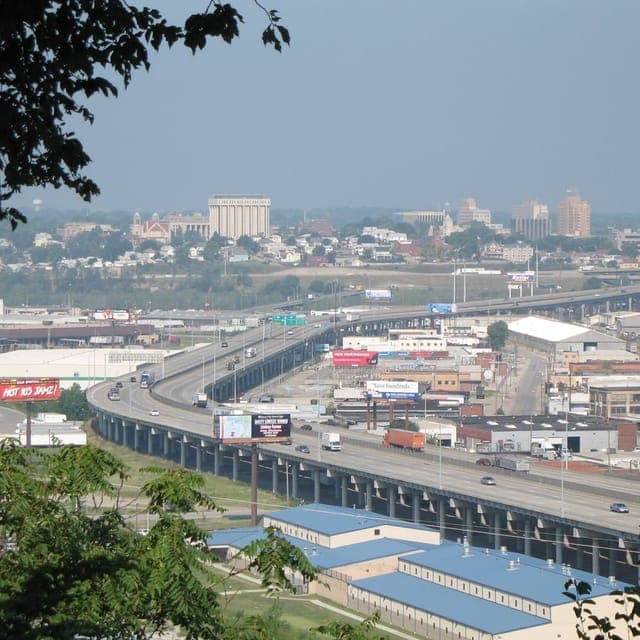
Similar small cities to Topeka

* Values derived from national, state, county, city and local statistics and may differ in a specific area. Last updated: 2026-04-29T21:10:22.000Z
Narrative content on this page is AI-generated and may contain mistakes. Verify any details that matter before acting on them.
ReloMaps may earn a commission from affiliate links at no extra cost to you.

