 Popular
Photo: Wikipedia
Quality of Life in Peachtree City, GA
A high quality of life with strong walkability, manageable living costs, healthy neighborhood signals, and solid amenity access.
What does Quality of Life tell us?
Quality of Life blends cost of living, nearby amenities, socioeconomic signals, and neighborhood character. City-level scores represent the whole municipality; individual neighborhoods can differ.
What does this tell us?
Quality of Life blends cost of living, nearby amenities, socioeconomic signals, and neighborhood character. City-level scores represent the whole municipality; individual neighborhoods can differ.
Cost of Living
64% above national average
The Real Cost of Living in Peachtree City, GA for 2026
| Tier | Individual | Family (4) |
|---|---|---|
| Survival | $31k | $57k |
| Comfortable | $90k | $132k |
| Luxury | $188k+ | $292k+ |
| Elite (Top 5%) | $222k+ | $343k+ |
85%
The Area Signal
A metric tracking the socioeconomic signals of the area.
Hobbies
Explore the areaGroceries
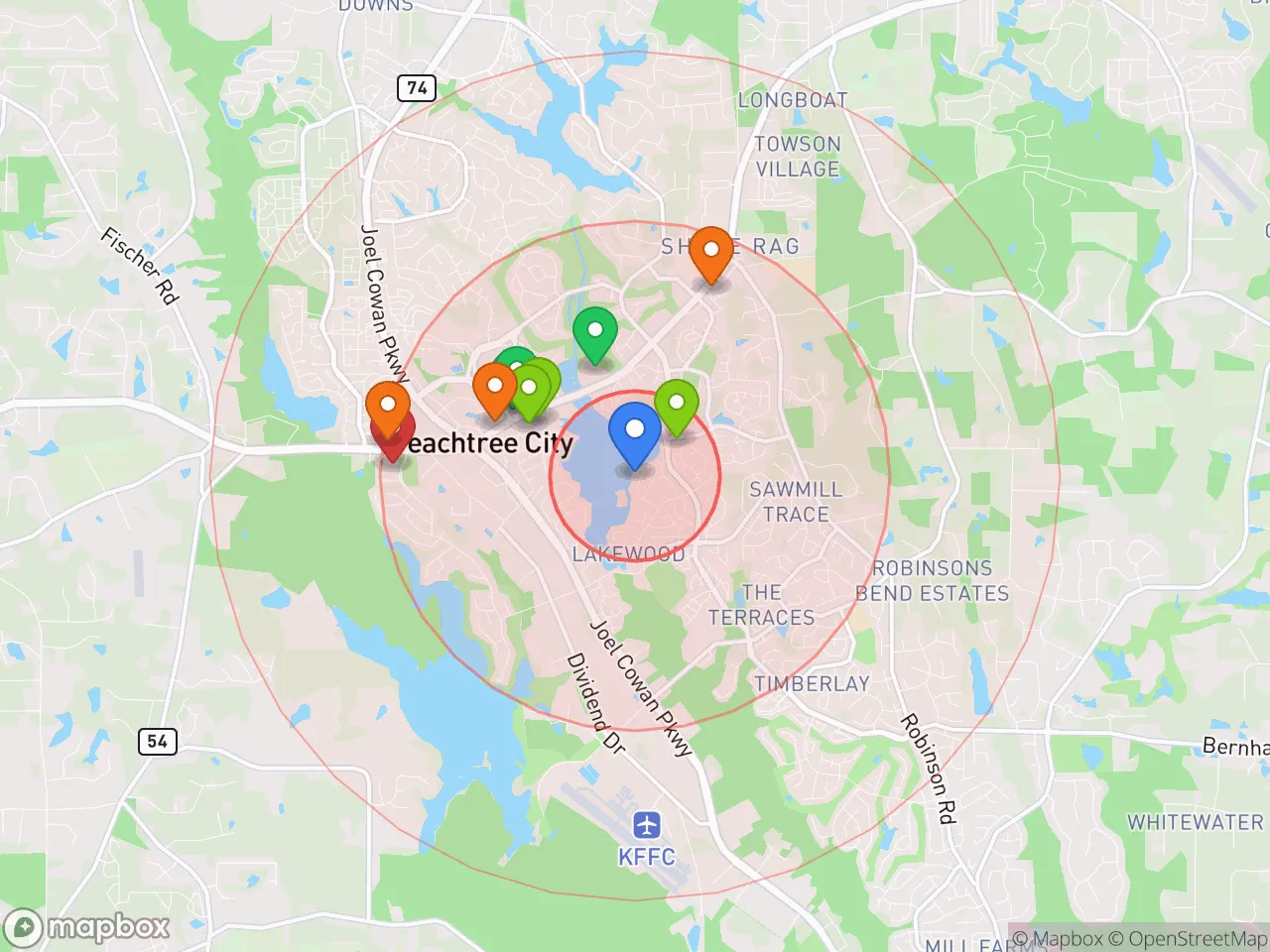
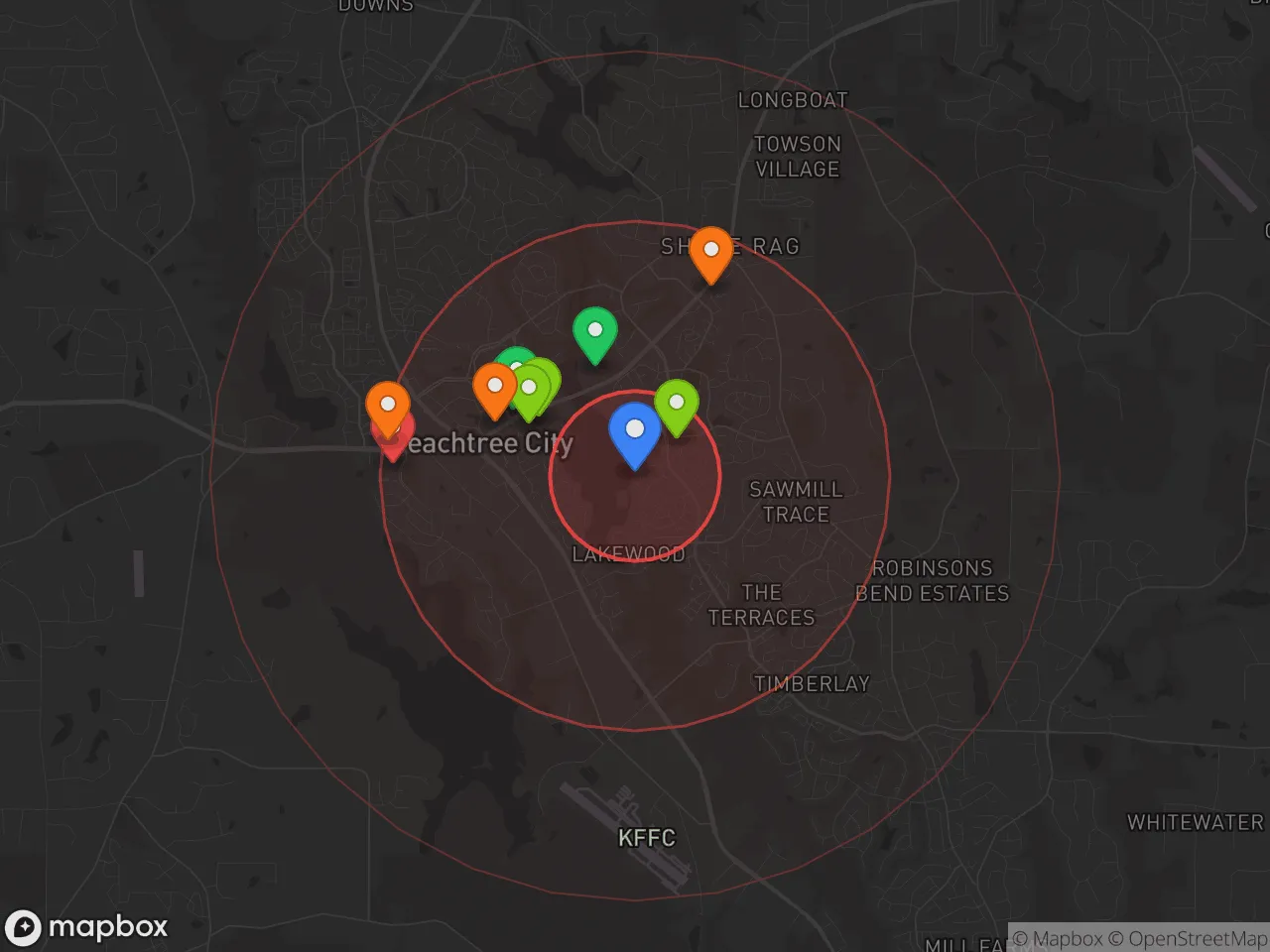
10 within 10 miles
Gas
20 within 10 miles
Hospital
12 within 20 miles
Airport
ATL — Hartsfield–Jackson Atlanta International
Post Office
USPS — Peachtree City, GA
Critical Amenities
Quality-of-Life Analysis
Peachtree City is an affluent planned community in Fayette County, Georgia, where the cost of living index of 164 (64% above the U.S. average) reflects a population that is predominantly upper-middle-class, well-educated, and family-oriented. The city’s signature golf-cart paths, strict zoning, and top-rated schools attract professionals commuting to Atlanta and Hartsfield-Jackson Airport, as well as retirees seeking a safe, amenity-rich environment. With a median household income well above the national figure, Peachtree City’s residents prioritize space, recreation, and low crime over urban convenience.
Cost of living, housing prices, and how affordability compares to nearby Atlanta suburbs
Peachtree City’s housing market is expensive by metro Atlanta standards but competitive with other high-end southern suburbs. The median home value sits at $461,000, roughly double the national median and significantly higher than neighboring Fayetteville ($310,000) or Newnan ($350,000). Median rent is $1,915, which is about 30% above the Atlanta metro average, though still below intown neighborhoods like Buckhead or Midtown. The cost of living index of 164 is driven primarily by housing; groceries and healthcare are closer to the national norm. For buyers, the premium buys into the Fayette County school system (consistently ranked in Georgia’s top 10) and a community with no through-truck traffic, extensive green space, and a 28.5-minute average commute to downtown Atlanta—a trade-off many professionals accept for a suburban lifestyle with urban job access.
What daily life is like: schools, amenities, and the golf-cart culture
Daily life in Peachtree City revolves around its 90+ miles of paved golf-cart paths, which connect nearly every neighborhood to shopping centers, schools, and parks. The city’s three public golf courses, multiple lakes (including Lake Peachtree and Lake Kedron), and over 2,000 acres of parkland make outdoor recreation a central part of the rhythm. The Fayette County School System operates four elementary schools, a middle school, and McIntosh High School within city limits—all rated A by the Georgia Department of Education. The city’s unique zoning prohibits commercial traffic on residential streets, and the police department enforces a strict noise and speed ordinance, contributing to a quiet, predictable environment. Retail is concentrated at The Avenue Peachtree City (an open-air lifestyle center) and Westpark Walk, while major employers like Porsche Cars North America (headquarters) and Panasonic Automotive provide local white-collar jobs that reduce the need for a daily Atlanta commute.
Peachtree City is best suited for families with school-age children, golf enthusiasts, and professionals who work near the Atlanta airport or in the city’s own corporate parks. Retirees also thrive here due to the low crime rate (violent crime is roughly 80% below the national average) and the walkable, cart-friendly layout. Singles and young renters without cars may find the car-dependent, family-oriented atmosphere isolating, and the high housing costs can be a barrier for first-time buyers. For those who value safety, top-tier public schools, and a meticulously maintained suburban environment, Peachtree City delivers a quality of life that justifies its premium price tag.

Crime in Peachtree City, GA
Lower crime rates than 95% of comparable U.S. locations.
Violent CrimeViolent Crime Analysis
Property CrimeProperty Crime Analysis
Crime Analysis
Peachtree City, Georgia, is one of the safest communities in the Atlanta metropolitan area, with a violent crime rate of just 26.6 incidents per 100,000 residents—roughly 85% lower than the national average. Property crime, at 536.5 per 100,000, also sits well below the national benchmark of approximately 1,950 per 100,000, though it remains the more common concern for residents. The city’s unique design, featuring a network of golf cart paths and a strong sense of community, contributes to its reputation as a low-crime suburb, but prospective movers should still examine local trends and the broader judicial environment in the region.
Crime in context
Peachtree City’s violent crime rate of 26.6 per 100,000 is dramatically lower than the Georgia state average of roughly 380 per 100,000 and the U.S. average of about 380 per 100,000. This places the city among the safest 10% of municipalities nationwide for violent offenses, including homicide, rape, robbery, and aggravated assault. Property crime—encompassing burglary, theft, and motor vehicle theft—occurs at a rate of 536.5 per 100,000, which is about 40% lower than the Georgia average of roughly 900 per 100,000. However, property crime is still the most frequent issue, with theft from vehicles and unlocked homes being the most common reports. Residents should be aware that while Peachtree City itself is safe, it sits within Fayette County, which is part of the broader Atlanta judicial circuit. Many large metro areas, including Atlanta, have elected progressive district attorneys and judges who prioritize diversion programs and reduced sentencing for property and non-violent offenders. This philosophy, while intended to reduce incarceration, can result in repeat offenders cycling back into suburban communities like Peachtree City, increasing the risk of property crime over time.
What residents experience
Daily life in Peachtree City feels exceptionally secure, with most residents reporting they feel comfortable walking, biking, or golf-carting at any hour. The city’s police department maintains a visible presence, and neighborhood watch programs are active across subdivisions. The most common safety complaints involve theft from unlocked vehicles and occasional package thefts, rather than violent confrontations. However, the influence of the broader metro area’s criminal justice policies cannot be ignored. Progressive policies in Atlanta and surrounding counties—such as cash bail reform, reduced prosecution for theft under a certain dollar amount, and early release programs—have been linked to increased property crime in nearby suburbs. For Peachtree City, this means that while violent crime remains rare, residents should take standard precautions: lock vehicles, secure garages, and consider home security systems. The city’s low violent crime rate is a genuine asset, but the regional judicial environment means property crime may not decline as quickly as in more conservative jurisdictions.
Neighborhood-level variation in Peachtree City is minimal compared to larger cities, but some patterns exist. Areas near the city’s commercial corridors—such as along Ga. Highway 74 and near the Shops at Peachtree City—see slightly higher rates of property crime, particularly theft from vehicles. Gated communities and subdivisions with private security, such as those in the southern and western parts of the city, report even lower incident rates. The city’s golf cart paths, while a beloved feature, can also provide easy access for opportunistic thieves, so homes directly adjacent to paths may benefit from extra lighting and cameras. Overall, Peachtree City offers a high level of safety, but residents should remain mindful of the regional justice system’s impact on property crime trends.
* Values derived from national, state, county, city and local statistics and may differ in a specific area. Last updated: 2026-04-23T05:27:54.000Z
Narrative content on this page is AI-generated and may contain mistakes. Verify any details that matter before acting on them.
ReloMaps may earn a commission from affiliate links at no extra cost to you.

