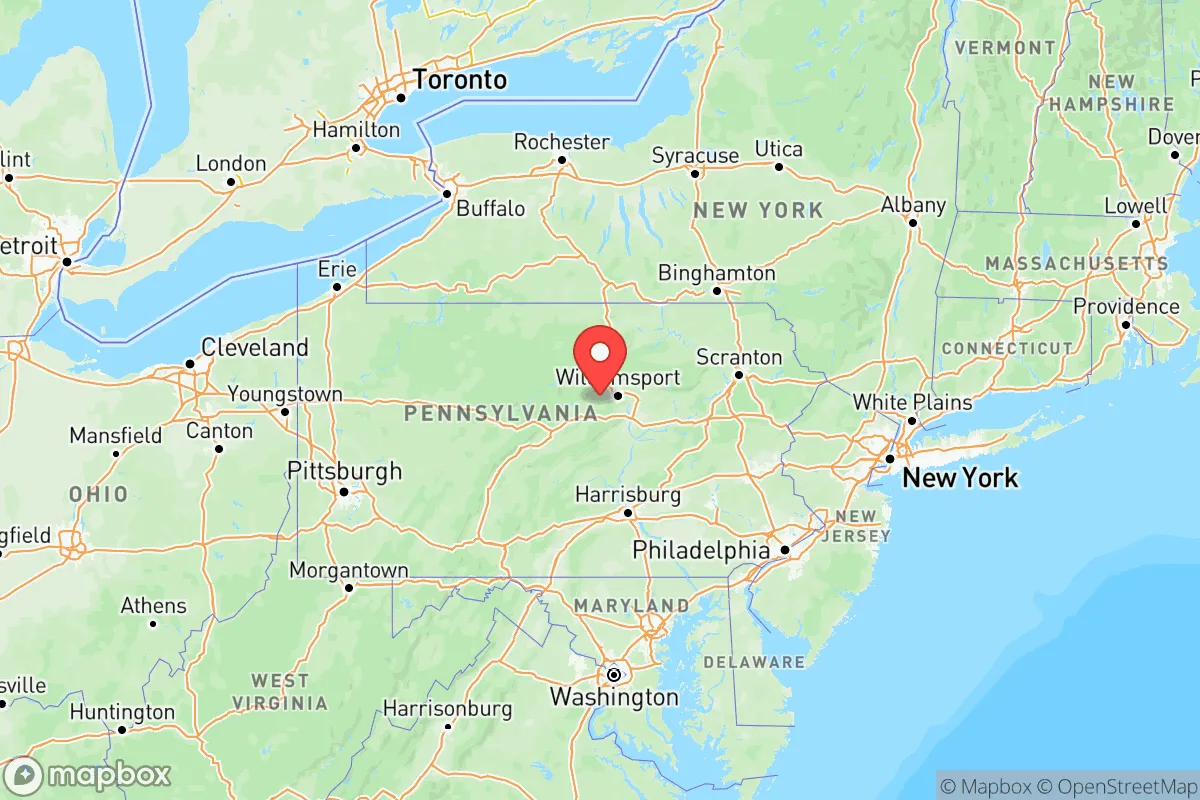
Photo: Wikipedia
Strategic Assessment of Pennsylvania
Multiple tactical vulnerabilities. Population density, target proximity, or disaster risk are likely compounding. A retreat property and exit planning is required.
What does the Strategic Assessment tell us?
Our Strategic Assessment grades tactical survivability of an area. Major population centers, military targets, fallout zones, natural disasters, and border exposure all drive risk — lower exposure means a more defensible position in a crisis.
This is heavily inspired by Joel Skousen's Strategic Relocation book. Highly recommended you checkout the book ($)What does this tell us?
Our Strategic Assessment grades tactical survivability of an area. Major population centers, military targets, fallout zones, natural disasters, and border exposure all drive risk — lower exposure means a more defensible position in a crisis.
This is heavily inspired by Joel Skousen's Strategic Relocation book. Highly recommended you checkout the book ($)Regional Safe Places
Below is our recommended "safe zones" in Pennsylvania and the surrounding area based on our strategic heuristics. For most people, it's unrealistic to live in a “safe zone” full-time due to work, family or other personal reasons. They tend to be more rural. However, many of these areas are perfect for second homes and retreat properties that double as a vacation home or even a short-term rental.
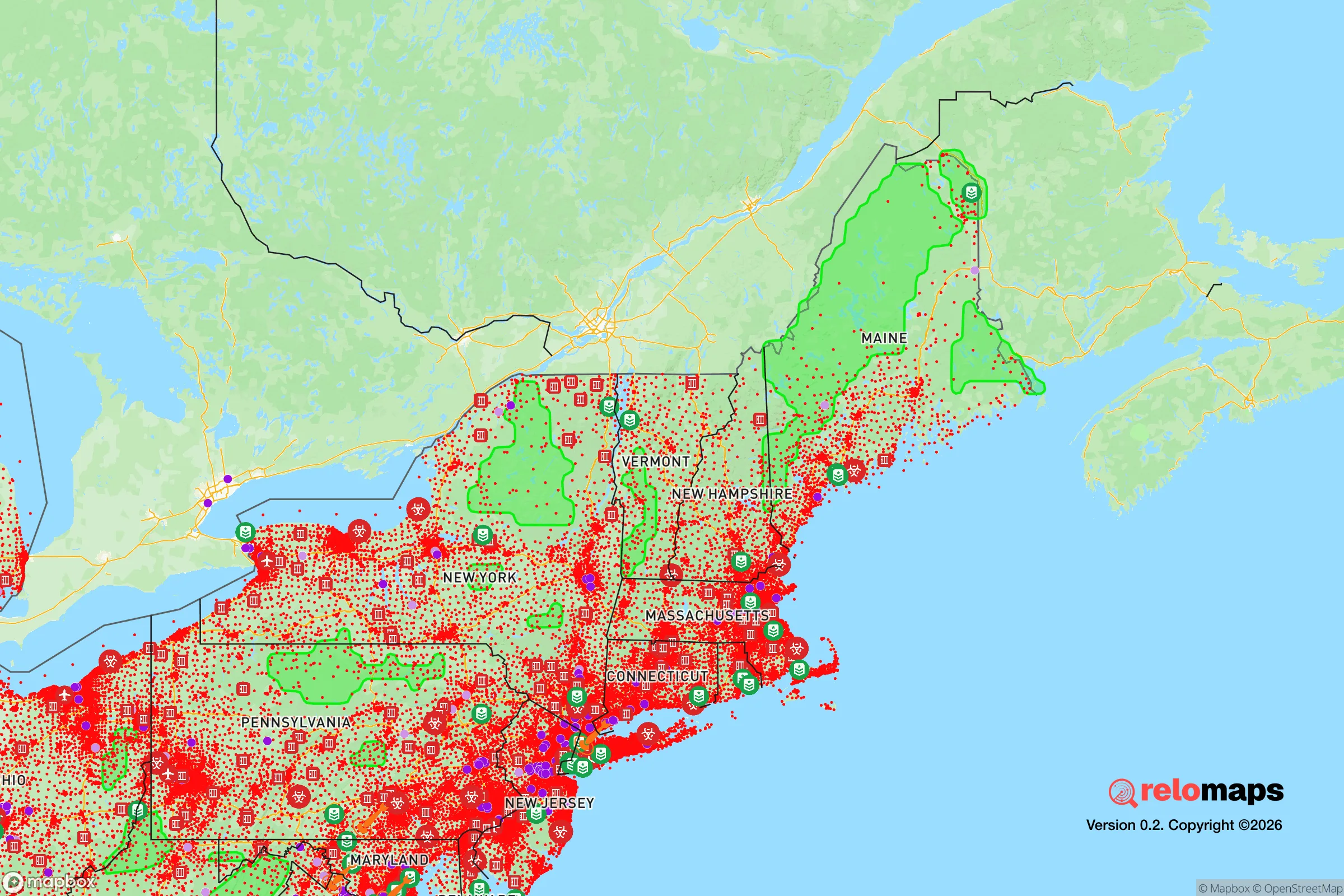
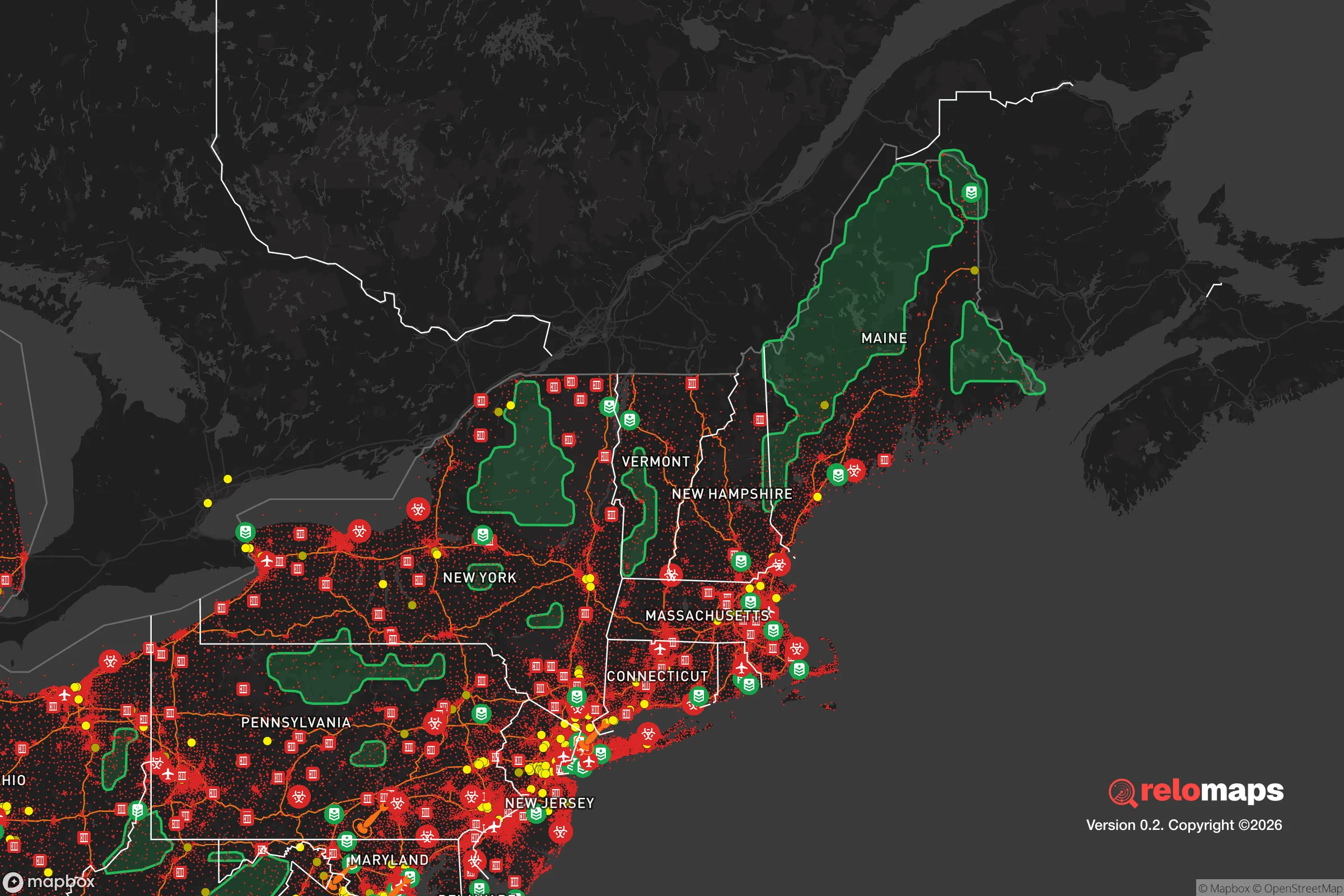


Important Note: For informational purposes only. This does not mean nothing bad ever happens in the green zones. Please use common sense. This is based on public data and modeled with AI. We tried to take a conservative approach but mistakes happen. We update this regularly as new information becomes available.
Solar Generator Recommendations
Backup power matters more here than in safer locations. We've picked three solar generators across budgets and capacity tiers — start with the budget unit if you only need a few essentials, or step up if you want to run a fridge and HVAC for days at a time.

Jackery Portable Power Station Explorer 300
Budget OptionPower on the Go: Weighing only 11 lbs, it's convenient to set up and store with book-sized foldable solar panels

BLUETTI Portable Power Station AC180
Designed for both indoor and outdoor scenarios, AC180 is highly capable as it has a robost capacity and continuous output power.

EF ECOFLOW DELTA Pro Ultra Power Station
Upgraded PickEcoFlow DELTA Pro Ultra is a whole-home energy system designed to grow with your family. Integrated with the Smart Home Panel 2, it scales to meet your evolving energy needs — keeping your home powered, intelligent, and secure through every stage of life.
We earn a commission, at no additional cost to you.
Strategic Assessment Analysis
Pennsylvania offers a mixed strategic picture for conservative-leaning relocators focused on resilience, balancing strong geographic advantages with significant exposure to high-value targets. The state's position in the Mid-Atlantic provides access to multiple regions while avoiding the extreme vulnerability of the Northeast Corridor, but its dense population centers and critical infrastructure create real risks that require careful site selection. For those prioritizing self-sufficiency and distance from likely fallout zones, Pennsylvania demands a targeted approach—certain areas offer genuine refuge, while others are best avoided entirely.
Geographic position and natural advantages for long-term security
Pennsylvania's strategic value lies in its interior geography and natural barriers. The Appalachian Mountains run diagonally across the state, creating a natural shield against coastal fallout patterns and providing defensible terrain in counties like Centre, Clinton, and Potter. The state's abundant water resources—including the Susquehanna, Delaware, and Ohio River systems—offer reliable freshwater access for those positioned away from industrial corridors. The Poconos region in the northeast provides forested cover and lower population density, while the Allegheny National Forest in the northwest offers over 500,000 acres of public land for hunting, foraging, and retreat. Pennsylvania's climate is temperate, with four distinct seasons that support agriculture, though winters in the northern tier can be harsh. The state's central location means it's within a day's drive of major East Coast markets, but for a survivalist mindset, that proximity is a double-edged sword—it also means easy access for those fleeing coastal collapse.
Risks, exposures, and proximity to fallout-relevant landmarks
The biggest liability for Pennsylvania is its concentration of high-value targets that would attract attention in a major conflict or collapse scenario. Philadelphia, the sixth-largest city in the U.S., is a primary target with its port complex, refineries along the Delaware River, and dense urban population. The Pittsburgh metropolitan area hosts significant industrial infrastructure, including steel mills and the Pittsburgh International Airport's military cargo capabilities. The Three Mile Island nuclear plant near Harrisburg, though decommissioned, remains a symbolic target and its spent fuel storage is a contamination risk. The Susquehanna Steam Electric Station in Luzerne County and Beaver Valley Power Station near Pittsburgh are active nuclear facilities that could be targeted or experience cascading failures. Pennsylvania also hosts Fort Indiantown Gap near Lebanon, a major military training base, and the Philadelphia Naval Shipyard, which retains strategic significance. The Marcellus Shale natural gas fields across the northern and western parts of the state create a network of pipelines and processing plants that could be disruption points. For a relocator, living within 50 miles of Philadelphia or Pittsburgh means accepting high fallout risk and potential refugee flows. The I-95 and I-76 corridors would become choke points during evacuations, making rural counties like Tioga, Sullivan, or Fulton more viable for those prioritizing distance from these dangers.
Practical resilience for a relocator: food, water, energy, and defensibility
For those willing to go deep into Pennsylvania's rural interior, the state offers strong practical resilience. Water access is excellent—the state has over 2,500 miles of rivers and streams, and groundwater is generally reliable in the Ridge and Valley region. Food production is viable in the fertile limestone valleys of Lancaster, York, and Lebanon counties, though these areas are also more populated. The Amish and Mennonite communities in Lancaster County represent a living example of low-tech self-sufficiency, with established networks for seed saving, animal husbandry, and off-grid living. Energy independence is achievable through wood heating (forests cover 60% of the state), solar panels (southern tier gets adequate sun), and small-scale hydro on perennial streams. The Marcellus Shale provides abundant natural gas for those who can access it, but reliance on centralized gas infrastructure is a vulnerability. Defensibility varies by terrain—the Appalachian ridges offer natural chokepoints and lookout positions, while the plateau regions in the north provide dense forest cover for concealment. Hunting is a cultural staple, with white-tailed deer, turkey, and small game abundant in state game lands. The Pennsylvania Game Commission manages over 1.5 million acres of public hunting grounds, a significant resource for protein security. However, relocators should note that property taxes in Pennsylvania are among the highest in the nation, averaging over $4,000 annually on a median home, which can strain budgets during economic instability. Zoning is generally lax in rural townships, allowing for livestock, gardens, and alternative structures without excessive bureaucracy.
The overall strategic picture for Pennsylvania is one of conditional opportunity. The state's interior offers genuine refuge potential—abundant water, forest resources, defensible terrain, and a culture of self-reliance in its rural counties. But the risks from Philadelphia, Pittsburgh, nuclear plants, and major transportation corridors are real and require deliberate distance. For a conservative relocator with a prepper mindset, the sweet spot lies in the north-central tier—counties like Potter, Tioga, and Sullivan—where population density drops below 20 people per square mile, fallout risk from coastal targets is minimized, and access to the Allegheny National Forest provides a buffer. Avoid the southeastern quadrant entirely, and treat the western edge near Pittsburgh with caution. Pennsylvania is not a safe haven for those unwilling to go remote, but for those who commit to the deep woods and small towns, it remains one of the better bets east of the Mississippi for weathering what's coming.

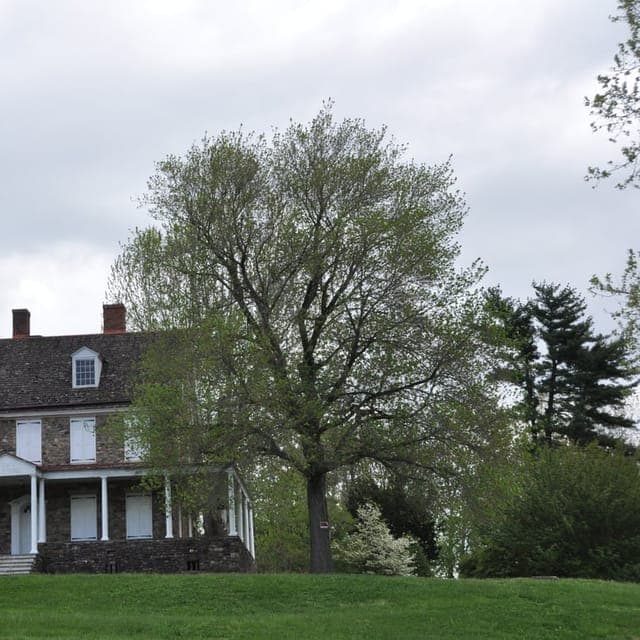
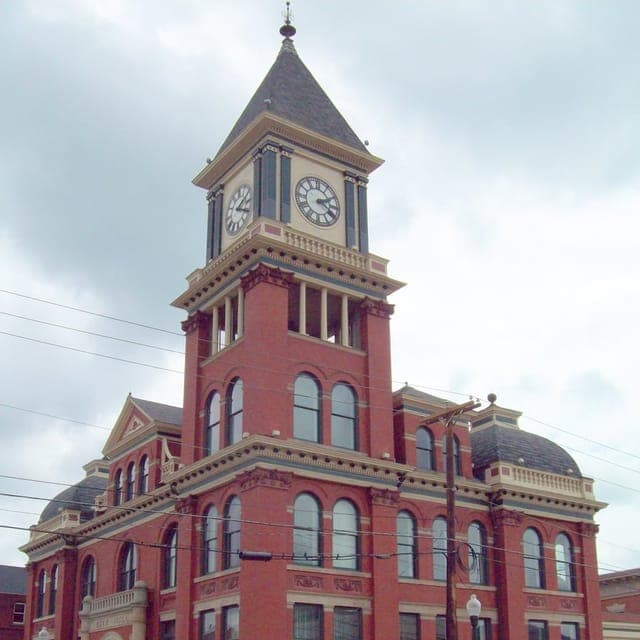
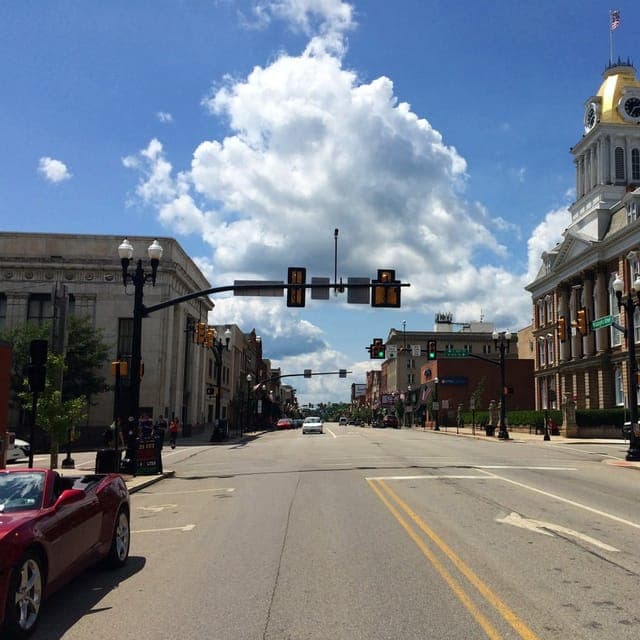
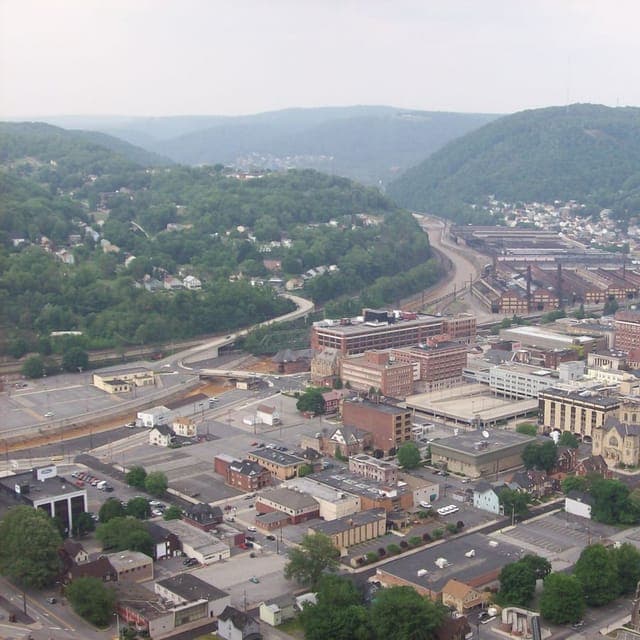
Top 10 Cities by Strategic Assessment in Pennsylvania
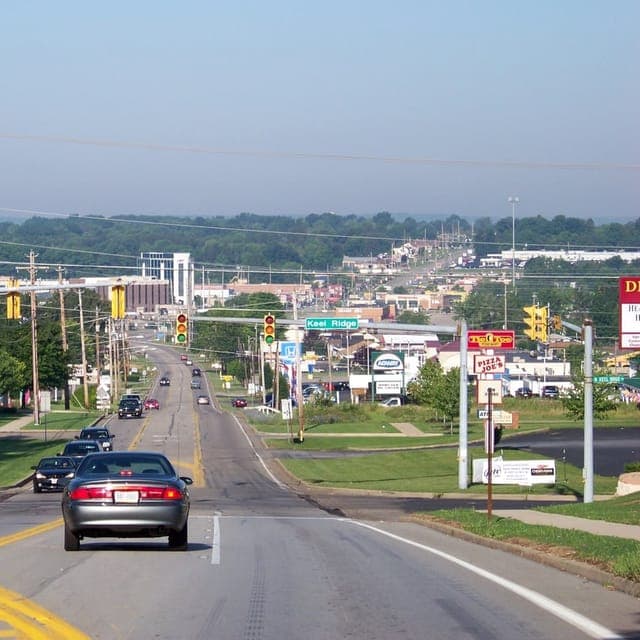

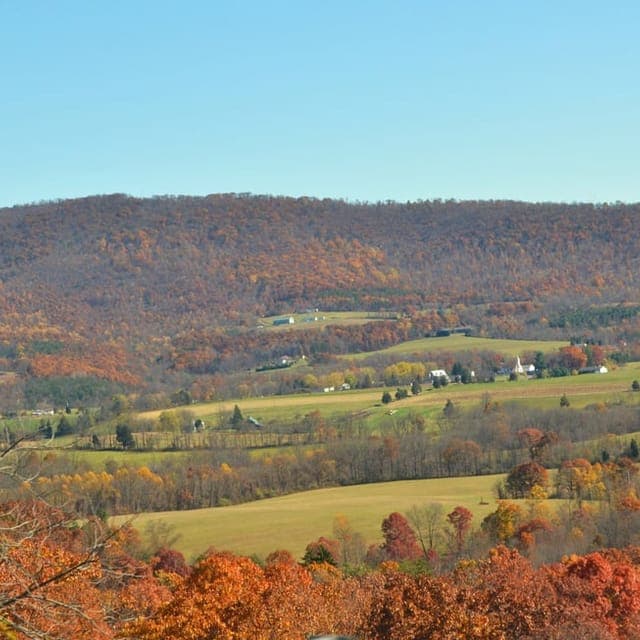
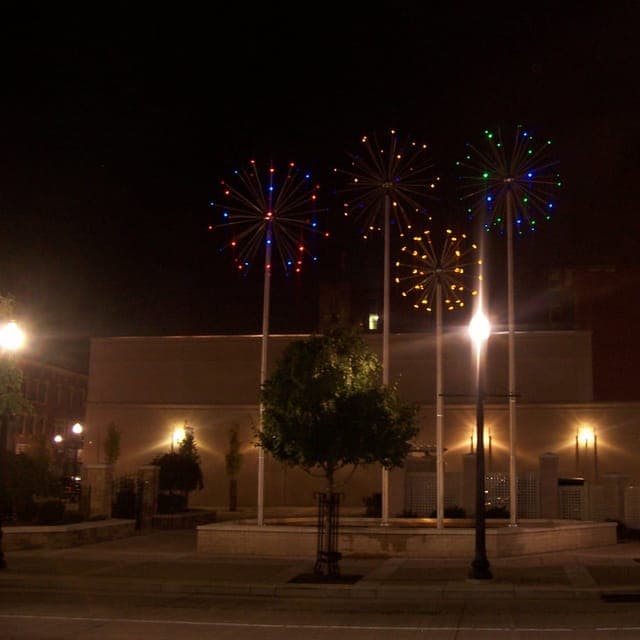
* Values derived from national, state, county, city and local statistics and may differ in a specific area. Last updated: 2026-04-19T01:35:58.000Z
Narrative content on this page is AI-generated and may contain mistakes. Verify any details that matter before acting on them.
ReloMaps may earn a commission from affiliate links at no extra cost to you.

