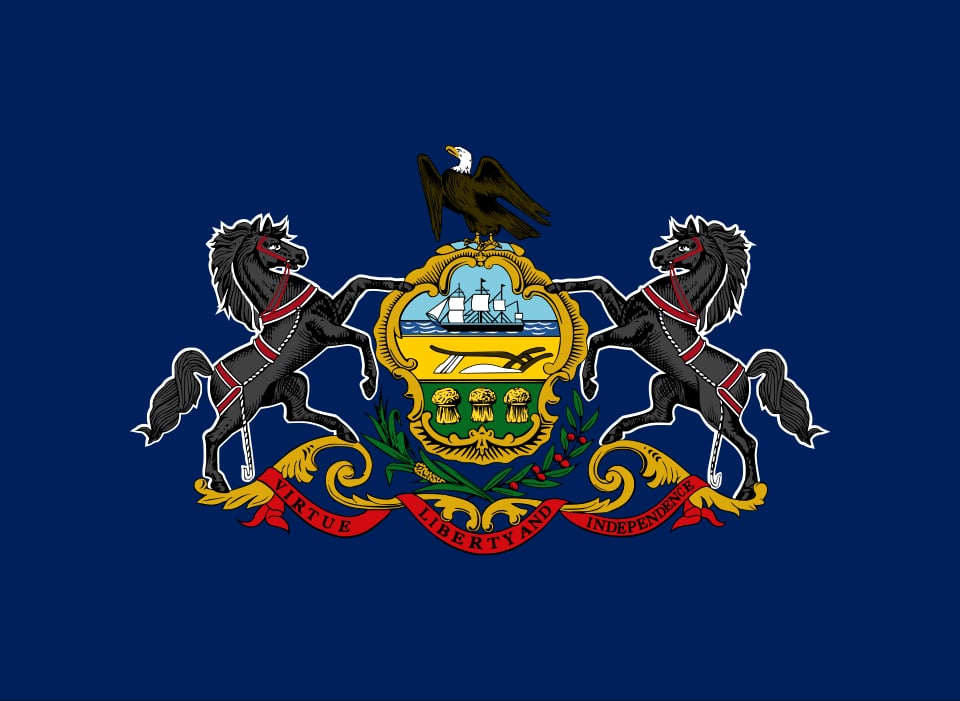
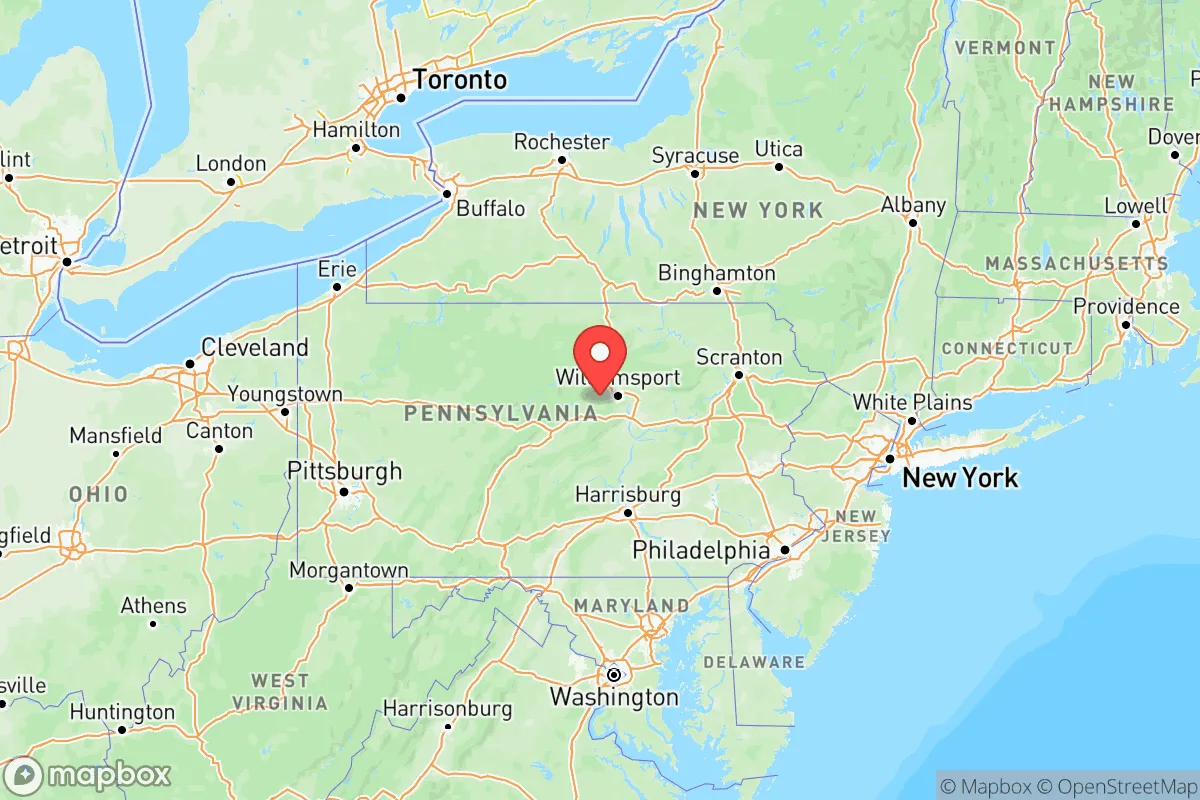
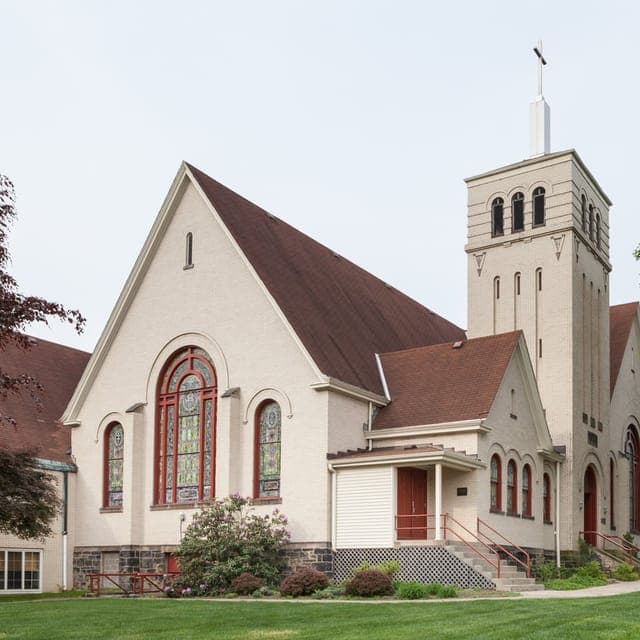
Photo: Wikipedia
Demographics of Pennsylvania
Affluence Level in Pennsylvania
An upper-middle-class area. Household wealth, education levels, and homeownership run ahead of national benchmarks.
People of Pennsylvania
The people of Pennsylvania today number nearly 13 million, forming a population that is older, more settled, and more racially diverse than its rural reputation suggests. The state is 73.8% white, with a significant Black population of 10.3% and a growing Hispanic community of 8.4%, while East and Southeast Asian residents make up 2.2% and Indian-subcontinent residents account for 1.5%. Only 3.3% of Pennsylvanians are foreign-born, a figure well below the national average, reflecting a population shaped more by centuries of internal migration and industrial boom-and-bust than by recent immigration. The state’s character remains a blend of old-stock Pennsylvania Dutch conservatism, Rust Belt labor traditions, and a growing suburban and exurban middle class that is slowly diversifying.
Settlement & growth (pre-1960)
Long before European arrival, Pennsylvania was home to the Lenape (Delaware), Susquehannock, and Iroquois nations, who used the Susquehanna and Ohio river valleys as trade and hunting corridors. The first permanent European settlers were Swedes and Finns along the Delaware River in the 1640s, founding what is now Chester and Philadelphia. The English took control in 1664, but the defining colonial event was William Penn’s 1681 charter, which established Pennsylvania as a haven for religious dissenters.
The first major wave was English and Welsh Quakers, who settled Philadelphia and the southeastern counties—Bucks, Chester, Delaware, and Montgomery—from the 1680s onward. They were soon followed by a massive influx of Germans, often called Pennsylvania Dutch, who began arriving in the 1710s and continued through the 1750s. These Germans, fleeing religious persecution and war, settled the fertile farmland of Lancaster County, York, Berks County, and the Lehigh Valley, establishing towns like Ephrata, Lititz, and Kutztown. Their descendants remain a distinct cultural presence, with roughly 25% of Pennsylvanians claiming German ancestry today.
The Scots-Irish arrived in large numbers from the 1720s to the 1770s, pushing past the Quaker and German settlements into the frontier. They populated the Cumberland Valley, the Susquehanna River corridor, and the mountainous interior, founding Carlisle, Chambersburg, and later Pittsburgh. Their Presbyterian and fiercely independent character shaped the state’s western and central regions.
The 19th century brought two transformative waves. The first was the Irish, fleeing the Great Famine of the 1840s and 1850s, who settled in Philadelphia, Scranton, and the coal-mining towns of the anthracite region—Pottsville, Wilkes-Barre, and Hazleton. The second was Southern and Eastern Europeans—Italians, Poles, Slovaks, Ukrainians, and Jews—who arrived between 1880 and 1924 to work in the steel mills of Pittsburgh and Bethlehem, the coal mines of the west and northeast, and the factories of Philadelphia and Reading. These groups gave Pennsylvania its dense ethnic neighborhoods, from Pittsburgh’s Polish Hill to Philadelphia’s South Philadelphia Italian market.
The Great Migration of Black Americans from the South began during World War I and accelerated through the 1940s and 1950s, with tens of thousands settling in Philadelphia, Pittsburgh, and industrial cities like Harrisburg and Erie. By 1960, Pennsylvania’s Black population had grown to roughly 7.5%, concentrated in urban cores. The state’s population peaked at 11.3 million in 1960, just as the industrial economy that had drawn so many began its long decline.
Modern era (post-1965)
The 1965 Hart-Cellar Act opened immigration from Asia and Latin America, but Pennsylvania received far fewer newcomers than coastal states. The foreign-born share remained below 5% until the 2010s, and even today sits at just 3.3%. The most visible change has been Hispanic growth, driven primarily by Puerto Rican migration to Philadelphia and Allentown beginning in the 1950s and accelerating after 1970. Today, the Hispanic population is 8.4% statewide, with the highest concentrations in the Lehigh Valley—Allentown, Bethlehem, and Easton—and in Philadelphia’s North and Eastern neighborhoods. Dominican, Mexican, and Central American communities have grown in these areas since 2000.
East and Southeast Asian immigration, at 2.2%, has been more modest but concentrated. Philadelphia’s Chinatown remains a historic anchor, while suburban Upper Darby and Drexel Hill in Delaware County have attracted significant Chinese, Korean, and Vietnamese populations. The Indian-subcontinent community, at 1.5%, has grown rapidly since 2000, clustering in Philadelphia’s western suburbs—Malvern, Exton, and King of Prussia—and in Pittsburgh’s eastern suburbs like Monroeville, drawn by tech and healthcare jobs.
Domestic migration has reshaped the state more than immigration. The collapse of heavy industry after 1970 triggered a decades-long exodus from Pittsburgh, Scranton, and the coal regions, with population losses of 10-20% in many cities. Simultaneously, suburbanization exploded: Philadelphia’s suburbs grew by 40% between 1970 and 2000, while the I-78 and I-81 corridors saw rapid development. The Hispanic and Asian populations that did arrive tended to settle in these suburbs directly, skipping the old ethnic urban enclaves. The Black population, meanwhile, suburbanized more slowly, with significant movement from Philadelphia to Delaware County and Montgomery County after 1990.
The future
Pennsylvania’s population is projected to grow slowly, reaching roughly 13.2 million by 2040, driven entirely by minority growth. The white population is aging and declining in absolute numbers, while the Hispanic and Asian shares will continue to rise, though from a low base. The state is not homogenizing; rather, it is tribalizing into distinct zones: the southeastern suburbs and Philadelphia are becoming moderately diverse, while the central and northern rural regions remain overwhelmingly white and are aging rapidly. The Hispanic population is spreading beyond the Lehigh Valley into smaller industrial towns like Hazleton and Reading, where they now make up over 50% of the population in some school districts.
Immigrant communities are growing but not assimilating in the traditional sense—many second-generation Hispanics and Asians are moving to outer suburbs and exurbs, blending into the broader middle class while retaining cultural ties. The Indian-subcontinent community, in particular, is highly educated and geographically mobile, with many families settling directly in affluent suburbs near tech and pharmaceutical hubs. In-migration from other states remains modest, with Pennsylvania gaining slightly from New York and New Jersey but losing residents to the Sun Belt. The state’s cultural identity is absorbing these changes slowly, with the old Pennsylvania Dutch and Rust Belt traditions persisting in rural areas while the suburbs become more cosmopolitan.
Pennsylvania is becoming a state of two demographic speeds: a slowly diversifying, economically dynamic southeast and a stagnant, aging, and culturally conservative interior. For someone moving in now, the choice is increasingly between the diverse, job-rich suburbs of Philadelphia and Pittsburgh, or the quieter, more homogeneous small towns and rural areas where the population is shrinking and the median age is rising. The state’s future is not one of rapid transformation, but of gradual, uneven change—a place where the past remains visible in every town, even as the future slowly arrives.

Most Diverse Cities in Pennsylvania
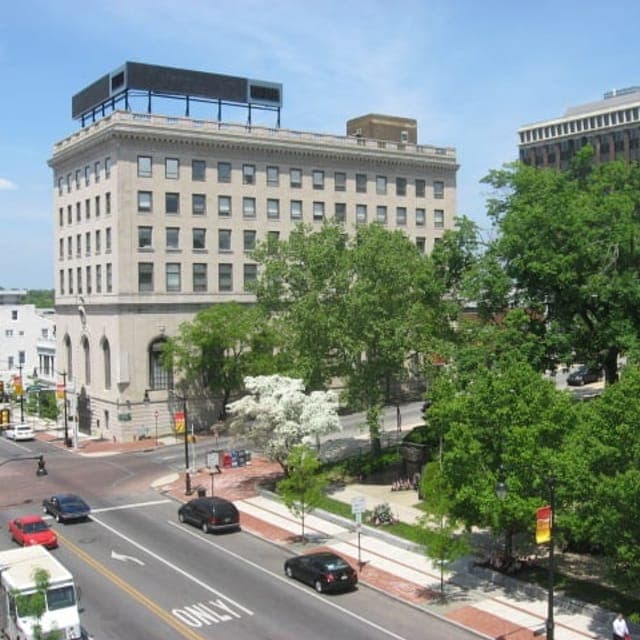
Most Homogenous Cities in Pennsylvania
* Values derived from national, state, county, city and local statistics and may differ in a specific area. Last updated: 2026-04-19T01:35:58.000Z
Narrative content on this page is AI-generated and may contain mistakes. Verify any details that matter before acting on them.
ReloMaps may earn a commission from affiliate links at no extra cost to you.

