Photo: Wikipedia
Find The Best Places To Live
in Lancaster
PRO TIP! You can paste a Zillow or Redfin link to get info on that property.
What It's Like Living in Lancaster, PA
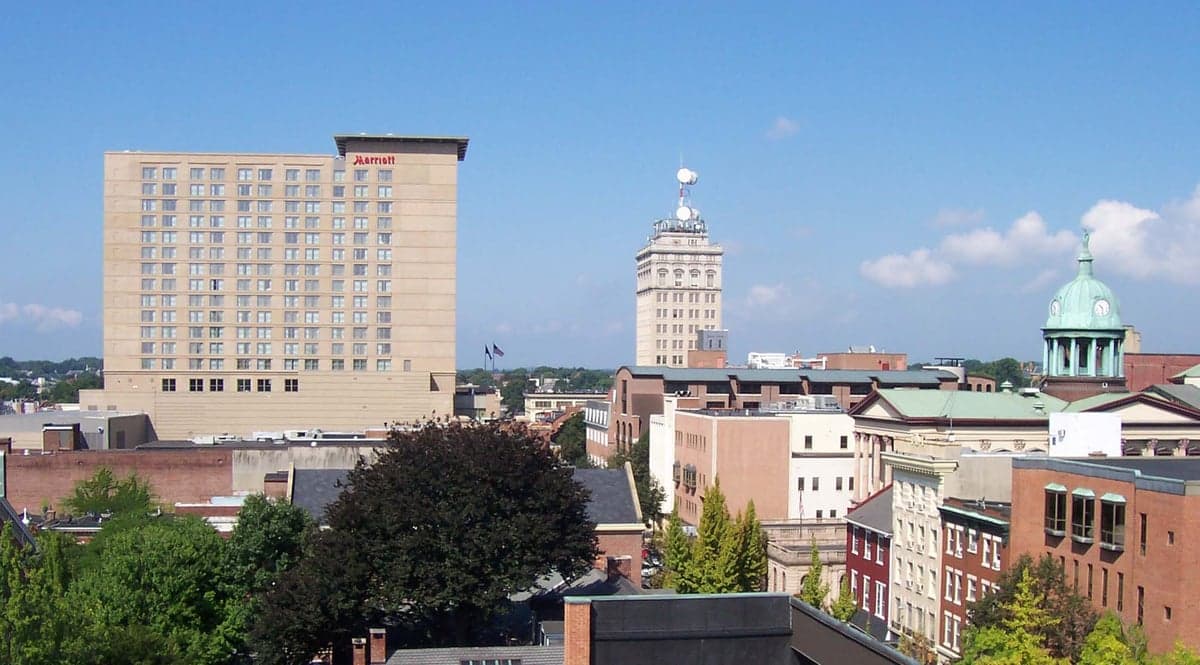
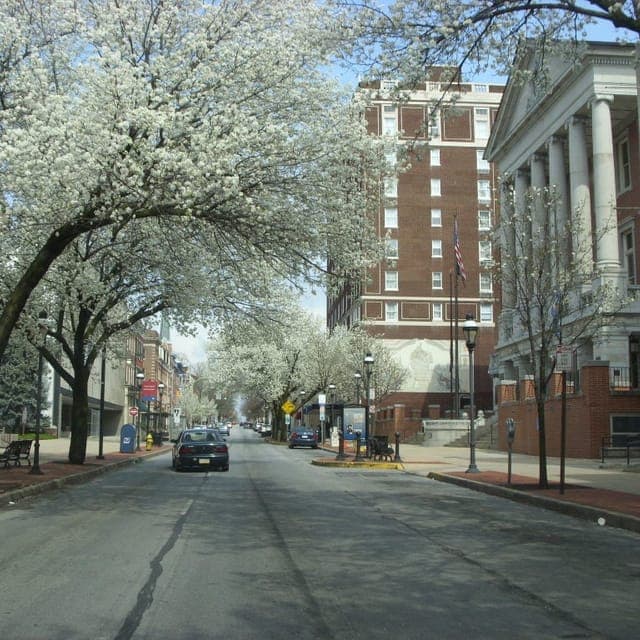
Lancaster, Pennsylvania, feels like a place that has figured out how to be both old and new at the same time. It’s a small city—just under 58,000 people—where the red-brick row homes and cobblestone alleys of the 18th century sit a few blocks from a craft brewery scene that could hold its own in any bigger city. The vibe here is less “hustle” and more “get things done at a reasonable pace,” which is probably why the average commute clocks in at a merciful 23 minutes. People move here because they want a real downtown with history and character, but they don’t want to pay big-city prices to get it.
The Daily Rhythm: What People Actually Do
Most mornings in Lancaster start with coffee at a place like Square One Coffee on West King Street, where the baristas know regulars by name and the pastries come from local bakeries. The city’s median age is 31.9, which means you see a lot of young professionals walking to work, parents pushing strollers to the Central Market—the oldest continuously operating farmers’ market in the country—and retirees reading the paper on benches in Binns Park. The median household income sits at $63,421, which goes further here than in most places because the cost of living index is 90, a full 10 points below the national average. That gap is real: you can rent a decent one-bedroom apartment near downtown for under $1,200, and the median home value is $203,700, which feels almost quaint compared to Philadelphia or New York.
Weekends have a predictable but pleasant rhythm. Saturday morning means the market, where you grab a cup of apple cider and a sticky bun from the Amish vendors who drive in from the surrounding farmland. Afternoons might mean a walk along the Conestoga River in Long’s Park, or a drive out to the covered bridges in the countryside. Evenings often involve dinner at a place like Horse Inn for cocktails and burgers, or Luca for Italian that punches above its weight. The city is small enough that you’ll run into people you know, but big enough that you can also disappear into a crowd at a Lancaster Barnstormers game—the independent league baseball team that plays at Clipper Magazine Stadium.
Sports, Community, and the Local Identity
Sports here are a big deal, but not in the way they are in college towns or pro sports cities. High school football is genuinely important—McCaskey High School and Manheim Township games draw serious crowds on Friday nights, and the local papers still cover them like they matter. The Barnstormers are the closest thing to a pro team, and their games are a summer staple: cheap tickets, dollar hot dog nights, and a view of the city skyline from the bleachers. There’s also the Lancaster City FC soccer team, which plays in a small stadium downtown and has a devoted following of fans who stand and chant the whole match. For college sports, nearby Franklin & Marshall College brings a Division III energy that’s more about school pride than big money.
The cultural identity of Lancaster is shaped by its dual heritage: the old-order Amish and Mennonite communities in the surrounding county, and the urban, creative class that has revitalized the city itself. You’ll see horse-drawn buggies parked next to Teslas on North Queen Street. The city has a strong “maker” culture—there are pottery studios, woodworking shops, and independent bookstores like Lancaster City Books that host readings and open mic nights. The annual Lancaster Music Festival in September fills the streets with live bands, and First Fridays bring gallery openings and pop-up vendors to Gallery Row. It’s a place where people take pride in knowing their neighbors and supporting local businesses, even if that means paying a little more than you would at a chain store.
The Honest Pros and Cons of Living Here
Longtime residents will tell you they love the walkability, the sense of community, and the fact that you can get to Philadelphia in 90 minutes or to the beach in two hours. They love that their kids can walk to school and that the public library system is strong. But they’ll also be honest about the frustrations. The violent crime rate is 370.5 per 100,000, which is higher than the national average and something you hear about in the news—though most of it is concentrated in specific neighborhoods, and the day-to-day feel of downtown is safe and active. The public schools are a mixed bag: some are excellent, some struggle, and many families with means send their kids to private or parochial schools, which creates a noticeable divide.
Traffic is rarely bad by big-city standards, but the infrastructure is old and the streets downtown can be narrow and confusing for newcomers. Winters are gray and damp—expect 30 inches of snow a year and a lot of overcast days from November through March. Summers are humid but pleasant, with plenty of outdoor festivals like the Lancaster County Art Walk and the Long’s Park Summer Music Series. The biggest complaint you’ll hear from locals is that the city has grown faster than its housing supply, pushing up rents and making it harder for young families to buy their first home. But for the kind of person who values character over convenience, and community over anonymity, Lancaster offers a quality of life that’s hard to find at this price point anywhere else on the East Coast.

Similar small cities to Lancaster
* Values derived from national, state, county, city and local statistics and may differ in a specific area. Last updated: 2026-05-02T01:19:40.000Z
Narrative content on this page is AI-generated and may contain mistakes. Verify any details that matter before acting on them.
ReloMaps may earn a commission from affiliate links at no extra cost to you.

