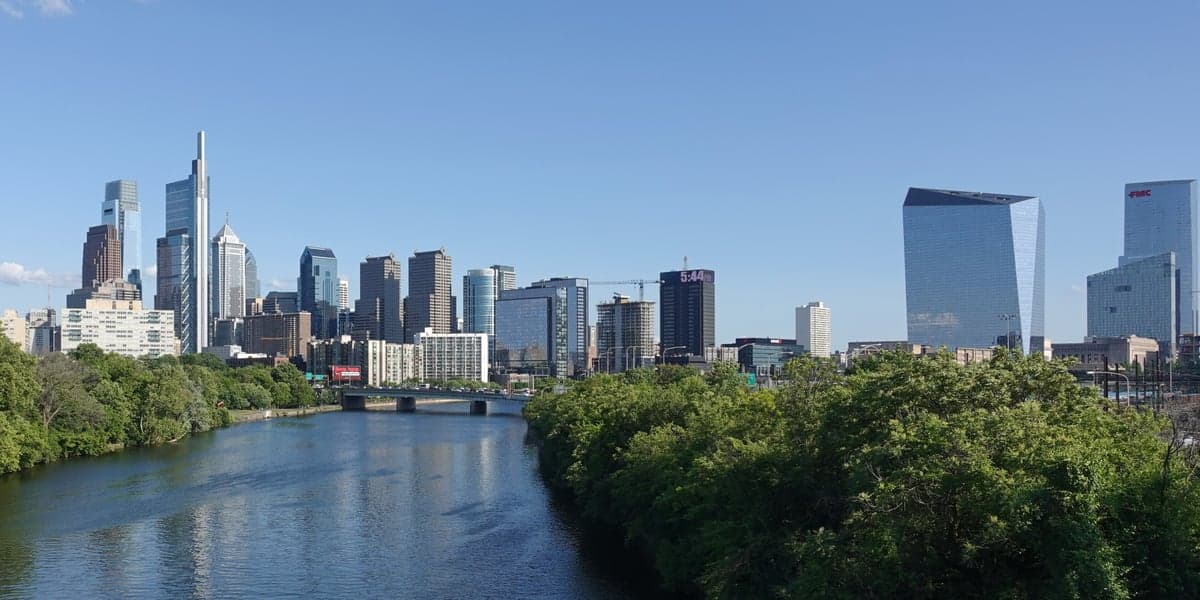
Photo: Wikipedia
Strategic Assessment of Philadelphia, PA
Multiple tactical vulnerabilities. Population density, target proximity, or disaster risk are likely compounding. A retreat property and exit planning is required.
What does the Strategic Assessment tell us?
Our Strategic Assessment grades tactical survivability of an area. Major population centers, military targets, fallout zones, natural disasters, and border exposure all drive risk — lower exposure means a more defensible position in a crisis.
This is heavily inspired by Joel Skousen's Strategic Relocation book. Highly recommended you checkout the book ($)What does this tell us?
Our Strategic Assessment grades tactical survivability of an area. Major population centers, military targets, fallout zones, natural disasters, and border exposure all drive risk — lower exposure means a more defensible position in a crisis.
This is heavily inspired by Joel Skousen's Strategic Relocation book. Highly recommended you checkout the book ($)Strategic Pillars

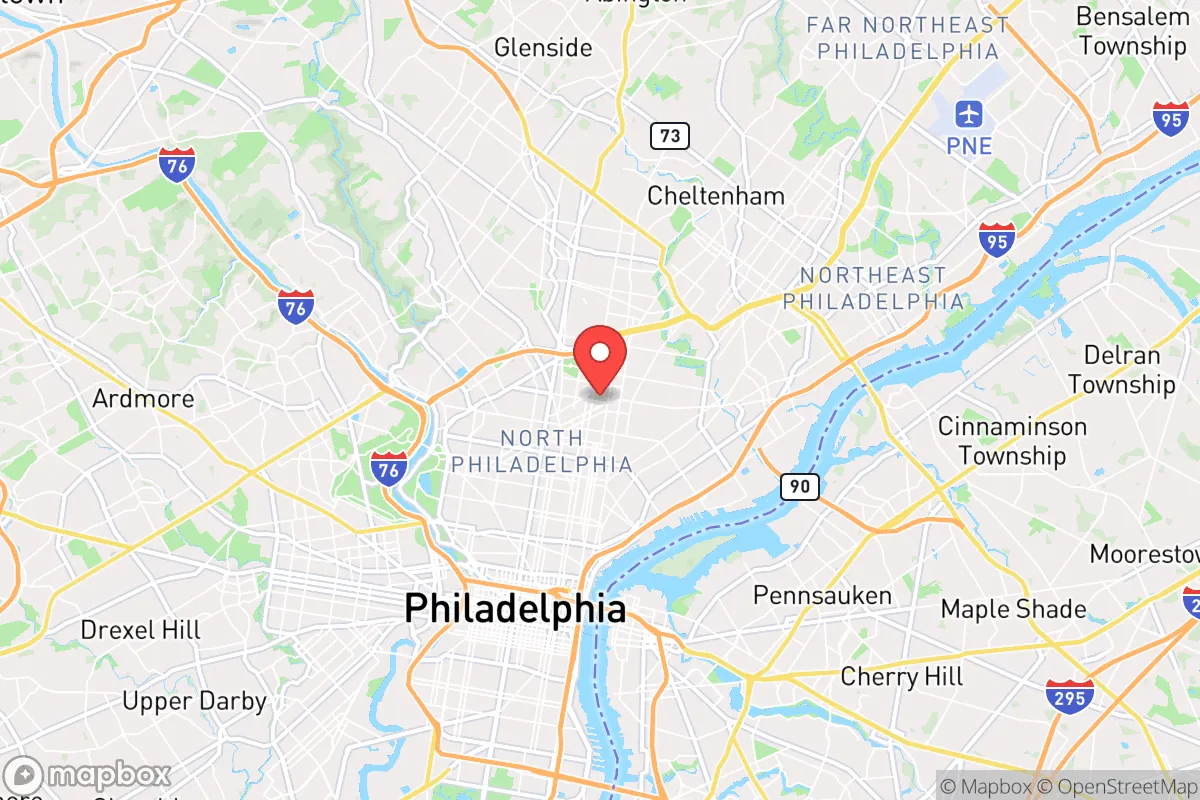
Key Distances
Regional Safe Places
Below is our recommended "safe zones" in Pennsylvania and the surrounding area based on our strategic heuristics. For most people, it's unrealistic to live in a “safe zone” full-time due to work, family or other personal reasons. They tend to be more rural. However, many of these areas are perfect for second homes and retreat properties that double as a vacation home or even a short-term rental.
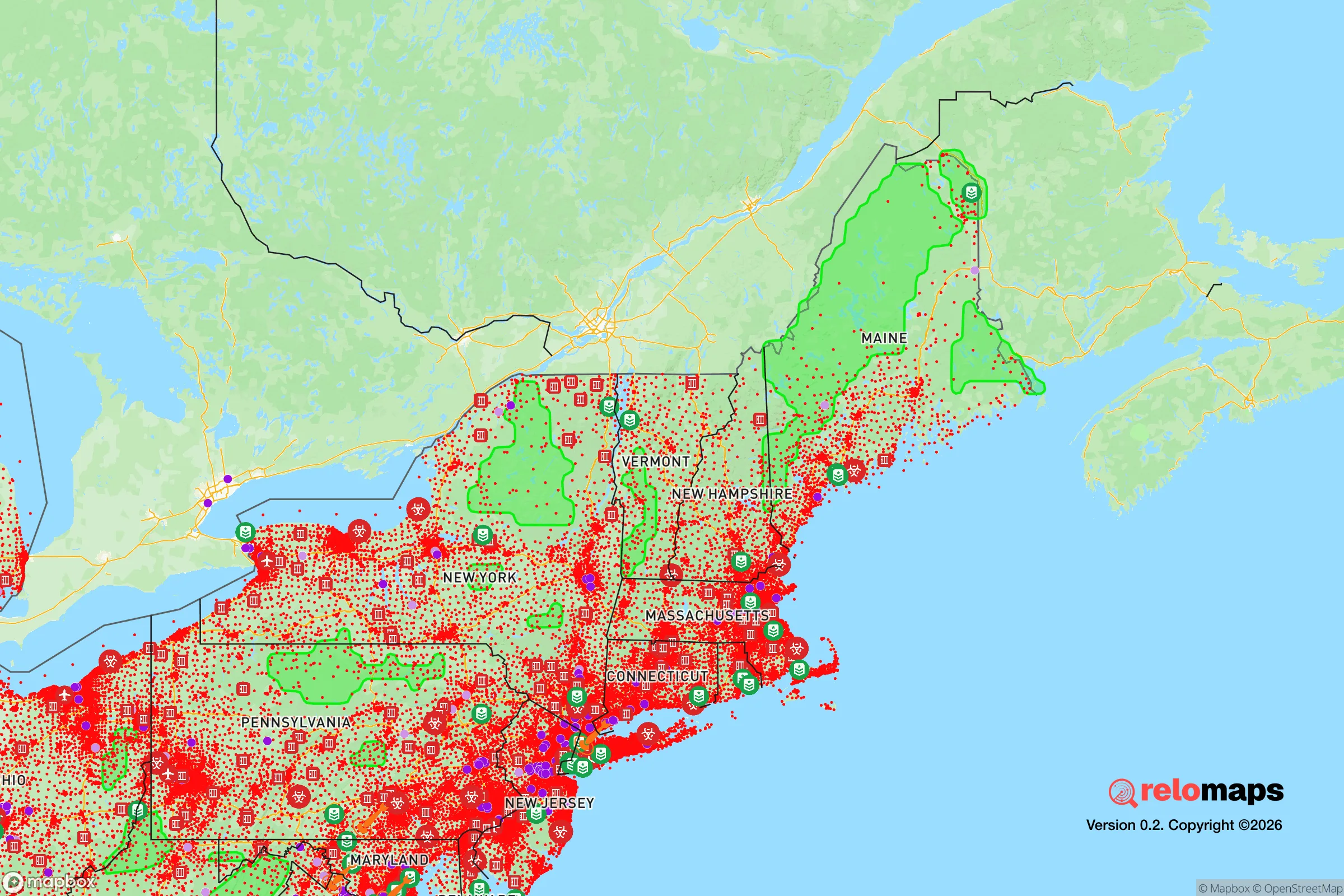
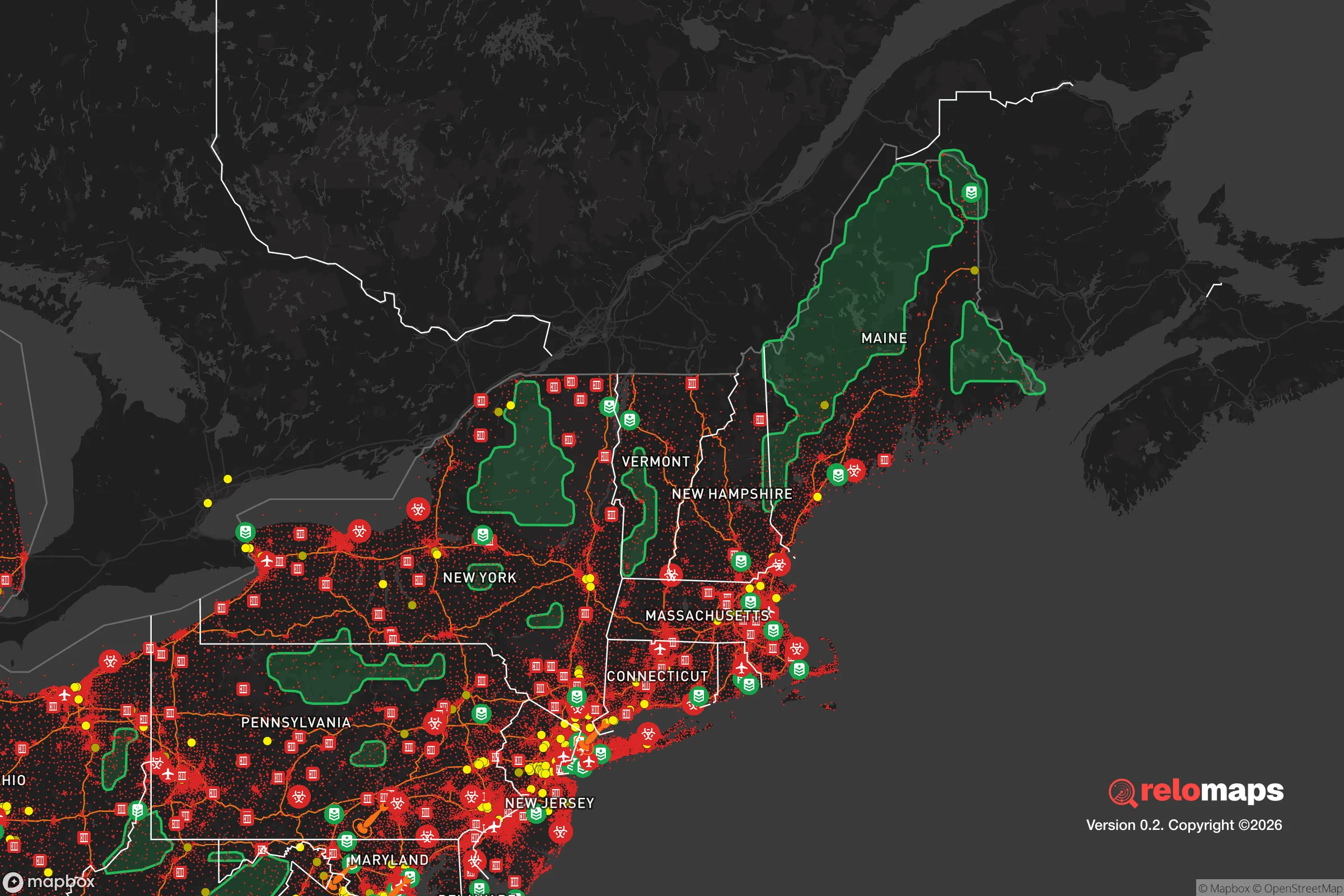


Important Note: For informational purposes only. This does not mean nothing bad ever happens in the green zones. Please use common sense. This is based on public data and modeled with AI. We tried to take a conservative approach but mistakes happen. We update this regularly as new information becomes available.
Solar Generator Recommendations
Backup power matters more here than in safer locations. We've picked three solar generators across budgets and capacity tiers — start with the budget unit if you only need a few essentials, or step up if you want to run a fridge and HVAC for days at a time.

Jackery Portable Power Station Explorer 300
Budget OptionPower on the Go: Weighing only 11 lbs, it's convenient to set up and store with book-sized foldable solar panels

BLUETTI Portable Power Station AC180
Designed for both indoor and outdoor scenarios, AC180 is highly capable as it has a robost capacity and continuous output power.

EF ECOFLOW DELTA Pro Ultra Power Station
Upgraded PickEcoFlow DELTA Pro Ultra is a whole-home energy system designed to grow with your family. Integrated with the Smart Home Panel 2, it scales to meet your evolving energy needs — keeping your home powered, intelligent, and secure through every stage of life.
We earn a commission, at no additional cost to you.
Strategic Assessment Analysis
Philadelphia sits in a precarious strategic position that demands serious consideration from anyone with a prepper or survivalist mindset. While its historic role as America’s birthplace is undeniable, the city’s modern reality is one of dense urban vulnerability, political friction with surrounding conservative counties, and proximity to multiple high-risk targets. For a relocator weighing resilience against convenience, Philadelphia offers few natural advantages and many man-made liabilities—chiefly its location within the Northeast Corridor, a prime target for both civil unrest and large-scale disruption.
Geographic position and natural advantages for long-term survival
Philadelphia’s geography is a mixed bag, but the negatives outweigh the positives for a survival-minded individual. The city sits at the confluence of the Delaware and Schuylkill Rivers, providing ample water access—a critical resource in a grid-down scenario. However, that same riverine position places it in a floodplain; the Schuylkill has a history of rapid rise during heavy rains, and the Delaware’s tidal influence can push storm surges inland. The surrounding terrain is mostly flat to gently rolling, with the Piedmont region to the northwest offering slightly higher ground and more wooded cover. The city itself is a dense urban core of roughly 1.6 million people, with the broader metro area pushing 6 million. That density is a double-edged sword: it concentrates resources (food distribution centers, hospitals, fuel depots) but also concentrates risk. In a collapse event, Philadelphia’s population would be a liability—mass evacuation routes are limited to I-95, I-76, and the Schuylkill Expressway, all of which become parking lots during any disruption. The city’s natural advantages—water, some nearby farmland in Chester and Bucks counties—are real but require a vehicle and a plan to access them, and they’re within easy reach of the urban mob.
Risks, exposures, and proximity to fallout-relevant landmarks
This is where Philadelphia’s strategic picture turns grim. The city sits within 100 miles of multiple high-value targets: the nation’s capital (Washington, D.C.) is about 140 miles southwest, New York City is 95 miles northeast, and the Philadelphia Naval Shipyard—a former military installation now hosting commercial shipbuilding and a Coast Guard base—is within city limits. The Delaware River corridor is lined with refineries, chemical plants, and the Philadelphia Energy Solutions refinery complex (though partially decommissioned, it still holds hazardous materials). In a major conflict or terrorist event, these are prime targets for conventional or asymmetric attack. Fallout patterns from a nuclear detonation in D.C. or New York would likely sweep over Philadelphia depending on wind direction, and the city’s dense infrastructure offers little shielding. Additionally, the city’s status as a major transportation hub (Amtrak’s Northeast Corridor, I-95, Philadelphia International Airport) makes it a chokepoint for both movement and disruption. For a relocator, being within a two-hour drive of two of the most likely targets in the country is a serious negative. The risk of civil unrest is also elevated: Philadelphia has a history of large-scale protests, riots, and political polarization, and its Democratic stronghold status (Biden won 81% of the city vote in 2020) means it’s a flashpoint for any national crisis. The surrounding counties—Bucks, Montgomery, Chester, Delaware—lean more conservative, but they’re still within the blast or fallout radius of any major event in the city.
Practical resilience for a relocator: food, water, energy, and defensibility
For a single individual or family looking to hunker down, Philadelphia’s practical resilience is poor. Food security is a major concern: the city relies on just-in-time delivery from regional distribution centers, and most grocery stores have less than three days of stock on hand. In a prolonged disruption, the city’s food supply would collapse quickly, and the population would be forced to rely on emergency aid or looting. Water is available from the Delaware and Schuylkill, but treatment plants are vulnerable to power loss and contamination. A prepper would need a robust filtration system (e.g., Berkey or Sawyer) and a plan to haul water from the rivers—a risky proposition in a lawless environment. Energy is equally fragile: Philadelphia’s grid is old and prone to outages, and the city’s reliance on natural gas and imported electricity means a single point of failure (like a pipeline attack or substation sabotage) could knock out power for weeks. Solar panels are an option, but the city’s dense tree cover and row-home architecture limit rooftop exposure. Defensibility is the weakest link. Philadelphia’s urban layout—tight row homes, narrow streets, and limited sightlines—makes it a nightmare for perimeter security. A single-family home in a rowhouse block is vulnerable to fire spread, forced entry, and mob violence. The city’s gun laws are among the strictest in the nation (requiring a license to carry, with a notoriously slow approval process), and law enforcement response times in a crisis would be measured in hours, not minutes. For a relocator, the best bet is to avoid the city entirely and look to the exurbs—places like Chester Springs, Pottstown, or the rural parts of Lancaster County—where land is cheaper, neighbors are more self-reliant, and the political climate aligns with conservative values. Even then, those areas are within a two-hour drive of Philadelphia, meaning they’d see refugee flows and supply chain disruptions in any major event.
The overall strategic picture for Philadelphia is one of high risk and low reward for a survival-minded relocator. The city’s geographic advantages—water access and proximity to farmland—are real but overshadowed by its density, political volatility, and proximity to high-value targets. For a conservative-leaning individual or family prioritizing self-reliance, civic stability, and defensibility, Philadelphia is a hard pass. The surrounding counties offer some buffer, but they’re still within the blast radius of the city’s problems. If you’re set on the region, look west to Lancaster or north to the Poconos, where you can trade urban convenience for actual resilience. But if you’re serious about prepping, skip the entire Northeast Corridor and head to the interior—places like rural Ohio, Tennessee, or the Upper Midwest offer better land, lower population density, and fewer targets. Philadelphia is a city of history, but in a collapse scenario, history won’t keep you alive.

* Values derived from national, state, county, city and local statistics and may differ in a specific area. Last updated: 2026-05-01T21:36:02.000Z
Narrative content on this page is AI-generated and may contain mistakes. Verify any details that matter before acting on them.
ReloMaps may earn a commission from affiliate links at no extra cost to you.

