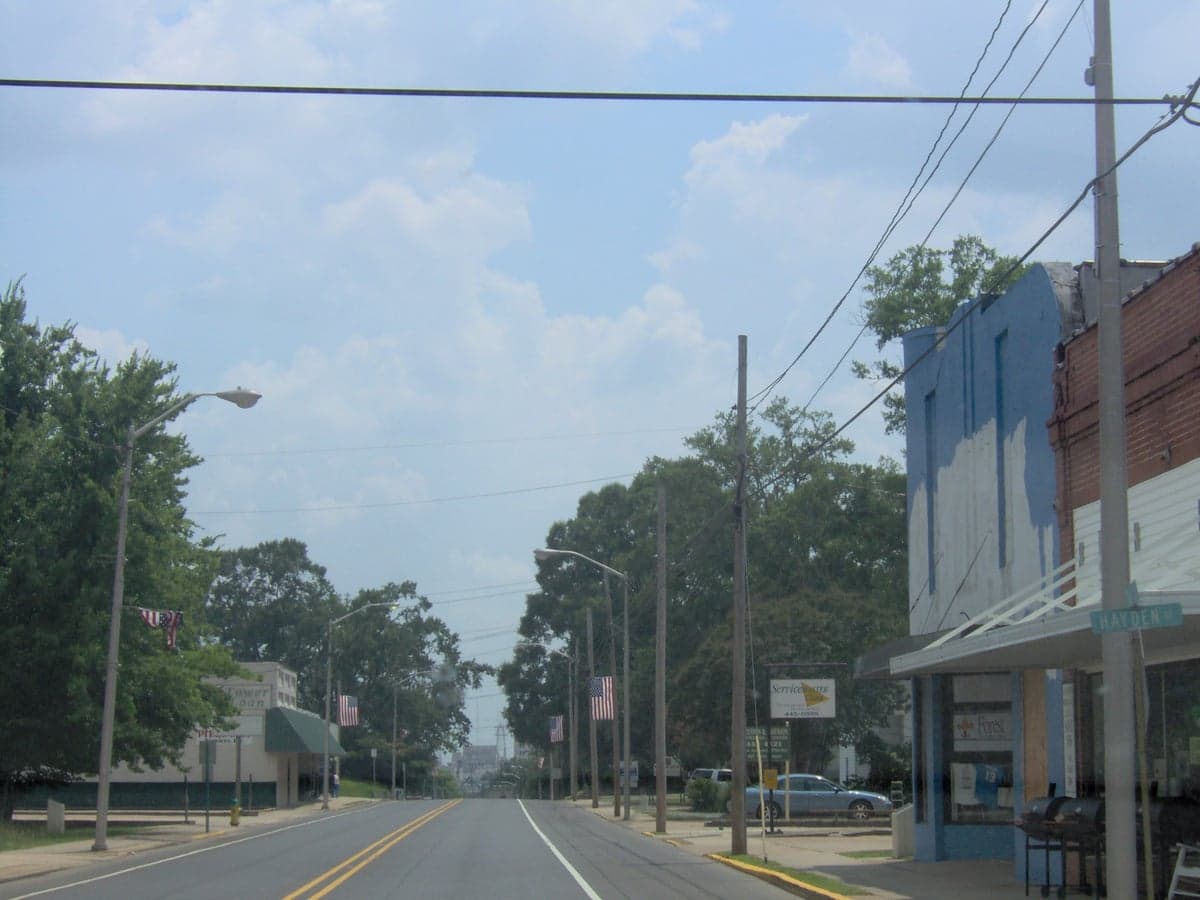
Photo: Wikipedia
Political ClimatePolitical Climate in Pineville, LA
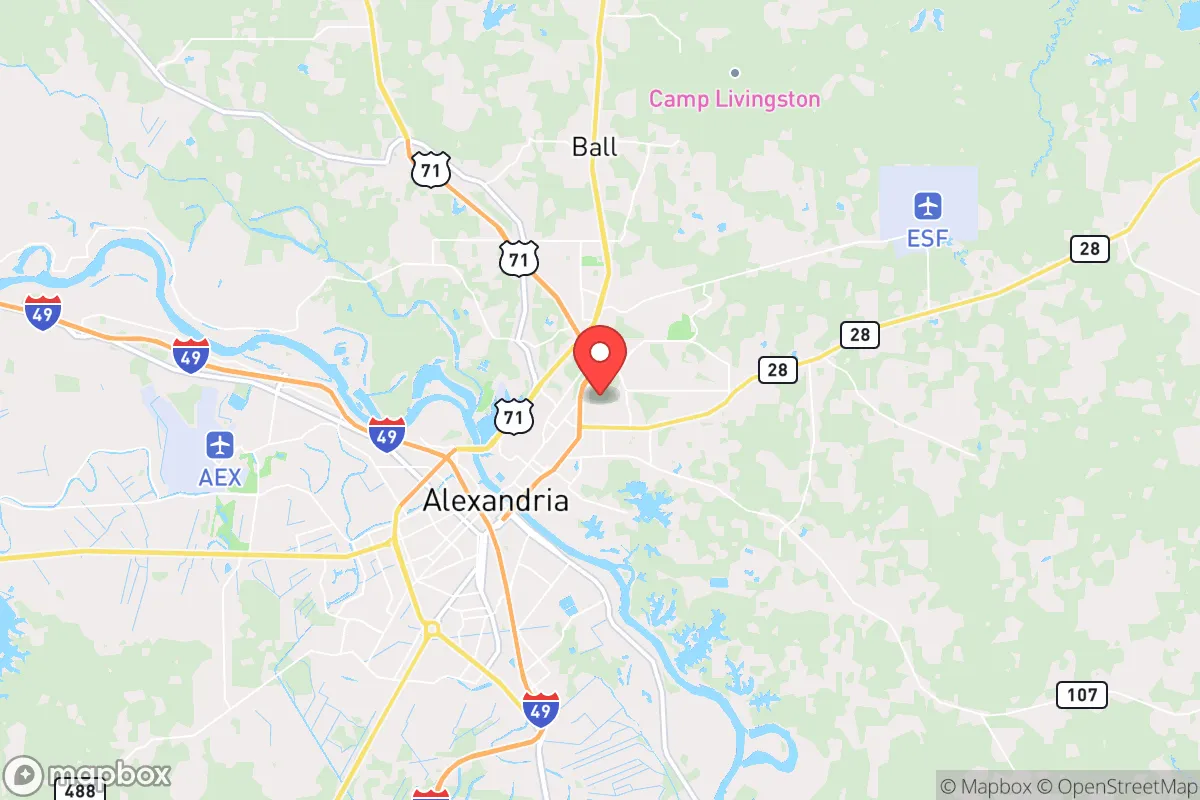
District shown is the primary district for this city’s centroid. Cities may span multiple districts.
Local Political AnalysisPolitical Analysis of Pineville, LA
Pineville, Louisiana, has long been a quiet, family-oriented community where folks value their privacy and their right to live life without a bunch of unnecessary interference. While the Cook Political Report gives the area a D+8 rating, that number doesn’t tell the whole story of a place that’s historically leaned conservative, especially compared to its more progressive neighbor across the Red River, Alexandria. In recent years, you’ve seen a slow but noticeable shift in local elections and policy debates, with some pushing for more government involvement in everything from land use to school curriculum. It’s a trend that has a lot of long-time residents worried about where things are headed, and frankly, it’s not the Pineville most of us grew up in.
How it compares
Drive ten minutes east to Alexandria, and you’ll find a city that’s embraced a more progressive agenda, with higher taxes and a bigger city government footprint. Pineville, by contrast, has traditionally been the place where people moved to get away from that kind of overreach. Surrounding towns like Ball and Tioga still hold onto that independent, small-town feel, but even there, you’re starting to see the same pressures—zoning changes that feel like they’re designed to control rather than protect, and school board meetings that get bogged down in national culture wars instead of local education. The D+8 rating masks a real divide: the rural areas around Pineville vote solidly red, while the city itself has become a battleground where every election feels like a fight to keep government out of your backyard.
What this means for residents
For the average family in Pineville, this political drift means you can’t take your freedoms for granted anymore. We’re seeing more ordinances that nibble at property rights—like restrictions on what you can build on your own land or how you can run a small business from home. There’s also a growing push to bring in policies from bigger cities, like stricter noise ordinances and even talk of rental registration, which sounds like a foot in the door for more control. If you’re someone who values the ability to live your life without a permit for everything, you’re going to want to keep a close eye on city council meetings and local elections. The good news is that the community still has a strong conservative backbone, and there are plenty of folks who remember when Pineville was a place where you could do what you wanted as long as you weren’t hurting anyone else.
One thing that sets Pineville apart is its deep connection to the military and veteran community, thanks to the nearby Louisiana National Guard base and the VA hospital. That tends to keep a certain no-nonsense, patriotic attitude alive, even as other parts of the state go in a different direction. Culturally, you’ll still find more churches than coffee shops, and the local festivals and parades are about family and tradition, not political statements. But the long-term trend is concerning: if the progressive influence from Alexandria and Baton Rouge keeps creeping in, Pineville could lose the very character that makes it a great place to raise a family. It’s not a crisis yet, but it’s something every resident should be paying attention to, because once those freedoms are gone, they’re hard to get back.

State Political ClimatePolitical Climate in Louisiana
State Political AnalysisPolitical Environment in the State
Louisiana has long been a reliably conservative state in federal elections, voting Republican in every presidential contest since 2000, but its political landscape is far more nuanced than a simple red-state label suggests. The state’s dominant coalition is a mix of culturally conservative Cajun and Protestant voters, fiscally moderate-to-conservative suburbanites, and a significant, politically active African American electorate that reliably votes Democratic. Over the past 20 years, the state has shifted from a competitive purple state—where Democrats held many state and local offices—to a solidly Republican stronghold, driven by the realignment of white working-class voters and the exodus of moderate Democrats from the party. However, the state’s unique blend of populism, libertarian streaks, and deep-seated distrust of centralized authority means the political climate is often more about individual freedom and local control than strict party-line ideology.
Urban vs. rural divide
The political map of Louisiana is a classic tale of urban islands surrounded by a deep-red rural sea. The major metro areas—New Orleans, Baton Rouge, and Lafayette—are the primary Democratic strongholds, but even they are not monolithic. New Orleans is overwhelmingly Democratic, with Orleans Parish consistently delivering 80%+ of its vote to Democratic presidential candidates. Baton Rouge is more of a battleground; East Baton Rouge Parish has trended Democratic in recent cycles, but the city’s suburban parishes—Livingston, Ascension, and Tangipahoa—are among the most Republican in the state. Lafayette, the heart of Cajun country, leans Republican but has a sizable Democratic minority, especially among African American voters. The rural areas—places like Alexandria, Monroe, and the Florida Parishes—are deeply conservative, with many parishes voting 70-80% Republican. The divide is stark: the I-10 corridor from Baton Rouge to the Texas line is a mix of red and purple, while the northern half of the state, from Shreveport to the Mississippi border, is solidly red, with the exception of majority-Black parishes like Caddo (Shreveport) and Ouachita (Monroe).
Policy environment
Louisiana’s policy environment is a mixed bag for conservatives. On the plus side, the state has no state income tax on corporate income and a relatively low personal income tax rate (capped at 4.25% as of 2025), making it attractive for business. The regulatory posture is generally business-friendly, with a right-to-work law and weak union influence outside of the petrochemical industry. However, the state’s tax structure is heavily reliant on sales taxes, which can be regressive, and property taxes are among the lowest in the nation, which appeals to homeowners. Education policy is a battleground: Louisiana has a robust school choice program, including the Louisiana Scholarship Program and charter schools, but the state’s public school system consistently ranks near the bottom nationally. Healthcare is a sore spot—the state expanded Medicaid under the Affordable Care Act in 2016, a decision that many conservatives opposed, and the system remains underfunded. Election laws are relatively secure: Louisiana requires a photo ID to vote, has no-excuse absentee voting, and conducts all elections on Saturdays, which is unique and generally seen as voter-friendly. The state has not adopted widespread mail-in voting, which many conservatives view as a safeguard against fraud.
Trajectory & freedom
Louisiana’s trajectory on personal freedom is a mixed but generally positive trend for conservatives. The state has become more free in several key areas over the past decade. In 2021, Louisiana passed a constitutional carry law (Act 123), allowing law-abiding citizens to carry a concealed firearm without a permit—a major win for gun rights. The state also enacted a near-total abortion ban in 2022 (trigger law) with no exceptions for rape or incest, aligning with pro-life values. On parental rights, Louisiana passed the “Parental Bill of Rights” (Act 466) in 2023, affirming parents’ authority over their children’s education and medical decisions. However, there are concerning trends. The state’s high incarceration rate (the highest in the nation) and its use of civil asset forfeiture without a criminal conviction raise red flags for property rights advocates. Additionally, the state’s COVID-19 response was heavy-handed in some areas—New Orleans and Baton Rouge imposed mask mandates and business closures that many conservatives viewed as government overreach. The state has also resisted medical freedom initiatives, such as allowing pharmacists to prescribe ivermectin or hydroxychloroquine without a doctor’s prescription. On taxation, the state’s reliance on sales taxes means that as inflation rises, the tax burden on consumers increases without legislative action—a stealth tax hike that frustrates fiscal conservatives.
Civil unrest & political movements
Louisiana has a history of civil unrest, but recent years have been relatively calm compared to other states. The most visible flashpoint was the 2016 “Alton Sterling” protests in Baton Rouge, which led to the killing of three police officers and a national debate on policing. Since then, the state has seen sporadic protests over racial justice, but they have not reached the scale of cities like Portland or Seattle. On the right, the “Cajun Navy” and other grassroots groups have mobilized around disaster relief and, more recently, election integrity. There is a strong secessionist undercurrent in some rural areas, but it remains fringe. Immigration politics are less heated than in border states, but the influx of migrants from Central America has sparked local debates in towns like Lake Charles and Houma, where immigrant labor is common in the seafood and construction industries. Louisiana has no sanctuary cities, and local law enforcement generally cooperates with federal immigration authorities. Election integrity controversies have been minimal, though the 2020 election saw some localized disputes over absentee ballot processing in Orleans Parish. Overall, the political climate is less volatile than in many states, but the underlying tensions between urban progressivism and rural conservatism are ever-present.
Projection
Over the next 5-10 years, Louisiana is likely to become more Republican and more conservative, but with significant caveats. The state’s population is aging and slowly declining, with out-migration of young, educated professionals to Texas and other Sun Belt states. This demographic shift is likely to make the state even redder, as the remaining population is older, whiter, and more rural. However, the growth of the petrochemical industry along the Mississippi River and the expansion of the Port of New Orleans could bring in new residents, many of whom may be more moderate. The biggest wildcard is the impact of climate change—coastal erosion and hurricane risk are driving people away from parishes like Plaquemines and Terrebonne, which could reshape the political map. On policy, expect continued battles over education (school choice vs. public school funding), healthcare (Medicaid expansion vs. privatization), and taxes (income tax cuts vs. sales tax increases). The state’s libertarian streak will likely push for further gun rights expansions and property rights protections, but the heavy hand of the state in areas like incarceration and civil forfeiture is unlikely to change without a major reform movement. For a conservative moving in now, the state will feel familiar—culturally conservative, low-tax, and gun-friendly—but with a persistent undercurrent of government inefficiency and cronyism that can be frustrating.
For a new resident, the bottom line is this: Louisiana offers a low cost of living, a strong sense of community, and a political environment that generally respects individual freedoms, especially on guns and parental rights. However, the state’s high crime rates, poor public schools, and reliance on sales taxes mean you’ll need to be proactive about your own safety, education choices, and financial planning. If you value local control and a slower pace of life, you’ll fit right in. If you’re expecting a libertarian paradise or a small-government utopia, you’ll be disappointed—Louisiana is conservative, but it’s also a state where government has a long history of picking winners and losers. Come for the culture, the food, and the freedom; stay for the community, but keep your eyes open.
* Values derived from national, state, county, city and local statistics and may differ in a specific area. Last updated: 2026-05-01T10:41:48.000Z
Narrative content on this page is AI-generated and may contain mistakes. Verify any details that matter before acting on them.
ReloMaps may earn a commission from affiliate links at no extra cost to you.

