
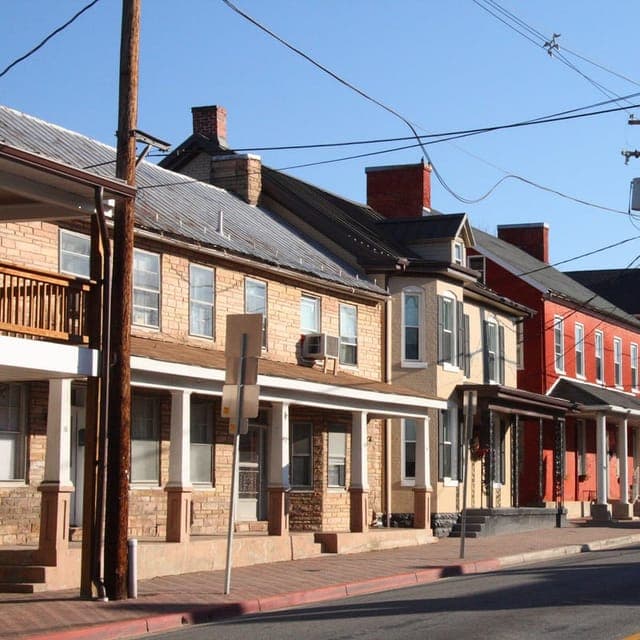
Photo by Nils Huenerfuerst on Unsplash
Find The Best Places To Live
in Pleasant Valley
PRO TIP! You can paste a Zillow or Redfin link to get info on that property.
What It's Like Living in Pleasant Valley, WV
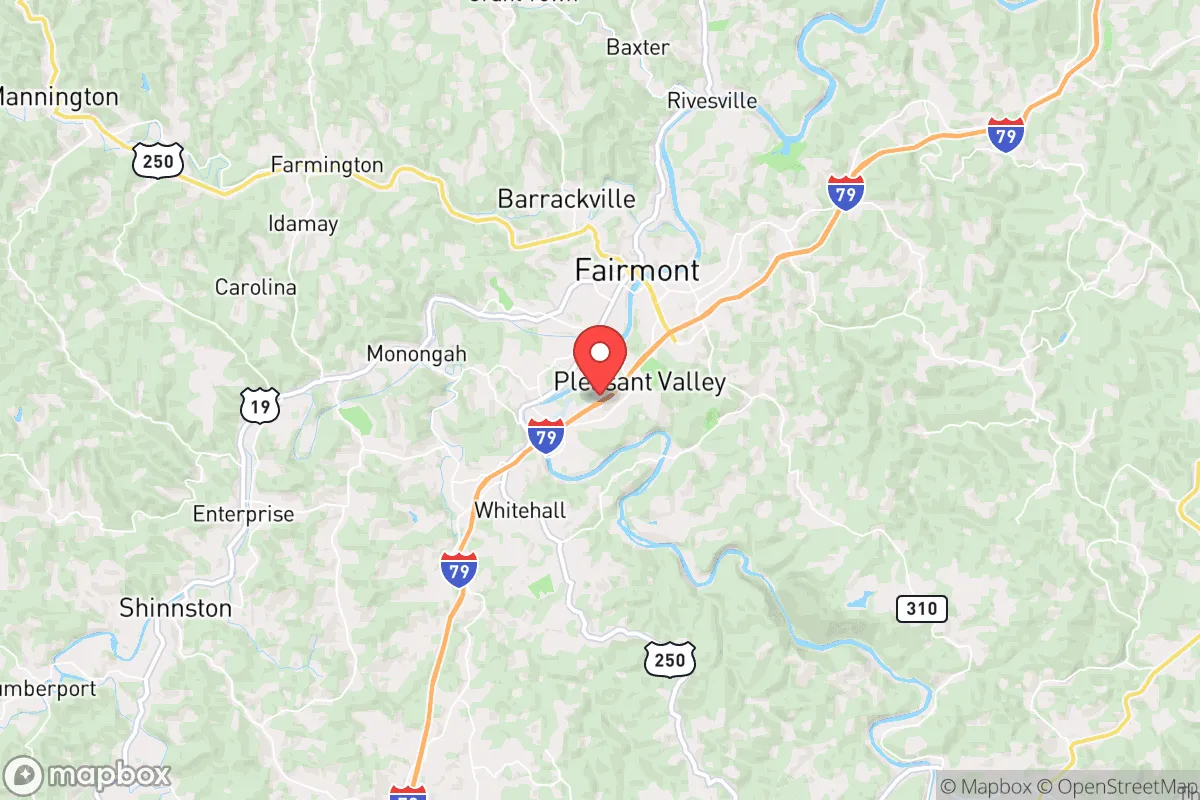
Pleasant Valley, West Virginia, feels like a small town that grew up just enough to have its own identity without losing the quiet, neighborly rhythm that defines life in this part of the Mountain State. With just over 3,400 residents, it sits in Marion County, close enough to Fairmont and Morgantown to borrow their amenities but far enough to keep a slower pace. The kind of place where people wave from their porches and the high school football game on Friday night is still the biggest event of the week.
Daily Rhythm and Who Fits In
Life here moves at a deliberate, unhurried pace. Most residents work in healthcare, education, or the energy sector—Morgantown’s WVU Medicine and the nearby mining and natural gas operations are the biggest employers. The average commute is just over 20 minutes, which means people actually have time for dinner with their families or a quick stop at the local Sheetz without feeling rushed. The median household income sits at $58,456, which goes further here than in most places thanks to a cost of living index of 79—well below the national average. That $208,500 median home value buys a solid three-bedroom house with a yard, something that would cost twice as much in many parts of the country.
This is a place that suits people who want roots. The median age is 39.8, and you’ll find a mix of young families, empty-nesters, and folks who grew up here and never left. About 35% of adults hold a college degree, so there’s a solid professional class, but the vibe is more blue-collar sensible than white-collar polished. If you’re a single person, you’ll find the social scene revolves around church groups, community events, and the occasional bar in Fairmont—it’s not a singles destination, but it’s a safe, affordable base for someone who works in Morgantown or Clarksburg.
Sports, Community, and What People Actually Do
High school sports are the cultural glue here. East Fairmont High School’s football and basketball games draw crowds that include grandparents, former players, and families who’ve lived in the area for generations. The rivalry with Fairmont Senior is genuine and intense—expect packed bleachers and a lot of friendly trash talk at the local diner the next morning. For college sports, West Virginia University in Morgantown is a 25-minute drive, and Mountaineer football Saturdays turn the whole region into a sea of gold and blue. Tailgating at Milan Puskar Stadium is a rite of passage for many locals.
Weekends are spent outdoors when the weather cooperates. The Monongahela River runs through the county, offering kayaking and fishing, and the nearby Pricketts Fort State Park has hiking trails and a reconstructed 18th-century fort that hosts living history events. In town, the Pleasant Valley Community Park has walking paths, a playground, and picnic shelters—nothing fancy, but it’s where kids learn to ride bikes and neighbors catch up. For a night out, people head to Fairmont’s Main Street for places like the Tygart Valley Brewing Company or the classic Joe’s Pizza. The annual Marion County Fair in July is a highlight, with carnival rides, livestock shows, and enough fried food to last the year.
Pros and Cons of Living Here
What longtime residents love: The affordability is the biggest draw. A cost of living index of 79 means your paycheck stretches further than it would in almost any metro area. The sense of safety is real—the violent crime rate of 220 per 100,000 is below the national average, and most people don’t lock their doors during the day. The community is genuinely neighborly; if your car breaks down, someone will stop to help. The four-season climate gives you real winters with occasional snow, vibrant autumns, and summers warm enough for swimming holes without the oppressive humidity of the Deep South.
What frustrates people: Job options outside of healthcare, education, and energy are limited. If you’re not in those fields, you’re likely commuting to Morgantown or Clarksburg. The nightlife is sparse—if you want live music or a late-night bar scene, you’re driving 30 minutes or more. The weather can be a drag in winter, with gray skies and occasional ice storms that shut down roads. And while the schools are decent, they’re not a major draw for outsiders; families who prioritize top-tier academics often look toward Morgantown or private options.
A cultural quirk worth noting: People here are proud of their West Virginia identity in a way that can feel almost defiant. You’ll hear “almost heaven” said without irony, and there’s a strong distrust of outsiders who move in and complain about the lack of chain restaurants or high-speed internet. If you’re moving here, the fastest way to fit in is to show up at a community event, introduce yourself, and ask questions instead of offering opinions.

Similar small towns to Pleasant Valley
* Values derived from national, state, county, city and local statistics and may differ in a specific area. Last updated: 2026-04-23T05:44:32.000Z
Narrative content on this page is AI-generated and may contain mistakes. Verify any details that matter before acting on them.
ReloMaps may earn a commission from affiliate links at no extra cost to you.

