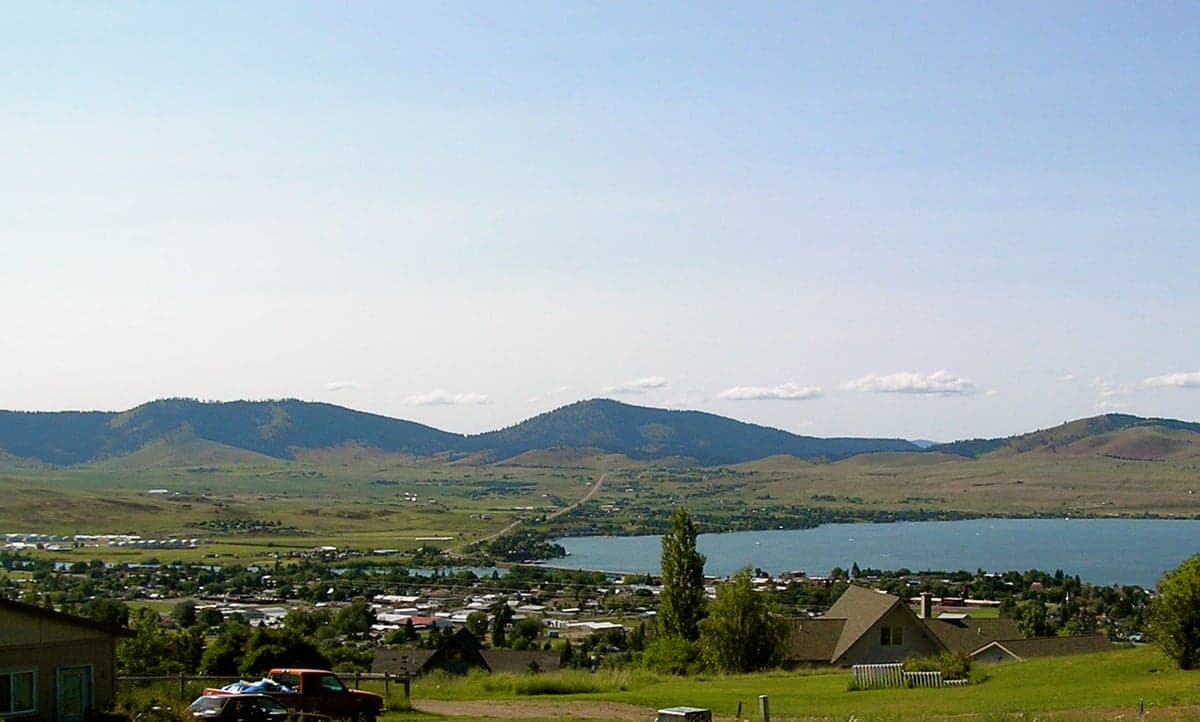
Photo: Wikipedia
Political ClimatePolitical Climate in Polson, MT
District shown is the primary district for this city’s centroid. Cities may span multiple districts.
Local Political AnalysisPolitical Analysis of Polson, MT
Polson, Montana, leans reliably conservative, with a Cook PVI of R+5 that reflects a community where traditional values and personal freedoms are deeply ingrained. The local political climate has historically been one of rugged independence, but like many small towns in the West, it’s seeing some subtle shifts that long-time residents are watching closely. The area’s voting patterns have held steady for decades, though the influx of new arrivals from more progressive states is beginning to stir the pot in ways that feel a little uncomfortable to those of us who remember when politics here was more about neighborly trust than party lines.
How it compares
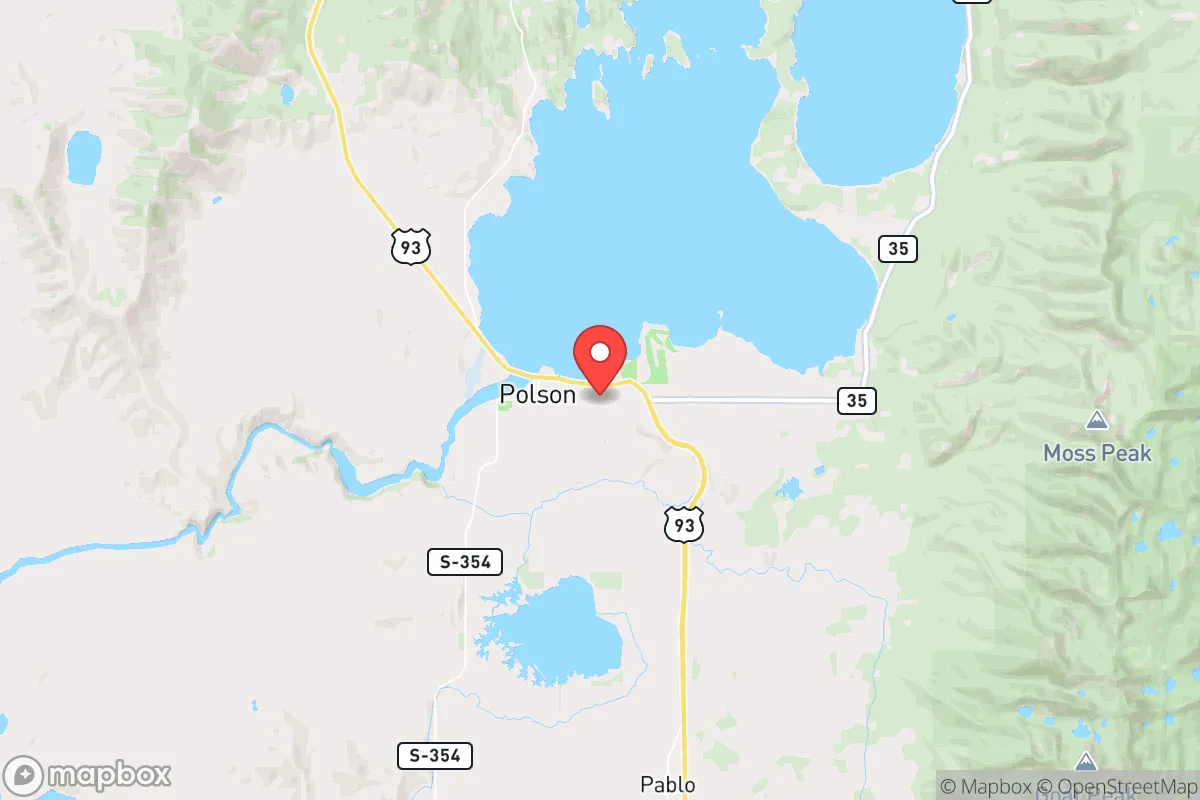
Polson sits in Lake County, which is a bit of a mixed bag compared to the surrounding areas. Head south to Missoula, and you’re in a deep-blue college town where progressive policies on land use and taxes are the norm—a stark contrast to Polson’s hands-off, local-control ethos. Drive east to Kalispell or up to Whitefish, and you’ll find a more reliably conservative base, though Whitefish has its own pockets of coastal transplants pushing for higher density and stricter regulations. Polson itself remains a bastion of common-sense governance, but the county’s growing population is bringing in folks who don’t always understand why we value our privacy and low taxes so much. The R+5 rating tells you we’re not a ruby-red stronghold like some eastern Montana counties, but we’re still solidly in the conservative camp—for now.
What this means for residents
For those of us who’ve lived here a while, the political climate means we can still enjoy a relatively light touch from government. Property taxes are manageable, zoning is minimal, and there’s a general expectation that you mind your own business. But the creeping influence of state-level mandates and federal overreach is a real concern. Recent pushes for more stringent environmental regulations on the lake and housing density requirements feel like they’re coming from people who don’t live here and don’t understand our way of life. The local school board and county commission races are where the rubber meets the road—these are the folks who decide how much government gets to interfere in your daily life. If you value your right to build a shed without a permit or hunt on your own land without a dozen new rules, you’ll want to keep an eye on who’s running.
Cultural and policy distinctions
One thing that sets Polson apart is the strong Native American presence, with the Confederated Salish and Kootenai Tribes holding significant influence over land use and resource management on the Flathead Reservation. This adds a unique layer to local politics—tribal sovereignty means there’s a whole other level of government you have to navigate, and it can sometimes clash with county or state authority. For example, the tribe’s stance on water rights and development can feel like an extra layer of bureaucracy that a small-town conservative might find frustrating. Still, most long-time residents have learned to work with it, respecting the tribe’s autonomy while pushing back when it feels like overreach. The real worry for the future is whether the steady trickle of out-of-state money and people will tip the balance toward the kind of progressive policies that have turned places like Bozeman into a traffic-choked, over-regulated mess. For now, Polson holds the line, but it takes active participation to keep it that way.

State Political ClimatePolitical Climate in Montana
State Political AnalysisPolitical Environment in the State
Montana has long been a reliably Republican state in presidential elections, voting for the GOP candidate in every contest since 1968 except for Bill Clinton’s 1992 win. However, the state’s political landscape is more nuanced than its red-state label suggests, with a strong libertarian streak and a growing progressive presence in its western mountain towns. Over the past 10-20 years, the dominant coalition has shifted from a traditional, ranching-and-mining conservatism toward a more populist, freedom-focused Republicanism, driven by an influx of out-of-state transplants and a backlash against federal overreach. The state’s overall partisan lean remains solidly Republican, but the margins are tightening in key areas, making it a fascinating case study for anyone considering a move here.
Urban vs. rural divide
The political map of Montana is a classic tale of two Montanas. The eastern two-thirds of the state, dominated by agriculture and energy extraction, is deeply conservative. Counties like McCone, Garfield, and Petroleum routinely deliver 80-90% of their votes to Republican candidates. The western third, particularly the mountainous regions, is where the action is. Missoula County is the state’s progressive stronghold, consistently voting Democratic by double digits, driven by the University of Montana and a growing tech and outdoor recreation economy. Gallatin County, home to Bozeman, has been the most dramatic battleground. Once a reliably red county, it flipped to Biden in 2020 by a narrow margin, fueled by an influx of wealthy, left-leaning Californians and Coloradans. Flathead County (Kalispell, Whitefish) remains a Republican bastion, but Whitefish itself has become a liberal enclave, creating a sharp urban-rural split within the county. Yellowstone County (Billings) is the state’s largest population center and leans Republican, but its suburbs like Lockwood and Laurel are more conservative than the city core. The divide is not just about geography; it’s about lifestyle. The rural areas value self-reliance, property rights, and minimal government, while the urban centers are increasingly embracing progressive policies on climate, housing, and social issues.
Policy environment
Montana’s policy environment is a mixed bag for a conservative-leaning resident. On the plus side, the state has no sales tax, a flat income tax of 5.9% (recently reduced from 6.75%), and a strong property rights tradition. The 2021 Legislature passed a landmark “right to try” law for experimental treatments and expanded school choice through charter schools and education savings accounts. The state’s constitutional carry law (no permit needed to carry a concealed firearm) is a major draw for Second Amendment advocates. However, the state has also seen some concerning trends. The 2023 Legislature passed a comprehensive data privacy law that, while well-intentioned, creates new regulatory burdens on small businesses. The Montana Environmental Policy Act (MEPA) has been used by activist groups to block energy and mining projects, a source of frustration for those who value economic development. On education, the state has resisted critical race theory and gender ideology in schools, but the fight is ongoing, with local school boards in places like Bozeman and Missoula becoming battlegrounds. Election integrity is a hot topic; the state has voter ID laws and same-day voter registration, which some see as a compromise between security and access. Overall, the policy environment is more free than many states, but the encroachment of progressive ideas is a real concern.
Trajectory & freedom
The trajectory of freedom in Montana is a tug-of-war. On one hand, recent legislation has expanded personal liberty. The 2021 Montana Firearms Freedom Act reaffirmed the state’s commitment to gun rights, and the Parental Rights in Education Act (2023) requires schools to notify parents of any curriculum involving sexuality or gender identity. The Medical Freedom Act (2021) prohibits employers from mandating COVID-19 vaccines. These are wins for individual sovereignty. On the other hand, the state has seen a worrying expansion of government power. The Montana Department of Public Health and Human Services has been aggressive in enforcing mask mandates and vaccine requirements in the past, though those have largely subsided. The growth of the state budget under Republican governors has been a point of contention; spending has increased faster than inflation, leading to concerns about fiscal conservatism. The property tax reappraisal in 2023 caused massive spikes in valuations, particularly in high-growth areas like Gallatin County, leading to a grassroots backlash. The “right to roam” debate is also heating up, with landowners fighting against increased public access to private land. The trend is clear: Montana is still a free state, but the freedom is under constant pressure from both federal mandates and local progressive activism.
Civil unrest & political movements
Montana is not known for widespread civil unrest, but there have been notable flashpoints. The 2020 Black Lives Matter protests in Missoula and Bozeman were relatively small but sparked a strong counter-movement, with the Montana Freedom Caucus emerging as a powerful force in the state legislature. The “Yellowstone County” area saw a significant “Stop the Steal” rally in 2020, reflecting deep concerns about election integrity. The immigration debate is less visible here than in border states, but the sanctuary city movement has been rejected by every major city, including Missoula. The “nullification” rhetoric is strong, with several counties passing resolutions asserting local control over federal lands and gun laws. The Montana Land Alliance is a powerful activist group fighting against federal land grabs and environmental regulations. The most visible flashpoint for a new resident would be the local school board meetings, which have become heated over curriculum, library books, and transgender policies. The political temperature is high, but it’s a healthy, engaged kind of tension, not the kind that leads to violence.
Projection
Looking 5-10 years out, Montana is at a crossroads. The in-migration from California, Washington, and Oregon shows no signs of slowing, and these newcomers tend to be more progressive, especially in the western counties. This will likely turn Gallatin County (Bozeman) permanently blue, and Missoula County will become even more so. The rural eastern counties will remain deeply red, but their population is shrinking, reducing their political clout. The state legislature will likely remain Republican-controlled, but the margin will narrow, leading to more moderate compromises. The biggest threat to freedom is the potential for a state income tax increase or a sales tax to fund growing infrastructure needs. The housing crisis in Bozeman and Missoula will force government intervention, likely in the form of zoning changes that could infringe on property rights. The federal lands debate will intensify, with the state pushing for more local control. For someone moving in now, expect a state that is still fundamentally free, but where the battle for that freedom is constant and requires active participation.
Bottom line for a new resident: Montana offers a high degree of personal freedom, low taxes, and a strong sense of community, especially in rural areas. But the political winds are shifting. If you value limited government, gun rights, and local control, you’ll find plenty of allies here. But you’ll also need to be engaged, because the progressive wave is real, and it’s washing into the valleys. Choose your county wisely—Flathead County (Kalispell) or Yellowstone County (Billings) offer a more stable conservative environment, while Gallatin County is a battleground. The state is still worth the move, but don’t expect it to stay exactly as it is today. The fight for Montana’s soul is just getting started.
* Values derived from national, state, county, city and local statistics and may differ in a specific area. Last updated: 2026-04-29T23:39:16.000Z
Narrative content on this page is AI-generated and may contain mistakes. Verify any details that matter before acting on them.
ReloMaps may earn a commission from affiliate links at no extra cost to you.

