 Popular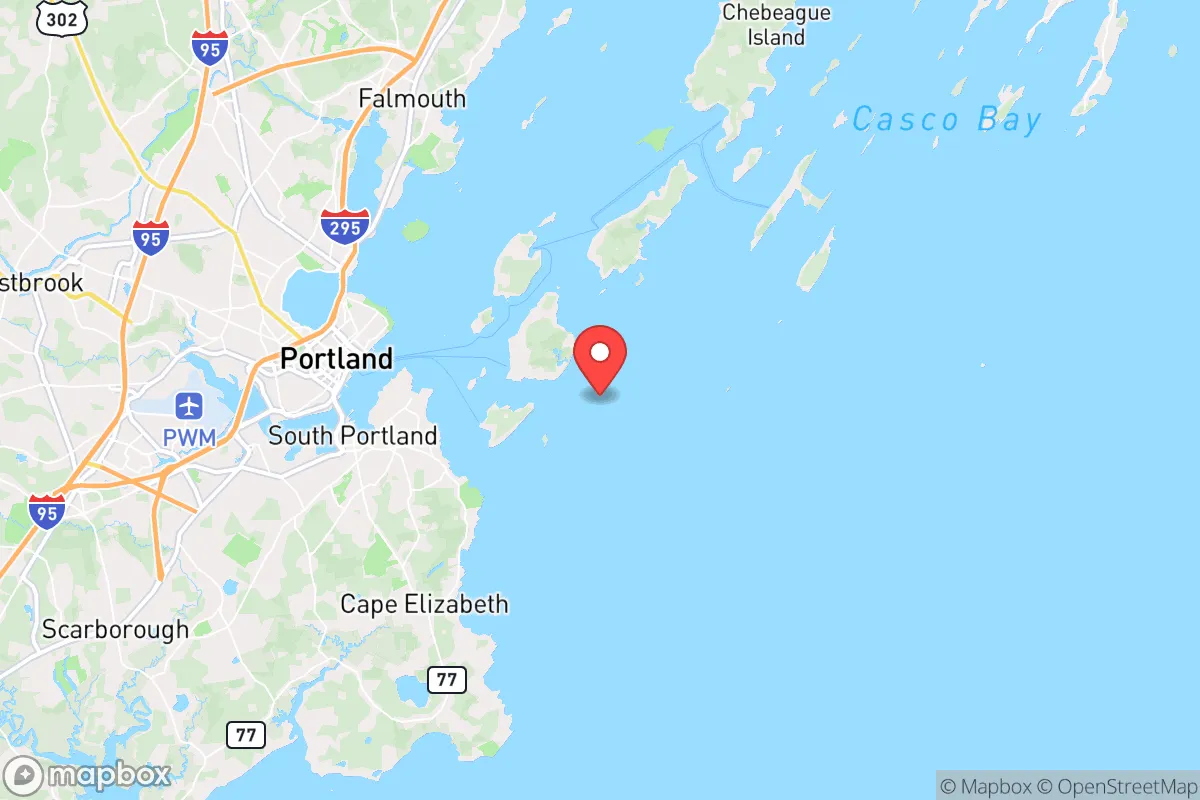

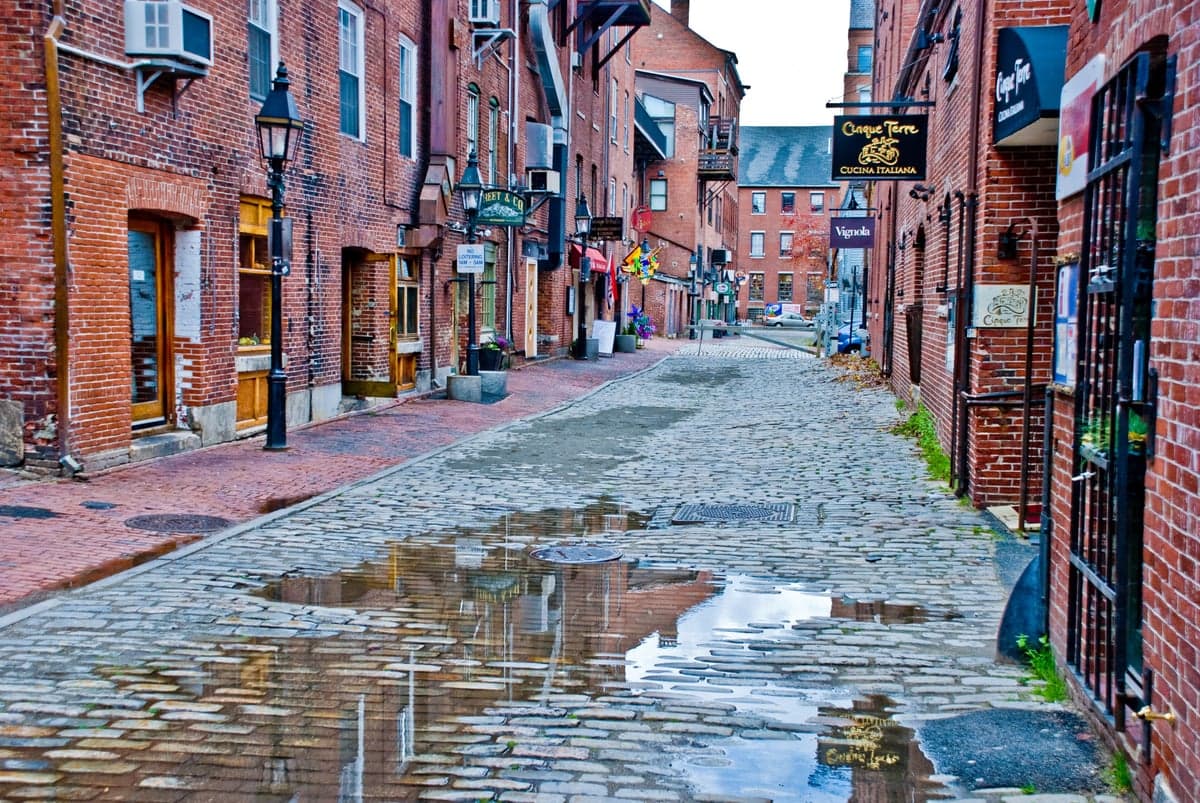
Photo: Wikipedia
Quality of Life in Portland, ME
A high quality of life with strong walkability, manageable living costs, healthy neighborhood signals, and solid amenity access.
What does Quality of Life tell us?
Quality of Life blends cost of living, nearby amenities, socioeconomic signals, and neighborhood character. City-level scores represent the whole municipality; individual neighborhoods can differ.
What does this tell us?
Quality of Life blends cost of living, nearby amenities, socioeconomic signals, and neighborhood character. City-level scores represent the whole municipality; individual neighborhoods can differ.
Cost of Living
41% above national average
The Real Cost of Living in Portland, ME for 2026
| Tier | Individual | Family (4) |
|---|---|---|
| Survival | $24k | $45k |
| Comfortable | $88k | $129k |
| Luxury | $138k+ | $213k+ |
| Elite (Top 5%) | $178k+ | $276k+ |
59%
The Area Signal
A metric tracking the socioeconomic signals of the area.
Hobbies
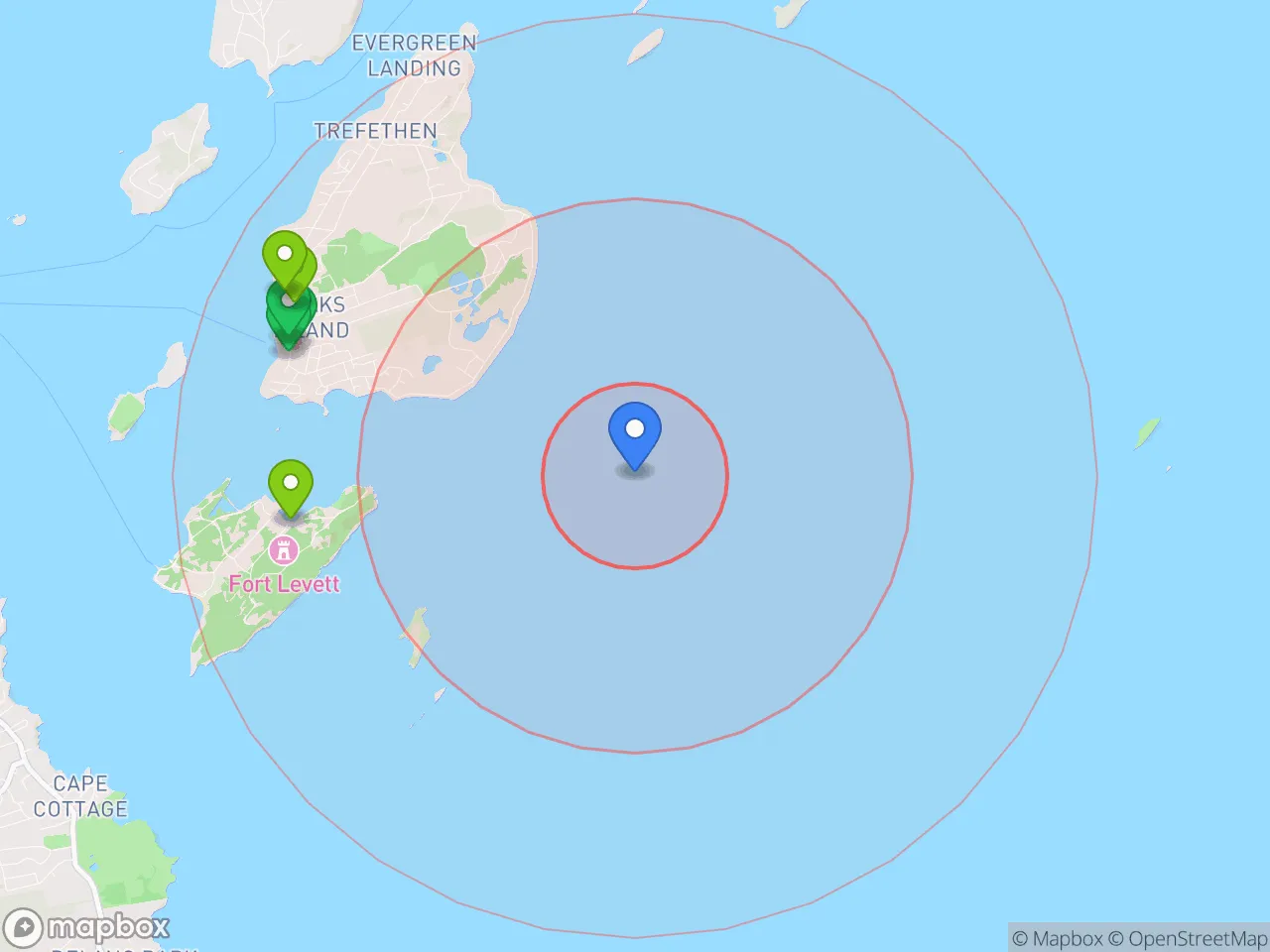
Explore the areaGroceries
5 within 10 miles
Gas
20 within 10 miles
Hospital
8 within 20 miles
Airport
PDX — Portland International Jetport
Post Office
USPS — Peaks Island, ME
Critical Amenities
Quality-of-Life Analysis
Portland, Maine, is an affluent coastal city that attracts a mix of young professionals, remote workers, and empty-nesters drawn by its walkable downtown, thriving food scene, and access to the Atlantic. With a cost of living index of 141 (41% above the national average), Portland is significantly more expensive than the rest of Maine but remains a relative bargain compared to Boston or New York, offering a high quality of life for those who can afford its premium. The city’s population of roughly 68,000 is notably educated—over 45% hold a bachelor’s degree or higher—and the median household income of around $72,000 reflects a professional-class base that supports its robust local economy.
Cost of living, housing affordability, and how Portland compares to nearby areas
Portland’s housing market is the primary driver of its elevated cost of living. The median home value sits at $452,600, more than double the national median and roughly 30% higher than in nearby towns like Westbrook or South Portland, where values hover around $350,000. Renters face a median rent of $1,487, which is manageable for dual-income households but strains single earners making less than $60,000 annually. The average commute is a short 19.9 minutes, well below the national average of 26 minutes, meaning residents can live in more affordable suburbs like Scarborough or Falmouth and still reach downtown in under 25 minutes. Compared to Boston (COL index 160+), Portland offers a 15–20% discount on housing and daily expenses, making it a popular relocation choice for Massachusetts expats seeking a slower pace without sacrificing urban amenities.
What daily life is like for families: schools, amenities, and the local rhythm
Daily life in Portland revolves around its compact, walkable neighborhoods—the Old Port, East End, and West End—where residents can walk to farmers’ markets, independent bookstores, and dozens of seafood restaurants. The Portland Public Schools system includes Portland High School and Deering High School, both of which have graduation rates above 85%, though families often supplement with private options like Waynflete School. The city’s Portland Museum of Art and the Merrill Auditorium provide year-round cultural programming, while the Eastern Promenade and Back Cove Trail offer 5+ miles of waterfront paths for jogging and cycling. The rhythm is distinctly seasonal: summer brings tourists and outdoor concerts, while winter sees a quieter, cozier vibe with ice skating at Thompson’s Point and skiing at Shawnee Peak 45 minutes away. For families, the trade-off is a tight housing market and limited inventory under $400,000, but the payoff is a safe, engaged community with low crime rates (violent crime is 60% below the national average).
Portland is best suited for professionals and families who prioritize walkability, culture, and coastal access over square footage and low housing costs. Remote workers earning six-figure salaries will find the COL manageable, while service-industry workers may struggle unless they live in a neighboring town. Empty-nesters downsizing from suburban homes often thrive here, trading yard maintenance for a condo in the West End with views of Casco Bay. For anyone seeking a vibrant, compact city with a strong sense of place and a slower pace than the Northeast corridor, Portland delivers a quality of life that justifies its premium price tag.

Crime in Portland, ME
Generally safer than 69% of comparable U.S. locations.
Violent CrimeViolent Crime Analysis
Property CrimeProperty Crime Analysis
Crime Analysis
Portland, Maine, presents a mixed safety profile that requires careful consideration, particularly for those relocating from areas with progressive justice policies. While the city's overall violent crime rate is below the national average, its property crime rate is significantly elevated, and local trends reflect concerns common to liberal-leaning urban centers where rehabilitative justice models may prioritize offender outcomes over public safety. The city reported a violent crime rate of 240.5 per 100,000 residents and a property crime rate of 1,920.1 per 100,000 in the most recent data, painting a picture of a generally safe city for violent encounters but one where theft and property offenses are a routine concern.
Crime in context
Portland's violent crime rate of 240.5 per 100,000 is roughly 35% lower than the national average of about 370 per 100,000, placing it in a safer tier for serious offenses like homicide, robbery, and aggravated assault. However, its property crime rate of 1,920.1 per 100,000 is approximately 40% higher than the national average of 1,370 per 100,000, and notably exceeds the Maine state average of roughly 1,400 per 100,000. This disparity is typical of small cities near large metro areas (Portland is the economic hub of northern New England) where concentrated population and tourism drive opportunistic theft. Critics of the local justice system point to Cumberland County's progressive district attorney, who has implemented policies such as declining to prosecute certain low-level drug possession and theft cases, as a contributing factor to the elevated property crime numbers. While these policies aim to reduce incarceration, they can result in more repeat offenders on the street, directly impacting victims and public confidence in safety.
What residents experience
For daily life, the most tangible safety issue is property crime. Car break-ins, bicycle theft, and package theft are the most common complaints, particularly in the downtown Arts District, Old Port, and near the University of Southern Maine campus. Violent crime is highly concentrated in specific contexts—mostly domestic disputes and drug-related incidents—and is rare in the city's residential neighborhoods. Residents in areas like the West End and Deering Center report feeling safe walking alone at night, while those in the Bayside and East Bayside neighborhoods experience higher rates of theft and occasional street-level drug activity. The presence of a progressive city council and county-level judiciary has led to a perception among some long-term residents that the justice system is too lenient, with offenders cycling through the system without meaningful consequences. This is a legitimate concern for families and professionals who value predictable safety and accountability.
Neighborhood-level variation is significant. The safest areas are the residential West End, Deering Center, and Rosemont, where violent crime is nearly nonexistent and property crime is below the city average. The most problematic zones are the downtown core (Old Port, Arts District) and the Bayside neighborhood, where high foot traffic and nightlife create opportunities for theft and occasional assaults. The city's public safety response has been strained by staffing shortages in the police department, a common issue in progressive cities where law enforcement faces increased scrutiny and reduced budgets. For anyone considering a move, a thorough block-by-block assessment and a conversation with local residents about their experiences with the justice system are strongly recommended.
* Values derived from national, state, county, city and local statistics and may differ in a specific area. Last updated: 2026-04-24T01:43:05.000Z
Narrative content on this page is AI-generated and may contain mistakes. Verify any details that matter before acting on them.
ReloMaps may earn a commission from affiliate links at no extra cost to you.

