 Popular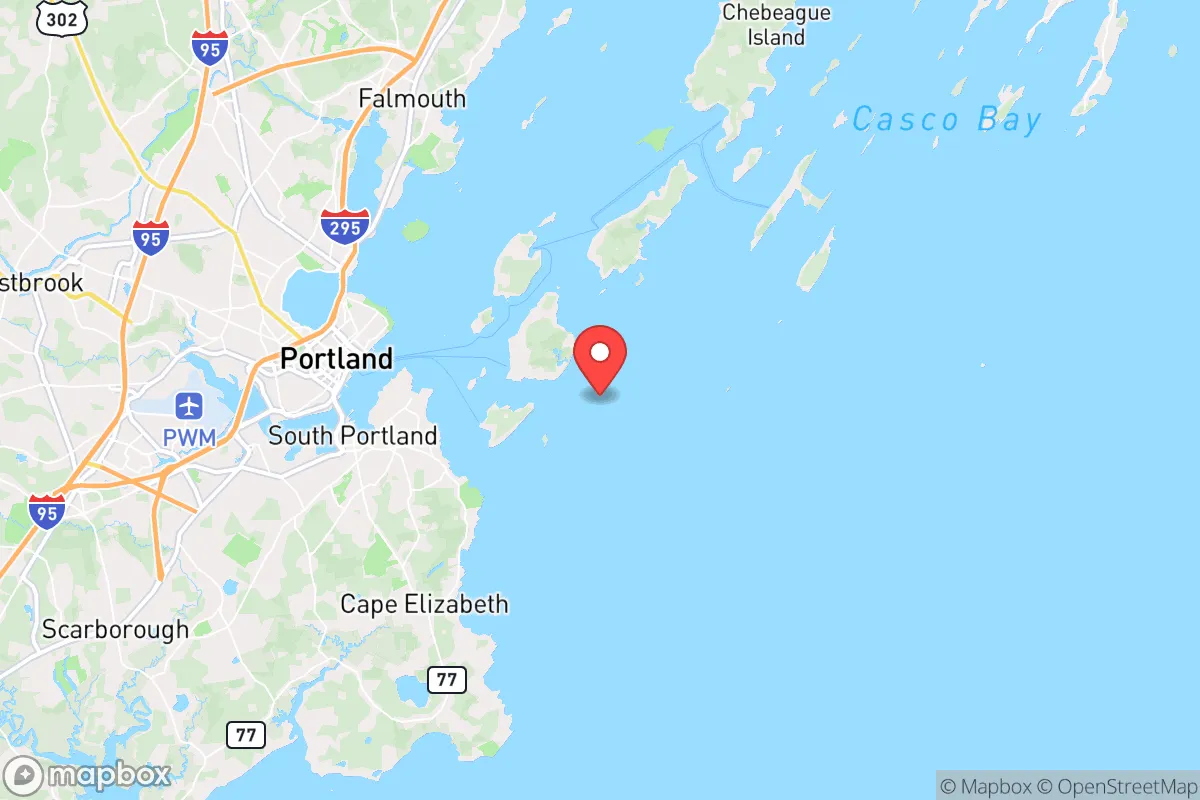
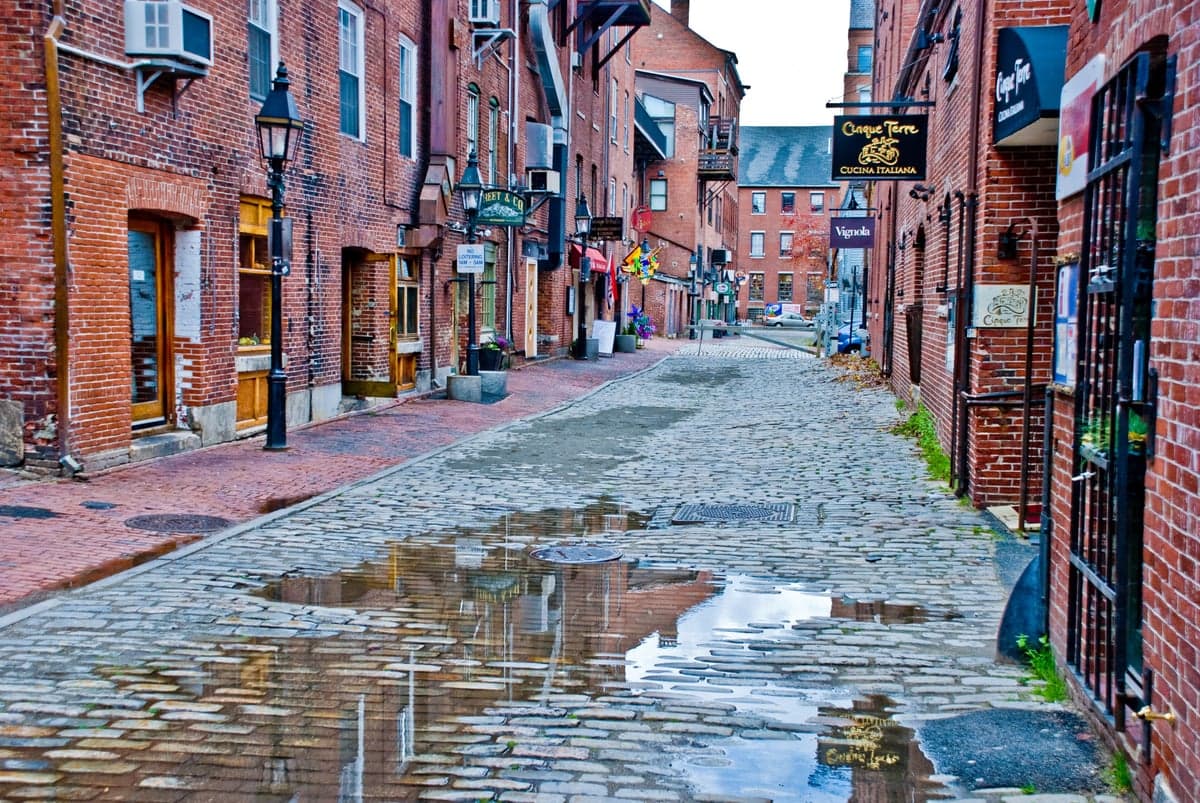
Photo: Wikipedia
Political ClimatePolitical Climate in Portland, ME
District shown is the primary district for this city’s centroid. Cities may span multiple districts.
Local Political AnalysisPolitical Analysis of Portland, ME
Portland, Maine, leans heavily Democratic, with a Cook PVI of D+11, meaning the city votes about 11 points more Democratic than the national average. That’s a pretty stark shift from what I remember growing up here in the 90s, when the city had a more moderate, live-and-let-live vibe. Now, it’s a solidly progressive stronghold, and the political machine here is all-in on top-down government solutions, from housing mandates to environmental regulations that feel less about common sense and more about control. The trajectory is clear: Portland is moving further left every election cycle, and it’s not slowing down.
How it compares
If you drive just 15 minutes north to Falmouth or 20 minutes west to Windham, you’ll find a completely different political world. Those towns lean more Republican or independent, with a healthy skepticism of the kind of one-size-fits-all policies Portland’s city council loves. Even neighboring South Portland, while still blue, has a more pragmatic streak than Portland proper. The contrast is stark: Portland’s leaders push things like rent control and plastic bag bans, while folks in the suburbs are more worried about property taxes and school choice. It’s like two different states in one small county.
What this means for residents
For those of us who value personal freedoms, the political climate here is getting uncomfortable. The city council has a habit of reaching into your daily life—mandating paid leave, restricting short-term rentals, and even dictating what kind of heat you can use in your home. Property taxes have jumped over 30% in the last five years to fund new social programs, and there’s a growing sense that your wallet and your choices aren’t your own anymore. If you’re a small business owner or a landlord, you’re constantly looking over your shoulder for the next ordinance. The progressive majority sees government as the solution to everything, and dissent is often met with a “you’re part of the problem” attitude.
Looking ahead, I don’t see this changing anytime soon. The influx of out-of-state transplants, many from even bluer states, is only reinforcing the political monoculture. Voter turnout in Portland is high, but it’s overwhelmingly for one party, so there’s little incentive for moderation. Long-term, I worry about the city’s economic health—businesses are already leaving for places like Scarborough or Gorham where regulations are lighter. The cultural pressure to conform to progressive orthodoxy is real, and it’s driving a quiet exodus of folks who just want to be left alone. If you’re thinking of moving here, just know that your vote will likely be drowned out, and your personal freedoms will be subject to the whims of a city council that thinks it knows best.

State Political ClimatePolitical Climate in Maine
State Political AnalysisPolitical Environment in the State
Maine has long been known as a politically independent state, but over the past two decades, it has shifted noticeably to the left, particularly at the state level. While the state still elects centrist governors like Janet Mills (a Democrat who often tacks toward the middle on fiscal issues), the legislature and key policy levers have been firmly controlled by progressive Democrats since 2018. The 2024 presidential election saw Maine’s 2nd Congressional District (the vast, rural northern and eastern part of the state) vote for Donald Trump by a comfortable margin, while the 1st District (the southern coast and Portland metro) went for Joe Biden by over 20 points. This split reflects a deepening urban-rural divide that has made Maine one of the most politically bifurcated states in New England.
Urban vs. rural divide
The political map of Maine is essentially a story of two states. The southern coastal corridor—Portland, South Portland, Brunswick, and Biddeford—is reliably blue, driven by a concentration of college-educated professionals, young families, and out-of-state transplants. Portland itself is a progressive stronghold where rent control, sanctuary city policies, and green energy mandates are the norm. In contrast, the vast interior and northern counties—Aroostook, Piscataquis, Somerset, and Washington—vote heavily Republican, powered by logging, fishing, and farming communities that feel abandoned by coastal elites. The 2nd Congressional District, which covers 80% of the state’s landmass, has flipped between parties in recent cycles but now leans reliably red. A notable exception is Bangor, the largest city in the 2nd District, which has become a purple swing area—its suburbs like Hampden and Orono lean conservative, while the city itself trends left. The 2020 and 2024 elections saw rural turnout surge, but the 1st District’s population growth (driven by remote workers from Boston and New York) has kept the statewide vote blue.
Policy environment
Maine’s policy environment has become increasingly progressive, with several recent moves that raise red flags for conservatives. The state’s income tax is a flat 5.8% for most earners, but the top marginal rate hits 7.15% on income over $68,000—one of the highest in New England. Property taxes are also steep, averaging about 1.3% of home value, with rural counties like Oxford and Franklin seeing rates above 1.5%. In 2023, the legislature passed a paid family and medical leave program funded by a 1% payroll tax split between employers and employees—a mandate that small business owners in Ellsworth and Presque Isle say will drive up costs. On education, Maine has adopted a “right to read” law that mandates specific literacy curricula, but parental rights in schools have become a flashpoint: in 2024, the legislature rejected a bill requiring schools to notify parents if a child changes their gender identity or pronouns, a move that angered many conservative families in Augusta and Waterville. Election laws are relatively open: same-day voter registration is allowed, and no voter ID is required at the polls—a policy that has drawn criticism from election integrity advocates. The state also expanded Medicaid under the Affordable Care Act via a 2017 ballot initiative, and has since added a state-based health insurance exchange with subsidies for low-income residents.
Trajectory & freedom
On the freedom front, Maine’s trajectory is mixed but concerning for conservatives. The state has some of the most restrictive gun laws in New England: a 2023 law banned “ghost guns” and raised the minimum age to purchase a firearm to 21, while a 2024 “red flag” law allows courts to temporarily seize firearms from individuals deemed a risk to themselves or others—a measure that Second Amendment advocates in Lincoln County and Washington County argue lacks due process. On the positive side, Maine has no state-level mask or vaccine mandates as of 2025, and the 2023 legislative session saw a failed attempt to impose a statewide rent control cap, which was defeated by a coalition of rural lawmakers and landlord groups. However, the state’s energy policies are increasingly restrictive: a 2024 law requires all new residential buildings to be “net-zero ready” by 2026, effectively banning natural gas hookups in new construction—a move that has sparked backlash in Caribou and Fort Kent, where heating oil is already expensive. Medical autonomy has been a bright spot: Maine has no state income tax on military pensions, and a 2023 law expanded telehealth access for rural residents. But parental rights took a hit in 2024 when the state’s Department of Education issued guidance allowing schools to withhold information about a student’s gender identity from parents—a policy that has prompted some families in York County to consider homeschooling or moving to New Hampshire.
Civil unrest & political movements
Civil unrest in Maine has been relatively muted compared to larger states, but there are visible flashpoints. The 2020 Black Lives Matter protests in Portland drew thousands, with some demonstrations turning into clashes with police over a proposed police reform ordinance that ultimately failed. On the right, the “Maine 2nd” movement—a loose coalition of rural conservatives—has organized annual “Second Amendment Sanctuary” rallies in Augusta and Bangor, with turnout growing each year. Immigration politics are a growing tension: Portland is a designated “sanctuary city,” and in 2024, the city council voted to allocate $500,000 in legal aid for undocumented immigrants, a move that drew sharp criticism from conservative lawmakers in Skowhegan and Madawaska. Election integrity remains a hot-button issue: despite no evidence of widespread fraud, the 2020 and 2024 elections saw Republican activists in Oxford County and Franklin County push for hand-count audits, leading to a 2023 law that requires post-election audits in all counties—a compromise that satisfied few on either side. The most visible political movement in recent years has been the “Maine Way” initiative, a grassroots effort to repeal the state’s new paid leave law via referendum, which failed in 2024 but signaled growing frustration with one-party rule in Augusta.
Projection
Over the next 5-10 years, Maine is likely to continue its slow drift leftward, driven by in-migration from southern New England and the Northeast. The Portland metro area is expected to grow by another 10-15% by 2030, fueled by remote workers and retirees from Massachusetts and New York, who tend to bring progressive voting habits. This will further entrench Democratic control of the 1st District and the state legislature, making it harder for rural conservatives to block new taxes, gun restrictions, and energy mandates. However, the 2nd District is likely to remain red, and may even become more conservative as younger families move to affordable towns like Dover-Foxcroft and Millinocket in search of lower costs and more freedom. The wildcard is the state’s aging population: Maine has the oldest median age in the nation (45 years), and as older, more conservative residents pass away, they are being replaced by younger, more liberal transplants. A new resident moving in now should expect to see continued expansion of state government, higher taxes, and tighter regulations on housing and energy, but also a vibrant rural conservative counterculture that will fight every step of the way.
For a conservative individual or family considering a move to Maine, the bottom line is this: you can find a welcoming community in the rural north and east, but you’ll be fighting an uphill battle against a state government that is increasingly hostile to gun rights, parental control, and economic freedom. The cost of living is lower than in Massachusetts or New York, but the tax burden is high and only trending higher. If you value low regulation and personal autonomy, look closely at towns like Houlton or Machias, where the local culture still prizes independence—but be prepared to drive two hours to the nearest big-box store and to pay a premium for heating oil. Maine is a beautiful state with a proud tradition of self-reliance, but the political winds are blowing against that tradition, and it will take active civic engagement to preserve it.
* Values derived from national, state, county, city and local statistics and may differ in a specific area. Last updated: 2026-04-24T01:43:05.000Z
Narrative content on this page is AI-generated and may contain mistakes. Verify any details that matter before acting on them.
ReloMaps may earn a commission from affiliate links at no extra cost to you.

