 Popular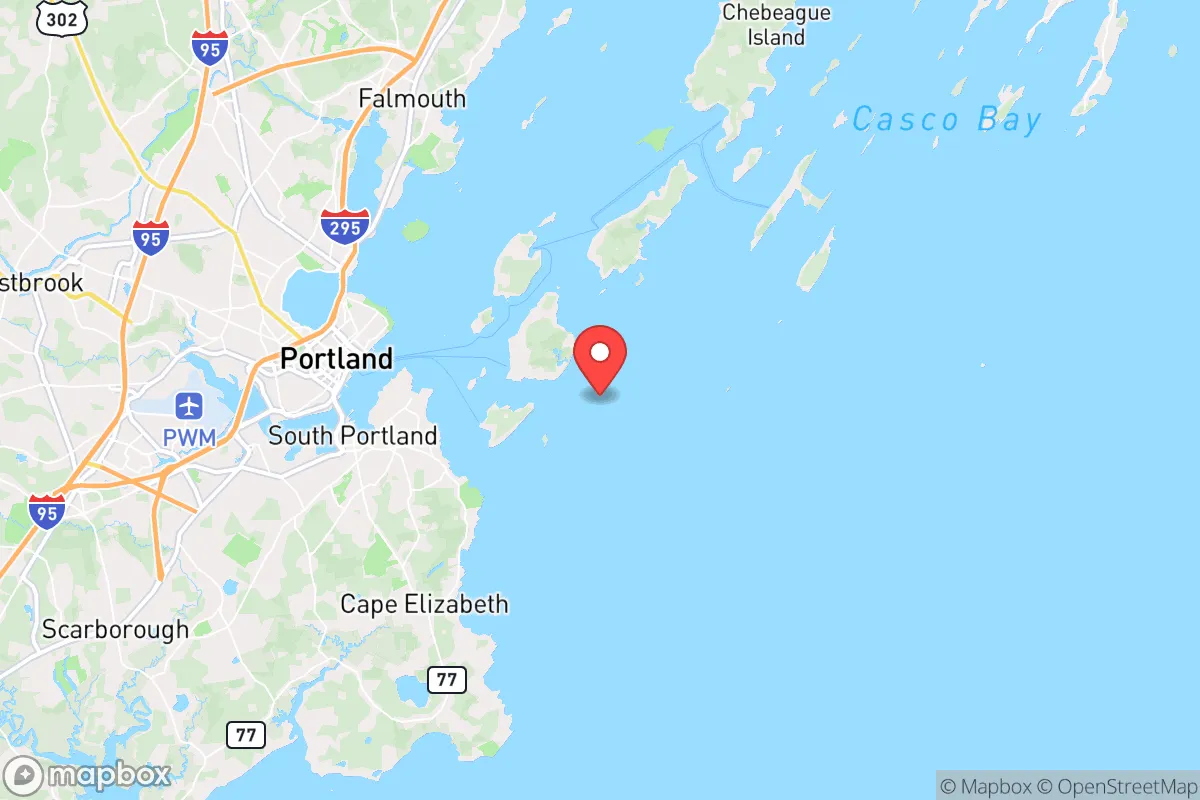
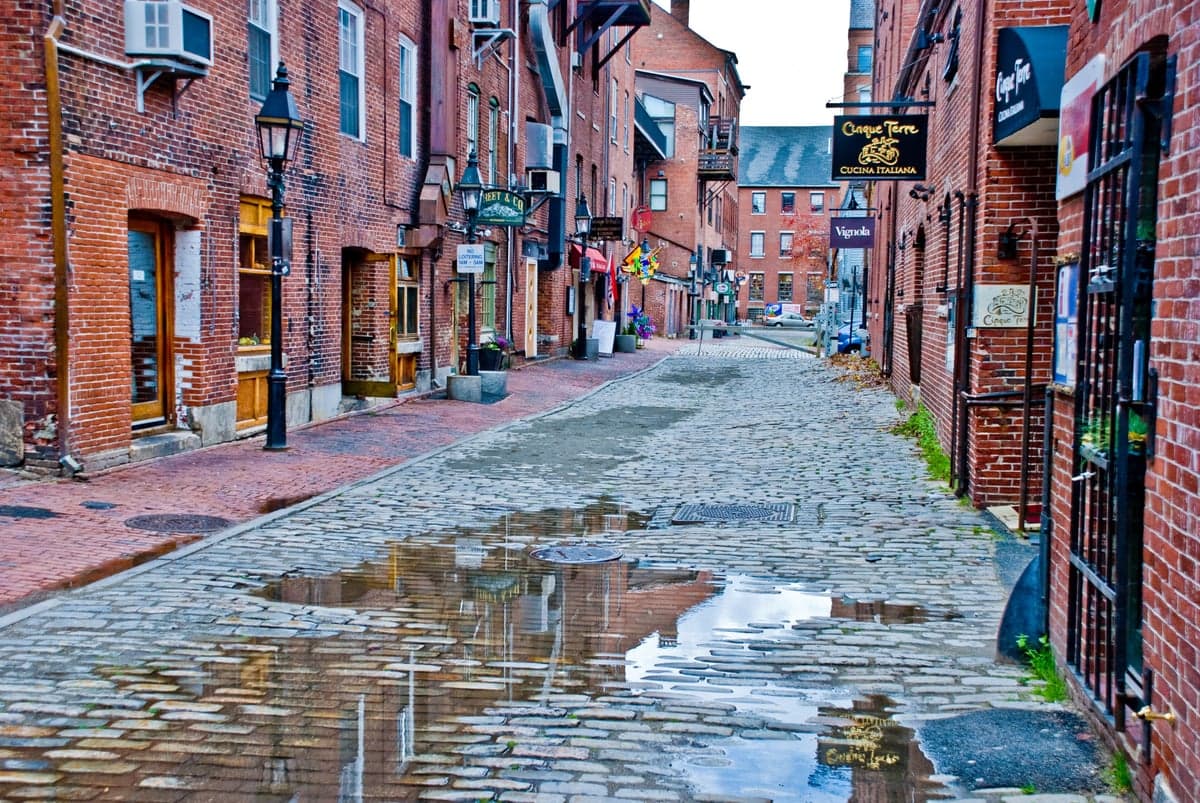
Photo: Wikipedia
Strategic Assessment of Portland, ME
Multiple tactical vulnerabilities. Population density, target proximity, or disaster risk are likely compounding. A retreat property and exit planning is required.
What does the Strategic Assessment tell us?
Our Strategic Assessment grades tactical survivability of an area. Major population centers, military targets, fallout zones, natural disasters, and border exposure all drive risk — lower exposure means a more defensible position in a crisis.
This is heavily inspired by Joel Skousen's Strategic Relocation book. Highly recommended you checkout the book ($)What does this tell us?
Our Strategic Assessment grades tactical survivability of an area. Major population centers, military targets, fallout zones, natural disasters, and border exposure all drive risk — lower exposure means a more defensible position in a crisis.
This is heavily inspired by Joel Skousen's Strategic Relocation book. Highly recommended you checkout the book ($)Strategic Pillars

Key Distances
Regional Safe Places
Below is our recommended "safe zones" in Maine and the surrounding area based on our strategic heuristics. For most people, it's unrealistic to live in a “safe zone” full-time due to work, family or other personal reasons. They tend to be more rural. However, many of these areas are perfect for second homes and retreat properties that double as a vacation home or even a short-term rental.
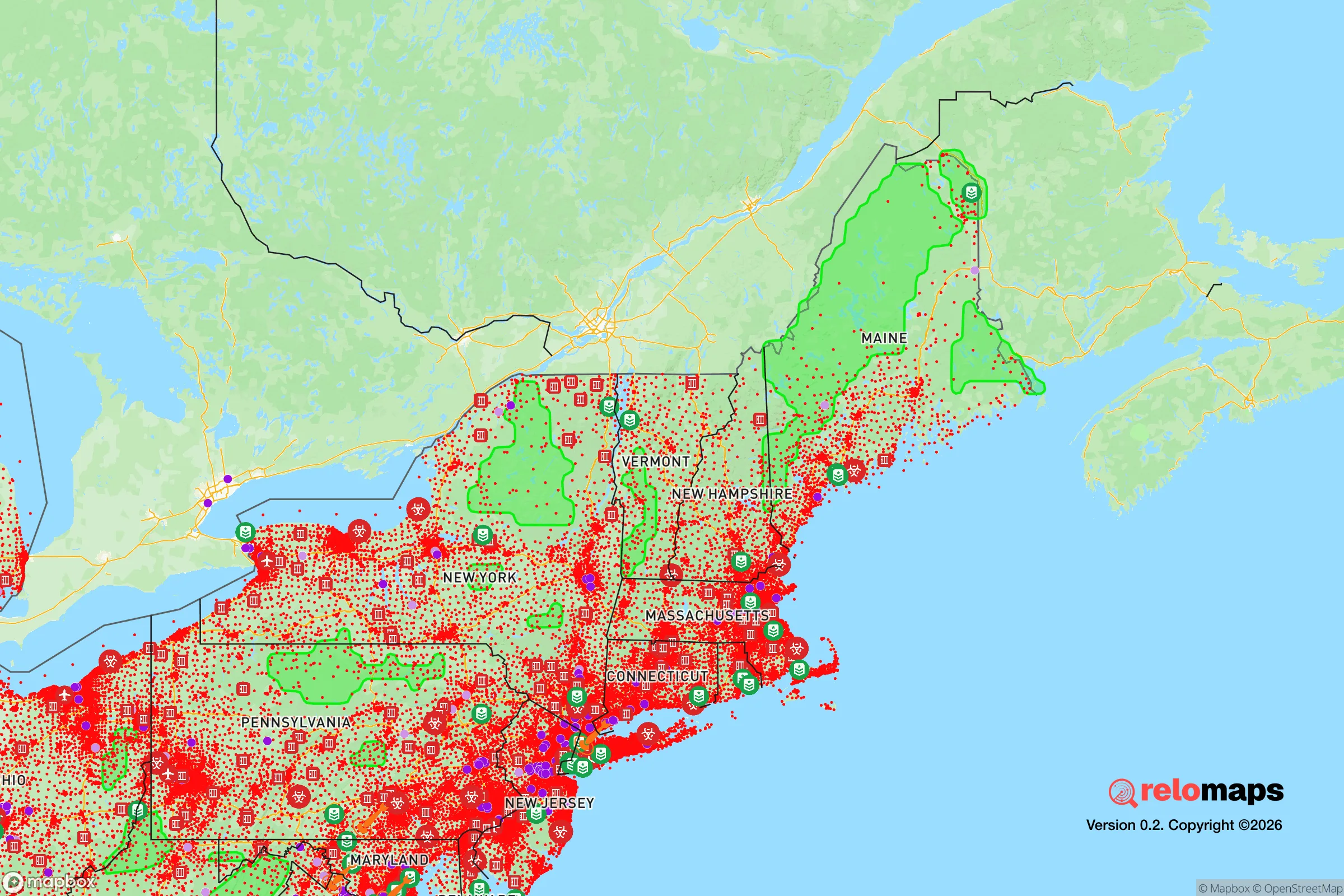
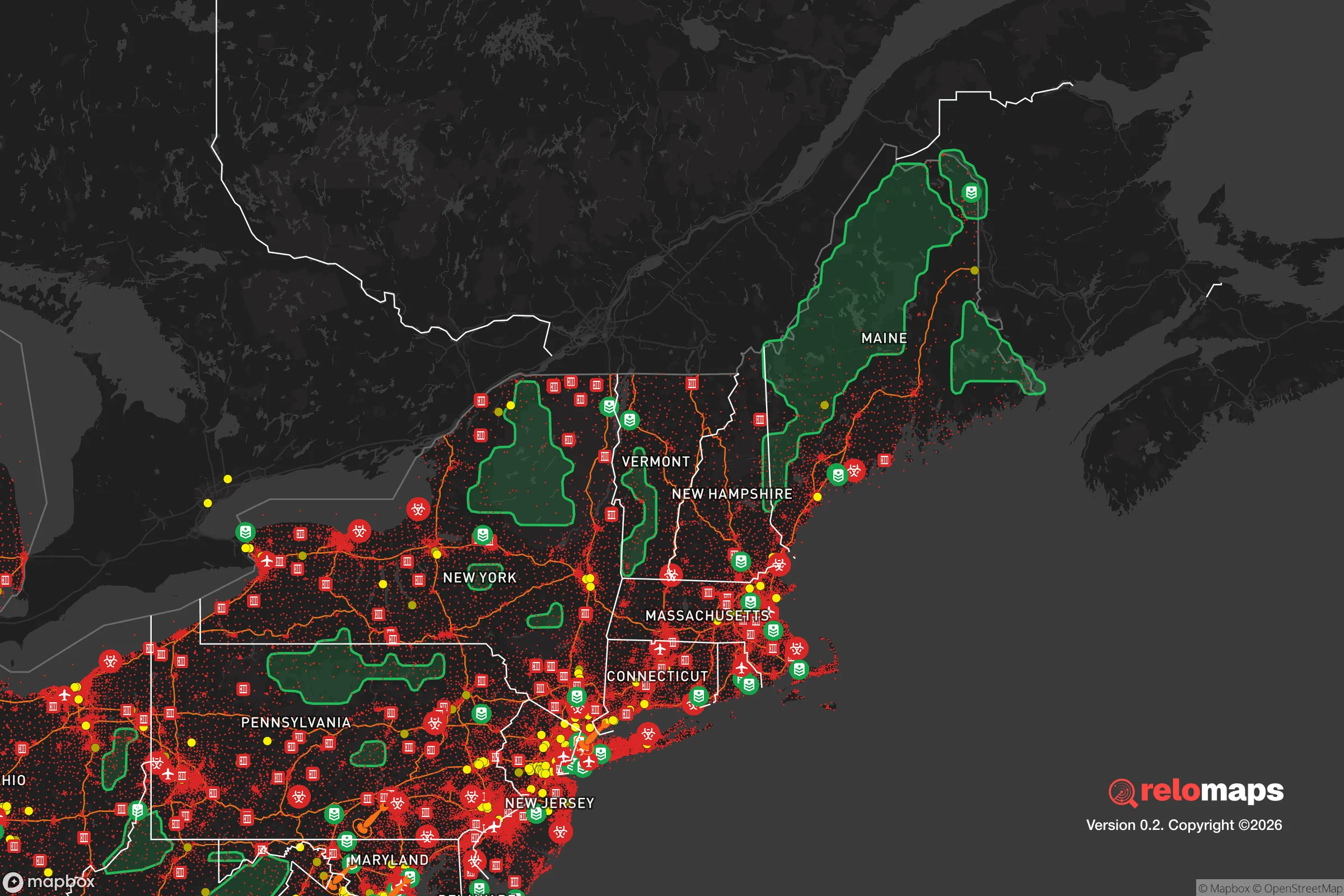


Important Note: For informational purposes only. This does not mean nothing bad ever happens in the green zones. Please use common sense. This is based on public data and modeled with AI. We tried to take a conservative approach but mistakes happen. We update this regularly as new information becomes available.
Solar Generator Recommendations
Backup power matters more here than in safer locations. We've picked three solar generators across budgets and capacity tiers — start with the budget unit if you only need a few essentials, or step up if you want to run a fridge and HVAC for days at a time.

Jackery Portable Power Station Explorer 300
Budget OptionPower on the Go: Weighing only 11 lbs, it's convenient to set up and store with book-sized foldable solar panels

BLUETTI Portable Power Station AC180
Designed for both indoor and outdoor scenarios, AC180 is highly capable as it has a robost capacity and continuous output power.

EF ECOFLOW DELTA Pro Ultra Power Station
Upgraded PickEcoFlow DELTA Pro Ultra is a whole-home energy system designed to grow with your family. Integrated with the Smart Home Panel 2, it scales to meet your evolving energy needs — keeping your home powered, intelligent, and secure through every stage of life.
We earn a commission, at no additional cost to you.
Strategic Assessment Analysis
Portland, Maine, presents a complex strategic picture for the conservative prepper or survivalist. While its coastal location offers significant natural advantages in terms of water access and maritime resources, its proximity to a major urban center and its position relative to key infrastructure create a mixed risk profile. The city’s relative isolation from the densest population corridors of the Northeast Corridor provides a buffer, but its status as a regional hub means it is not a true retreat location. For a relocator prioritizing long-term sustainability and low exposure to cascading failures, Portland requires careful, scenario-based planning rather than a simple thumbs-up or thumbs-down.
Geographic position and natural advantages for long-term survival
Portland’s location on Casco Bay offers a rare combination of maritime access and defensible terrain. The city sits on a peninsula, which naturally funnels movement through a limited number of choke points—primarily the bridges and roads connecting to the mainland. In a grid-down scenario, this geography can be leveraged for perimeter control, but it also means that escape routes are limited. The surrounding islands and the deep-water harbor provide options for waterborne resupply or evacuation, but only if you have the means to operate a boat. The region’s abundant freshwater sources, including Sebago Lake and the Presumpscot River, are a major plus, though municipal water treatment could fail in a prolonged crisis. The local climate is a double-edged sword: cold winters reduce the threat of vector-borne diseases and slow the spread of some contaminants, but they also impose serious heating and food storage demands. The rocky, forested terrain to the north and west offers decent cover and limited agricultural potential, but the growing season is short—roughly 150 days—making self-sufficiency in food a challenge without greenhouse infrastructure.
Risks, exposures, and proximity to fallout-relevant landmarks
The most significant strategic downside of Portland is its proximity to the Portsmouth Naval Shipyard, located just 50 miles south on the Piscataqua River. This is a nuclear-capable maintenance and refueling facility for the U.S. Navy’s submarine fleet. In a major conflict or terrorist event, this site is a high-value target. A conventional or nuclear strike on the shipyard would produce a blast radius and fallout plume that could easily reach Portland depending on wind direction. Additionally, the city lies roughly 100 miles from the Boston metropolitan area—a prime target for any adversary seeking to cripple the U.S. economy and government. A mass casualty event in Boston would trigger a massive refugee flow north along I-95, potentially overwhelming Portland’s resources within days. The city itself has a population of about 68,000, but the metro area pushes 550,000, meaning you are not truly isolated. The Portland International Jetport and the city’s port facilities are also secondary targets, though less likely to be hit in a first strike. For the prepper, the key takeaway is that Portland is not a remote bunker location; it is a regional hub with a target-rich environment within a 100-mile radius.
Practical resilience for a relocator: food, water, energy, and defensibility
For a relocator assessing day-to-day resilience, Portland offers a mixed bag. Food security is a major concern. The city relies heavily on trucked-in supplies via I-95 and I-295. Local agriculture is limited to small farms and community gardens, and the short growing season means that even with a home garden, you will need stored provisions for 6–7 months of the year. The working waterfront provides access to fresh seafood, but that requires skills, gear, and the ability to operate in cold, rough waters. Water is less of a worry: the Portland Water District draws from Sebago Lake, a large, protected reservoir. However, in a prolonged power outage, pumping stations would fail, so a backup plan—like a hand pump or a nearby stream with a filter—is essential. Energy is a vulnerability. The region’s grid is aging and prone to outages from winter storms. Natural gas heating is common, but pipelines could be disrupted. Solar potential is mediocre due to cloud cover and short winter days, so a generator with stored fuel or a wood stove is a near-necessity. Defensibility is the weakest point for a relocator. The peninsula layout makes it hard to secure a single property without being visible from multiple angles. The city’s density means you cannot easily create a perimeter. A better approach is to look at the outer ring of towns—like Falmouth, Cumberland, or Yarmouth—where you can get acreage, a well, and a more defensible layout while still being close enough to Portland for supply runs. The local culture leans left politically, which may create friction for a conservative relocator, but the strong sense of community and self-reliance among Mainers can be an asset if you integrate respectfully.
The overall strategic picture for Portland, ME, is one of calculated risk. It is not a true survivalist retreat—too close to high-value targets, too dependent on fragile supply chains, and too dense for easy defense. However, for a relocator who wants a balance of urban access and natural resources, and who is willing to invest in off-grid capabilities and a secondary bug-out location further inland (like the Rangeley Lakes region or the North Maine Woods), Portland can serve as a viable base of operations. The key is to treat it as a forward operating location, not a final redoubt. If you can secure a property with a well, a wood stove, and a boat, and you have a plan to move north or west within 48 hours of a major event, Portland’s advantages—clean water, maritime access, and a relatively low population density compared to Boston or New York—can be leveraged. But if you are looking for a place to hunker down indefinitely with minimal external risk, look further inland and away from the coast. Portland is a strategic compromise, not a solution.

* Values derived from national, state, county, city and local statistics and may differ in a specific area. Last updated: 2026-04-24T01:43:05.000Z
Narrative content on this page is AI-generated and may contain mistakes. Verify any details that matter before acting on them.
ReloMaps may earn a commission from affiliate links at no extra cost to you.

