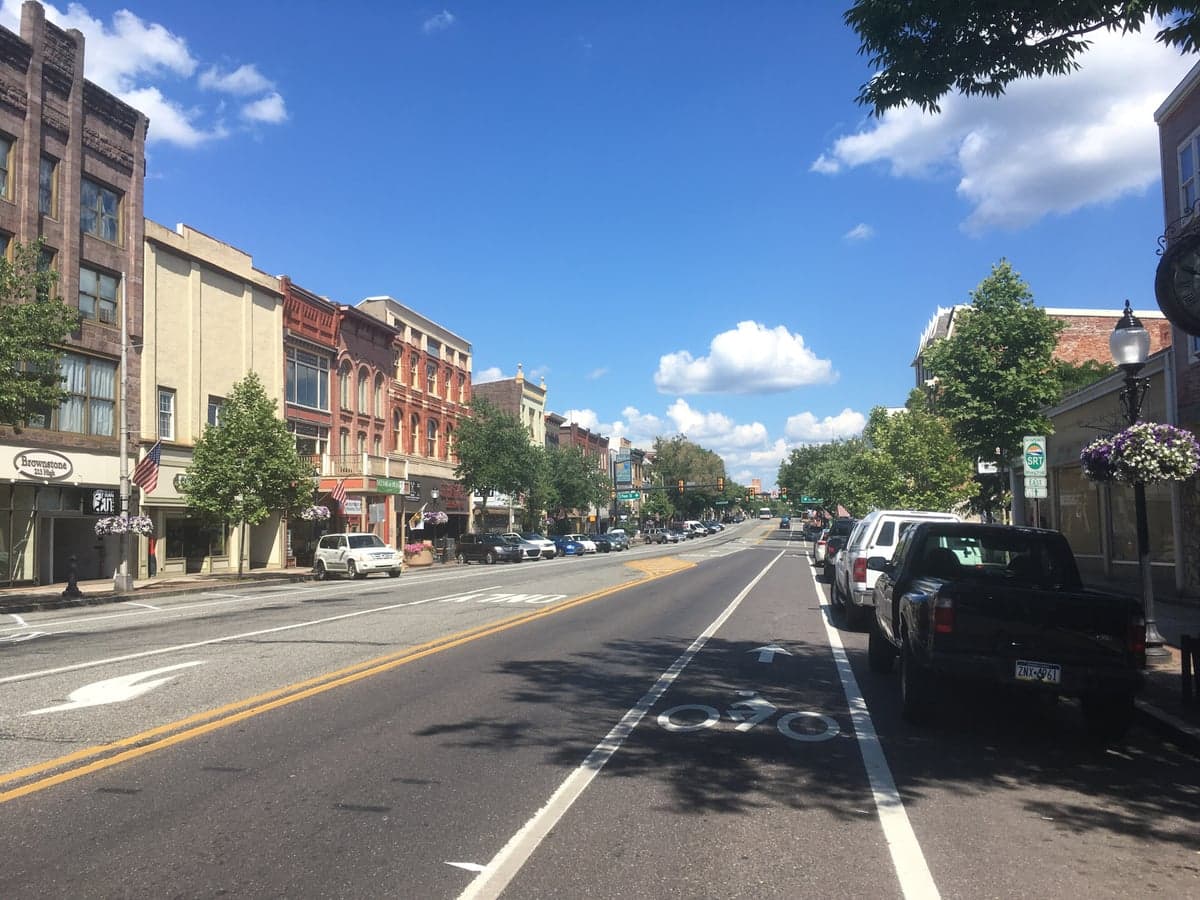
Photo: Wikipedia
Strategic Assessment of Pottstown, PA
Multiple tactical vulnerabilities. Population density, target proximity, or disaster risk are likely compounding. A retreat property and exit planning is required.
What does the Strategic Assessment tell us?
Our Strategic Assessment grades tactical survivability of an area. Major population centers, military targets, fallout zones, natural disasters, and border exposure all drive risk — lower exposure means a more defensible position in a crisis.
This is heavily inspired by Joel Skousen's Strategic Relocation book. Highly recommended you checkout the book ($)What does this tell us?
Our Strategic Assessment grades tactical survivability of an area. Major population centers, military targets, fallout zones, natural disasters, and border exposure all drive risk — lower exposure means a more defensible position in a crisis.
This is heavily inspired by Joel Skousen's Strategic Relocation book. Highly recommended you checkout the book ($)Strategic Pillars

Key Distances
Regional Safe Places
Below is our recommended "safe zones" in Pennsylvania and the surrounding area based on our strategic heuristics. For most people, it's unrealistic to live in a “safe zone” full-time due to work, family or other personal reasons. They tend to be more rural. However, many of these areas are perfect for second homes and retreat properties that double as a vacation home or even a short-term rental.
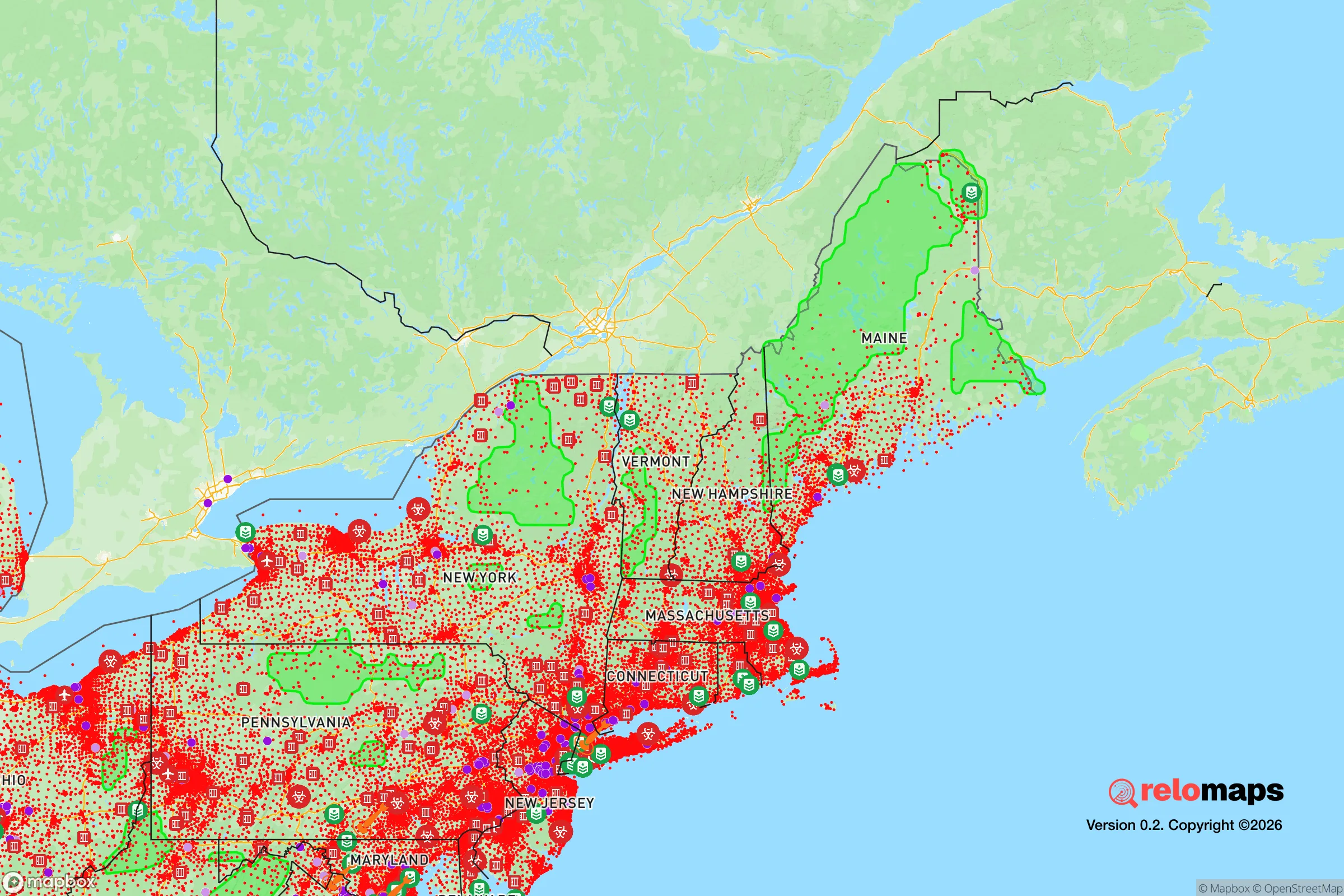
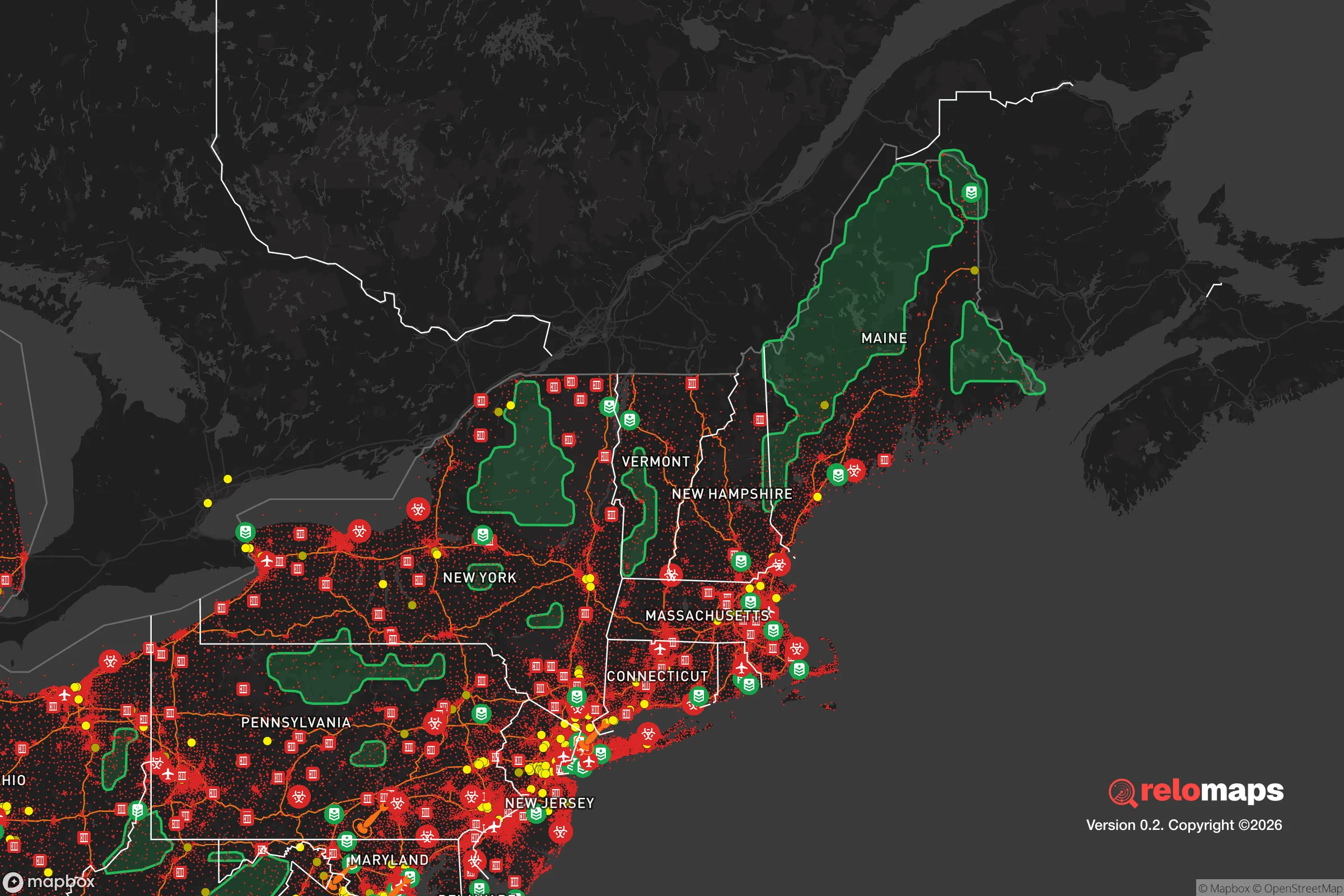


Important Note: For informational purposes only. This does not mean nothing bad ever happens in the green zones. Please use common sense. This is based on public data and modeled with AI. We tried to take a conservative approach but mistakes happen. We update this regularly as new information becomes available.
Solar Generator Recommendations
Backup power matters more here than in safer locations. We've picked three solar generators across budgets and capacity tiers — start with the budget unit if you only need a few essentials, or step up if you want to run a fridge and HVAC for days at a time.

Jackery Portable Power Station Explorer 300
Budget OptionPower on the Go: Weighing only 11 lbs, it's convenient to set up and store with book-sized foldable solar panels

BLUETTI Portable Power Station AC180
Designed for both indoor and outdoor scenarios, AC180 is highly capable as it has a robost capacity and continuous output power.

EF ECOFLOW DELTA Pro Ultra Power Station
Upgraded PickEcoFlow DELTA Pro Ultra is a whole-home energy system designed to grow with your family. Integrated with the Smart Home Panel 2, it scales to meet your evolving energy needs — keeping your home powered, intelligent, and secure through every stage of life.
We earn a commission, at no additional cost to you.
Strategic Assessment Analysis
Pottstown, Pennsylvania, sits at a strategic inflection point: close enough to major East Coast population centers to offer economic access, yet far enough to provide a buffer against the cascading effects of urban collapse. Its location along the Schuylkill River and within the broader Delaware Valley corridor gives it a mixed strategic profile—one that demands careful consideration for anyone prioritizing resilience, self-sufficiency, and long-term security. For the conservative-minded relocator, Pottstown is not a bug-out paradise, but it could serve as a viable fallback position if you understand its strengths and weaknesses.
Geographic position and natural advantages for long-term survival
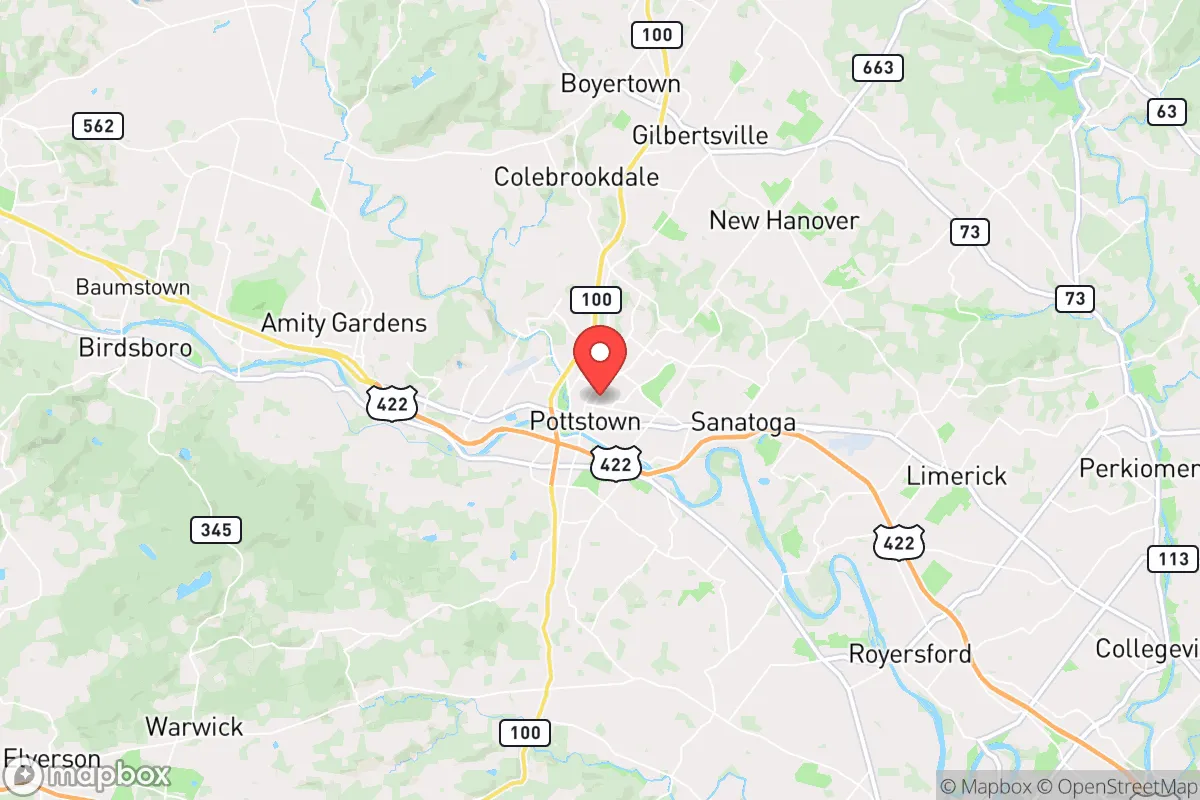
Pottstown’s primary asset is its position within the Schuylkill River watershed, a reliable water source that also provides a natural travel corridor and potential for small-scale hydro or irrigation. The surrounding terrain is a mix of rolling hills, farmland, and forest—not the rugged mountains of central Pennsylvania, but enough to offer defensible chokepoints along secondary roads like Route 100 and Route 422. The area sits roughly 40 miles northwest of Philadelphia and 20 miles south of Reading, placing it in a moderate-density buffer zone that avoids the immediate blast radius of a major city while still being within a day’s drive of critical infrastructure like the Port of Philadelphia or the Harrisburg rail hub. The region’s temperate climate supports four-season agriculture, and the local soil in adjacent Chester and Montgomery counties is among the most productive in the state for small-scale farming. For a relocator, this means you can realistically establish a sustainable food source within a 10-mile radius, especially if you secure land on the western or northern edges of the borough where development pressure is lower.
Risks, exposures, and proximity to fallout-relevant landmarks
The most significant strategic liability is Pottstown’s proximity to Limerick Generating Station, a nuclear power plant located just 8 miles southeast along the Schuylkill. While the plant has a solid safety record, any major incident—whether from grid failure, sabotage, or natural disaster—would place Pottstown within the 10-mile emergency planning zone for potential radiological release. Evacuation routes along Route 422 and Route 100 would likely clog quickly, making a pre-planned bug-out location north or west of the borough essential. Additionally, Pottstown lies within 50 miles of three major population centers (Philadelphia, Allentown, and Reading), meaning any civil unrest, food riots, or mass casualty events in those cities could send refugees streaming along the major highways. The borough itself has a population of roughly 23,000, but the surrounding townships push the immediate area to over 100,000—enough to create competition for resources during a breakdown. Industrial hazards include several chemical storage facilities along the river and a rail line that carries hazardous materials through the center of town. For the prepper, these risks are manageable with proper planning—but they are real and should not be ignored.
Practical resilience for a relocator: food, water, energy, and defensibility
Water is Pottstown’s strongest card. The Schuylkill River is a year-round, high-volume water source, and the borough’s municipal supply draws from it, but a private well or rainwater catchment system on the outskirts would provide redundancy. The average annual rainfall is 45 inches, more than enough for cisterns and garden irrigation. Food resilience is moderate: the surrounding farmland produces corn, soybeans, and hay, but local grocery stores are vulnerable to supply chain disruptions. A relocator should plan to establish a year-round garden (cold frames and hoop houses work in this climate) and build relationships with Amish and Mennonite farmers in northern Berks County, who are less dependent on industrial agriculture. Energy is a weak point. Pottstown’s grid is aging and served by PECO, which has a history of outages during storms. Solar with battery backup is a wise investment, as the area gets about 200 sunny days per year—enough for a 5-7 kW system to cover a modest home’s needs. Natural gas is available in the borough, but propane tanks are common in the surrounding townships and offer a more resilient fuel source for cooking and heating. Defensibility is mixed. The borough itself is a compact, walkable grid with limited natural barriers, making it hard to secure against a determined group. However, the outlying townships—like North Coventry, East Coventry, and Douglass (Montgomery)—offer rural parcels with tree lines, creek crossings, and single-access roads that are far more defensible. A relocator should prioritize a property with at least 5 acres, a well, and a septic system outside the borough limits, ideally on a dead-end road or near state game lands (e.g., the 1,200-acre French Creek State Park to the east).
Overall, Pottstown presents a strategic compromise for the conservative relocator. It is not a remote redoubt—you will not find the isolation of rural West Virginia or the deep woods of northern Maine. What you will find is a functional, mid-density community with real water security, moderate agricultural potential, and a location that balances access to urban jobs with a buffer against urban chaos. The key is to treat Pottstown as a base of operations, not a final retreat. Establish your primary residence in the surrounding townships, maintain a secondary bug-out location further west (e.g., toward the Alleghenies or the Susquehanna River valley), and keep a low profile. The borough’s demographic and economic challenges—including a poverty rate around 18% and a struggling downtown—mean that social cohesion is fragile, but also that property prices remain affordable for those with cash or a solid income. For the single individual or family willing to invest in infrastructure and community relationships, Pottstown can serve as a viable fallback position in an increasingly unstable world. Just don’t expect it to save you without preparation.

* Values derived from national, state, county, city and local statistics and may differ in a specific area. Last updated: 2026-05-01T07:21:23.000Z
Narrative content on this page is AI-generated and may contain mistakes. Verify any details that matter before acting on them.
ReloMaps may earn a commission from affiliate links at no extra cost to you.

