 Popular
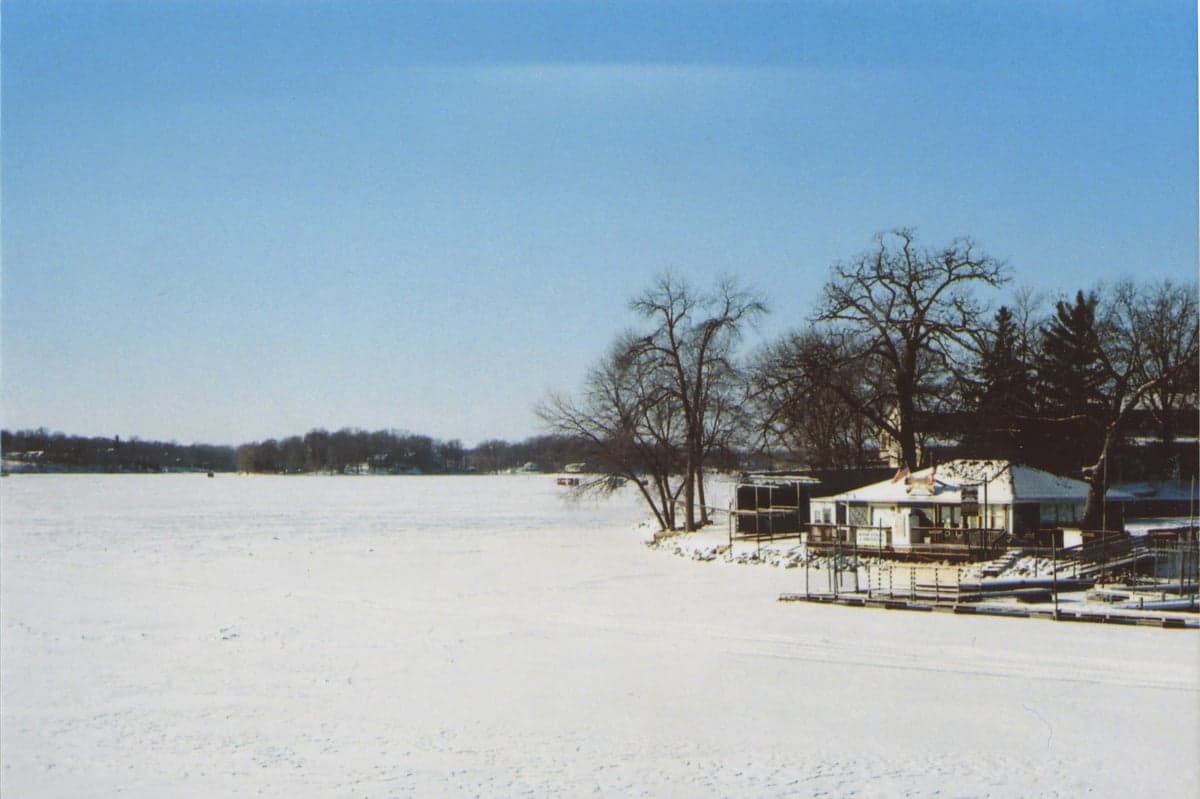
Photo: Wikipedia
Demographics of Prior Lake, MN
Affluence Level in Prior Lake, MN
An upper-middle-class area. Household wealth, education levels, and homeownership run ahead of national benchmarks.
People of Prior Lake, MN
The people of Prior Lake, Minnesota, today number 27,832 and form a predominantly white, college-educated, and family-oriented community with a notably low foreign-born share of 2.1%. The city’s character is shaped by its dual identity as a lakeside recreation hub and a commuter suburb of the Twin Cities, with a population that is 81.5% white, 5.0% Hispanic, 3.7% East/Southeast Asian, 1.9% Indian (subcontinent), and 1.6% Black. Distinctive markers include a strong local sports culture centered on the high school hockey and football programs, a high median household income reflecting professional and executive commuters, and a growing but still modest diversity that sets it apart from more homogeneous exurbs like Lakeville or Chaska.
How the city was settled and grew
Prior Lake’s original inhabitants were the Mdewakanton Dakota, who used the lake chain for fishing and wild rice harvesting before European-American settlement began in the 1850s. The first permanent white settlers were German and Irish farmers drawn by the fertile soil and timber of the Minnesota River valley, arriving after the 1851 Treaty of Traverse des Sioux opened the land. These families built the original downtown core around what is now Main Avenue and the lakefront, establishing gristmills, sawmills, and a general store. By the 1880s, a small wave of Swedish and Norwegian immigrants joined them, settling in what became the Upper Prior Lake area, where they worked as fishermen and boat builders. The community remained a tiny agricultural and resort village through the early 1900s, with the population barely reaching 500 by 1950. The first major growth spurt came after World War II, when returning veterans and their families built modest homes in the Sand Point neighborhood, taking advantage of the lake access and cheap land.
Modern era (post-1965)
The 1965 Immigration and Nationality Act had little immediate effect on Prior Lake, as the city remained overwhelmingly white through the 1980s. The real demographic shift began in the 1990s and accelerated after 2000, driven by domestic in-migration from the Twin Cities metro and from other Midwestern states. Professionals and executives seeking larger lakefront lots and newer subdivisions moved into Mystic Lake area developments (adjacent to the Shakopee Mdewakanton Sioux Community’s casino) and the Wilds neighborhood, a master-planned community built around golf courses and wetlands. These newcomers were predominantly white but included a growing number of East/Southeast Asian families—primarily Chinese and Vietnamese engineers and medical professionals—who settled in the Spring Lake Woods subdivision. The Indian (subcontinent) population, now 1.9% of the city, arrived later, largely after 2010, and concentrated in the newer Brittany Lake and Ridgewood developments, drawn by the highly rated Prior Lake-Savage Area Schools and proximity to tech jobs in Bloomington and Eden Prairie. The Hispanic population, at 5.0%, is the fastest-growing non-white group, with many families moving into rental duplexes and townhomes near Highway 13 and County Road 42, working in construction, landscaping, and the Mystic Lake Casino hospitality sector. The Black population remains small at 1.6%, with no single neighborhood concentration.
The future
The population is heading toward gradual diversification, but Prior Lake is not homogenizing into a melting pot; instead, distinct enclaves are emerging. The white majority is aging in place in the older lakefront neighborhoods, while younger white families continue to fill new subdivisions in the city’s western and southern edges. The East/Southeast Asian and Indian communities are growing steadily but remain small enough that they are assimilating residentially rather than forming ethnic clusters. The Hispanic population is the most likely to expand significantly over the next 10–20 years, driven by continued demand for service and construction labor in the broader southwest metro, and may begin to form a more visible enclave around the Highway 13 corridor. The foreign-born share, currently 2.1%, is likely to rise to 4–5% by 2040, still low by metro standards. The city’s overall character will remain family-oriented, affluent, and lake-centric, but with a noticeably more diverse school-age population than the current adult demographics suggest.
For someone moving in now, Prior Lake is becoming a place where the old-guard lake culture coexists with newer, more diverse suburban aspirations. The schools are strong, the crime rate is low, and the community is welcoming but not yet deeply integrated across ethnic lines. The next decade will test whether the city’s institutions—schools, churches, youth sports—can bridge the enclaves into a single civic identity.

* Values derived from national, state, county, city and local statistics and may differ in a specific area. Last updated: 2026-04-24T10:09:40.000Z
Narrative content on this page is AI-generated and may contain mistakes. Verify any details that matter before acting on them.
ReloMaps may earn a commission from affiliate links at no extra cost to you.

