 Popular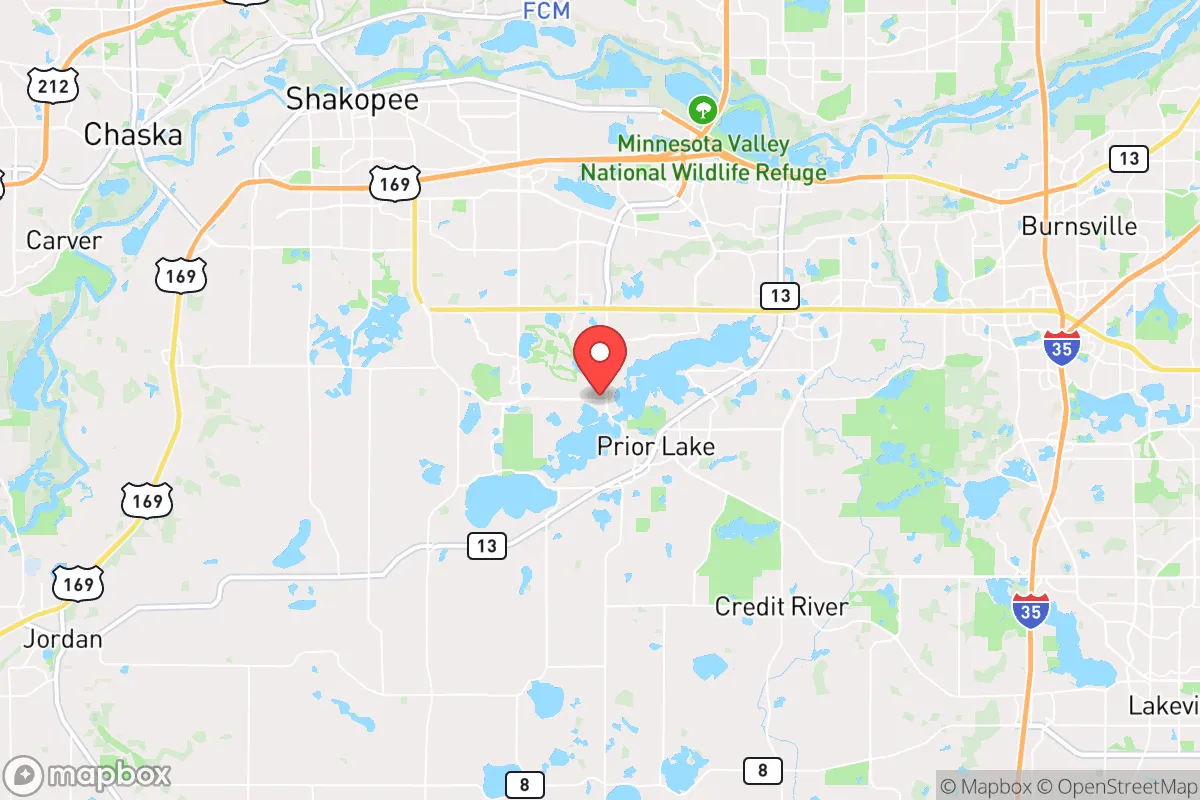
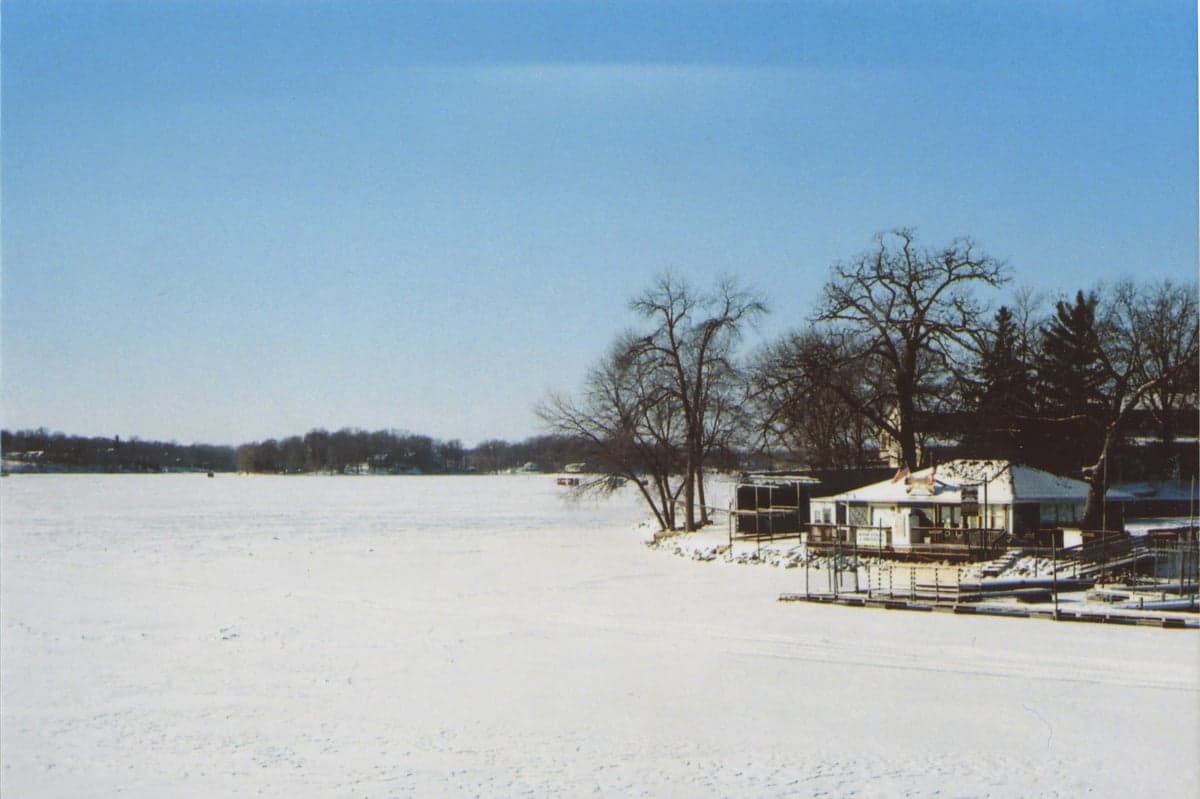
Photo: Wikipedia
Political ClimatePolitical Climate in Prior Lake, MN
District shown is the primary district for this city’s centroid. Cities may span multiple districts.
Local Political AnalysisPolitical Analysis of Prior Lake, MN
Prior Lake, Minnesota, has long been a solidly conservative community, but like many suburbs of the Twin Cities, it's feeling the pressure of a slow but steady political drift. While the area's Cook PVI sits at D+3, that number doesn't tell the full story of a town where folks still value their Second Amendment rights and don't take kindly to the state telling them how to run their lives. The real shift is happening at the county and school board levels, where progressive policies are creeping in, and a lot of us who've been here for decades are watching it with a wary eye.
How it compares
Drive ten minutes east to Shakopee, and you'll find a similar story—a historically conservative town that's now trending blue thanks to new development and a younger, more transient population. Head west to Jordan or Belle Plaine, and you're back in deep-red territory where the local government still respects property rights and parental control over education. Prior Lake sits right in the middle of this tug-of-war. The city council has managed to hold the line on most issues, but the county board and the school district are where you see the real battles. The push for equity-based curriculum and the removal of traditional discipline policies in the schools has been a major flashpoint, and it's not going away.
What this means for residents
For those of us who moved here to escape the chaos of Minneapolis, the biggest concern is that the same policies we fled are following us. The state legislature in St. Paul keeps passing laws that override local control—things like rent control mandates, stricter gun storage requirements, and new environmental regulations that make it harder to develop land. If you own a small business or work in the trades, you've probably already felt the squeeze from higher taxes and more paperwork. The silver lining is that Prior Lake still has a strong network of conservative-leaning civic groups and churches that push back, and the local elections are still winnable if people show up. But the trend is clear: without active engagement, this town will look a lot more like Edina in ten years than the Prior Lake we grew up in.
Culturally, Prior Lake still feels like a place where you can leave your garage door open and your neighbor will wave when you drive by. But the policy battles are getting sharper. The most telling distinction is how the city handles growth: while other suburbs are fast-tracking high-density apartment complexes and transit-oriented development, Prior Lake has been slower to approve those projects, which keeps the character of the town intact. That's a double-edged sword, though—it also means housing prices stay high and young families get priced out. The long-term trajectory depends on whether the conservative base can hold the line against the state's progressive agenda, or whether Prior Lake becomes just another bedroom community for the metro's left-leaning workforce. For now, it's still a good place to raise a family, but you have to stay involved if you want to keep it that way.

State Political ClimatePolitical Climate in Minnesota
State Political AnalysisPolitical Environment in the State
Minnesota has shifted from a reliably purple swing state to a solidly blue stronghold over the past two decades, with Democrats (DFL) now controlling all three levers of state government since 2023. The state voted for Hillary Clinton by 1.5 points in 2016, then Joe Biden by 7 points in 2020, and Kamala Harris by 4 points in 2024 — a clear leftward drift driven almost entirely by the explosive growth of the Twin Cities metro. For a conservative considering relocation, the political climate is increasingly hostile to traditional values, with the state legislature passing a torrent of progressive legislation that would have been unthinkable even ten years ago.
Urban vs. rural divide
The political map of Minnesota is a tale of two states. The Twin Cities metro — Hennepin, Ramsey, and Dakota counties — delivers roughly 60% of the state’s vote and has become a Democratic machine. Minneapolis and St. Paul are deep blue, with precincts routinely voting 80-90% Democratic. Meanwhile, greater Minnesota is overwhelmingly red. Counties like Stearns (St. Cloud), Olmsted (Rochester), and Washington (suburban east metro) have become battlegrounds, but the rural-urban chasm is stark. In 2024, Hennepin County alone gave Harris a 400,000-vote margin, while the rest of the state combined gave Trump a 200,000-vote margin. The Iron Range in northeastern Minnesota — historically a Democratic stronghold — has flipped hard to the right, with St. Louis County (Duluth) shifting 15 points toward Trump since 2012. Suburbs like Lakeville, Woodbury, and Maple Grove are trending blue as well, driven by college-educated professionals moving from the cities. The only reliably red growth areas are exurbs like St. Michael, Albertville, and the St. Croix River valley, but they lack the population to offset metro dominance.
Policy environment
Minnesota’s policy environment has become a laboratory for progressive governance since the DFL trifecta took hold in 2023. The state now has a top marginal income tax rate of 9.85% — among the highest in the nation — and a statewide sales tax of 6.875% that local jurisdictions can add to. Property taxes are also high, especially in the metro. In 2023, the legislature passed a clean energy mandate requiring 100% carbon-free electricity by 2040, effectively banning new natural gas plants. Education policy is dominated by the teachers’ union, with Education Minnesota wielding outsized influence. The state has universal school lunch, but no school choice programs like vouchers or education savings accounts. Healthcare is heavily regulated, with MinnesotaCare serving as a public option for low-income residents. Election laws are among the most liberal in the country: automatic voter registration, same-day registration, no-excuse absentee voting, and a 2023 law restoring felon voting rights upon release from prison. There is no voter ID requirement, which remains a flashpoint for conservatives.
Trajectory & freedom
Minnesota is becoming less free by any measure of personal liberty. The 2023 legislative session was a tsunami of government overreach. The Minnesota Gun Safety Act (HF 4300) imposed universal background checks on private firearm transfers and a “red flag” extreme risk protection order law, making Minnesota one of the most restrictive states for gun owners in the Midwest. The PRO Act (HF 2) banned non-compete agreements for most workers and imposed new mandates on employers. The Trans Refuge Act (HF 146) made Minnesota a sanctuary state for gender-affirming care, protecting providers from out-of-state legal action. Parental rights took a hit with the Minnesota Education Bill of Rights, which expanded LGBTQ+ curriculum requirements and limited opt-out options for parents. On the tax front, the legislature passed a new 4th-tier income tax bracket for earners over $1 million, and a capital gains tax increase. The only bright spot for conservatives was the failure of a proposed constitutional amendment on abortion in 2024, but the state already codified abortion rights into law in 2023 with the Protect Reproductive Options Act.
Civil unrest & political movements
Minnesota has been a flashpoint for civil unrest since the murder of George Floyd in 2020, which sparked riots that caused $500 million in property damage in Minneapolis and St. Paul. The aftermath saw a dramatic rise in crime, with Minneapolis homicides peaking at 96 in 2021 — more than double the pre-2020 average. The city’s police department was defunded by the city council, though the state later stepped in to restore funding. The “Defund the Police” movement remains a live issue, with Minneapolis voters rejecting a 2021 ballot measure to replace the police department with a new public safety agency. On the right, the Minnesota Gun Owners Caucus and Minnesota Family Council have become active, but they are outmatched by well-funded progressive groups like TakeAction Minnesota and SEIU. Immigration politics are tense: Minnesota is a sanctuary state under a 2023 law that limits local cooperation with ICE, and the state has seen a surge in Somali and Hmong populations in the metro. Election integrity remains a concern for conservatives, with no voter ID law and a 2020 election that saw record absentee voting with minimal signature verification. The Minnesota Supreme Court has consistently rejected challenges to the state’s election procedures.
Projection
Over the next 5-10 years, Minnesota will likely become more blue, more regulated, and more expensive. Demographic trends favor the DFL: the Twin Cities metro is growing, while rural areas are shrinking. The state’s population is aging, with Minnesota’s median age now 38.5, and younger voters are overwhelmingly progressive. In-migration patterns are mixed — the state is losing residents to Florida, Texas, and Arizona, but gaining from Illinois and California. The DFL trifecta is unlikely to break anytime soon, as the state Senate map is gerrymandered to favor Democrats in the metro. Expect more tax increases, more gun control, more mandates on businesses, and more progressive education policies. The only wildcard is a potential Republican gubernatorial win in 2026 if the DFL overreaches, but even then, the legislature will remain a hurdle. A conservative moving in now should expect to live in a state where their values are increasingly marginalized, and where the cost of living — driven by taxes and regulation — will continue to rise.
Bottom line for a new resident: If you’re a conservative looking for a state that respects your values on taxes, guns, parental rights, and limited government, Minnesota is a tough sell. The Twin Cities metro is a progressive stronghold, and the state government is actively expanding its reach into every aspect of life. You can find like-minded communities in exurbs like St. Michael or rural counties like Stearns, but you’ll be fighting an uphill battle against a state government that sees your worldview as an obstacle. If you’re willing to pay high taxes and accept a shrinking sphere of personal freedom, Minnesota offers great natural beauty and a strong economy. But if you’re looking for a state that’s trending toward liberty, look elsewhere.
* Values derived from national, state, county, city and local statistics and may differ in a specific area. Last updated: 2026-04-24T10:09:40.000Z
Narrative content on this page is AI-generated and may contain mistakes. Verify any details that matter before acting on them.
ReloMaps may earn a commission from affiliate links at no extra cost to you.

