 Popular
Photo: Wikipedia
Find The Best Places To Live
in Pullman
PRO TIP! You can paste a Zillow or Redfin link to get info on that property.
What It's Like Living in Pullman, WA
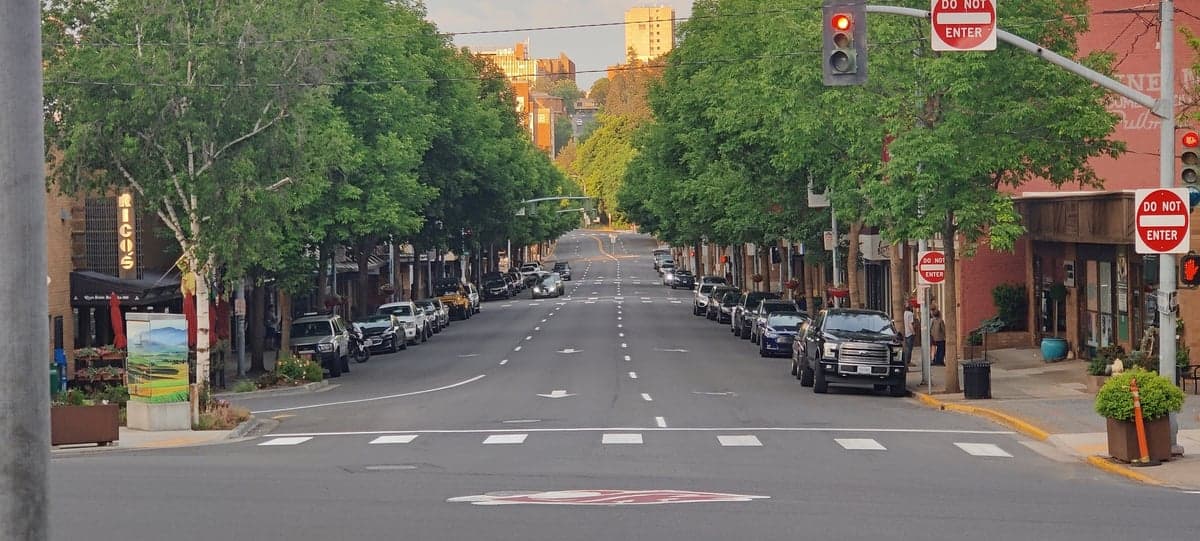
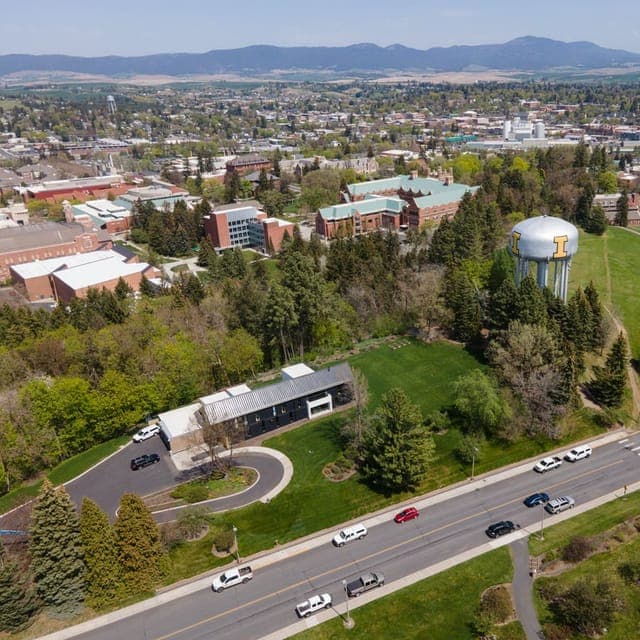
Pullman is a college town in the truest sense—Washington State University doesn’t just anchor the economy here; it sets the rhythm of daily life, the age of the population, and the entire social calendar. With a median age of 22.8 and over 62% of adults holding a college degree, this is a place built around the academic calendar, where the energy shifts dramatically between September and June versus the quiet summer months. For a conservative-leaning audience—especially families and single professionals—living here means navigating a town that is simultaneously youthful and insular, affordable in some ways and surprisingly pricey in others.
The Cougar-First Daily Rhythm
Life in Pullman revolves around WSU. On a typical weekday, the town’s 31,939 residents move through a predictable cycle: students fill the coffee shops (The Daily Grind on Grand Avenue is the unofficial faculty-and-grad-student hangout) while families head to the public schools, which are part of the Pullman School District and generally well-regarded. The average commute is just over 14 minutes—one of the shortest in the state—so you’re never far from work, school, or the grocery store. Most shopping is concentrated along Bishop Boulevard and Grand Avenue, with a Walmart Supercenter, a Safeway, and a few local spots like the Pullman Farmers Market (Saturdays, May through October). Dining leans toward fast-casual and student-friendly: South Fork Public House for burgers and local beer, The Black Cypress for a nicer dinner, and Ferdinand’s Ice Cream Shoppe on campus for WSU-made Cougar Gold cheese and ice cream.
The biggest cultural quirk is the town’s split personality. During the school year, downtown is packed with students, and events like the WSU football game days turn the entire community into a sea of crimson and gray. In summer, the population thins noticeably, and locals joke that you can get a table anywhere. This seasonal rhythm can be a pro or con depending on your tolerance for crowds and quiet.
Sports, Festivals, and What People Actually Do for Fun
Sports are the dominant cultural force. WSU Cougars football games at Martin Stadium are the biggest events of the year—tailgating starts at dawn, and the whole town shuts down for home games. Basketball season at Beasley Coliseum is nearly as intense. For families, the Pullman High School Greyhounds and the local youth leagues are well-supported, but college sports dwarf everything else. If you’re not a Cougar fan, you’ll feel like an outsider.
Beyond sports, the entertainment scene is modest but functional. The annual National Lentil Festival in August is a genuine community tradition—parades, a carnival, and a cook-off featuring the Palouse’s signature crop. The Gladish Community Center hosts concerts and theater, and the nearby Kamiak Butte and Steptoe Butte offer hiking with panoramic views of the rolling wheat fields. For nightlife, the bars along College Avenue (Valhalla, The Coug) are student-heavy; older residents tend to gather at the more subdued Rico’s Public House or the wine bar at The Black Cypress. The biggest frustration for many is the lack of variety—there’s no major music venue, no shopping mall, and no professional sports. For a bigger night out, residents drive 75 miles to Spokane or 90 miles to Moscow, Idaho (home of the University of Idaho).
Who Fits Here—and Who Doesn’t
Pullman works best for people who are comfortable in a small, college-dominated environment. The median household income is $45,097, which is low by national standards, but the cost of living index sits at 109—slightly above average. The median home value of $401,700 is high for a town this size, driven by limited supply and demand from faculty and staff. This creates a squeeze: renters (mostly students) pay a premium for apartments, while homeowners (mostly families and professionals) face a competitive market. The violent crime rate of 153.5 per 100,000 is low—safer than the national average—and property crime is the bigger concern, especially around campus.
For conservative-leaning families, Pullman offers a safe, tight-knit community with good schools and a strong sense of local identity. The political climate leans left due to the university, but the surrounding Palouse region is more mixed, and many residents find common ground around practical issues like agriculture, outdoor recreation, and local business. The biggest downside is isolation: Pullman is a two-hour drive from Spokane, and the nearest major airport (Pullman-Moscow Regional) has limited flights. Winters are gray and snowy, with temperatures often below freezing from November through February, and the town can feel claustrophobic if you’re not plugged into the university or the community’s social networks.
Pros and Cons at a Glance
- Pro: Extremely short commute times and low violent crime make daily life easy and safe.
- Con: Limited shopping, dining, and entertainment options; you’ll drive to Spokane for big-box stores or concerts.
- Pro: Strong sense of community, especially around WSU sports and local festivals.
- Con: High home prices relative to local incomes, and a rental market that caters to students.
- Pro: Excellent public schools and a safe environment for raising kids.
- Con: Harsh winters and geographic isolation can wear on those used to urban amenities.
Pullman is not a place for everyone, but for those who value a predictable, community-oriented life centered on a major university, it offers a distinct and genuine experience. The key is knowing what you’re signing up for: a small town that lives and breathes college sports, where the biggest decision of the week might be whether to hike Kamiak Butte or catch a movie at the Kenworthy Performing Arts Centre. If that sounds like a good trade-off, you’ll find a welcoming, if occasionally quiet, home here.

Similar towns to Pullman

* Values derived from national, state, county, city and local statistics and may differ in a specific area. Last updated: 2026-09-21T19:02:15.000Z
Narrative content on this page is AI-generated and may contain mistakes. Verify any details that matter before acting on them.
ReloMaps may earn a commission from affiliate links at no extra cost to you.

