 Popular
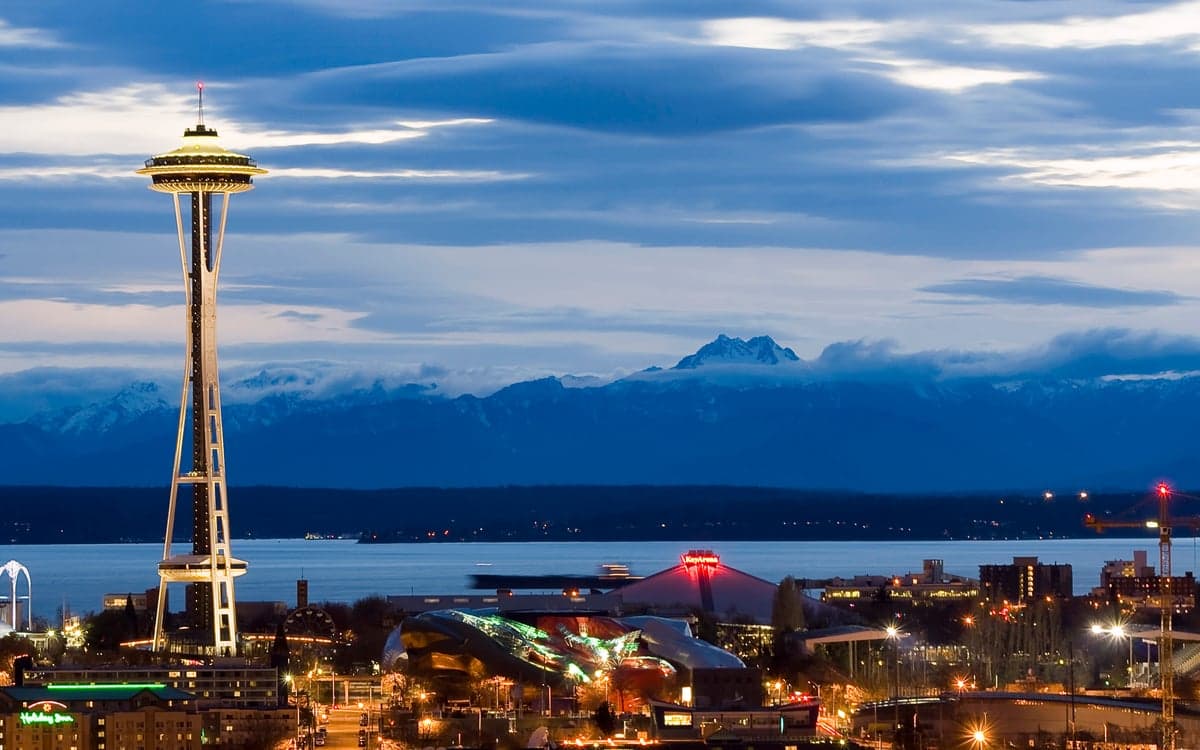
Photo: Wikipedia
Find The Best Places To Live
in Seattle
PRO TIP! You can paste a Zillow or Redfin link to get info on that property.
What It's Like Living in Seattle, WA
Seattle has a way of sneaking up on you. It’s a city of dramatic gray skies and sudden, brilliant sunbreaks, where the tech industry’s wealth meets a stubbornly independent, outdoorsy soul. Living here means accepting that you’ll pay a premium for a modest home, that your umbrella is useless in the wind, and that the best conversations often happen over a pint of local IPA while watching the sun set over the Olympic Mountains. It’s a place that rewards those who lean into its quirks, and frustrates those who expect easy answers.
The Daily Rhythm: Coffee, Commutes, and the Constant Gray
For most Seattleites, the day starts with a pilgrimage to a local coffee shop—not a Starbucks, though that was born here. You’ll find neighborhood institutions like Victrola Coffee Roasters on Capitol Hill or Lighthouse Roasters in Fremont, where the barista knows your order and the rain tapping on the windows is part of the soundtrack. The average commute clocks in at just under 27 minutes, which sounds manageable until you factor in the I-5 and SR-520 traffic that turns a 15-mile drive into a 45-minute slog. Many residents opt for the Link Light Rail or ferries, especially those commuting from Bainbridge Island or West Seattle. Weekends are often spent at Pike Place Market (avoid the crowds by going early Saturday), hiking in Discovery Park, or grabbing a bowl of pho in the International District. The median age is 35.5, and with 67.5% of adults holding a college degree, the city feels intellectually driven—conversations at bars often pivot from startup funding to trail conditions on Mount Rainier.
Sports & Community: From the 12s to High School Rivalries
Seattle is a sports town, but it’s a specific kind of fanaticism. The Seattle Seahawks are a religion—the “12th Man” tradition at Lumen Field is deafening, and the team’s 2013 Super Bowl win still feels like yesterday. Mariners baseball at T-Mobile Park is more of a summer ritual, with fans showing up for the garlic fries and the chance to see a no-hitter. Seattle Sounders soccer draws passionate crowds, and the Seattle Storm (WNBA) have a loyal following that reflects the city’s progressive values. High school sports are less of a community anchor than in the suburbs, but Garfield High School’s basketball games and Ballard High School’s football rivalries still pack gyms on Friday nights. The University of Washington’s Husky Stadium is a weekend destination for college football, with tailgates that stretch along Lake Washington.
What’s There to Do: Festivals, Music, and the Outdoors
Seattle’s cultural calendar is packed. The Bumbershoot music festival over Labor Day weekend draws national acts, while the Seattle International Film Festival (SIFF) runs for weeks in the spring. Capitol Hill Block Party is a summer staple for indie music fans. For live music, The Crocodile and Neumos are legendary venues, and Benaroya Hall hosts the Seattle Symphony. Outdoor life is central: Alki Beach offers city views and kayaking, Gas Works Park is a prime spot for watching the Fourth of July fireworks, and the San Juan Islands are a weekend ferry trip away. The food scene is serious—Canlis is the white-tablecloth icon, but the soul of Seattle eating is in places like Paseo for Caribbean sandwiches or Salumi for cured meats. The Fremont Troll under the Aurora Bridge is a beloved oddity, and the Pike Place Fish Market’s flying fish is a tourist rite of passage.
Pros and Cons of Living Here
Longtime residents love the access to nature—you can be on a world-class hike within 30 minutes of downtown. The job market is robust, driven by Amazon, Microsoft, and a thriving biotech sector, with a median household income of $121,984. But the cost of living index of 233 (more than double the national average) means that median home value of $912,100 buys a modest 1,500-square-foot house in most neighborhoods. The violent crime rate of 696.8 per 100,000 is a real concern, especially in parts of downtown and the International District, though most neighborhoods feel safe during the day. The weather is the biggest cultural quirk: nine months of gray drizzle can wear on even the most dedicated outdoorsperson, and seasonal affective disorder is a common topic. The Seattle Freeze—the reputation for polite but distant social interactions—is real, though it thaws once you join a hiking group or a book club. Schools are a mixed bag; Seattle Public Schools have strong programs but also significant disparities, and many families opt for private or suburban options. The lack of state income tax is a financial bright spot, but high sales and property taxes offset it. Ultimately, Seattle is a city for people who value career ambition, outdoor recreation, and a certain gritty authenticity—and who are willing to pay the price, in both dollars and gray days, to have it.

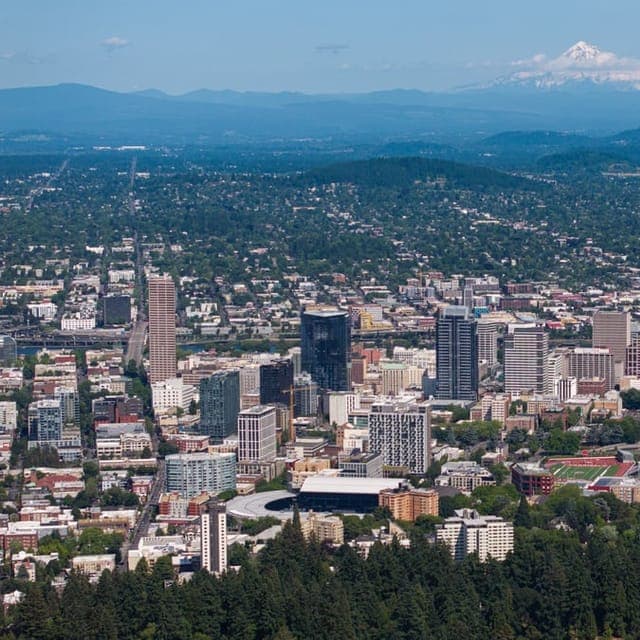
Similar mid-size cities to Seattle
* Values derived from national, state, county, city and local statistics and may differ in a specific area. Last updated: 2026-04-21T10:00:39.000Z
Narrative content on this page is AI-generated and may contain mistakes. Verify any details that matter before acting on them.
ReloMaps may earn a commission from affiliate links at no extra cost to you.

