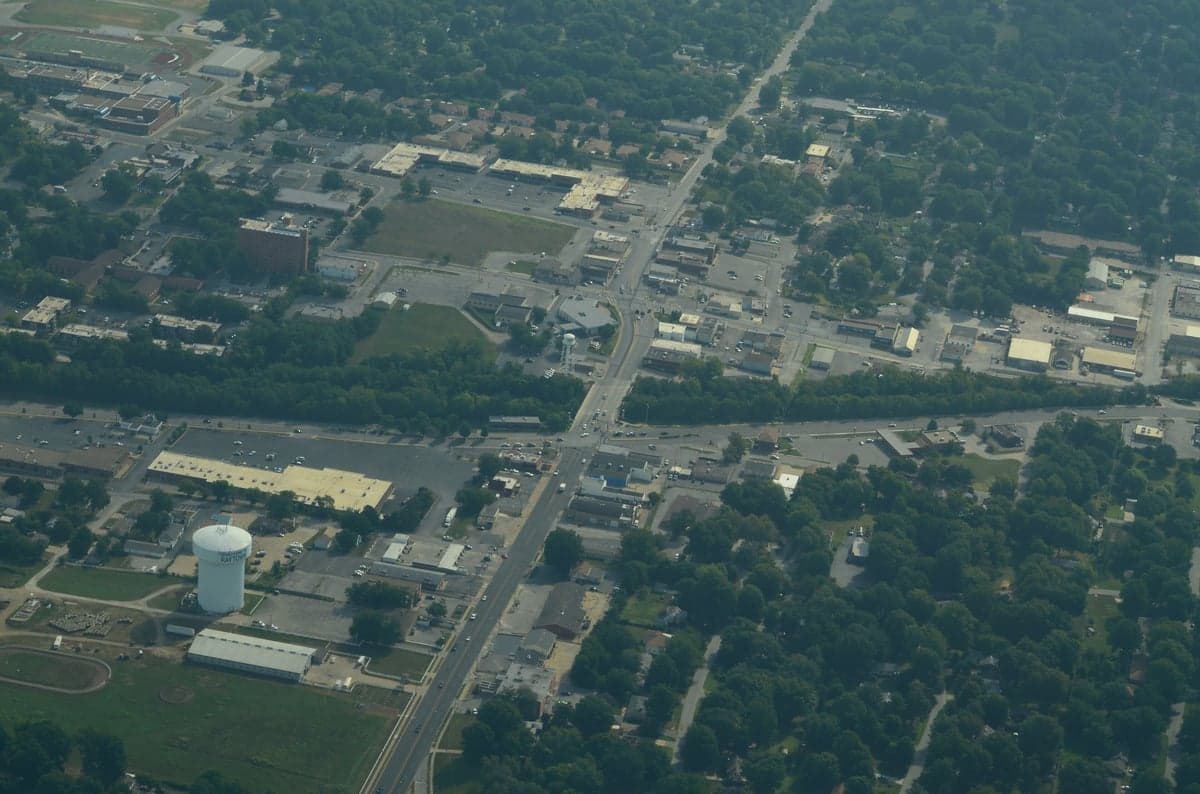
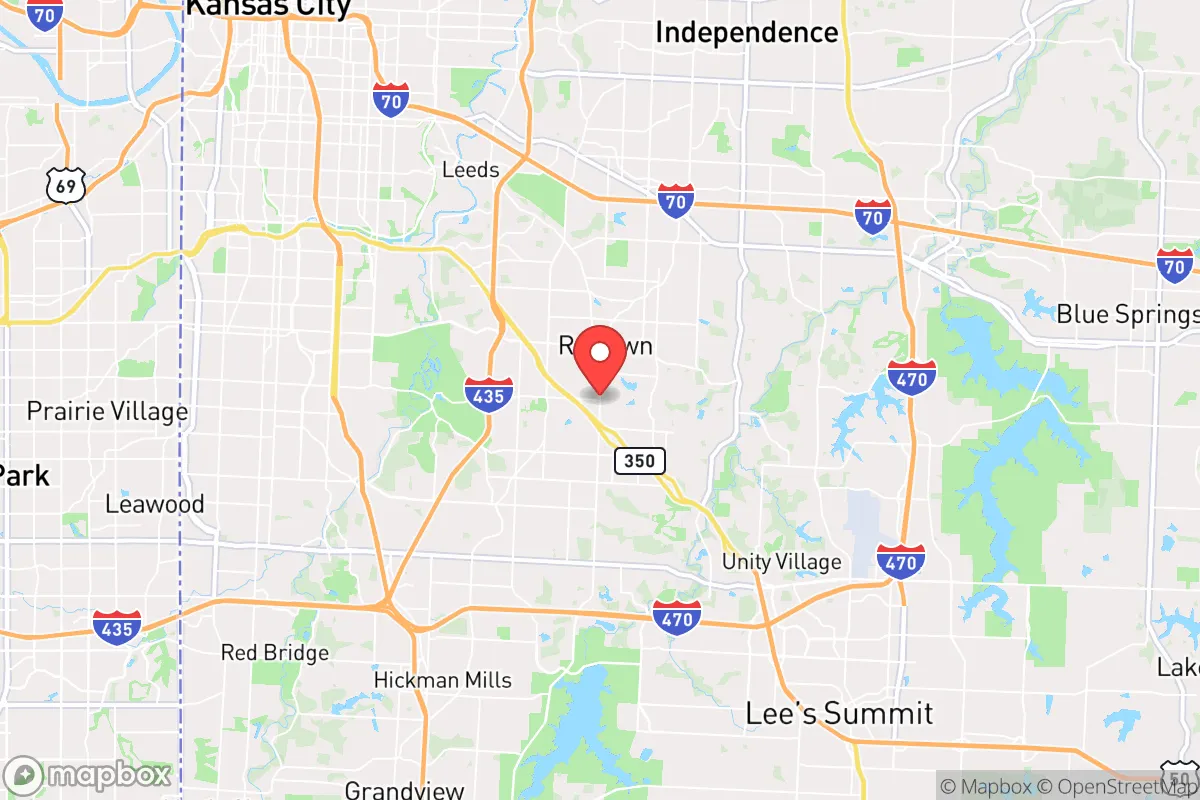
Photo: Wikipedia
Quality of Life in Raytown, MO
A high quality of life with strong walkability, manageable living costs, healthy neighborhood signals, and solid amenity access.
What does Quality of Life tell us?
Quality of Life blends cost of living, nearby amenities, socioeconomic signals, and neighborhood character. City-level scores represent the whole municipality; individual neighborhoods can differ.
What does this tell us?
Quality of Life blends cost of living, nearby amenities, socioeconomic signals, and neighborhood character. City-level scores represent the whole municipality; individual neighborhoods can differ.
Cost of Living
14% below national average
The Real Cost of Living in Raytown, MO for 2026
| Tier | Individual | Family (4) |
|---|---|---|
| Survival | $19k | $36k |
| Comfortable | $31k | $46k |
| Luxury | $97k+ | $150k+ |
| Elite (Top 5%) | $114k+ | $176k+ |
145%
The Area Signal
A metric tracking the socioeconomic signals of the area.
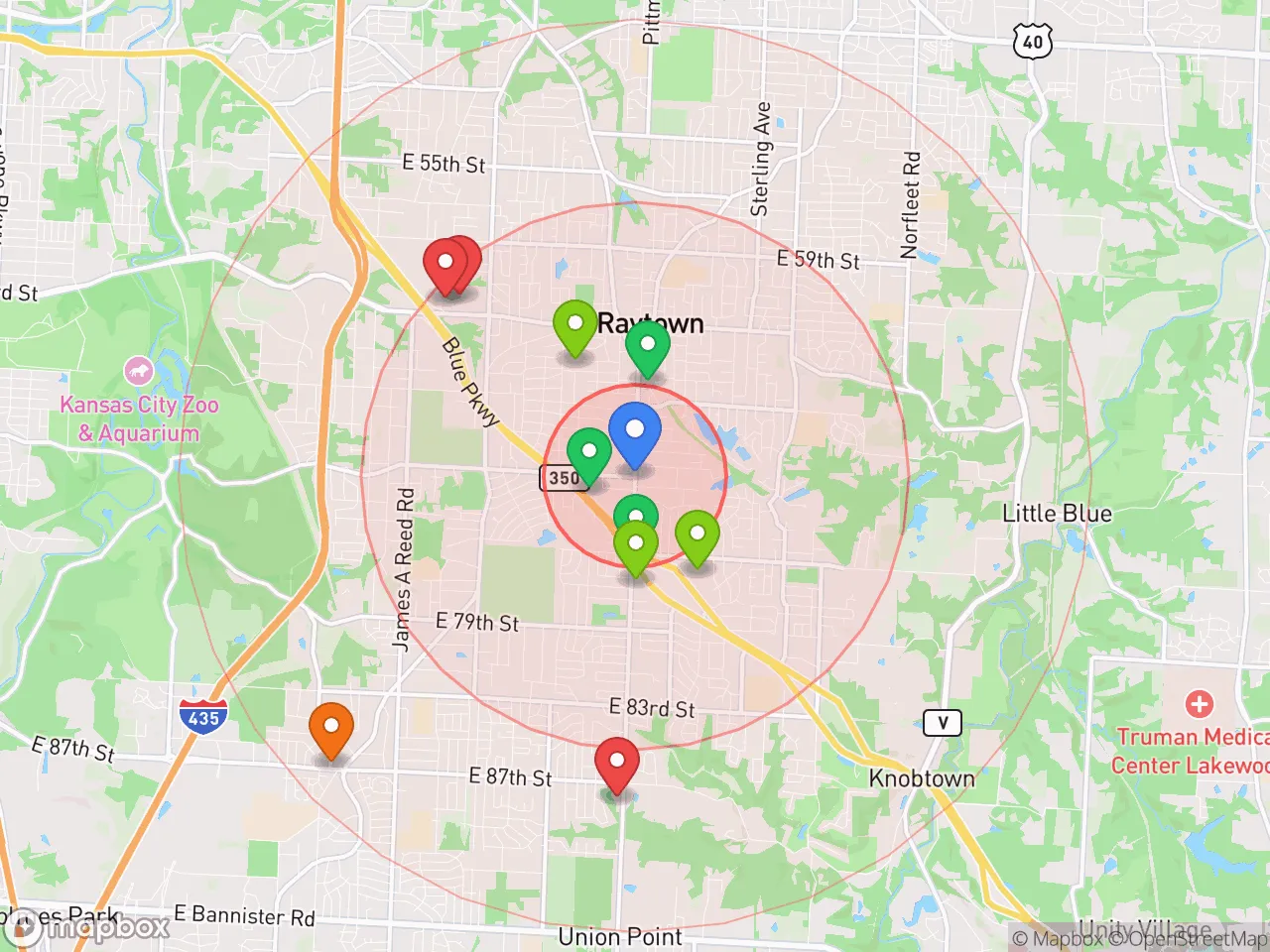
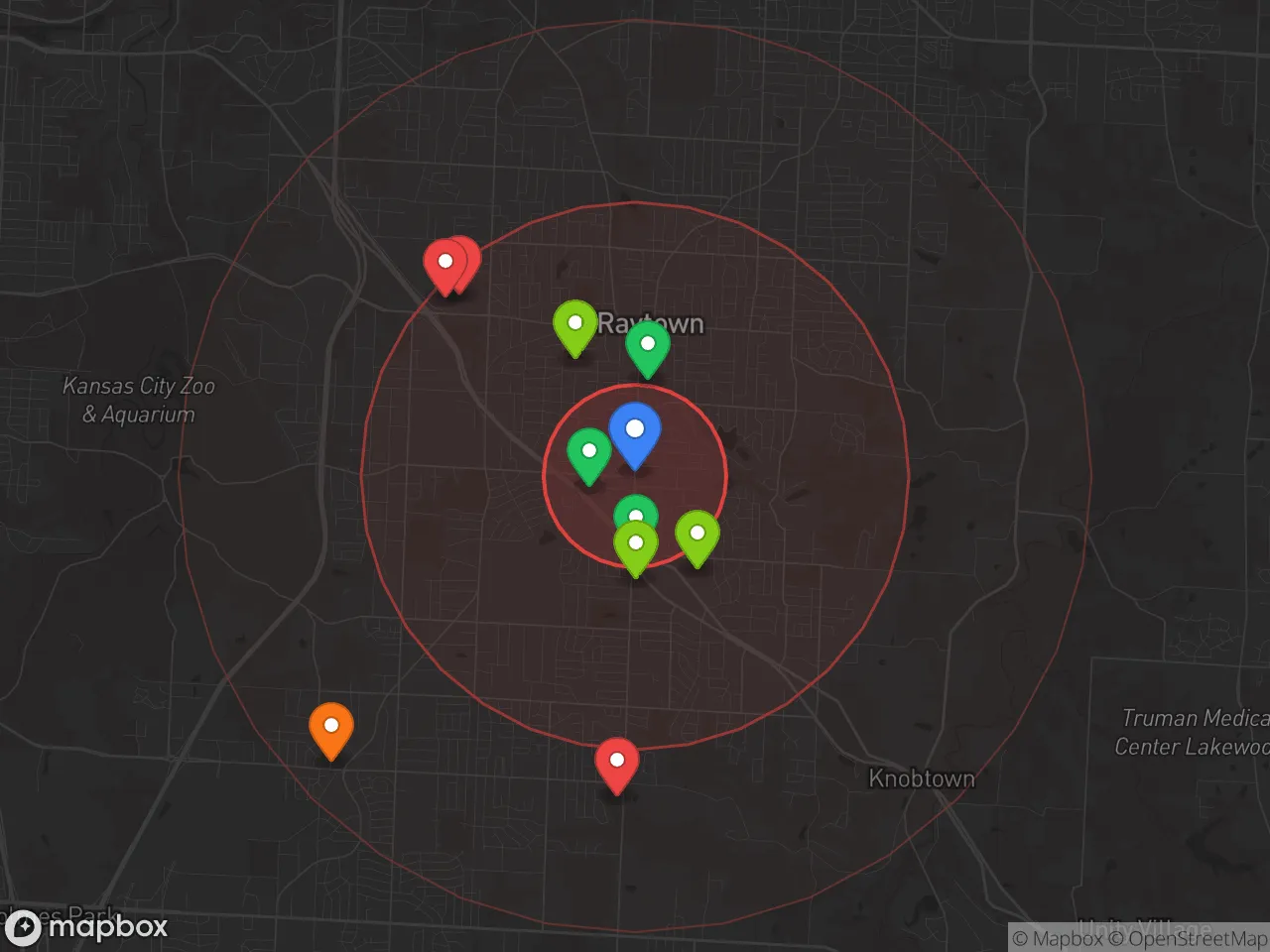
Hobbies
Explore the areaGroceries
6 within 10 miles
Gas
20 within 10 miles
Hospital
20 within 20 miles
Airport
MCI — Kansas City International
Post Office
USPS — Raytown, MO
Critical Amenities
Quality-of-Life Analysis
Raytown, Missouri, offers a middle-class, family-oriented quality of life that stands out for its affordability within the Kansas City metro area. With a cost of living index of 86—14% below the national average—the suburb attracts a mix of long-term residents, young families, and first-time homebuyers seeking more space and lower expenses than core urban neighborhoods. The community is predominantly residential, with a median household income that supports a stable, blue- and white-collar workforce, many of whom commute to jobs in nearby Kansas City.
Cost of living, housing, and affordability compared to Kansas City
Raytown’s housing market is a primary draw for budget-conscious movers. The median home value sits at $162,000, significantly lower than the Kansas City metro median of roughly $240,000 and far below the national figure. Median rent is $1,213, making it one of the more affordable rental markets in Jackson County. This price gap means a typical household can afford a three-bedroom home in Raytown for what a one-bedroom apartment costs in downtown Kansas City or Overland Park. The average commute of 24.5 minutes is slightly shorter than the metro average, reflecting Raytown’s position along major corridors like I-435 and US-50. Property taxes remain moderate, and while home values have appreciated steadily since 2020, the market has not experienced the bidding-war intensity seen in nearby Lee’s Summit or Independence.
Local amenities, schools, and what daily life is like for families
Daily life in Raytown centers on its established neighborhoods, local parks, and a modest but functional commercial corridor along Blue Ridge Boulevard and Raytown Road. The Raytown Quality Schools district serves most of the city, with Raytown South High School and Raytown High School offering a range of extracurriculars and vocational programs. For shopping and dining, residents drive 10–15 minutes to the Country Club Plaza or Ward Parkway Center, though local staples like the Raytown Farmers Market and the historic Raytown Main Street provide walkable weekend options. The city maintains over 20 parks, including Raytown Memorial Park with its sports fields and walking trails, and the nearby Blue River Parkway offers hiking and biking access. Healthcare access is solid, with St. Luke’s East Hospital in Lee’s Summit and Research Medical Center in Kansas City both within a 15-minute drive. The rhythm is suburban: school drop-offs, commutes to downtown or industrial parks, and weekend errands at local big-box stores.
Who thrives in Raytown and what to consider before moving
Raytown is best suited for buyers and renters who prioritize affordability and space over urban nightlife or high-end amenities. First-time homebuyers, growing families, and retirees on fixed incomes will find the housing costs especially attractive. The city’s demographic is predominantly middle-class, with a higher proportion of Black and African American residents than the metro average, contributing to a culturally diverse community. However, those seeking a walkable downtown, luxury retail, or top-tier public school rankings may find better fits in Overland Park or Prairie Village. Crime rates in Raytown are slightly above the national average, though concentrated in specific areas, and the school district faces funding challenges common to older inner-ring suburbs. For anyone willing to trade prestige for value, Raytown delivers a solid, affordable foundation for daily life within easy reach of Kansas City’s employment and cultural hubs.

Crime in Raytown, MO
Higher crime rates than 70% of comparable U.S. locations.
Violent CrimeViolent Crime Analysis
Property CrimeProperty Crime Analysis
Crime Analysis
Raytown, Missouri, reports a violent crime rate of 660.5 incidents per 100,000 residents and a property crime rate of 2,789.7 per 100,000, placing it well above both state and national averages for public safety. These figures indicate that residents face a significantly elevated risk of becoming victims of crime compared to the typical American suburb. The data reflects a community grappling with challenges that are increasingly common in inner-ring suburbs of large metropolitan areas, particularly those influenced by the criminal justice policies of the surrounding Kansas City region.
Crime in context
Raytown's violent crime rate is nearly double the national average of roughly 380 per 100,000, while its property crime rate exceeds the U.S. average by a wide margin. Missouri as a whole has a higher-than-average crime profile, but Raytown's numbers are notably worse than the state's overall rates. The city's proximity to Kansas City, a metro area where progressive prosecutors and district attorneys have implemented policies that prioritize diversion and reduced incarceration for repeat offenders, is a contributing factor. These policies, while sympathetic to offenders, have been linked to increased recidivism and a greater number of criminals on the street, directly impacting public safety in Raytown and similar communities. The result is a justice system that often fails to adequately deter crime or deliver justice for victims.
What residents experience
For those living in Raytown, the high crime rates translate into tangible daily concerns. Property crime—including burglary, theft, and motor vehicle theft—is the most frequent issue, with residents reporting stolen packages, vehicle break-ins, and home burglaries as common occurrences. Violent crime, while less frequent, is a serious threat, with aggravated assaults and robberies occurring at rates that demand vigilance. The perception of safety is further eroded by the knowledge that offenders often face minimal consequences due to the prevailing progressive ideology in the local justice system. This environment creates a sense of insecurity that affects quality of life, property values, and the willingness of families to remain in or move to the area.
Neighborhood-level variation does exist, with some areas near the city's southern and eastern edges—closer to the more conservative jurisdictions of Jackson County—tending to report slightly lower crime rates. However, the overall risk remains high across most of Raytown. Prospective residents should carefully research specific blocks and consider that the broader metropolitan area's lenient approach to criminal justice means that safety concerns are unlikely to improve in the near term. For those prioritizing security, Raytown presents a challenging environment compared to more suburban or rural alternatives in the region.
* Values derived from national, state, county, city and local statistics and may differ in a specific area. Last updated: 2026-04-24T13:18:21.000Z
Narrative content on this page is AI-generated and may contain mistakes. Verify any details that matter before acting on them.
ReloMaps may earn a commission from affiliate links at no extra cost to you.

