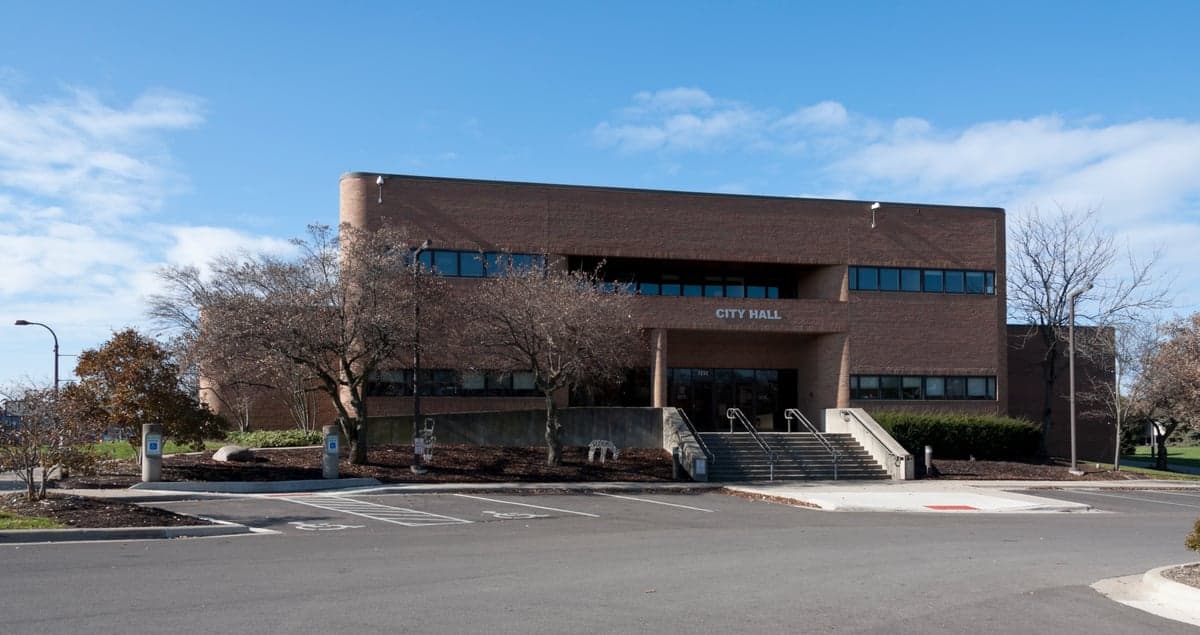
Photo: Wikipedia
Strategic Assessment of Reynoldsburg, OH
Multiple tactical vulnerabilities. Population density, target proximity, or disaster risk are likely compounding. A retreat property and exit planning is required.
What does the Strategic Assessment tell us?
Our Strategic Assessment grades tactical survivability of an area. Major population centers, military targets, fallout zones, natural disasters, and border exposure all drive risk — lower exposure means a more defensible position in a crisis.
This is heavily inspired by Joel Skousen's Strategic Relocation book. Highly recommended you checkout the book ($)What does this tell us?
Our Strategic Assessment grades tactical survivability of an area. Major population centers, military targets, fallout zones, natural disasters, and border exposure all drive risk — lower exposure means a more defensible position in a crisis.
This is heavily inspired by Joel Skousen's Strategic Relocation book. Highly recommended you checkout the book ($)Strategic Pillars

Key Distances
Regional Safe Places
Below is our recommended "safe zones" in Ohio and the surrounding area based on our strategic heuristics. For most people, it's unrealistic to live in a “safe zone” full-time due to work, family or other personal reasons. They tend to be more rural. However, many of these areas are perfect for second homes and retreat properties that double as a vacation home or even a short-term rental.

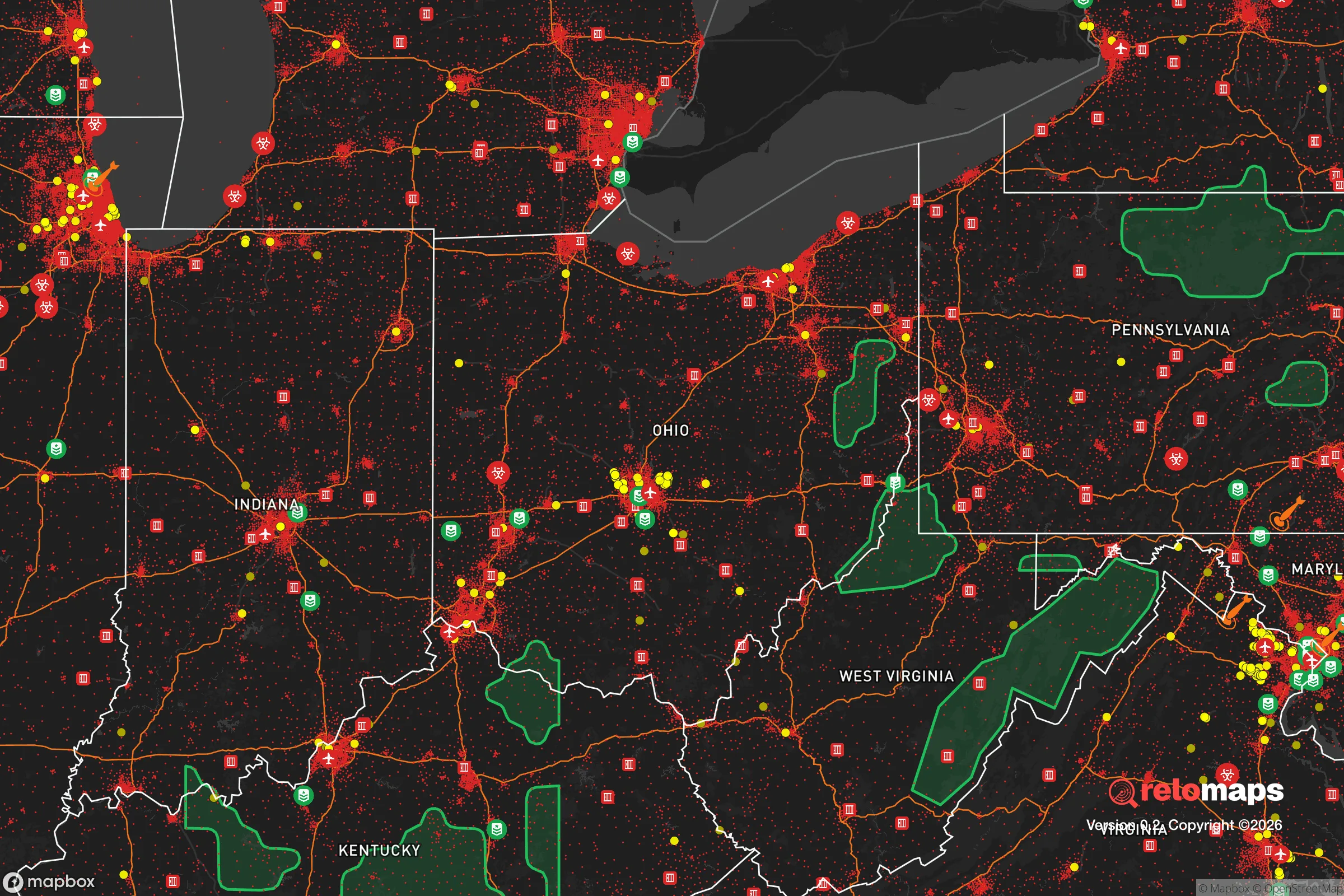


Important Note: For informational purposes only. This does not mean nothing bad ever happens in the green zones. Please use common sense. This is based on public data and modeled with AI. We tried to take a conservative approach but mistakes happen. We update this regularly as new information becomes available.
Solar Generator Recommendations
Backup power matters more here than in safer locations. We've picked three solar generators across budgets and capacity tiers — start with the budget unit if you only need a few essentials, or step up if you want to run a fridge and HVAC for days at a time.

Jackery Portable Power Station Explorer 300
Budget OptionPower on the Go: Weighing only 11 lbs, it's convenient to set up and store with book-sized foldable solar panels

BLUETTI Portable Power Station AC180
Designed for both indoor and outdoor scenarios, AC180 is highly capable as it has a robost capacity and continuous output power.

EF ECOFLOW DELTA Pro Ultra Power Station
Upgraded PickEcoFlow DELTA Pro Ultra is a whole-home energy system designed to grow with your family. Integrated with the Smart Home Panel 2, it scales to meet your evolving energy needs — keeping your home powered, intelligent, and secure through every stage of life.
We earn a commission, at no additional cost to you.
Strategic Assessment Analysis
Reynoldsburg, Ohio, sits in a precarious strategic position that demands careful consideration for anyone serious about long-term preparedness. While its location along the I-70 corridor offers economic advantages, that same proximity to major population centers and critical infrastructure introduces significant vulnerabilities that a survival-minded relocator cannot ignore. The city's resilience is a mixed bag: decent local governance and community cohesion are offset by its position within the blast radius of multiple high-value targets, making it a location that requires active mitigation rather than passive safety.
Geographic position and natural advantages for long-term stability
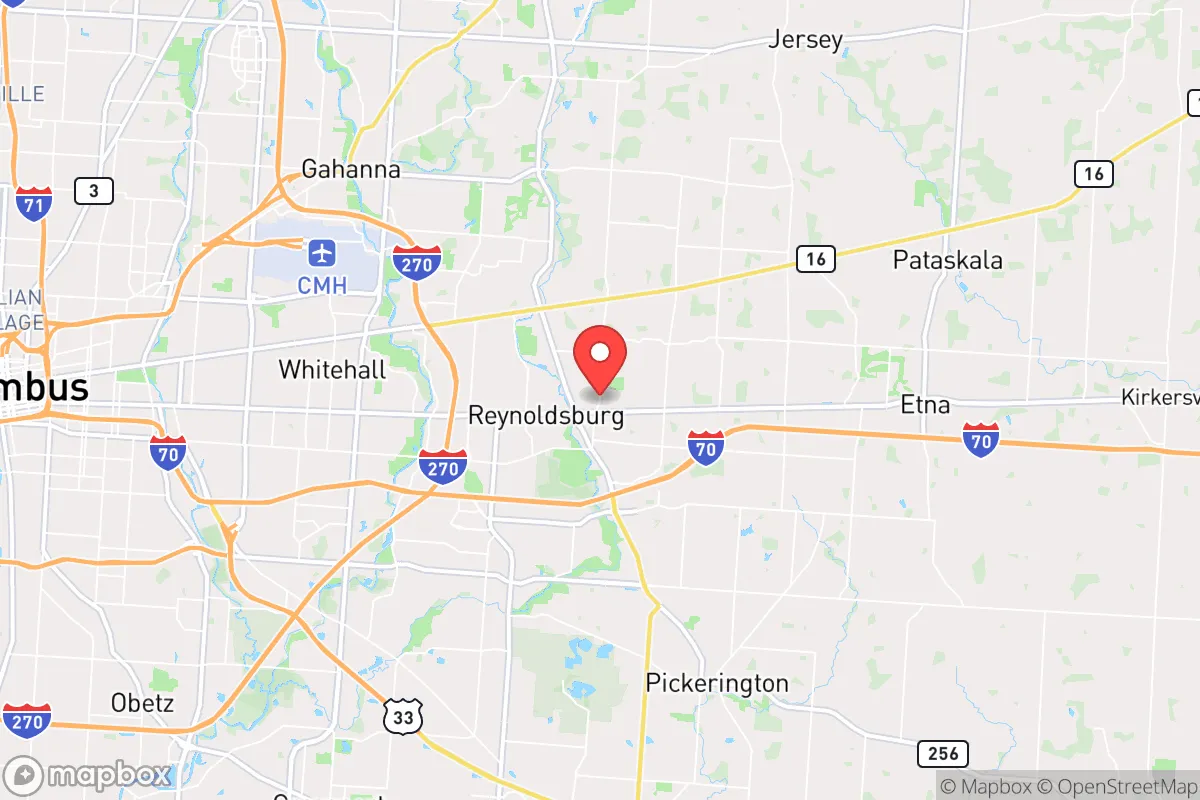
Reynoldsburg is anchored in central Ohio, roughly 15 miles east of downtown Columbus, placing it within the Columbus metropolitan area but far enough from the urban core to avoid the worst of immediate post-event chaos. The area sits on relatively flat, well-drained terrain typical of the Till Plains, with access to the Scioto River watershed via tributaries like Blacklick Creek. This geography provides decent agricultural potential—the surrounding farmland is some of the most productive in the state, with deep, fertile soils that could support subsistence farming if supply chains collapse. The region's climate is temperate, with four distinct seasons, which means a relocator must prepare for both harsh winters and humid summers, but it avoids the extremes of tornado alley or hurricane zones. Natural water sources are present but not abundant; the Scioto River and its tributaries are the primary surface water, though they are subject to agricultural runoff and periodic flooding. Groundwater is accessible via wells in many parts of the county, but the water table depth varies, and well drilling costs should be factored into any relocation budget. The lack of major natural barriers—no mountains, no large forests—means the area is not naturally defensible, but it also means escape routes are plentiful if a situation deteriorates.
Risks, exposures, and proximity to fallout-relevant landmarks
The most significant strategic liability for Reynoldsburg is its proximity to Columbus, a major logistics and government hub. The city is within 20 miles of the Rickenbacker Air National Guard Base, a key military airlift and refueling installation that would be a high-priority target in any conflict involving state actors. Additionally, the I-70/I-71 interchange in Columbus is a critical chokepoint for national supply chains, and its disruption would immediately affect Reynoldsburg's access to goods and services. The nearby Defense Supply Center Columbus (DSCC) is a massive logistics depot for the U.S. military, making it another potential target for sabotage or direct attack. For the prepper, this means that any major event—whether a conventional war, a terrorist strike, or a cyberattack on the power grid—could render Reynoldsburg a secondary fallout zone, with refugees streaming east from Columbus and potential contamination from damaged industrial sites. The city itself has no major chemical or nuclear facilities, but the presence of the Columbus-area chemical plants and the Pickaway County industrial corridor (including a large propane storage facility) means that a hazmat incident could drift eastward with prevailing winds. Civil unrest in Columbus, which has seen periodic protests and riots, could spill over into Reynoldsburg, especially along the Broad Street corridor. The city's police department is competent but small, and mutual aid agreements with Columbus could be strained during a widespread crisis.
Practical resilience for a relocator: food, water, energy, and defensibility
For a relocator focused on self-sufficiency, Reynoldsburg offers a mixed picture. Food security is achievable through local agriculture: the city is surrounded by farms producing corn, soybeans, and livestock, and the Reynoldsburg Farmers Market provides a direct link to local producers. However, reliance on industrial agriculture means that a collapse in fuel or fertilizer supply would hit hard. A serious prepper should plan to establish a home garden and consider joining a local CSA (Community Supported Agriculture) to build relationships with growers. Water is the more immediate concern. The city's water supply comes from the Columbus Division of Water, which draws from the Scioto River and the Hoover Reservoir. This centralized system is vulnerable to contamination, cyberattack, or physical sabotage. A well is the best long-term solution, but not all properties in Reynoldsburg have access to groundwater suitable for drinking; a perc test and well-drilling estimate are essential before purchase. Rainwater collection is legal in Ohio but must be used for non-potable purposes unless treated. Energy resilience is achievable with solar panels, as the region receives about 4.5 peak sun hours per day on average, enough to power a modest off-grid setup. Natural gas is widely available for heating, but a backup wood stove or propane heater is wise given grid vulnerabilities. Defensibility is the weakest point. Reynoldsburg is a suburban grid of cul-de-sacs and strip malls, with no natural chokepoints or high ground. The best strategy is to choose a property on the eastern edge of the city, closer to the rural areas of Licking County, where road access is more limited and neighbors are farther apart. A home with a basement, a fenced yard, and a clear line of sight to approach routes is ideal. The local gun culture is moderate; Ohio is a shall-issue state for concealed carry, and Reynoldsburg has no additional restrictions beyond state law. Building a network of like-minded neighbors is critical—the city's community groups and churches (many of which are conservative-leaning) can serve as a foundation for mutual aid.
The overall strategic picture for Reynoldsburg is one of calculated risk. It is not a survivalist paradise—it is too close to a major city, too dependent on centralized infrastructure, and too flat to be easily defended. But for a relocator who wants to stay within driving distance of Columbus for work or family while maintaining a credible preparedness posture, it offers a viable middle ground. The key is to treat Reynoldsburg as a base of operations rather than a final redoubt: invest in a well, solar panels, and a garden; build relationships with local farmers and gun owners; and have a bug-out plan for heading east into the more sparsely populated Appalachian foothills if the situation in Columbus deteriorates beyond recovery. The city's schools are decent, its crime rate is manageable, and its tax base is stable—but none of that matters if the grid goes down and the refugees come. Prepare accordingly, and Reynoldsburg can be a solid anchor for a decade or more of uncertainty. Ignore the risks, and it will be just another suburb that gets overrun when the system fails.

* Values derived from national, state, county, city and local statistics and may differ in a specific area. Last updated: 2026-04-21T19:24:44.000Z
Narrative content on this page is AI-generated and may contain mistakes. Verify any details that matter before acting on them.
ReloMaps may earn a commission from affiliate links at no extra cost to you.

