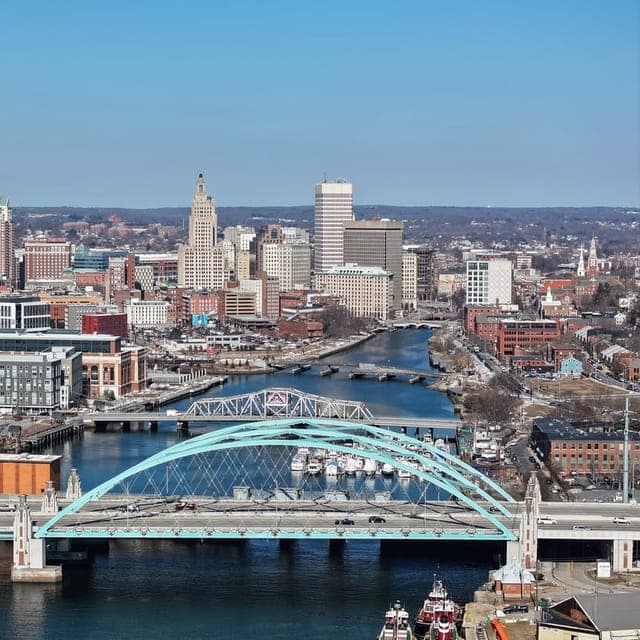
Photo: Wikipedia
Personal Sovereignty in Rhode Island
Viable for self-reliance. Generally workable, though some barriers may limit total independence.
What does Personal Sovereignty tell us?
Personal Sovereignty measures your capacity for self-reliance and independence with minimal government friction. Higher scores mean fewer barriers between you and the way you want to live... but it assumes you have the space you need and good neighbors.
What does this tell us?
Personal Sovereignty measures your capacity for self-reliance and independence with minimal government friction. Higher scores mean fewer barriers between you and the way you want to live... but it assumes you have the space you need and good neighbors.
State Policy
Energy independence: Importer (1% of energy produced in-state)
Personal Liberty
Homesteading

Personal Liberty Analysis
Rhode Island presents a challenging environment for those prioritizing personal sovereignty, with a dense regulatory framework and a political culture that often prioritizes collective action over individual autonomy. The state’s small size and high population density mean that government reach is pervasive, from strict land-use rules to a heavily regulated economy. For conservative-leaning individuals and families seeking to maximize self-reliance, Rhode Island ranks low compared to states like New Hampshire or Texas, though certain pockets—particularly in rural towns like Foster, Scituate, and West Greenwich—offer slightly more breathing room than the urban core of Providence or the coastal enclaves of Newport and Barrington.
Tax burden and regulatory posture: how Rhode Island compares to neighboring states
Rhode Island’s tax burden is among the highest in the nation, consistently ranking in the top five for combined state and local taxes. The state income tax is progressive, with rates from 3.75% to 5.99%, and property taxes are steep—especially in communities like Barrington, East Greenwich, and Jamestown, where effective rates often exceed 1.5% of assessed value. Sales tax is 7%, applied broadly, including to many services. The regulatory posture is similarly heavy: the state’s permitting processes for construction, business licensing, and environmental compliance are notoriously slow and costly. For example, building a new home in rural Exeter or North Kingstown can take months longer than in comparable towns in New Hampshire or Maine due to state-level wetland and coastal zone regulations. The Rhode Island Department of Environmental Management (DEM) exercises broad authority over land use, making off-grid or self-sufficient projects—like installing a septic system, drilling a well, or erecting a wind turbine—subject to extensive review. This regulatory density directly undermines personal sovereignty by making it difficult to live independently of municipal and state systems.
Self-defense and gun law specifics: what the Second Amendment landscape looks like
Rhode Island is a shall-issue state for concealed carry permits, but the process is far from straightforward. Applicants must complete a state-approved firearms safety course, submit fingerprints, and pass a background check, with local police chiefs retaining significant discretion to deny permits. In practice, urban departments like Providence and Pawtucket are more restrictive, while rural towns like Foster and Glocester are generally more accommodating. The state also bans "assault weapons" and high-capacity magazines, and it requires a seven-day waiting period for handgun purchases. Open carry is legal with a permit, but rarely practiced due to local ordinances and public sentiment. For preppers and survivalists, the legal environment is hostile to building a robust personal arsenal: magazine capacity is limited to 10 rounds, and the state maintains a registry of all firearm purchases. Self-defense laws are moderate—Rhode Island has a "duty to retreat" in public spaces, meaning deadly force is only justified if retreat is impossible. This contrasts sharply with stand-your-ground states like Florida or Texas. For those prioritizing the right to defend themselves and their families, Rhode Island’s gun laws are a significant drawback, though the rural towns of Burrillville and Richmond offer a more gun-friendly culture than the rest of the state.
Self-reliance and homesteading viability: lot sizes, zoning, and off-grid feasibility
Homesteading in Rhode Island is possible but constrained by high land costs and restrictive zoning. Minimum lot sizes vary dramatically: in Providence and Warwick, residential lots are often under a quarter-acre, while rural towns like Foster and Scituate require at least two acres for new construction, with some areas mandating five acres for agricultural use. Zoning codes in most towns prohibit keeping livestock on lots under one acre, and many suburban communities—like Cranston and Cumberland—ban chickens, goats, or bees entirely. Off-grid living is nearly impossible due to state building codes that mandate grid-tied electrical connections for new homes, and the DEM’s strict regulations on rainwater collection and wastewater treatment. Solar panels are permitted but subject to historic district reviews in places like Newport and Bristol, adding cost and delay. The state’s agricultural tax program (Farm, Forest, and Open Space) offers property tax relief for land used for farming or forestry, but the application process is bureaucratic and requires a minimum of five acres. For those serious about self-reliance, the best options are in the western towns of Exeter, Richmond, and Hopkinton, where larger parcels and more permissive zoning allow for gardening, small-scale livestock, and woodlot management. Even there, however, the state’s overall regulatory posture makes true off-grid independence a legal and practical challenge.
Personal liberties: parental rights, medical autonomy, speech, and property
Rhode Island’s record on personal liberties is mixed, with notable government overreach in several areas. Parental rights are relatively strong in theory—the state does not have a universal vaccine mandate for schoolchildren, though it requires a broad set of immunizations for public school attendance, with only medical exemptions allowed. Medical autonomy is limited: the state has strict prescription drug monitoring, and during the COVID-19 pandemic, it imposed one of the nation’s longest-lasting indoor mask mandates. Free speech is protected under the First Amendment, but local noise ordinances and public assembly permits in cities like Providence can be used to restrict protests or gatherings. Property rights are the weakest link: the state’s extensive use of eminent domain for redevelopment projects—most controversially in the 2005 Kelo v. New London case, which originated in Connecticut but set a precedent that Rhode Island has embraced—means that private property can be taken for economic development purposes. The Rhode Island Supreme Court has also upheld broad municipal powers to regulate land use, including moratoriums on new construction and restrictions on short-term rentals. For parents concerned about government overreach into family decisions, or for individuals who value medical and property autonomy, Rhode Island’s legal environment is less favorable than states like New Hampshire or South Dakota, where parental rights and property protections are more explicitly codified.
Overall, Rhode Island ranks poorly for personal sovereignty compared to most of the United States. Its high taxes, dense regulations, restrictive gun laws, and limited homesteading viability create an environment where government oversight is a constant factor in daily life. For conservative-leaning individuals and families who prioritize self-reliance and autonomy, the state’s best option is to settle in the rural western towns—Foster, Scituate, Exeter, Richmond, or Hopkinton—where local culture and zoning offer modest relief from state-level overreach. Even there, however, the structural constraints of a small, densely populated state with a strong regulatory tradition mean that true personal sovereignty remains elusive. Those who can relocate to New Hampshire, Maine, or the interior West will find far more room to live according to their own values and priorities.

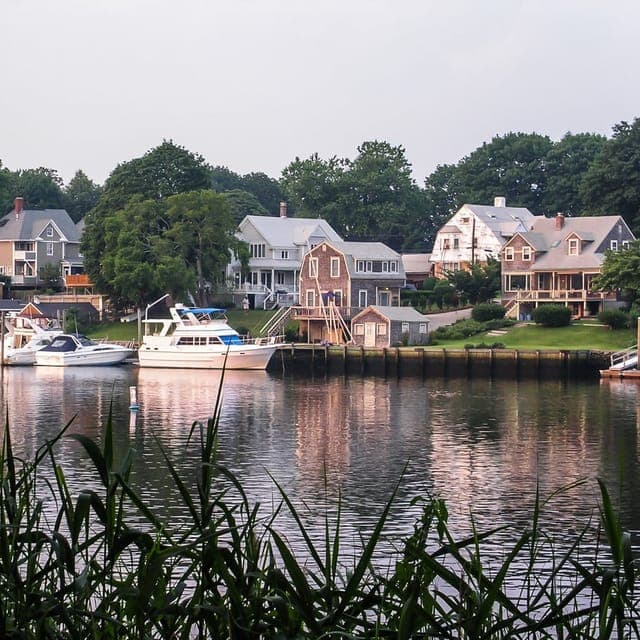
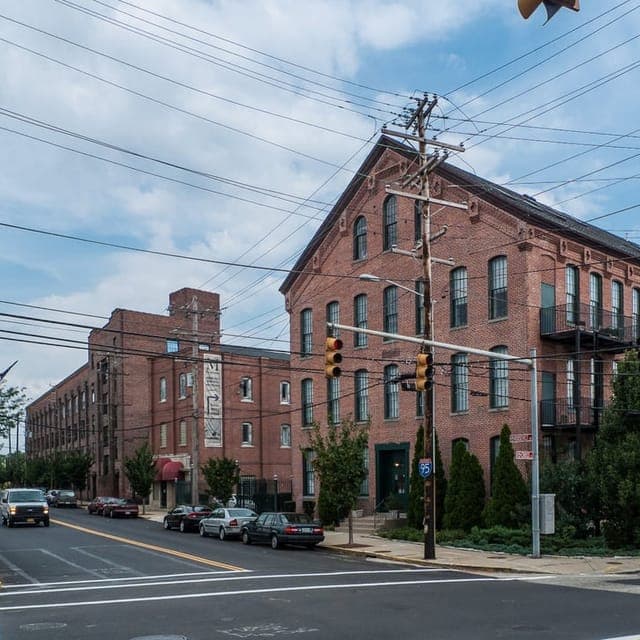
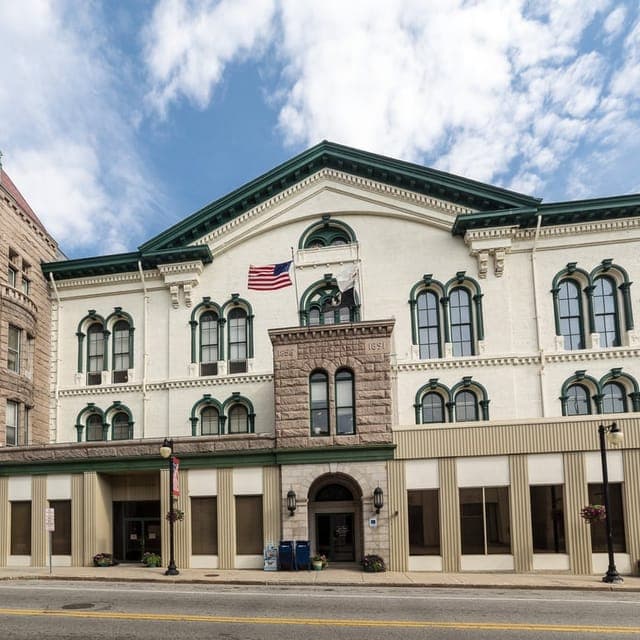
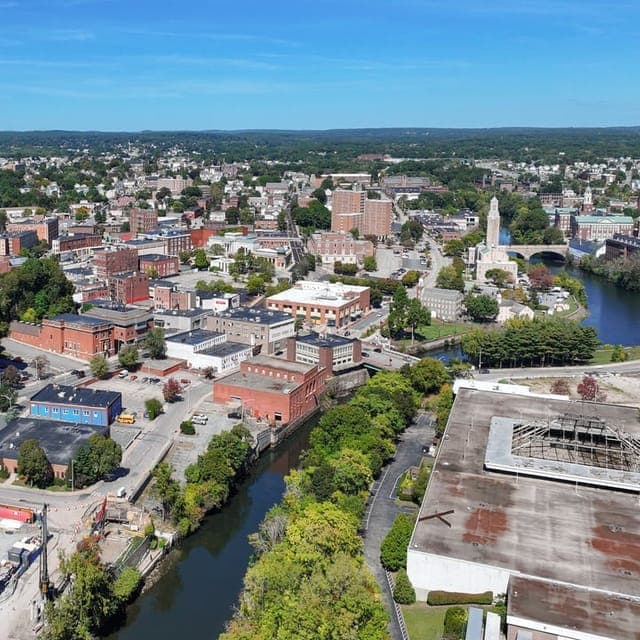
Top Cities for Personal Sovereignty in Rhode Island


* Values derived from national, state, county, city and local statistics and may differ in a specific area. Last updated: 2026-04-19T01:38:18.000Z
Narrative content on this page is AI-generated and may contain mistakes. Verify any details that matter before acting on them.
ReloMaps may earn a commission from affiliate links at no extra cost to you.

