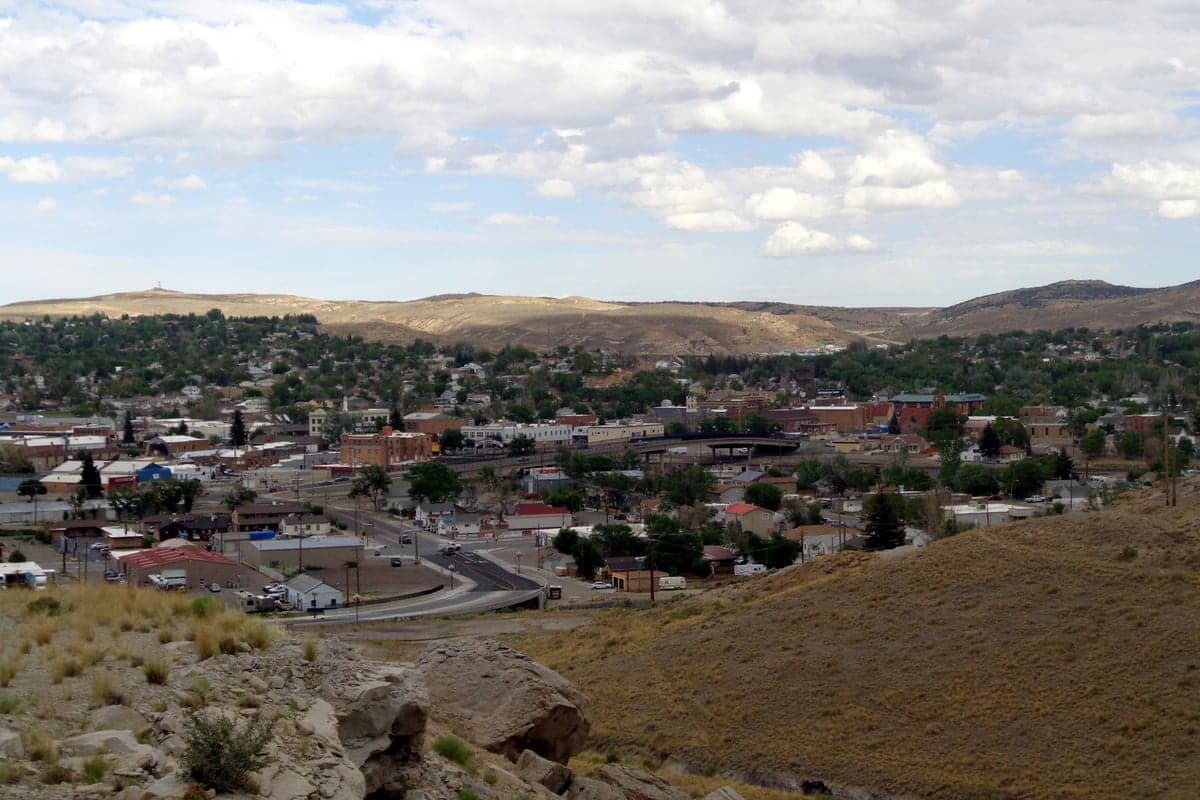
Photo: Wikipedia
Quality of Life in Rock Springs, WY
A high quality of life with strong walkability, manageable living costs, healthy neighborhood signals, and solid amenity access.
What does Quality of Life tell us?
Quality of Life blends cost of living, nearby amenities, socioeconomic signals, and neighborhood character. City-level scores represent the whole municipality; individual neighborhoods can differ.
What does this tell us?
Quality of Life blends cost of living, nearby amenities, socioeconomic signals, and neighborhood character. City-level scores represent the whole municipality; individual neighborhoods can differ.
Cost of Living
17% below national average
The Real Cost of Living in Rock Springs, WY for 2026
| Tier | Individual | Family (4) |
|---|---|---|
| Survival | $15k | $28k |
| Comfortable | $48k | $70k |
| Luxury | $132k+ | $205k+ |
| Elite (Top 5%) | $161k+ | $249k+ |
105%
The Area Signal
A metric tracking the socioeconomic signals of the area.
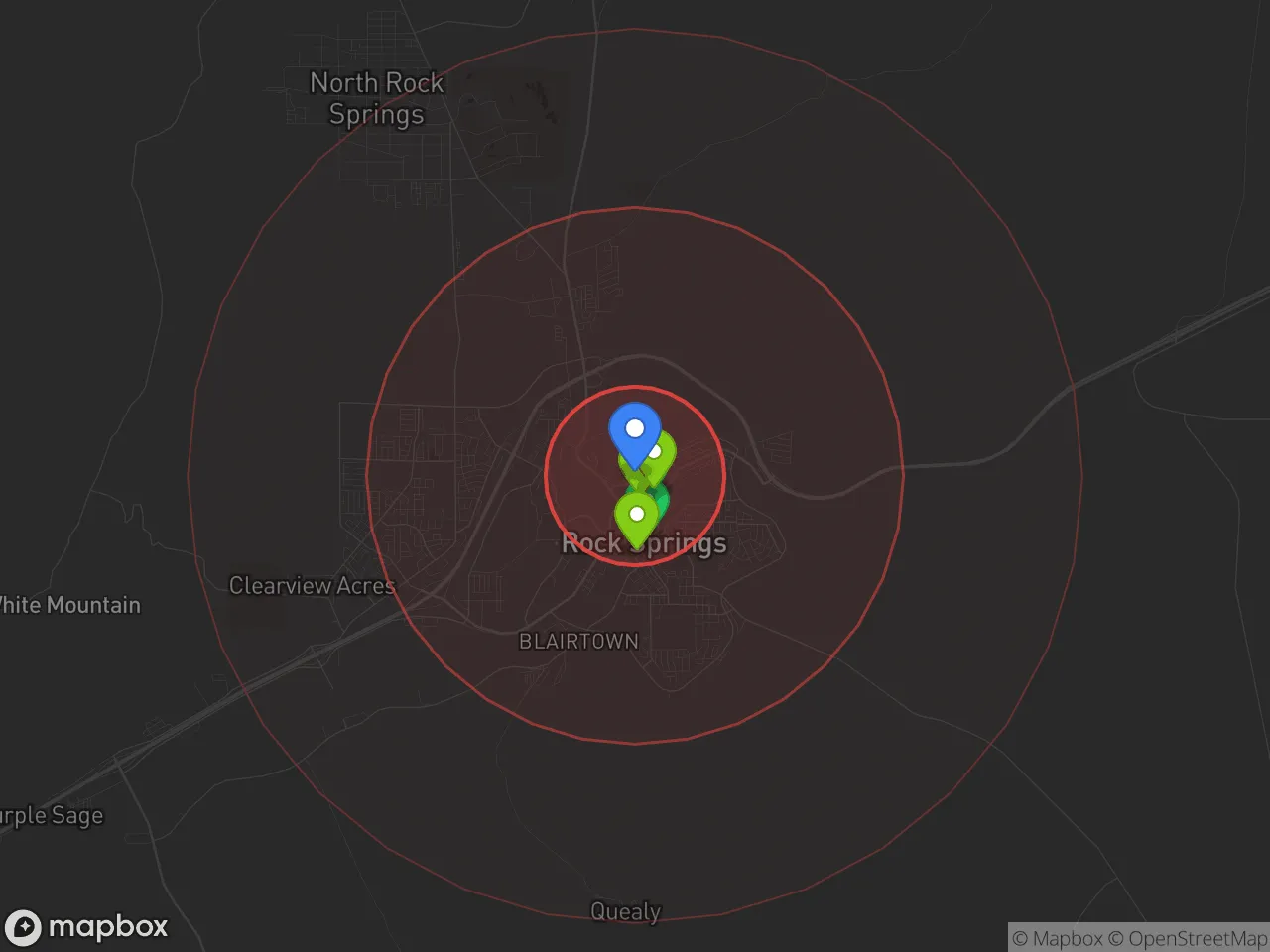
Hobbies
Explore the areaGroceries
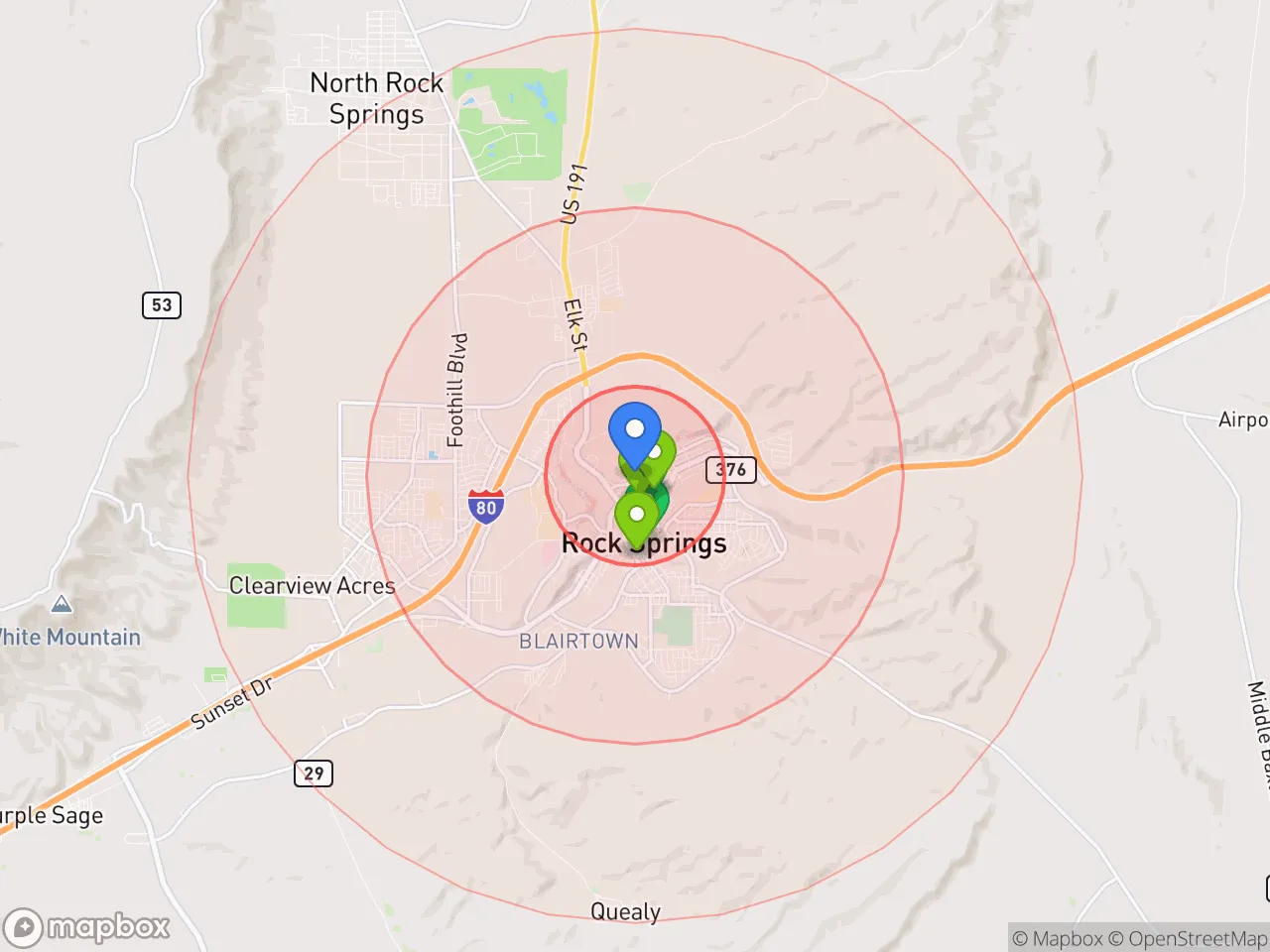
2 within 10 miles
Gas
16 within 10 miles
Hospital
2 within 20 miles
Airport
SLC — Salt Lake City International
Post Office
USPS — Rock Springs, WY
Critical Amenities
Quality-of-Life Analysis
Rock Springs presents a notably affordable quality of life in southwestern Wyoming, with a cost of living index of 83 (17% below the U.S. average) that attracts a mix of energy-sector workers, outdoor enthusiasts, and families seeking financial breathing room. The city’s population of roughly 23,000 leans blue-collar and resource-industry oriented, with a median household income around $62,000 that stretches further here than in most of the Mountain West. While not affluent by national standards, Rock Springs offers a practical, no-frills lifestyle where homeownership is attainable and daily expenses remain manageable.
How housing costs and affordability compare to nearby areas
Rock Springs’ housing market is a standout bargain relative to the rest of Sweetwater County and the broader region. The median home value sits at $245,600, roughly $100,000 less than the Wyoming state median and less than half the typical price in Jackson Hole or Park City. Median rent is $943, well below the national median of $1,200, making it one of the most affordable rental markets in the state. Compared to nearby Green River (15 miles west), Rock Springs offers slightly lower home prices but similar rent levels, while both cities undercut Cheyenne and Casper by 10–15%. The average commute of 19.6 minutes is short by national standards, reflecting the city’s compact layout and limited traffic congestion. Utility costs, however, run slightly above average due to cold winters and reliance on natural gas heating, which can add $100–$150 monthly to housing expenses.
What daily life is like for families and outdoor enthusiasts
Daily life in Rock Springs revolves around a modest but functional set of amenities. The Sweetwater County School District #1 operates 14 schools, with Rock Springs High School and the newer Sage Creek Elementary receiving consistent parent ratings above state averages. The city’s healthcare anchor, Memorial Hospital of Sweetwater County, provides emergency and specialty care, though residents travel to Salt Lake City (3 hours south) for advanced procedures. Retail and dining cluster along the I-80 corridor, with national chains like Walmart and Lowe’s supplemented by local spots such as the historic Bitter Creek Brewing and the Broadway Theater for live performances. Outdoor access defines the area’s rhythm: the Flaming Gorge National Recreation Area (45 minutes east) offers world-class fishing and boating, while the White Mountain foothills provide immediate hiking and ATV trails. Winters are long and cold (average January high of 30°F), but the city’s snow removal is efficient, and the nearby ski hill at White Mountain (a 15-minute drive) offers affordable lift tickets for families.
Rock Springs works best for people who prioritize affordability and outdoor recreation over urban density or cultural variety. Energy-sector workers—particularly those in natural gas, trona mining, and wind power—find stable employment with wages that outpace local living costs. Families with young children benefit from low crime rates (property crime is 15% below the Wyoming average) and short commutes that free up time for weekend adventures. Retirees on fixed incomes also gravitate here for the low housing costs and access to federal lands. The trade-offs are real: limited nightlife, a 3-hour drive to the nearest major airport (Salt Lake City), and a climate that demands winter preparedness. For those who value financial practicality and the ability to step directly from their front door into public land, Rock Springs delivers a grounded, sustainable quality of life.

Crime in Rock Springs, WY
Lower crime rates than 86% of comparable U.S. locations.
Violent CrimeViolent Crime Analysis
Property CrimeProperty Crime Analysis
Crime Analysis
Rock Springs, Wyoming, presents a mixed safety profile that diverges sharply from national averages. The city’s violent crime rate of 140.1 per 100,000 residents is notably lower than the U.S. national average, while its property crime rate of 840.7 per 100,000 significantly exceeds it. This combination means that while the risk of a violent encounter is relatively low, residents face a heightened chance of theft, burglary, or vehicle break-ins compared to the typical American city.
Crime in context
Rock Springs’ violent crime rate sits well below the national average of roughly 380 per 100,000, placing it in a safer tier for personal safety. However, its property crime rate is nearly double the national average of about 440 per 100,000. This pattern is common in resource-dependent towns in the West, where transient populations and economic cycles can drive property offenses. Compared to the state of Wyoming, which has a property crime rate around 600 per 100,000, Rock Springs is elevated. The city’s location as a regional hub for energy, mining, and transportation contributes to a higher transient population, which can correlate with increased property crime. It is important to note that Rock Springs operates within Wyoming’s conservative legal framework, where judges and district attorneys generally adhere to traditional sentencing practices. This stands in contrast to large, liberal-leaning metro areas where progressive justice policies—such as reduced bail, diversion programs, and lenient sentencing—can lead to more offenders cycling back onto the streets, potentially increasing crime and undermining public safety.
What residents experience
For daily life, the primary safety concern in Rock Springs is property crime. Residents commonly report vehicle break-ins, theft from yards or garages, and occasional residential burglaries. The downtown core and areas near Interstate 80 see higher concentrations of these incidents. Violent crime, while less frequent, does occur and is often linked to domestic disputes or alcohol-related altercations. The Rock Springs Police Department maintains a visible presence and participates in community policing efforts, but the city’s spread-out layout and transient workforce can make property crime prevention challenging. Neighborhood watch programs are active in several residential subdivisions, and many newer developments on the outskirts report fewer incidents than older, denser areas near the city center.
Neighborhood-level variation is notable. The area around the White Mountain Mall and the commercial corridor along Dewar Drive tend to see more property crime due to higher foot traffic and retail opportunities. In contrast, established residential neighborhoods like those near Bitter Creek or the College Hill area generally report lower crime rates. The city’s relatively compact size means that most residents are aware of which blocks to avoid after dark, but overall, the violent crime risk remains low enough that most families feel safe walking in their neighborhoods during daylight hours. Prospective residents should prioritize securing vehicles and homes with good lighting and locks, as opportunistic theft is the most common threat.
* Values derived from national, state, county, city and local statistics and may differ in a specific area. Last updated: 2026-04-21T10:51:06.000Z
Narrative content on this page is AI-generated and may contain mistakes. Verify any details that matter before acting on them.
ReloMaps may earn a commission from affiliate links at no extra cost to you.

