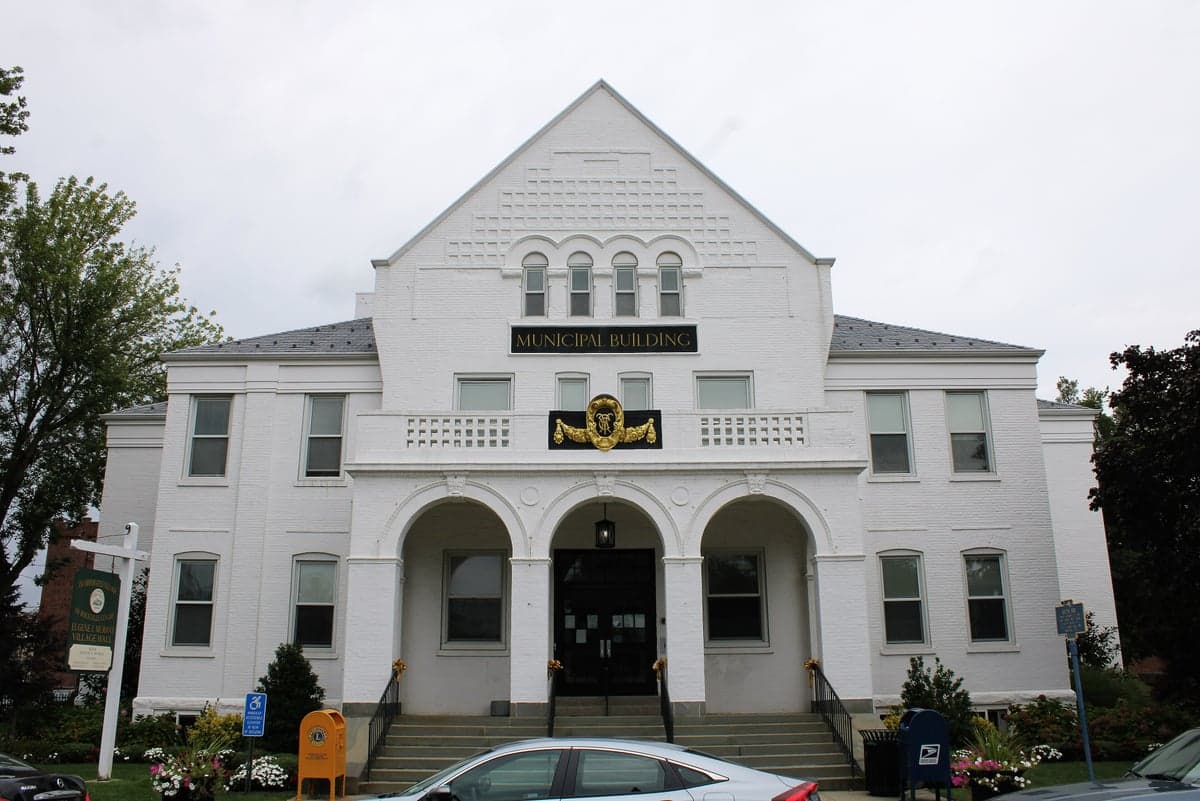
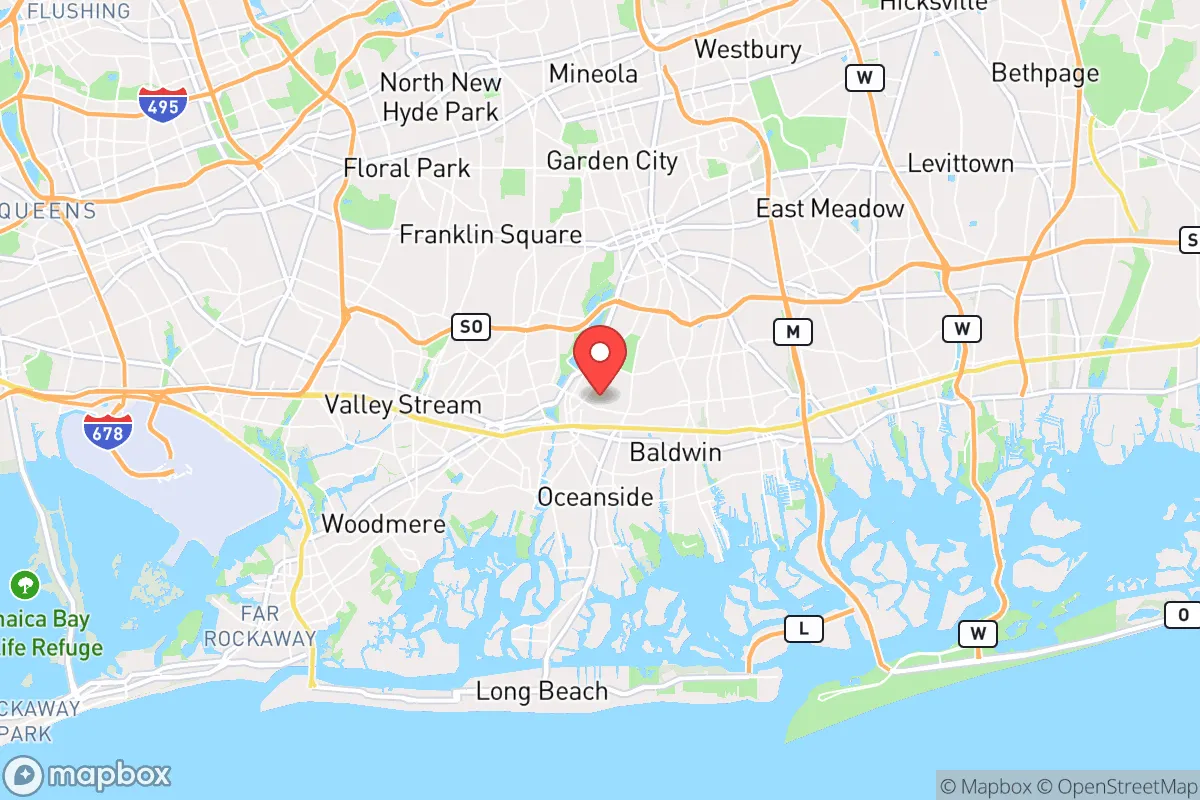
Photo: Wikipedia
Personal Sovereignty in Rockville Centre, NY
Moderate friction. Expect trade-offs in some aspect of personal liberty and independence.
What does Personal Sovereignty tell us?
Personal Sovereignty measures your capacity for self-reliance and independence with minimal government friction. Higher scores mean fewer barriers between you and the way you want to live... but it assumes you have the space you need and good neighbors.
What does this tell us?
Personal Sovereignty measures your capacity for self-reliance and independence with minimal government friction. Higher scores mean fewer barriers between you and the way you want to live... but it assumes you have the space you need and good neighbors.
State Policy
Energy independence: Importer (12% of energy produced in-state)
Personal Liberty
Homesteading

Personal Liberty Analysis
Rockville Centre, New York, presents a challenging environment for those prioritizing personal sovereignty, particularly from a survivalist or prepper perspective. Nestled in Nassau County on Long Island, this affluent village operates under the dense regulatory and tax-heavy framework of New York State, which consistently ranks among the least free states in the nation for individual autonomy. For a conservative-leaning individual or family concerned with government overreach, the trade-offs here are stark: you gain proximity to economic opportunity and a high standard of public services, but you surrender significant control over your finances, self-defense rights, and property decisions. The overall sovereignty environment is constrained, making it a location where strategic compliance and careful navigation of state and local mandates are essential, rather than a place of unfettered personal liberty.
Tax burden and regulatory posture in Rockville Centre
The financial autonomy of residents in Rockville Centre is severely limited by New York's aggressive tax and regulatory posture. Property taxes are among the highest in the nation, with the village's effective rate often exceeding 2% of assessed home value, and combined state and local income taxes can push the effective rate past 12% for top earners. This creates a significant drain on personal resources that could otherwise be directed toward self-reliance, such as land acquisition, supplies, or private education. The regulatory environment extends beyond taxes: New York's strict building codes, environmental regulations, and energy mandates (including the phase-out of natural gas in new construction) limit a homeowner's ability to modify property without extensive permits and approvals. For a prepper, this means that even basic projects like installing a backup generator, building a root cellar, or adding a rainwater catchment system require navigating a bureaucratic maze. The village's zoning laws are particularly restrictive, with minimum lot sizes typically around 6,000 to 10,000 square feet and strict prohibitions on agricultural or commercial activities in residential areas, effectively barring any serious homesteading or off-grid infrastructure.
Self-defense and gun law specifics in New York
For those concerned with the right to keep and bear arms, Rockville Centre sits within one of the most restrictive legal environments in the United States. New York's SAFE Act and subsequent 2022 CCIA (Concealed Carry Improvement Act) have created a licensing regime that is both costly and discretionary. To legally possess a handgun, residents must obtain a pistol permit from the Nassau County Police Department, a process that can take 6-12 months, requires character references, and involves a background check that includes mental health records. The "good moral character" standard gives local officials broad discretion to deny applications. Carrying a firearm in public is now effectively banned in most places, as the law designates "sensitive locations" including parks, public transportation, and private businesses unless the owner explicitly posts a sign allowing firearms. Magazine capacity is limited to 10 rounds, and the state maintains a registry of all pistol permit holders. For a survivalist mindset, this means that self-defense options are heavily curtailed; long guns (rifles and shotguns) are less regulated but still subject to the same 10-round limit and restrictions on "assault weapons" features. The practical takeaway: Rockville Centre is not a location where one can freely prepare for armed self-defense or community defense scenarios without significant legal risk and administrative burden.
Self-reliance and homesteading viability in a suburban village
The feasibility of self-reliance in Rockville Centre is extremely limited due to its dense suburban character and strict zoning. The average lot size is small—typically less than a quarter-acre—and the village code prohibits keeping livestock, including chickens, bees, or goats, in residential zones. Home gardening is permitted but constrained by setback requirements and homeowners' association rules in many neighborhoods. Off-grid living is effectively illegal: the village requires connection to municipal water, sewer, and electric grids, and any attempt to disconnect or install alternative systems (solar panels with battery storage, composting toilets, or well water) faces heavy permitting hurdles and likely denial. The local climate, with cold winters and humid summers, makes year-round food production challenging even with a greenhouse, and the high cost of land (median home prices exceed $800,000) means that acquiring additional property for storage or cultivation is financially prohibitive for most. For a prepper, the best strategy here is to focus on urban survival skills—food storage, water purification, and community networking—rather than rural self-sufficiency. The village's proximity to the Atlantic Ocean and major highways also makes it a potential evacuation zone during natural disasters or civil unrest, adding another layer of vulnerability.
Personal liberties: parental rights, medical autonomy, and property
Personal liberties in Rockville Centre are shaped by New York's progressive policy landscape, which often conflicts with conservative values on parental rights and medical autonomy. The state mandates comprehensive sex education in public schools, including LGBTQ+ inclusive content, and has laws that allow minors to consent to certain medical treatments (including mental health and reproductive care) without parental notification. Parental opt-out rights for school curricula are limited, and the state's vaccine mandates for school attendance (including COVID-19 for healthcare workers and MMR for students) leave little room for medical or religious exemptions. Medical autonomy is further constrained by New York's strict licensing laws for alternative practitioners and its heavy regulation of supplements and herbal remedies. Property rights are also limited: the village's historic preservation board can restrict exterior modifications to homes in designated districts, and the state's rent stabilization laws apply to multi-family buildings, limiting landlords' control over their own property. For a conservative individual, these policies represent a significant erosion of family and individual decision-making authority, making Rockville Centre a location where one must be prepared to engage in legal advocacy or consider private alternatives (e.g., private school, homeschooling, or out-of-state medical care) to preserve autonomy.
In the broader context of personal sovereignty, Rockville Centre ranks poorly compared to areas in the South, Midwest, or Mountain West. The combination of high taxes, restrictive gun laws, limited homesteading potential, and progressive social policies creates an environment where individual freedom is heavily mediated by state and local government. For a survivalist or prepper with a conservative worldview, this village offers economic opportunity and community stability but demands constant vigilance and strategic compromise. Those who prioritize maximum personal sovereignty should look to states like Texas, Florida, or Idaho, where tax burdens are lower, gun rights are protected, and zoning allows for greater self-reliance. However, for individuals who must remain in the Northeast for career or family reasons, Rockville Centre provides a relatively safe and well-resourced base from which to navigate the challenges of living under a high-control government—provided one is willing to accept the constraints and plan accordingly.

* Values derived from national, state, county, city and local statistics and may differ in a specific area. Last updated: 2026-04-24T12:35:23.000Z
Narrative content on this page is AI-generated and may contain mistakes. Verify any details that matter before acting on them.
ReloMaps may earn a commission from affiliate links at no extra cost to you.

