Photo: Wikipedia
Demographics of Sagaponack, NY
Affluence Level in Sagaponack, NY
An elite concentration of wealth — high incomes, strong home values, advanced degrees, and minimal poverty signal a top-tier socioeconomic profile.
People of Sagaponack, NY
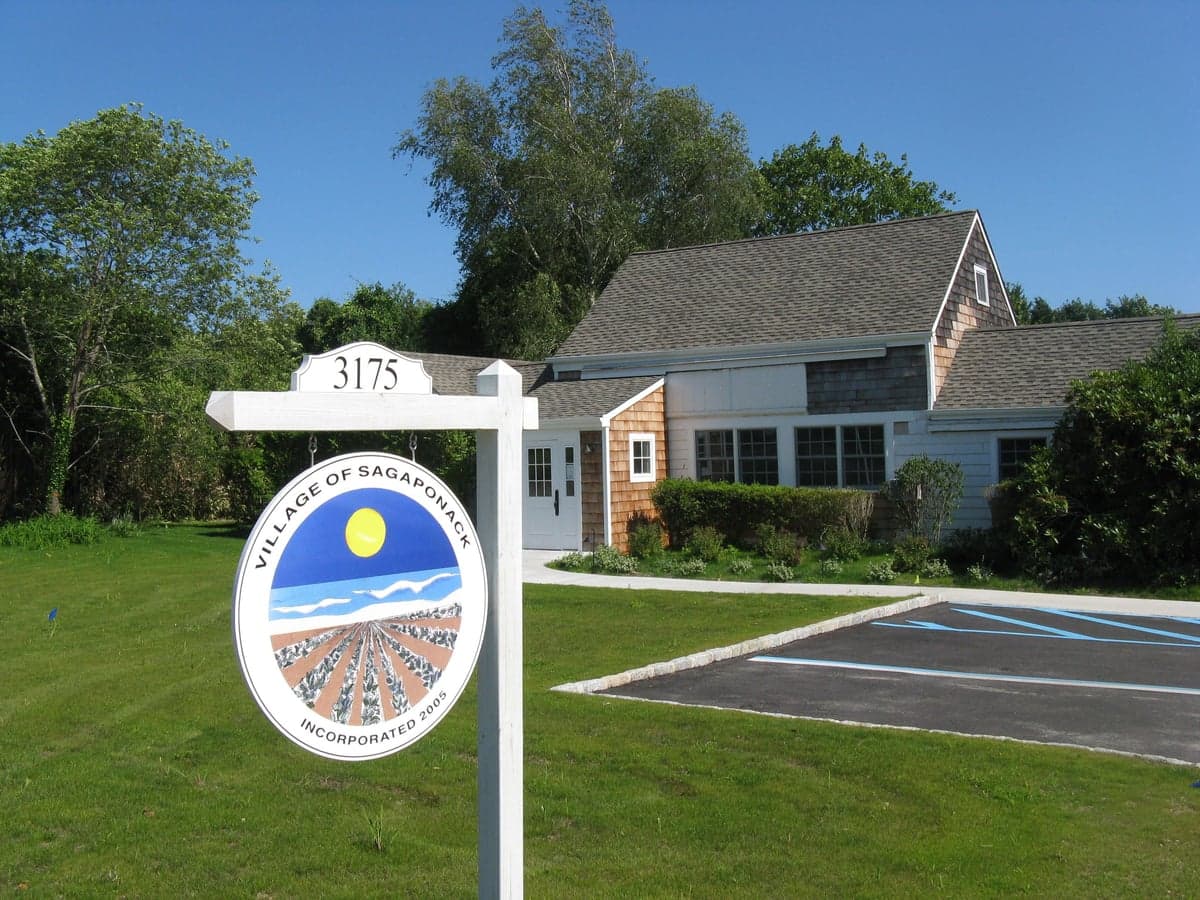
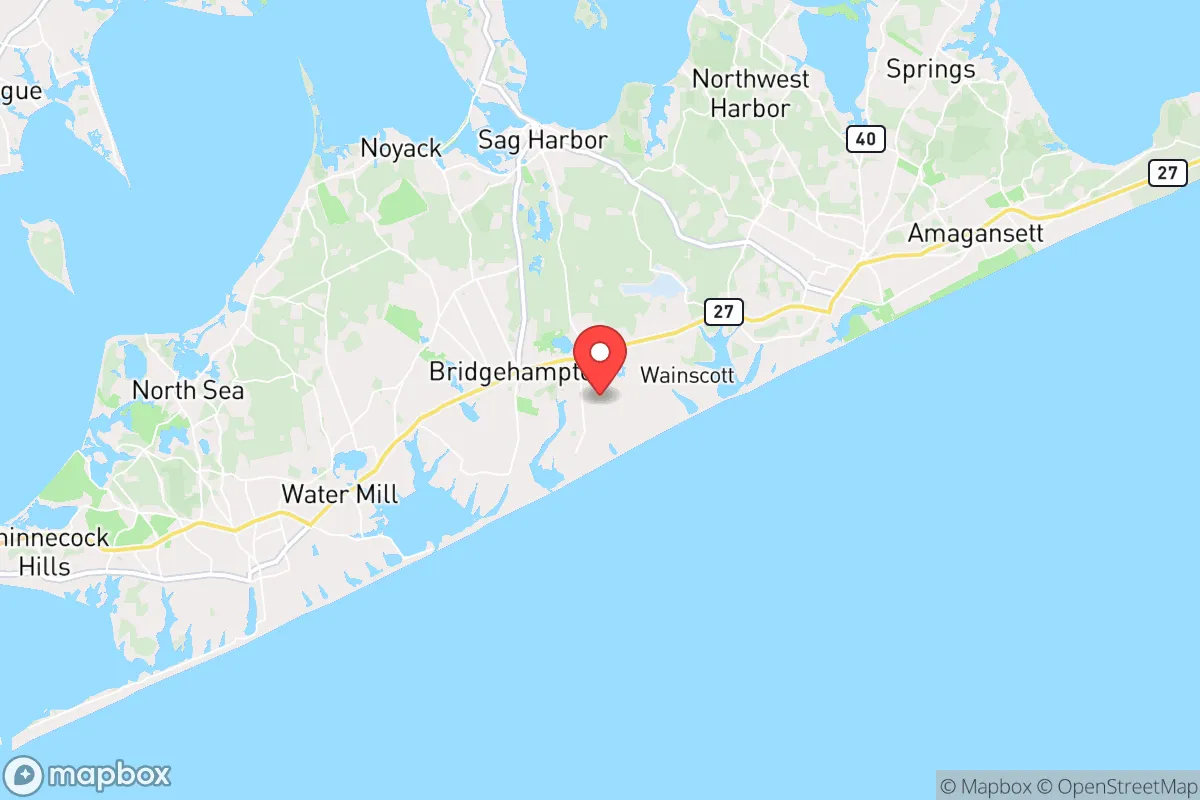
Sagaponack, New York, is a tiny, affluent hamlet on the South Fork of Long Island with a population of just 282 residents. Its character is defined by extreme wealth, a working agricultural past, and a striking demographic profile: nearly three-quarters of residents are white (73.0%), while over a quarter identify as Hispanic (25.9%), with negligible Black, Asian, or Indian populations. The hamlet’s identity is a blend of historic potato-farming families, second-home owners from New York City, and a growing Hispanic workforce that sustains its remaining farms and estates.
How the city was settled and grew
Sagaponack’s original population was English colonial settlers who arrived in the mid-17th century as part of the town of Southampton’s expansion. These families—many bearing names like Halsey, Topping, and White—established small farms along the Atlantic coast, growing potatoes and corn on the rich, sandy loam. The hamlet’s historic core, centered around Sagg Main Street and the intersection with Bridgeman Lane, was the original village green where these families built their homesteads and the Sagaponack School (now a private residence). For nearly 300 years, the population remained small and homogeneous—descendants of the original English settlers, supplemented by a few Irish and German laborers in the late 19th century who worked the potato fields. The area remained a quiet, rural farming community through the mid-20th century, with no significant development or population influx until the post-war era.
Modern era (post-1965)
The modern transformation of Sagaponack began in earnest after the 1965 Hart-Cellar Act, though its impact was less about new immigrant waves and more about domestic migration of wealthy urbanites. The 1970s and 1980s saw wealthy families from New York City—many in finance, media, and entertainment—purchase large tracts of former potato fields to build sprawling estates. This wave concentrated in the area known as Parsonage Lane and along Daniel’s Lane, where multi-acre properties now command prices in the tens of millions. The year-round population remained tiny, but the seasonal population exploded. Concurrently, a separate demographic shift occurred: Hispanic workers, primarily from Mexico and Central America, began arriving to fill labor needs on the remaining farms and as domestic staff on the estates. This community settled in modest rental housing along Wainscott Stone Road and in the hamlet’s few multi-family properties. Today, the 25.9% Hispanic share is almost entirely this workforce population, which has grown steadily since the 1990s. The white population, meanwhile, is a mix of old-family descendants and wealthy newcomers, with 63.3% of all residents holding a college degree—a figure that reflects the professional class of the newer arrivals. The foreign-born share of 22.7% is driven almost entirely by the Hispanic community, as the white population is overwhelmingly native-born.
The future
Sagaponack’s population trajectory points toward continued bifurcation. The white, wealthy segment is likely to remain stable or grow slightly as more high-net-worth individuals seek the privacy and exclusivity of the area, with new construction concentrated along Hedges Lane and Mecox Road. The Hispanic population, currently 25.9%, is expected to plateau or grow modestly, as the demand for farm and domestic labor persists but housing costs become prohibitive for new arrivals. The hamlet’s zoning—which mandates minimum lot sizes of 10 to 40 acres in most areas—effectively prevents any significant increase in density or affordable housing, ensuring the population will remain very small and economically stratified. There is no sign of significant Asian, Indian, or Black in-migration, and the hamlet is not diversifying beyond its current white-Hispanic binary. The next decade will likely see the Hispanic community become more settled and multigenerational, with children attending the Sag Harbor School District, but the overall character of Sagaponack as an ultra-exclusive, low-density enclave will remain unchanged.
For a conservative-leaning individual or family considering a move, Sagaponack offers a stable, safe, and highly private environment with a strong sense of place rooted in its agricultural history. The trade-off is a lack of ethnic and economic diversity beyond the white-Hispanic divide, and a cost of entry that is among the highest in the nation. This is a place for those who value land, privacy, and tradition over urban amenities or demographic variety.

* Values derived from national, state, county, city and local statistics and may differ in a specific area. Last updated: 2026-04-24T01:50:22.000Z
Narrative content on this page is AI-generated and may contain mistakes. Verify any details that matter before acting on them.
ReloMaps may earn a commission from affiliate links at no extra cost to you.

