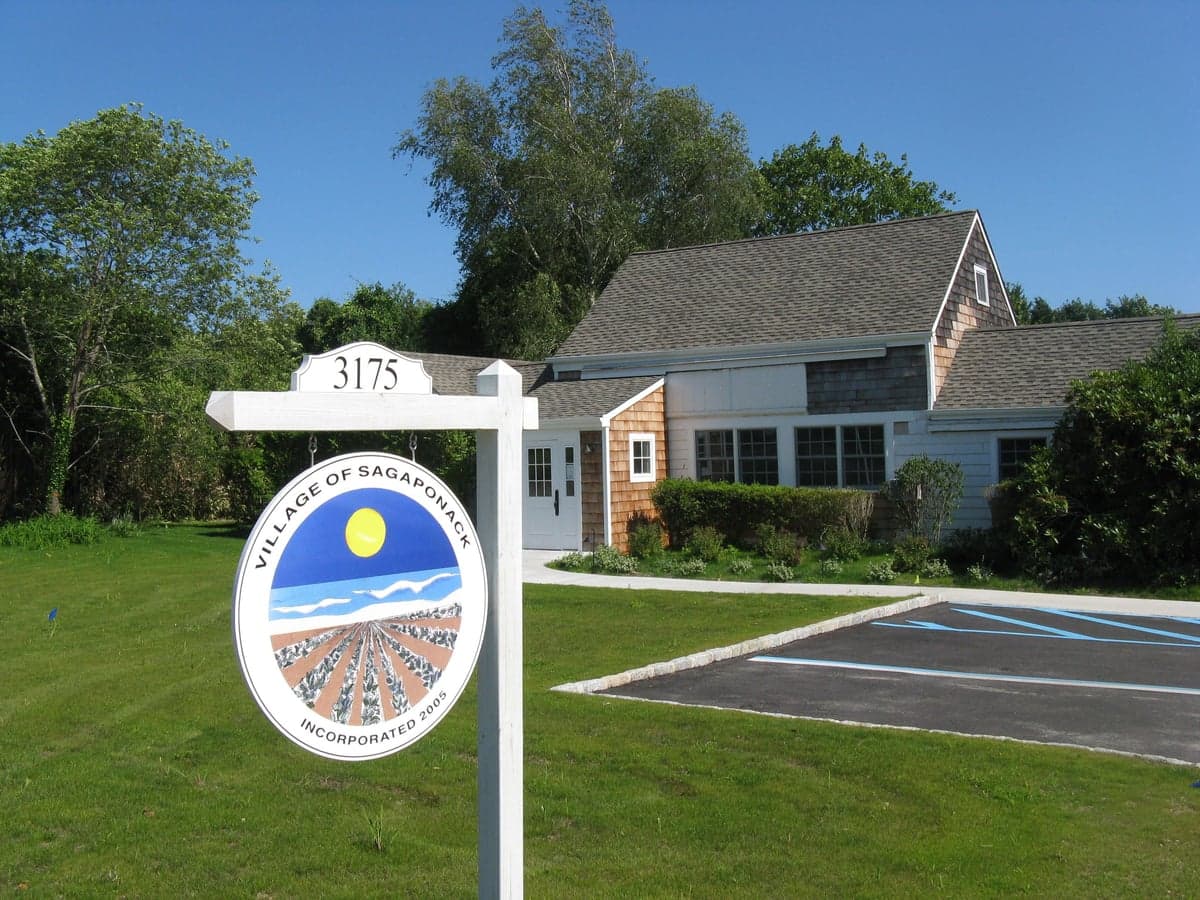
Photo: Wikipedia
Quality of Life in Sagaponack, NY
A high quality of life with strong walkability, manageable living costs, healthy neighborhood signals, and solid amenity access.
What does Quality of Life tell us?
Quality of Life blends cost of living, nearby amenities, socioeconomic signals, and neighborhood character. City-level scores represent the whole municipality; individual neighborhoods can differ.
What does this tell us?
Quality of Life blends cost of living, nearby amenities, socioeconomic signals, and neighborhood character. City-level scores represent the whole municipality; individual neighborhoods can differ.
Cost of Living
609% above national average
The Real Cost of Living in Sagaponack, NY for 2026
| Tier | Individual | Family (4) |
|---|---|---|
| Survival | $25k | $48k |
| Comfortable | $223k | $328k |
| Luxury | $231k+ | $358k+ |
29%
The Area Signal
A metric tracking the socioeconomic signals of the area.
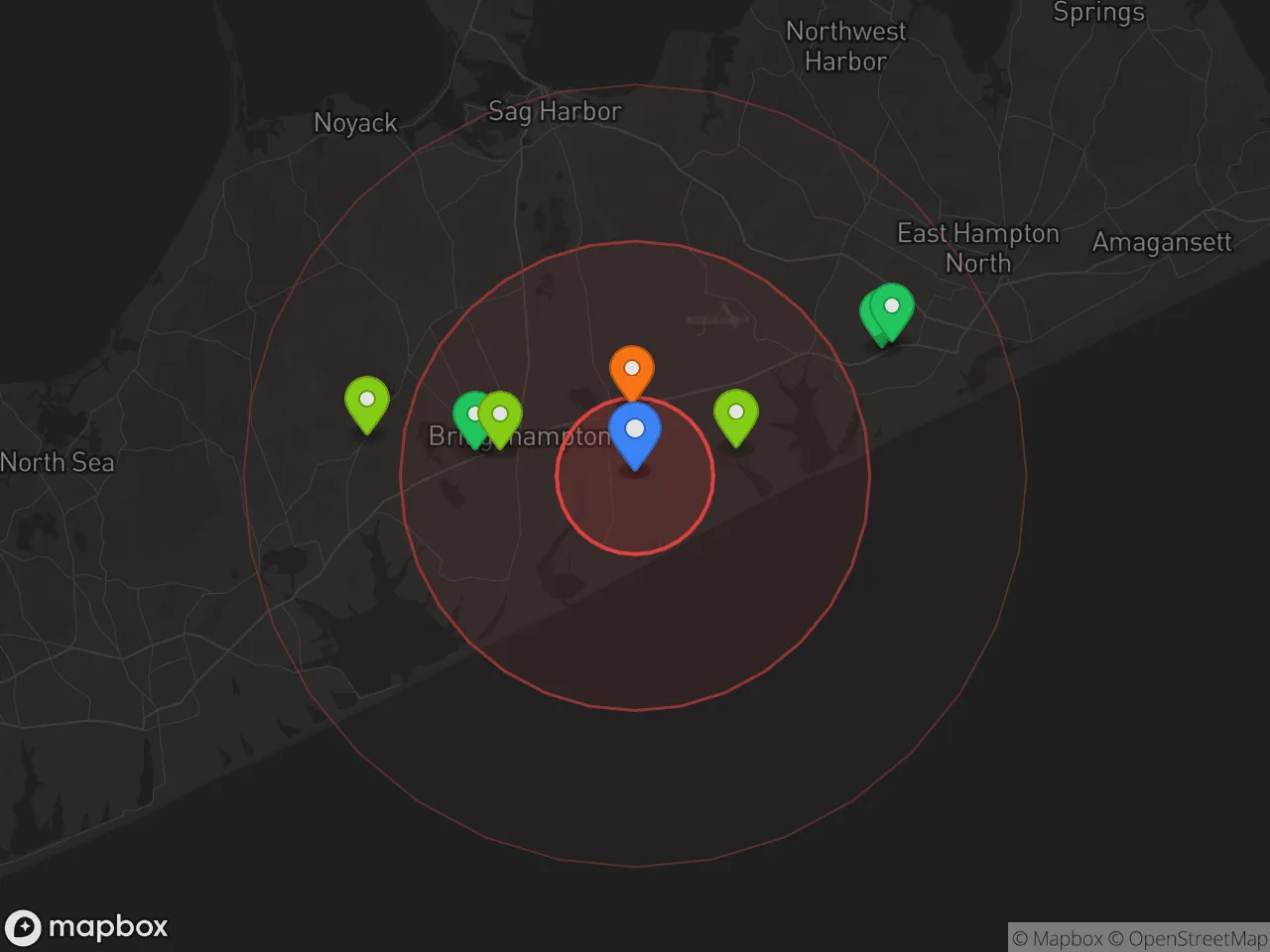
Hobbies
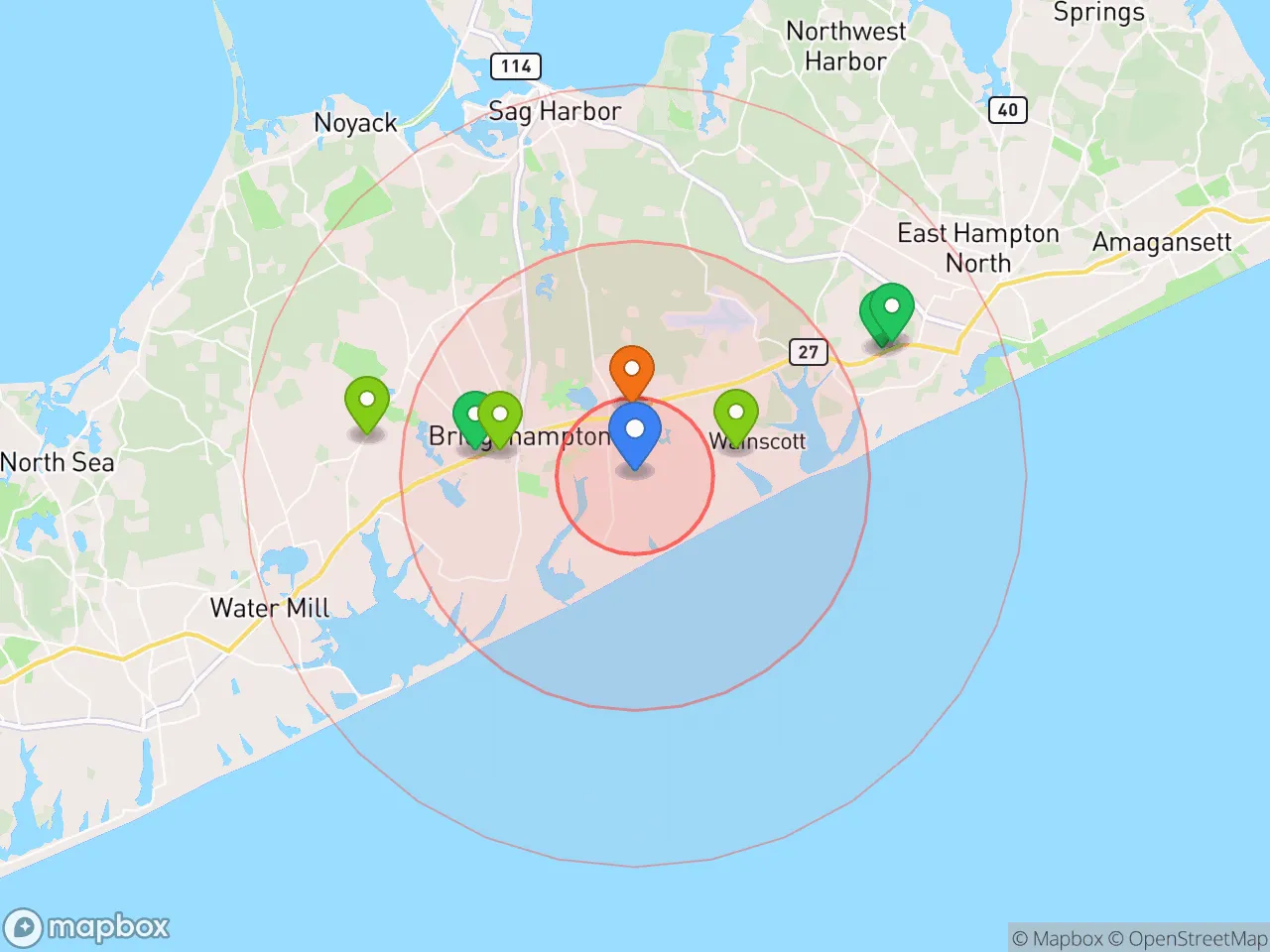
Explore the areaGroceries
3 within 10 miles
Gas
10 within 10 miles
Hospital
2 within 20 miles
Airport
JFK — John F. Kennedy International
Post Office
USPS — Bridgehampton, NY
Critical Amenities
Quality-of-Life Analysis
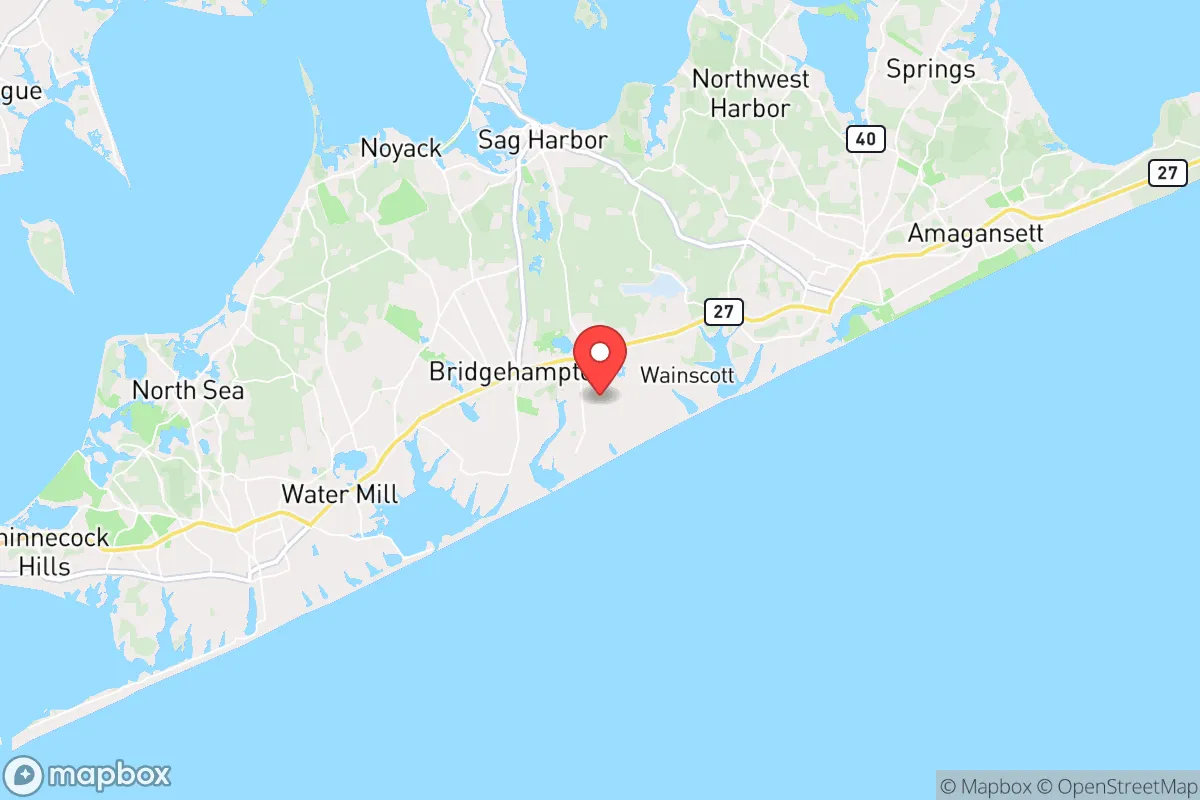
Sagaponack, New York, is one of the most exclusive and affluent communities in the United States, defined by its vast oceanfront estates, working potato farms, and a population density of roughly 50 people per square mile. The area attracts a mix of ultra-high-net-worth second-home owners, celebrities, and finance executives who value extreme privacy and unspoiled natural landscapes over the social scene of nearby East Hampton Village. With a cost of living index of 709 (more than seven times the national average), daily life here is reserved for those who can afford a lifestyle built on land preservation, seasonal isolation, and proximity to world-class beaches.
Cost of living, housing prices, and how Sagaponack compares to the Hamptons
Sagaponack’s cost of living is the highest in the Hamptons, driven almost entirely by real estate. The median home value sits at $2,000,001, though many oceanfront properties routinely sell for $10 million to $30 million, making it one of the priciest ZIP codes in America (11962). For context, nearby Bridgehampton’s median home value is approximately $1.8 million, and Water Mill’s is around $1.5 million, meaning Sagaponack commands a 10–30% premium even within the elite South Fork market. Rentals are scarce and seasonal: a summer-long house rental can easily exceed $200,000, while year-round rentals are virtually nonexistent. Property taxes are correspondingly high, often exceeding $30,000 annually on a typical estate, though the town of Southampton offers a basic STAR exemption for primary residents. There is no rental market for middle-income households, and even luxury buyers face a limited inventory due to strict zoning that preserves agricultural land and limits subdivision.
What daily life is like for families: schools, amenities, and local rhythm
Daily life in Sagaponack revolves around the beach, the farm stand, and the private lane. The hamlet has no downtown, no grocery store, and no gas station—residents drive 3–5 miles to Bridgehampton or Sag Harbor for errands. The Sagaponack School is a single-building K-6 school with roughly 40 students, offering a small-class environment that feeds into Bridgehampton Union Free School District for grades 7–12, where the student-teacher ratio is about 8:1. For amenities, the Sagaponack Farmers Market (seasonal) and the Wolffer Estate Vineyard in nearby Sagaponack proper provide local food and wine, while the Sagaponack General Store serves coffee and sandwiches. The community’s rhythm is dictated by the seasons: summer brings crowded beaches at Gibson Lane and Sagg Main Beach, while winter sees the population drop to fewer than 300 year-round residents, many of whom are farmers or estate caretakers. There are no sidewalks, streetlights, or commercial districts, reinforcing a rural, car-dependent lifestyle that prioritizes land conservation over convenience.
Who thrives in Sagaponack? This is a place for those who prioritize absolute privacy, open space, and direct beach access over nightlife, shopping, or walkability. It suits wealthy families seeking a quiet summer retreat, second-home owners who can afford a full-time caretaker, and year-round residents who value the agricultural preservation that keeps development at bay. It is not suited for young professionals, singles, or anyone reliant on public transit or urban amenities. For the right buyer, Sagaponack offers a rare combination of oceanfront living and rural seclusion that is unmatched even by other Hamptons enclaves.

Crime in Sagaponack, NY
Generally safer than 56% of comparable U.S. locations.
Violent CrimeViolent Crime Analysis
Property CrimeProperty Crime Analysis
Crime Analysis
Sagaponack, New York, presents a complex safety profile for prospective residents. While the village is widely perceived as an exclusive, tranquil Hamptons enclave, its crime rates are notably higher than the national average, with violent crime at 331.5 incidents per 100,000 residents and property crime at 1,323.4 per 100,000. These figures, drawn from the most recent FBI data, indicate that the area faces challenges more typical of a denser suburban environment than a rural seaside community.
Crime in context
To understand Sagaponack’s safety, it is essential to compare its rates to broader benchmarks. The village’s violent crime rate of 331.5 per 100,000 is roughly 1.8 times the national average (which sits around 180 per 100,000) and significantly higher than the New York State average of approximately 350 per 100,000. Property crime in Sagaponack, at 1,323.4 per 100,000, is also elevated, exceeding the national average of about 1,200 per 100,000. These statistics place Sagaponack in a higher-risk category than many other small villages in Suffolk County, though it remains safer than nearby larger towns like Riverhead or Southampton Village. The elevated numbers are partly attributable to the area’s high-value properties and seasonal population surges, which create attractive targets for theft and burglary.
What residents experience
Daily life in Sagaponack is marked by a sharp contrast between the village’s quiet, rural character and the statistical reality of crime. Residents frequently cite concerns about property crimes such as burglary, vehicle theft, and larceny, particularly during the off-season when many homes are vacant. Violent crime, while less common, does occur and is often linked to disputes or incidents involving transient populations. The local justice system, operating under the broader Suffolk County framework, has been influenced by progressive prosecutorial policies in recent years. District Attorney Ray Tierney, elected in 2021, has taken a more moderate approach than his predecessor, but the legacy of bail reform and reduced sentencing guidelines in New York State has led to a perception among some residents that repeat offenders are cycled back onto the streets too quickly. This dynamic can erode confidence in public safety, especially for those living in isolated, high-value homes.
Neighborhood-level variation within Sagaponack is limited due to the village’s small size—just over 300 year-round residents. However, properties along the oceanfront and near the village’s few commercial areas (such as the Sagaponack General Store) may experience slightly higher foot traffic and associated petty crime. Conversely, the interior farm roads and gated estates see less activity but are more vulnerable to targeted burglaries. For those considering a move, private security systems, neighborhood watch participation, and proximity to the Sagaponack Fire Department are practical considerations. The village’s low population density and lack of streetlights can also create a sense of isolation that, while appealing to some, may heighten safety concerns for others.
* Values derived from national, state, county, city and local statistics and may differ in a specific area. Last updated: 2026-04-24T01:50:22.000Z
Narrative content on this page is AI-generated and may contain mistakes. Verify any details that matter before acting on them.
ReloMaps may earn a commission from affiliate links at no extra cost to you.

