Find The Best Places To Live
in San Angelo
PRO TIP! You can paste a Zillow or Redfin link to get info on that property.
What It's Like Living in San Angelo, TX
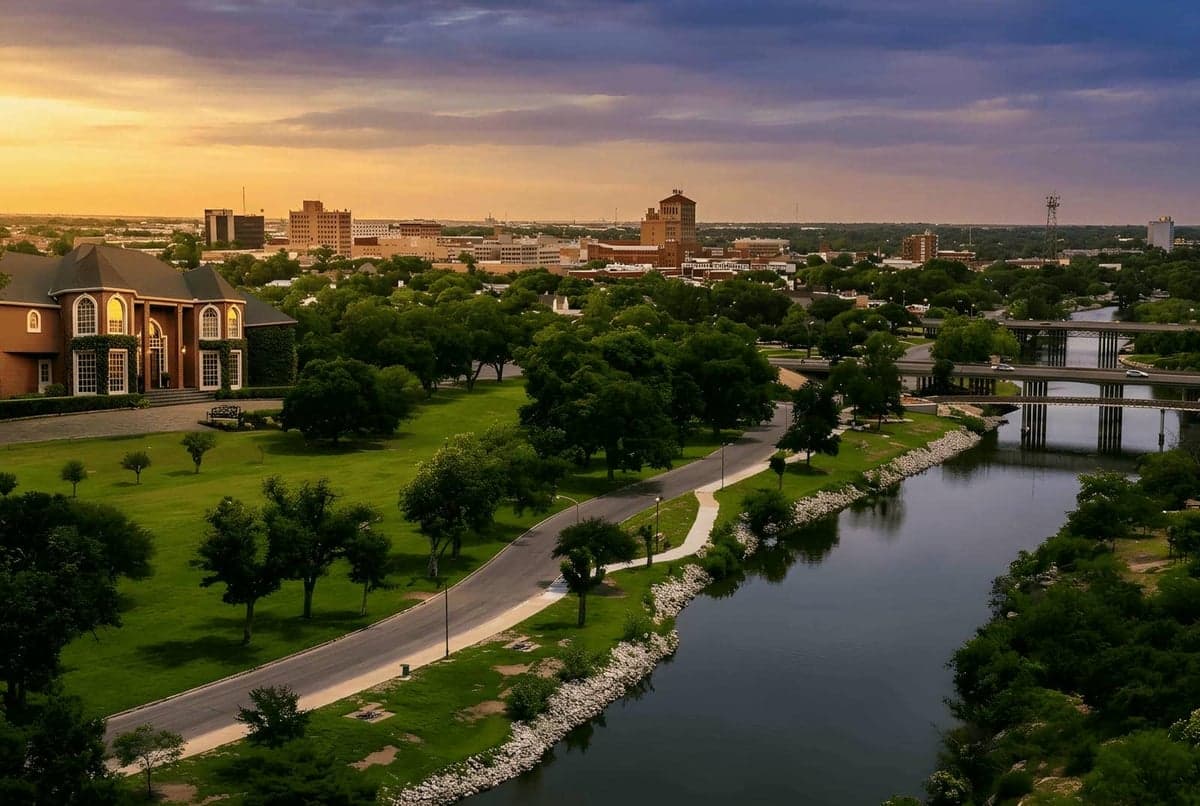
San Angelo has a way of growing on you. It’s not a flashy city, and it doesn’t try to be. What it offers is a slower, more deliberate pace of life built around the Concho River, a strong sense of local identity, and a cost of living that lets you actually breathe. With roughly 99,500 residents, it’s big enough to have a decent hospital and a university, but small enough that you’ll start recognizing faces at the grocery store within a few months. The median age here is 35.2, which skews a bit younger than the national average, largely thanks to the presence of Goodfellow Air Force Base and Angelo State University.
Daily Rhythm & Who Fits In
Most mornings in San Angelo start early. The average commute is just over 18 minutes, which means you can live on the outskirts of town and still be at your desk in a reasonable time. Traffic is rarely a serious frustration — the worst you’ll deal with is a slow roll down Bryant Boulevard during rush hour. People here tend to work in healthcare, education, the military, or agriculture. The median household income sits at $64,146, which goes a long way when your cost of living index is 83 — well below the U.S. average. That’s the kind of math that lets a family afford a median home value of $179,300 without stretching themselves thin. The kind of person who fits in here is someone who values space, quiet, and community over nightlife and career ladder-climbing. It’s a good fit for young families, military personnel, and retirees who want a low-stress base of operations.
Sports, Weekends, and What People Actually Do
High school football is the closest thing San Angelo has to a civic religion. Friday nights in the fall revolve around the Central Bobcats and the Lake View Chiefs, and the stands are packed with multi-generational families who have been attending for decades. Angelo State University’s Rams football and basketball teams draw a loyal, if smaller, crowd — think more die-hard fans than casual attendees. There’s no professional sports team, but the city compensates with a strong rodeo culture. The San Angelo Stock Show & Rodeo is the biggest event of the year, drawing competitors and spectators from across the state. On a normal weekend, you’ll find people floating the Concho River in a kayak, hiking the trails at San Angelo State Park, or grabbing a drink at The Deadhorse on Concho Avenue. The restaurant scene punches above its weight for a city this size — places like Miss Hattie’s Café & Saloon and Zero One Ale House are local staples. For music, the Cactus Hotel hosts live acts in a restored historic venue, and the annual RiverStage series brings free concerts to the riverbank during summer.
What’s Good, What’s Hard, and What Makes It Weird
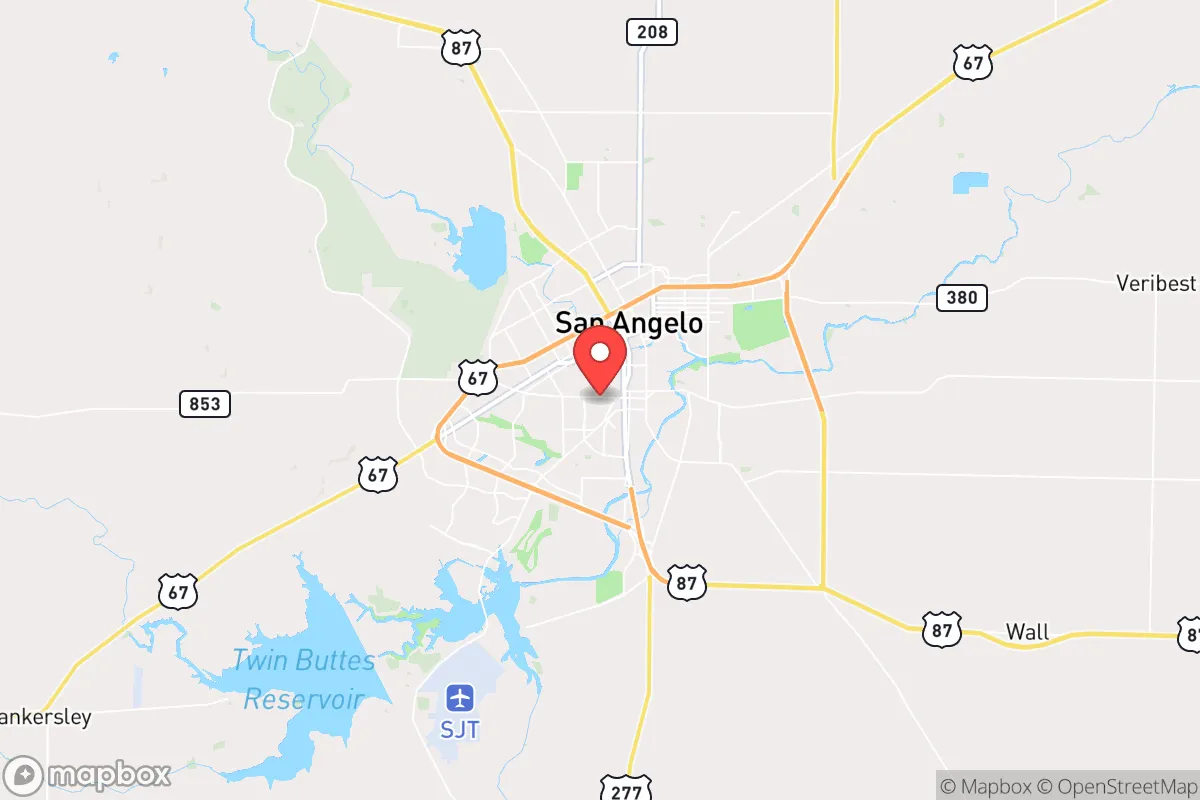
Let’s start with the pros. The cost of living is the headline — you can buy a solid three-bedroom house here for what a studio apartment costs in Austin. The community is genuinely friendly; neighbors talk to each other, and people show up for each other during hard times. The outdoor access is real: the Concho River runs right through downtown, and the state park offers mountain biking, fishing, and camping within a 15-minute drive. On the downside, the violent crime rate of 284.5 per 100,000 is above the national average, and it’s concentrated in certain parts of town — something to research carefully when choosing a neighborhood. The summers are brutal. July and August regularly hit triple digits, and the heat doesn’t let up at night. You’ll also feel the isolation: San Angelo is a three-hour drive from both Austin and Dallas, and the nearest airport with regular commercial service is in Midland, about 90 minutes away. Culturally, the city has a few quirks. The annual Chicken Farm Art Center spring show is a beloved oddity — a collection of artists working out of repurposed chicken coops. And locals are fiercely protective of the river. There’s a running joke that anyone who moves here immediately becomes a Concho River advocate, and it’s not far from the truth. The schools — primarily San Angelo ISD — are a mixed bag, with some campuses performing well and others struggling. That said, the district is deeply woven into community life, and school events double as social gatherings. If you’re looking for a place where you can own a home, know your neighbors, and spend Saturday mornings on the river, San Angelo is worth a serious look.

Similar small cities to San Angelo
* Values derived from national, state, county, city and local statistics and may differ in a specific area. Last updated: 2026-07-10T00:58:05.000Z
Narrative content on this page is AI-generated and may contain mistakes. Verify any details that matter before acting on them.
ReloMaps may earn a commission from affiliate links at no extra cost to you.

