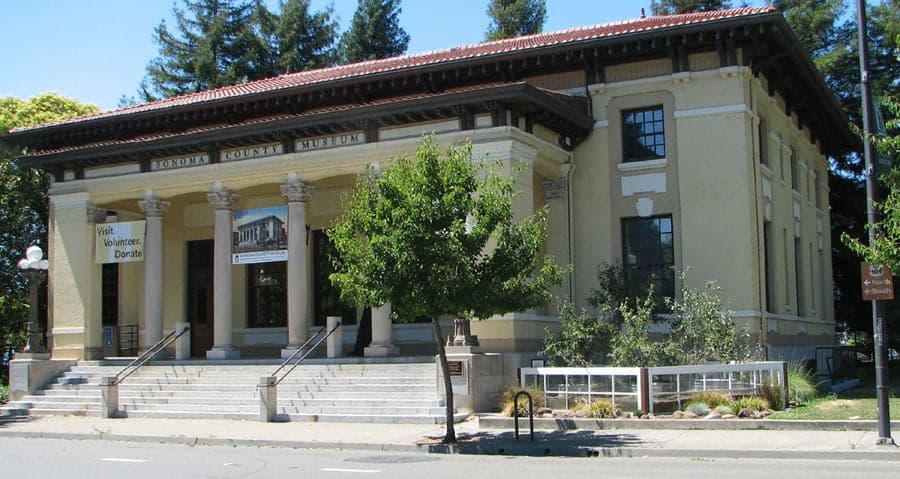
Photo: Wikipedia
Personal Sovereignty in Santa Rosa, CA
Viable for self-reliance. Generally workable, though some barriers may limit total independence.
What does Personal Sovereignty tell us?
Personal Sovereignty measures your capacity for self-reliance and independence with minimal government friction. Higher scores mean fewer barriers between you and the way you want to live... but it assumes you have the space you need and good neighbors.
What does this tell us?
Personal Sovereignty measures your capacity for self-reliance and independence with minimal government friction. Higher scores mean fewer barriers between you and the way you want to live... but it assumes you have the space you need and good neighbors.
State Policy
Energy independence: Importer (33% of energy produced in-state)
Personal Liberty
Homesteading

Personal Liberty Analysis
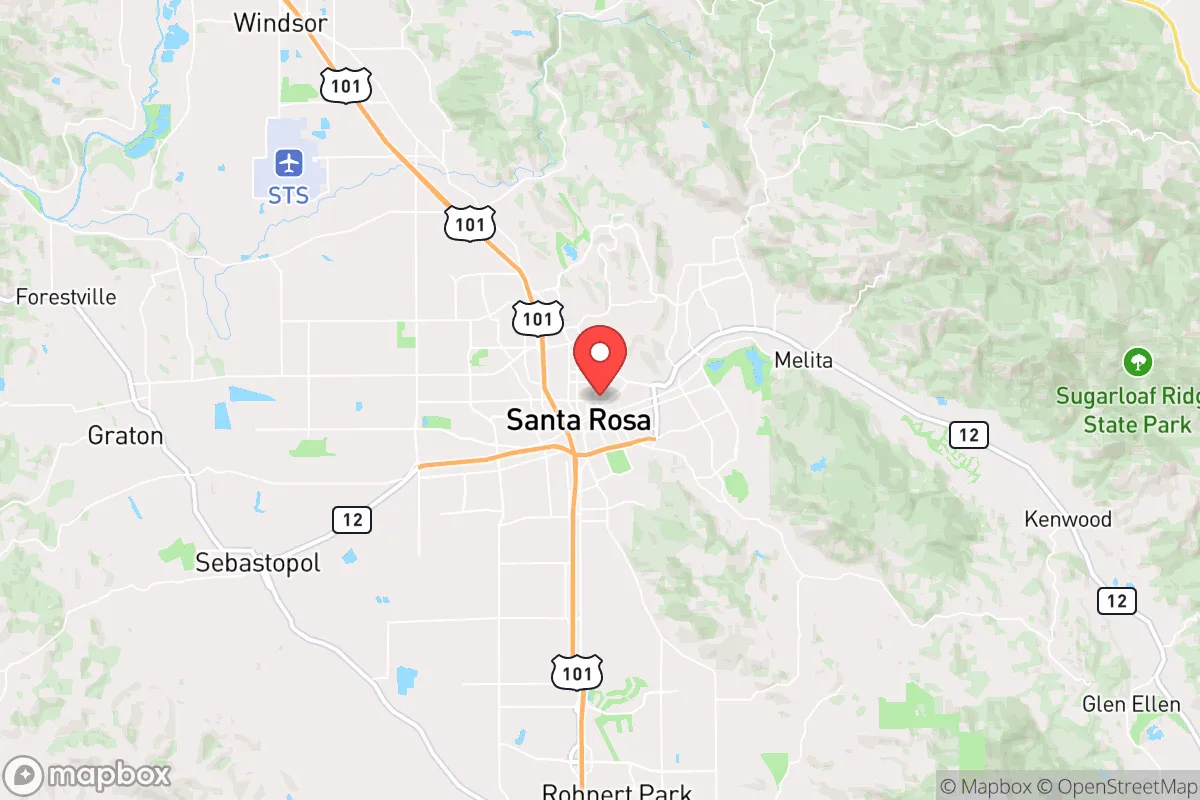
For a strategic relocation analysis focused on personal sovereignty, Santa Rosa, California presents a complex and often contradictory environment. While the city offers a degree of local autonomy and a strong culture of self-reliance, it operates under the heavy thumb of California state law, which systematically erodes individual freedoms in taxation, self-defense, and parental rights. A survivalist or prepper mindset will find the regulatory climate stifling, the tax burden punishing, and the legal framework for self-defense deeply compromised, making it a location that requires careful, defensive planning rather than one that actively supports personal sovereignty.
Tax burden and regulatory posture: the cost of autonomy in California
Santa Rosa’s tax and regulatory environment is a direct reflection of California’s aggressive state-level policies. The state’s top marginal income tax rate of 13.3% is the highest in the nation, and combined with a state sales tax rate of 7.25% (plus local add-ons that push it to 8.5% or higher in Sonoma County), the financial burden on individuals and families is severe. Property taxes, while capped at 1% of assessed value under Proposition 13, are still high due to the region’s inflated real estate values—the median home price in Santa Rosa hovers around $750,000, meaning a typical annual property tax bill of roughly $7,500. For a prepper or self-reliant individual, this tax structure is a direct drain on resources that could otherwise be used for supplies, land, or equipment. The regulatory posture is equally hostile: California’s California Environmental Quality Act (CEQA) and local Sonoma County zoning laws make it extremely difficult to build or modify structures, dig wells, or even install solar panels without extensive permitting and legal fees. The state’s energy regulations also mandate a shift away from natural gas, forcing homeowners into expensive electric heat pumps and induction stoves—a clear example of government overreach into personal household choices. For anyone seeking to minimize their dependency on the state, the tax and regulatory burden in Santa Rosa is a significant liability.
Self-defense and gun law specifics: navigating a restrictive legal landscape
California’s gun laws are among the most restrictive in the nation, and Santa Rosa residents must navigate a dense web of regulations that severely limit personal sovereignty in self-defense. The state’s Roster of Handguns Certified for Sale restricts which firearms can be purchased, effectively banning many modern models. The California Assault Weapons Control Act prohibits common semi-automatic rifles with features like pistol grips or adjustable stocks, and the state’s 10-round magazine limit is a hard cap on defensive capacity. Concealed carry permits (CCWs) are issued at the county level, and Sonoma County is a “may-issue” jurisdiction, meaning the sheriff has discretion to deny permits even to law-abiding citizens. While the Supreme Court’s Bruen decision has loosened some restrictions, the process remains expensive and time-consuming, often requiring a multi-month wait, a $300+ application fee, and a psychological evaluation. Open carry is effectively banned in all urban areas. For a survivalist, this means that the ability to defend one’s home or person with a firearm is heavily circumscribed by the state. Furthermore, California’s “red flag” laws allow for the temporary seizure of firearms based on a third-party complaint, without a criminal conviction—a clear erosion of due process. The state also mandates a 10-day waiting period for all firearm purchases and requires a Firearm Safety Certificate. In short, Santa Rosa is not a location where an individual can freely exercise the right to keep and bear arms; it is a place where one must constantly navigate state-imposed obstacles to maintain even a basic level of personal defense.
Self-reliance and homesteading viability: lot sizes, zoning, and off-grid feasibility
For those seeking a self-reliant lifestyle, Santa Rosa offers limited but not impossible opportunities. The city itself is densely developed, with typical residential lot sizes ranging from 5,000 to 10,000 square feet—too small for significant food production or livestock. However, the unincorporated areas of Sonoma County, particularly in the rural outskirts like Sebastopol, Forestville, or the Sonoma Valley, offer larger parcels. Zoning in Sonoma County allows for “agricultural” uses on parcels of 5 acres or more, including keeping chickens, goats, and even a few cows, but the county’s strict “Right to Farm” ordinances are often challenged by neighbors. Off-grid feasibility is severely limited: California law requires all new homes to be connected to the electrical grid, and the state’s building codes mandate seismic retrofitting, fire-resistant materials, and energy efficiency standards that make self-built or alternative housing nearly impossible. Rainwater collection is legal but heavily regulated—you must obtain a permit and cannot collect water from your roof if it would reduce downstream flow. Solar panels are allowed, but net metering policies are increasingly unfavorable, and the state’s push for “community choice aggregation” means you may be forced into a specific energy provider. For a prepper, the biggest hurdle is water: Sonoma County’s groundwater is heavily managed, and drilling a new well requires a permit, a hydrogeological study, and a lengthy approval process. The 2020 wildfires also highlighted the fragility of the grid and water systems, making self-reliance a practical necessity but a bureaucratic nightmare. The bottom line: homesteading in Santa Rosa is possible only on the urban fringe, with significant regulatory compliance costs and a constant battle against state and county overreach.
Personal liberties: parental rights, medical autonomy, speech, and property
California’s progressive policies have a direct impact on personal liberties in Santa Rosa. Parental rights are severely compromised: the state’s “parental rights” laws have been weakened by court rulings that prioritize a child’s “gender identity” over parental notification, and schools are prohibited from informing parents if a child changes their name or pronouns. The California Department of Education’s “Health Education Framework” mandates comprehensive sex education starting in kindergarten, with no opt-out for parents who object on moral or religious grounds. Medical autonomy is also under assault: California’s vaccine mandates for schoolchildren are among the strictest in the nation, and during the COVID-19 pandemic, the state imposed some of the longest-lasting lockdowns and mask mandates. While those are now lifted, the precedent for government control over personal health decisions remains. Free speech is protected under the First Amendment, but California’s “hate speech” laws and workplace harassment regulations create a chilling effect on political or religious expression, particularly on topics like gender, sexuality, or immigration. Property rights are heavily circumscribed by the California Coastal Commission and local zoning boards, which can deny permits for anything from a fence to a new driveway. The state’s “tenant protection” laws also tilt the balance heavily toward renters, making it difficult for landlords to evict even non-paying tenants. For a conservative-leaning individual, Santa Rosa feels like a place where the state is constantly inserting itself into every aspect of life, from how you raise your children to what you can say in public to how you use your own land.
In the broader context of personal sovereignty, Santa Rosa ranks poorly compared to states like Texas, Idaho, or Montana, where tax burdens are lower, gun laws are more permissive, and parental rights are stronger. Even within California, Sonoma County is more restrictive than rural counties like Modoc or Siskiyou, where local sheriffs are more likely to issue CCWs and zoning is less intrusive. For a survivalist or prepper, Santa Rosa offers a high cost of living, a hostile regulatory environment, and a legal system that prioritizes state control over individual freedom. It is not a place to build a self-reliant life from scratch, but it can be a location for those who are already established and willing to fight for every inch of autonomy. If you value personal sovereignty above all else, look elsewhere—but if you are tied to the region for family or work, be prepared for a constant defensive posture against government overreach.

* Values derived from national, state, county, city and local statistics and may differ in a specific area. Last updated: 2026-04-24T11:35:09.000Z
Narrative content on this page is AI-generated and may contain mistakes. Verify any details that matter before acting on them.
ReloMaps may earn a commission from affiliate links at no extra cost to you.

