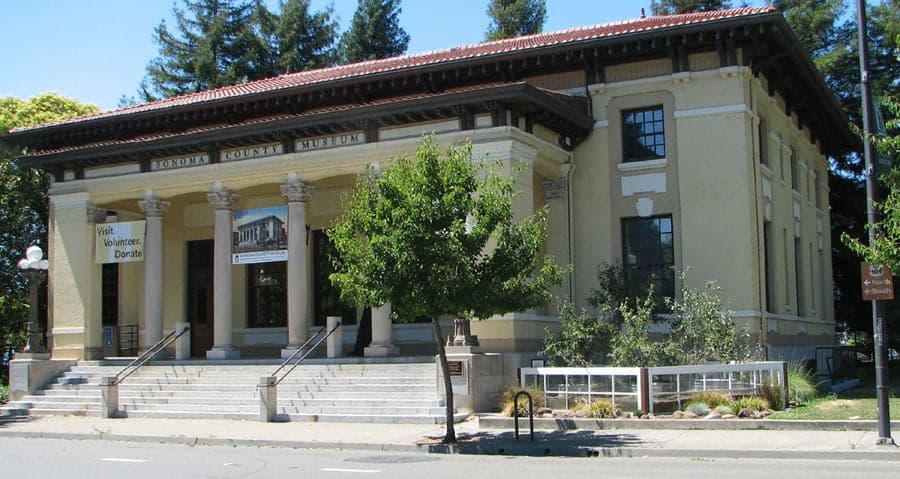
Photo: Wikipedia
Find The Best Places To Live
in Santa Rosa
PRO TIP! You can paste a Zillow or Redfin link to get info on that property.
What It's Like Living in Santa Rosa, CA
Santa Rosa is the kind of place where you can spend a Saturday morning hiking through redwood groves at Annadel State Park, grab lunch at a farm-to-table spot on Fourth Street, and still be home in time to catch a high school football game under the lights. It’s the largest city in Sonoma County, with about 177,000 people, but it feels less like a big city and more like a collection of neighborhoods and small towns that happen to share a zip code. The vibe is laid-back, outdoorsy, and proudly Northern Californian—but with a practical, working- and middle-class backbone that sets it apart from the more touristy wine country towns just south.
Daily Rhythm: What People Actually Do
Most people here work in healthcare, education, hospitality, or the wine industry, and the average commute is a manageable 22 minutes—short enough that you can actually enjoy the place you live. A typical weekday might start with coffee at A’Roma Roasters on Fifth Street or a quick stop at the Santa Rosa Original Certified Farmers Market (open Saturday mornings year-round). After work, locals head to Howarth Park with kids, run the trails at Spring Lake, or grab a beer at Russian River Brewing Company on Fourth Street—the original location, not the massive new brewery in Windsor. That brewery is a genuine local institution; on any given evening, you’ll see everyone from college students to retirees sharing tables and arguing about whether the Pliny the Elder is worth the hype.
Weekends are often spent outdoors—hiking at Taylor Mountain Regional Park, biking the Joe Rodota Trail, or driving 20 minutes to the coast at Bodega Bay. The weather makes it easy: summers are warm and dry (highs in the low 80s), winters are cool and rainy (highs in the 50s), and the fog that blankets San Francisco rarely makes it this far north. The trade-off is that wildfire season, typically August through October, has become an annual anxiety. The 2017 Tubbs Fire destroyed thousands of homes here, and while the city has rebuilt extensively, the smoke and evacuation warnings are a real part of life.
Sports, Community, and the Local Identity
Santa Rosa isn’t a pro sports town—the nearest major teams are the San Francisco Giants and 49ers, about an hour south. But high school sports are a genuinely big deal. Cardinal Newman High School and Santa Rosa High School have fierce football and basketball rivalries that pack bleachers on Friday nights. The Santa Rosa Junior College Bear Cubs draw solid crowds for football and baseball, and the Sonoma State Seawolves (about 20 minutes south in Rohnert Park) are a Division II program that gets local attention. For pro sports, most people make the drive to San Francisco or Oakland for a game, or catch a Sonoma Stompers baseball game (independent league) in the summer—cheap tickets, beer, and a relaxed atmosphere.
The city’s cultural identity is rooted in its agricultural and working-class history, but it’s increasingly shaped by wine country affluence and a wave of remote workers from the Bay Area. The median income is about $97,000, and the median home value is $685,000—which is steep for a city that’s not exactly glamorous, but still significantly cheaper than San Francisco or Marin County. About 35% of adults have a bachelor’s degree, so the population is educated but not overwhelmingly elite. The kind of person who fits in here is someone who wants access to nature and good food, doesn’t mind a little grit, and is willing to trade nightlife for a shorter commute and a backyard.
What’s There to Do: Festivals, Food, and Hangouts
Santa Rosa punches above its weight for a city its size when it comes to events. The Sonoma County Fair in August is a big deal—rodeo, carnival rides, livestock exhibits, and fair food. The Santa Rosa Art Walk on the first Friday of each month turns Railroad Square into an open-air gallery. The Luther Burbank Rose Parade in May is a local tradition dating back to the 1890s. Music venues like the Luther Burbank Center for the Arts bring in national touring acts, and smaller spots like The Lost Church host intimate shows.
Restaurants and bars are a strong point. Willi’s Seafood & Raw Bar is a local favorite for oysters and cocktails. Ca’Bianca serves Italian in a converted Victorian house. Jackson’s Bar & Oven is a reliable spot for pizza and craft beer. For a night out, Stark’s Steakhouse draws a well-dressed crowd, while Brew on Fourth Street is a more casual wine-and-beer bar. The city has a noticeable coffee culture—Flying Goat Coffee has multiple locations and is a meeting spot for everyone from remote workers to retirees.
Pros and Cons of Living Here
- Pro: Access to world-class outdoor recreation—redwoods, coastline, vineyards, and mountains are all within a 30-minute drive.
- Pro: A genuine sense of community. People know their neighbors, and local businesses are supported fiercely.
- Pro: The food and drink scene is excellent for a city of this size, and it’s not as overrun with tourists as Healdsburg or Sonoma.
- Con: Wildfire risk is a serious, recurring concern. Smoke season and power shutoffs are part of the annual rhythm.
- Con: The cost of living is high—indexed at 205 (more than double the national average)—and housing is the biggest driver. Renting a two-bedroom apartment averages around $2,500–$3,000 per month.
- Con: The violent crime rate is about 290 per 100,000, which is higher than the national average. Property crime, especially car break-ins and package theft, is a common frustration.
- Con: Nightlife is limited. If you want a club scene or late-night bars, you’re looking at a drive to San Francisco.
Schools play a central role in community life. The Santa Rosa City Schools district serves most of the city, and while it’s not the highest-rated in the county, it has strong programs at schools like Montgomery High School and Santa Rosa High School. Private and charter options exist, including Cardinal Newman (Catholic) and Sonoma Academy (college prep). The Santa Rosa Junior College is a major institution—one of the oldest community colleges in California—and offers transfer programs, vocational training, and a strong athletics program.
If you’re considering a move here, the honest truth is that Santa Rosa rewards people who are willing to embrace its quirks and trade-offs. It’s not a polished, manicured suburb. It’s a real city with real problems—wildfires, traffic on Highway 101, and a housing market that’s tough for first-time buyers. But it’s also a place where you can have a genuine connection to the land, the seasons, and the people around you. That’s a rare thing, and it’s why most people who land here end up staying.

Similar small cities to Santa Rosa
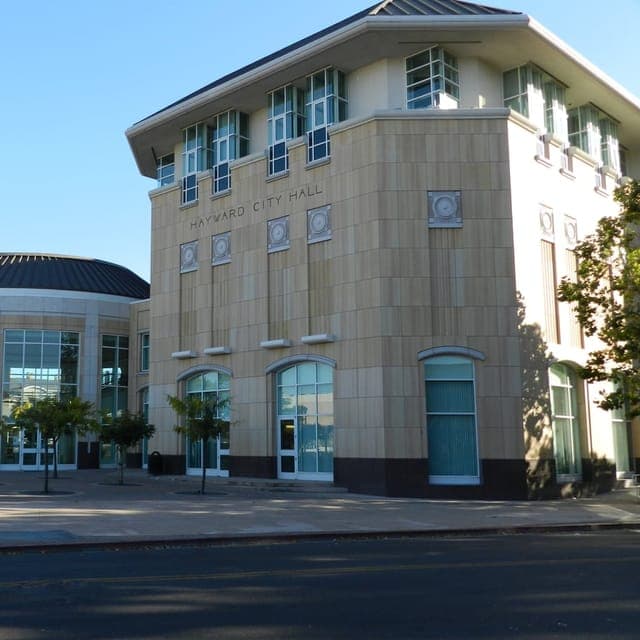
* Values derived from national, state, county, city and local statistics and may differ in a specific area. Last updated: 2026-04-24T11:35:09.000Z
Narrative content on this page is AI-generated and may contain mistakes. Verify any details that matter before acting on them.
ReloMaps may earn a commission from affiliate links at no extra cost to you.

