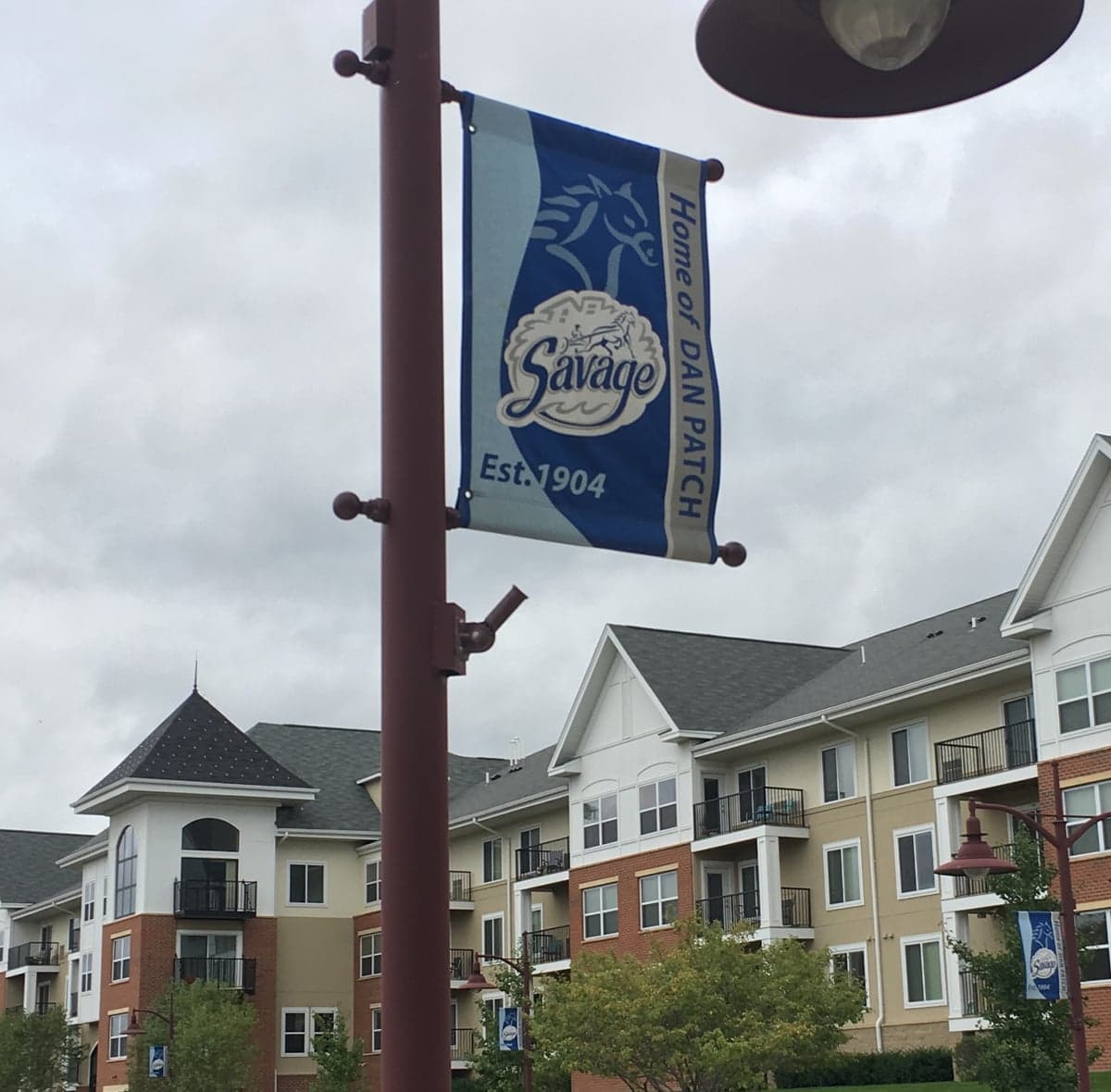
Photo: Wikipedia
Political ClimatePolitical Climate in Savage, MN
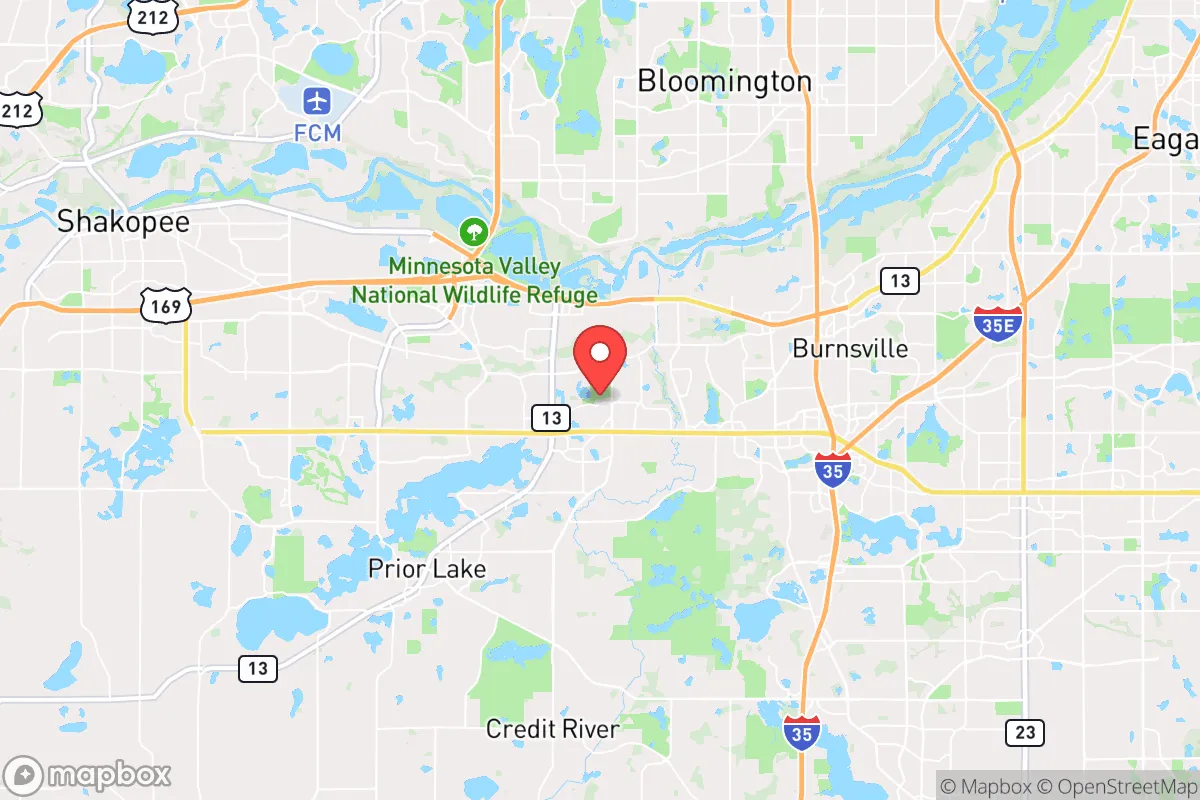
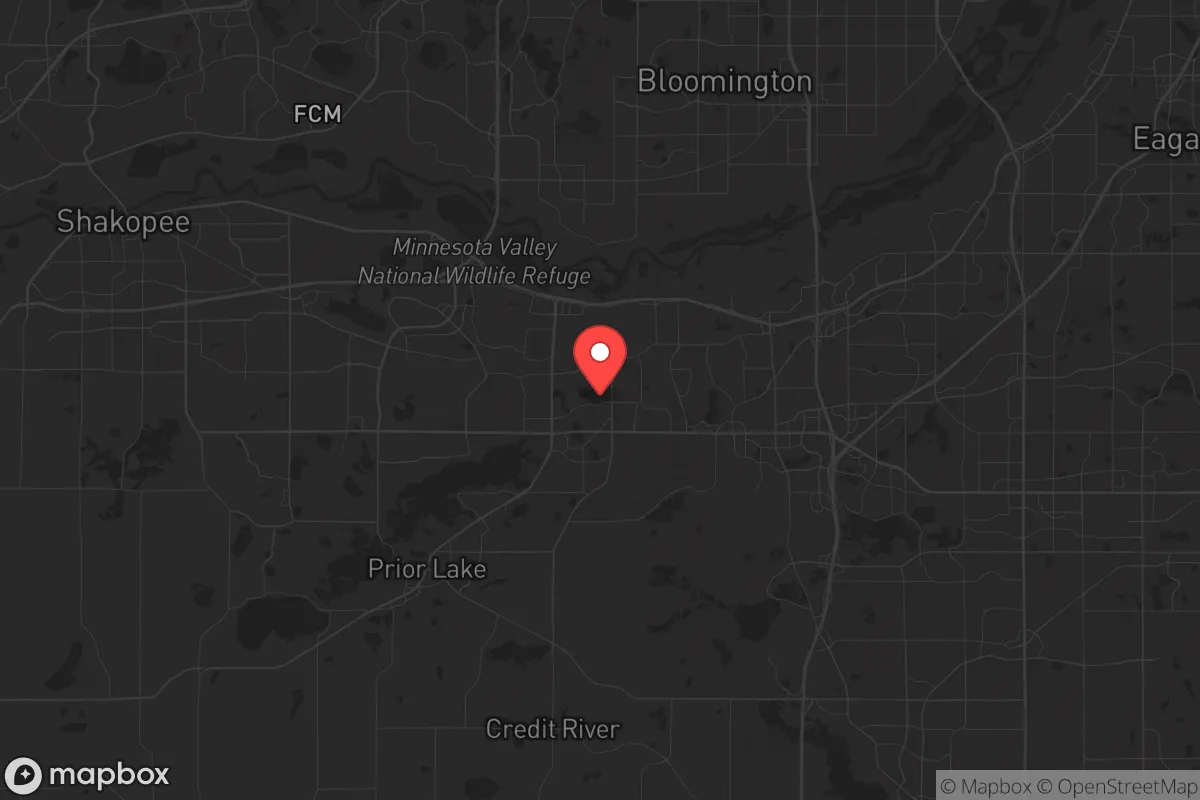
District shown is the primary district for this city’s centroid. Cities may span multiple districts.
Local Political AnalysisPolitical Analysis of Savage, MN
Savage, Minnesota, sits in a political landscape that’s been shifting under our feet. For a long time, this was a reliably conservative pocket in Scott County, but the latest Cook PVI rating of D+3 tells you things have changed. That’s a three-point lean toward the Democratic Party, which might not sound like much, but when you’ve lived here as long as I have, you feel it in the local elections and the conversations at the hardware store. The trajectory is clear: we’re moving away from the common-sense, limited-government values that built this town, and it’s happening faster than most folks want to admit.
How it compares
To really understand Savage, you have to look at the neighbors. Drive ten minutes west to Shakopee, and you’ll find a community that still leans more conservative, especially in the rural stretches near the Minnesota River. Head east to Burnsville or Bloomington, and you’re in solidly blue territory—places where government intervention in daily life is more accepted. Savage used to be the buffer zone, the place where families moved to escape the overreach you’d find in the inner-ring suburbs. Now, we’re starting to look a lot like them. The D+3 rating puts us closer to Burnsville’s D+5 than to Shakopee’s R+2, and that’s a worrying trend for anyone who values personal freedom over government programs.
What this means for residents
For those of us who’ve been here a while, the practical effects are already showing up. You’re seeing more local ordinances that nibble at property rights—things like stricter rental regulations and zoning changes that make it harder to run a small business out of your home. The school board has become a battleground, with progressive members pushing curriculum changes that focus more on social agendas than on reading, writing, and arithmetic. Taxes are creeping up to fund new “equity” initiatives and expanded city staff, and there’s a growing sense that the people in charge don’t trust us to make our own decisions. If you’re a conservative, you’re starting to feel like you’re on defense in your own town, constantly watching for the next overreach into your family’s life.
Long-term, I see this as a fork in the road. If the trend continues, Savage will become another Burnsville—a place where the government’s hand is heavy and the cost of living keeps rising without a corresponding increase in quality of life. The 2024 election results in Scott County showed a slight tightening, with the county overall still going red, but Savage’s precincts are the ones flipping blue. That’s a canary in the coal mine. The younger families moving in from the cities bring their urban voting habits with them, and they don’t seem to mind the idea of more rules and higher taxes. For those of us who remember when Savage was a place where you could build a shed without a permit and your kids could ride their bikes without a government-funded program telling them how, it’s a quiet loss. The culture is changing, and not for the better, if you ask me.

State Political ClimatePolitical Climate in Minnesota
State Political AnalysisPolitical Environment in the State
Minnesota has shifted from a classic purple battleground to a reliably blue state over the past 15 years, with Democrats now controlling the governorship, both legislative chambers, and the state Supreme Court. The 2024 presidential race saw the state go +7 for the Democratic candidate, a margin that has widened since 2016 when it was only +1.5. This leftward drift is driven by explosive growth in the Twin Cities metro, while Greater Minnesota has trended redder but lacks the population to offset the urban machine.
Urban vs. rural divide
The political map of Minnesota is a tale of two worlds. The Twin Cities metro—specifically Hennepin, Ramsey, and Dakota counties—generates roughly 55% of the state’s vote and has become a Democratic stronghold. Minneapolis and St. Paul themselves are deep blue, with precincts routinely hitting 80-90% Democratic. Meanwhile, the Iron Range in northeastern Minnesota, once a union-heavy Democratic bastion, has flipped sharply right over the last decade; St. Louis County outside Duluth now votes Republican in many local races. Outstate counties like Stearns (St. Cloud), Olmsted (Rochester), and Wright (Buffalo) have become reliably red, with Wright County voting +30 Republican in 2024. The divide is stark: drive 30 minutes outside the 494/694 loop, and you’re in Trump country. The suburbs are the battleground—places like Anoka County and Washington County have shifted left in recent cycles, while Carver County and Scott County remain conservative but are seeing in-migration from blue areas.
Policy environment
Minnesota’s policy environment has become aggressively progressive since the DFL (Democratic-Farmer-Labor Party) took full control in 2023. The state now has a progressive income tax with a top rate of 9.85% on income over $200,000, one of the highest in the nation. Property taxes are locally set but generally high, especially in the metro. The regulatory posture is heavy: Minnesota has a statewide commercial rent control law (2023), a strict clean car rule, and a new paid family leave program funded by a 0.7% payroll tax. Education policy is a flashpoint—the state passed a universal school meals program and banned book bans in public libraries, while parental rights groups have clashed with school boards over transgender policies and curriculum transparency. Election laws are among the most liberal: same-day voter registration, no-excuse absentee voting, and automatic voter registration at DMVs. The state also restored felon voting rights upon release from prison in 2023. For a conservative, the policy environment feels like a one-party state imposing a top-down progressive agenda.
Trajectory & freedom
On the freedom index, Minnesota is clearly trending downward. The 2023 legislative session was a blitz: the DFL passed a red flag law (Extreme Risk Protection Order), universal background checks for gun transfers, and a repeal of the permit-to-carry training requirement (though carry permits remain). Parental rights took a hit with the Trans Refuge Law, which shields gender-affirming care for minors from out-of-state legal challenges, effectively overriding parental consent laws from other states. Medical autonomy saw the passage of a reproductive rights law codifying abortion access up to viability, with no parental notification requirement for minors. Property rights are under pressure from a new tenant bill of rights that limits eviction grounds and requires just-cause termination. The state also enacted a clean energy standard requiring 100% carbon-free electricity by 2040, which will drive up energy costs. On the plus side, Minnesota has no right-to-work law, but union membership has declined to around 14%. The trajectory is clear: more regulation, higher taxes, and less individual discretion in healthcare, education, and firearms.
Civil unrest & political movements
Minnesota has been a national flashpoint for civil unrest since the 2020 George Floyd protests, which caused over $500 million in damage in Minneapolis and St. Paul. The state saw the rise of the “autonomous zone” in south Minneapolis and a sustained defund-the-police movement that led to the temporary disbanding of the Minneapolis Police Department’s violent crime unit. On the right, the Minnesota Gun Owners Caucus and Minnesota Family Council have been active in litigation and lobbying, but have lost ground legislatively. Immigration politics are tense: Minnesota is a sanctuary state under a 2023 law that limits local law enforcement cooperation with ICE, and the state has seen a surge in Somali and Hmong populations, particularly in the metro. Election integrity remains a hot-button issue—the 2020 election saw a razor-thin margin in the presidential race, and subsequent audits found no widespread fraud, but conservative groups continue to push for voter ID laws, which the DFL has blocked. Visible flashpoints include the State Capitol protests over COVID mandates in 2021 and ongoing school board battles in suburbs like Lakeville and Prior Lake over critical race theory and transgender policies.
Projection
Over the next 5-10 years, Minnesota is likely to continue its leftward drift, driven by three factors: continued urbanization of the Twin Cities, in-migration of progressive professionals from other blue states, and a declining rural population. The DFL’s 2023 trifecta is unlikely to be reversed soon, as the state’s legislative districts are drawn to favor Democrats in the metro. However, there are countercurrents: the Iron Range and southern Minnesota are seeing population growth from remote workers and retirees fleeing high-cost blue states, which could shift some rural districts redder. The state’s high tax burden and regulatory climate may accelerate out-migration of families and businesses to neighboring South Dakota and Wisconsin, which are more conservative. A new resident moving in now should expect a state where the political culture is increasingly dominated by Twin Cities values, with a growing gap between the metro and the rest of the state. The 2026 gubernatorial race will be a key test—if a moderate Republican can win back some suburban voters, the trajectory could slow, but the demographic tide is against it.
For a conservative moving to Minnesota, the bottom line is this: you’ll find strong communities in the exurbs and outstate areas, but you’ll be fighting an uphill battle at the state level. The tax burden is heavy, the regulatory environment is expanding, and your rights on guns, education, and medical decisions are under constant legislative assault. If you value low taxes, local control, and individual liberty, you’ll want to carefully consider whether the state’s natural beauty and strong economy are worth the political trade-offs. The best bet for a conservative is to settle in a red county like Wright or Carver, where local government is more aligned with your values, but be prepared for state-level policies that will continue to push left.
* Values derived from national, state, county, city and local statistics and may differ in a specific area. Last updated: 2026-04-30T03:26:22.000Z
Narrative content on this page is AI-generated and may contain mistakes. Verify any details that matter before acting on them.
ReloMaps may earn a commission from affiliate links at no extra cost to you.

