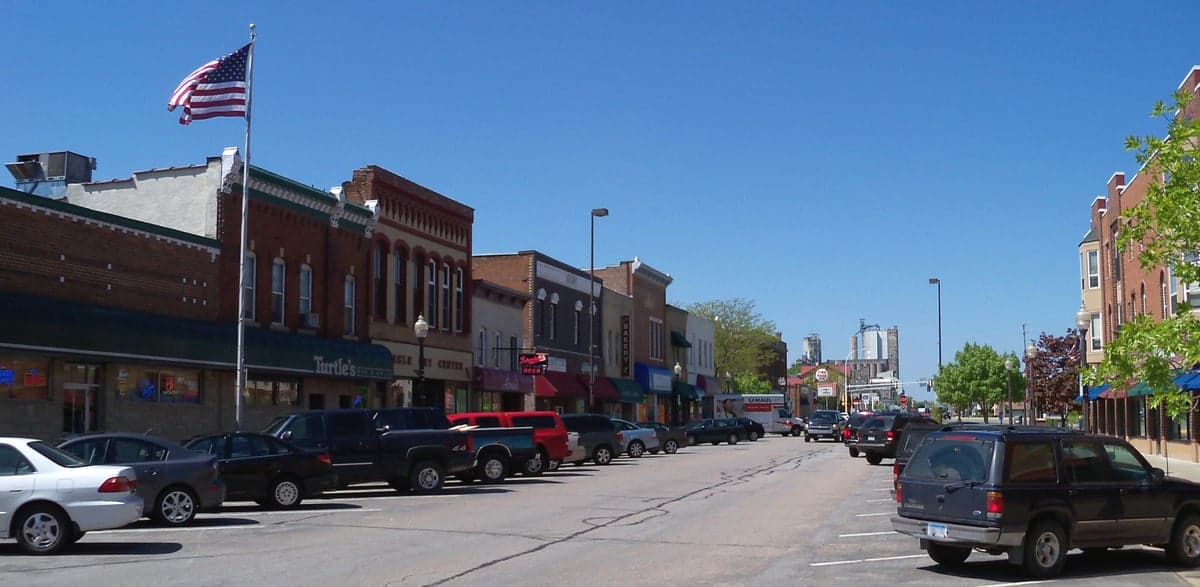
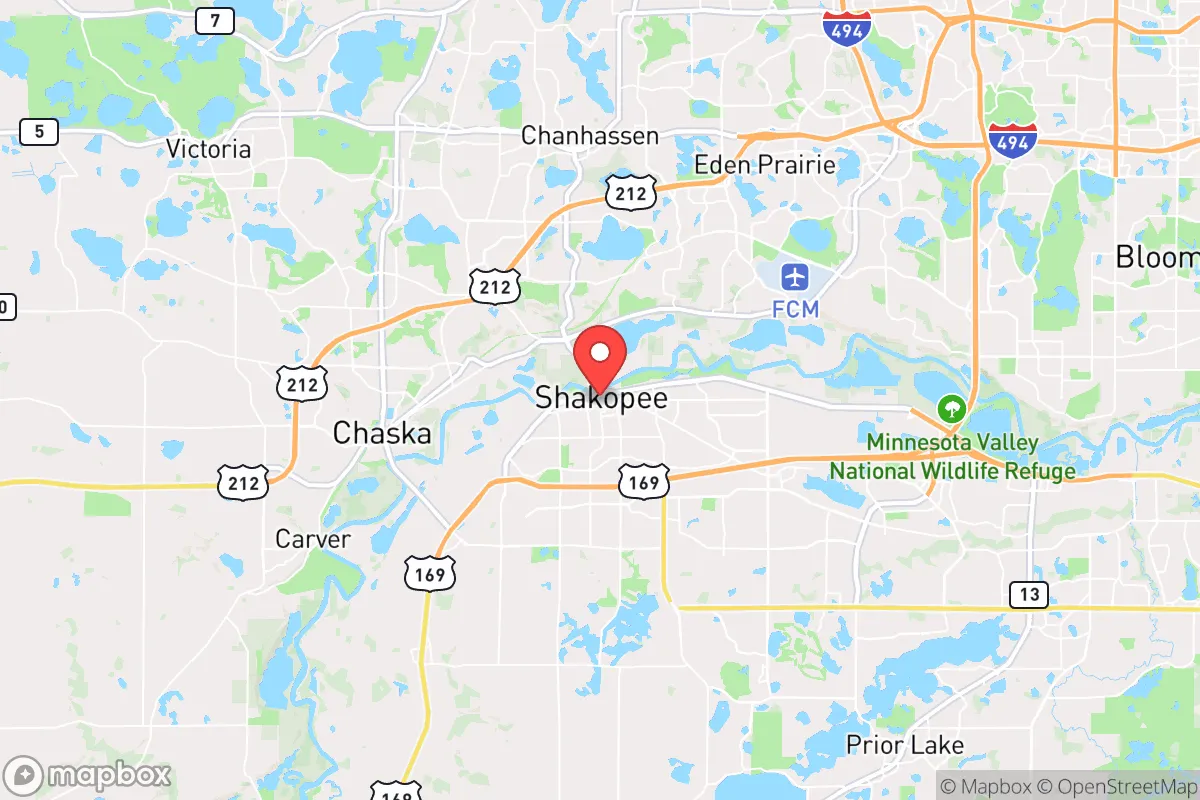
Photo: Wikipedia
Quality of Life in Shakopee, MN
A high quality of life with strong walkability, manageable living costs, healthy neighborhood signals, and solid amenity access.
What does Quality of Life tell us?
Quality of Life blends cost of living, nearby amenities, socioeconomic signals, and neighborhood character. City-level scores represent the whole municipality; individual neighborhoods can differ.
What does this tell us?
Quality of Life blends cost of living, nearby amenities, socioeconomic signals, and neighborhood character. City-level scores represent the whole municipality; individual neighborhoods can differ.
Cost of Living
28% above national average
The Real Cost of Living in Shakopee, MN for 2026
| Tier | Individual | Family (4) |
|---|---|---|
| Survival | $24k | $45k |
| Comfortable | $70k | $103k |
| Luxury | $160k+ | $248k+ |
| Elite (Top 5%) | $188k+ | $292k+ |
108%
The Area Signal
A metric tracking the socioeconomic signals of the area.


Hobbies
Explore the areaGroceries
10 within 10 miles
Gas
20 within 10 miles
Hospital
3 within 20 miles
Airport
MSP — MSP Aircraft Viewing Area
Post Office
USPS — Shakopee, MN
Critical Amenities
Quality-of-Life Analysis
Shakopee, Minnesota, presents a quality of life defined by above-average affluence and a strong family-oriented demographic. With a cost of living index of 128 (28% above the U.S. average), the city attracts professionals and dual-income households who prioritize suburban space, top-rated schools, and proximity to the Twin Cities. The population skews younger and more educated than the state average, reflecting a community built around careers in logistics, manufacturing, and healthcare, anchored by employers like Canterbury Park, Shakopee Mdewakanton Sioux Community, and Amazon fulfillment centers.
Cost of living, housing affordability, and how Shakopee compares to nearby suburbs
Shakopee’s cost of living is notably higher than the national norm but remains competitive within the southwest Twin Cities metro. The median home value of $361,400 is roughly 10% below the metro-wide median of $400,000, making it a relative bargain compared to Edina or Minnetonka. Median rent sits at $1,495, which is about $200 less than the Minneapolis-St. Paul average, appealing to renters who want newer apartment stock near the Minnesota River. Property taxes in Scott County average 1.1% of home value, slightly below the state median, while utility costs track close to national averages. The average commute of 22 minutes is shorter than the metro average of 26 minutes, a direct benefit of Shakopee’s position along Highway 169 and proximity to major employment hubs in Eden Prairie and Bloomington. For buyers, the trade-off is clear: you pay a premium over rural Scott County but gain faster access to downtown Minneapolis (30 minutes) and MSP Airport (20 minutes).
Schools, parks, and the daily rhythm of life in Shakopee
Daily life in Shakopee revolves around the Shakopee Public Schools district, which serves over 7,500 students and consistently earns above-average ratings for academics and extracurriculars. The district’s high school graduation rate of 91% outpaces the state average of 87%. Beyond the classroom, the city boasts over 40 parks and the sprawling Quarry Lake Park, which offers swimming, fishing, and hiking trails. The Canterbury Park horse racing and entertainment complex draws crowds for summer concerts and events, while the Mystic Lake Casino provides a major entertainment anchor just south of town. Grocery and retail options are concentrated along County Road 101 and Marschall Road, anchored by a Cub Foods and a Target. The restaurant scene leans toward chain dining, though local spots like 3rd Act Brewery and Shakopee Brewhall offer craft beer and community gathering spaces. Traffic congestion is minimal outside of peak hours, and the city’s walkability score of 30 reflects its car-dependent layout—most errands require a vehicle.
Families and professionals seeking a balanced suburban lifestyle with strong schools and reasonable commutes will find Shakopee a solid fit. The city’s above-average cost of living is offset by housing that remains more affordable than core suburbs, shorter commute times, and a robust parks system. Empty-nesters and retirees may prefer quieter towns like Chaska or Prior Lake, but for those raising children or working in the southwest metro, Shakopee delivers a dependable, amenity-rich environment without the premium price tag of its wealthier neighbors.

Crime in Shakopee, MN
Lower crime rates than 89% of comparable U.S. locations.
Violent CrimeViolent Crime Analysis
Property CrimeProperty Crime Analysis
Crime Analysis
Shakopee, Minnesota, reports a violent crime rate of 88.8 incidents per 100,000 residents and a property crime rate of 1,208.9 per 100,000, placing it in a complex safety position within the Twin Cities metro area. While the violent crime figure is notably lower than both the Minnesota state average and the national rate, the property crime rate is elevated, exceeding state and national benchmarks. As a growing suburb within a large, liberal-leaning metropolitan region, Shakopee faces systemic challenges tied to progressive prosecutorial policies that can prioritize offender rehabilitation over public safety, potentially increasing recidivism and reducing deterrent effects.
Crime in context
Shakopee’s violent crime rate of 88.8 per 100,000 is roughly one-third the national average (approximately 380 per 100,000) and well below the Minnesota state average of about 240 per 100,000. This low violent crime figure is a positive outlier. However, the property crime rate of 1,208.9 per 100,000 is about 20% higher than the national average (roughly 1,000 per 100,000) and significantly exceeds the Minnesota state average of approximately 1,100 per 100,000. This disparity is concerning because property crime often signals underlying issues with theft, vandalism, and drug-related offenses, which can be exacerbated by lenient sentencing and diversion programs common in progressive jurisdictions. The broader Twin Cities metro area, including Scott County where Shakopee is located, has seen property crime trends influenced by policies that reduce jail time for non-violent offenders, potentially emboldening repeat property criminals.
What residents experience
Residents of Shakopee generally report feeling safe in their daily routines, particularly during daylight hours and in well-trafficked commercial areas like the Shakopee Town Square and along County Road 101. However, the elevated property crime rate manifests in tangible ways: vehicle break-ins, package theft, and garage burglaries are the most commonly reported incidents, according to local police data. The presence of large retail centers, such as the Canterbury Park area and the Outlet Mall, can attract opportunistic theft. Because the metro area’s district attorneys often pursue progressive alternatives to incarceration—such as restorative justice or pre-trial diversion for theft and drug possession—repeat offenders may cycle through the system without meaningful consequences. This dynamic can leave residents feeling that property crimes are under-policed or under-prosecuted, eroding trust in the justice system’s ability to protect victims.
Neighborhood-level variation is notable. Newer subdivisions on the city’s west side, such as those near Eagle Creek Golf Course, tend to report lower crime rates due to higher home values and stronger neighborhood watch participation. In contrast, older neighborhoods closer to the Minnesota River and the downtown core, particularly around 1st Avenue and Fuller Street, experience slightly higher property crime rates. Apartment complexes near Highway 169 also see more frequent police calls for theft and vandalism. Overall, while Shakopee is safer than many inner-ring suburbs, its property crime challenges—amplified by metro-wide progressive justice policies—warrant caution, especially for residents who value strong enforcement and victim-centered outcomes.
* Values derived from national, state, county, city and local statistics and may differ in a specific area. Last updated: 2026-04-20T16:24:45.000Z
Narrative content on this page is AI-generated and may contain mistakes. Verify any details that matter before acting on them.
ReloMaps may earn a commission from affiliate links at no extra cost to you.

