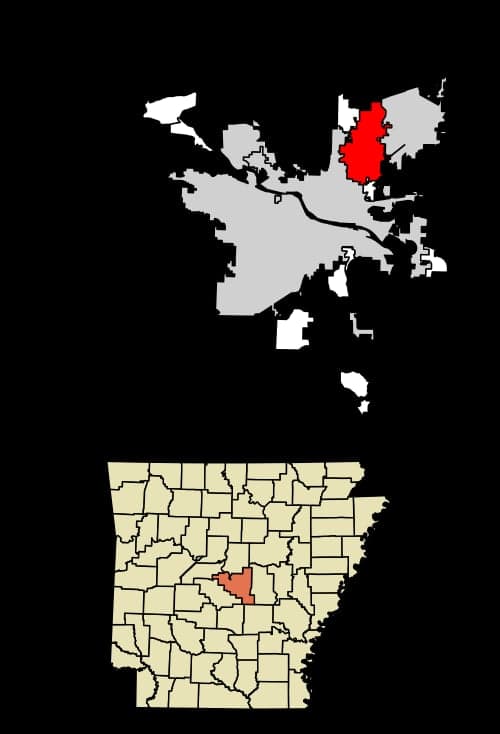
Photo: Wikipedia
Quality of Life in Sherwood, AR
Above-average quality of iife. The area offers a reasonable cost of living, decent mobility, and a mix of neighborhood amenities.
What does Quality of Life tell us?
Quality of Life blends cost of living, nearby amenities, socioeconomic signals, and neighborhood character. City-level scores represent the whole municipality; individual neighborhoods can differ.
What does this tell us?
Quality of Life blends cost of living, nearby amenities, socioeconomic signals, and neighborhood character. City-level scores represent the whole municipality; individual neighborhoods can differ.
Cost of Living
21% below national average
The Real Cost of Living in Sherwood, AR for 2026
| Tier | Individual | Family (4) |
|---|---|---|
| Survival | $16k | $30k |
| Comfortable | $37k | $55k |
| Luxury | $115k+ | $179k+ |
| Elite (Top 5%) | $136k+ | $211k+ |
145%
The Area Signal
A metric tracking the socioeconomic signals of the area.
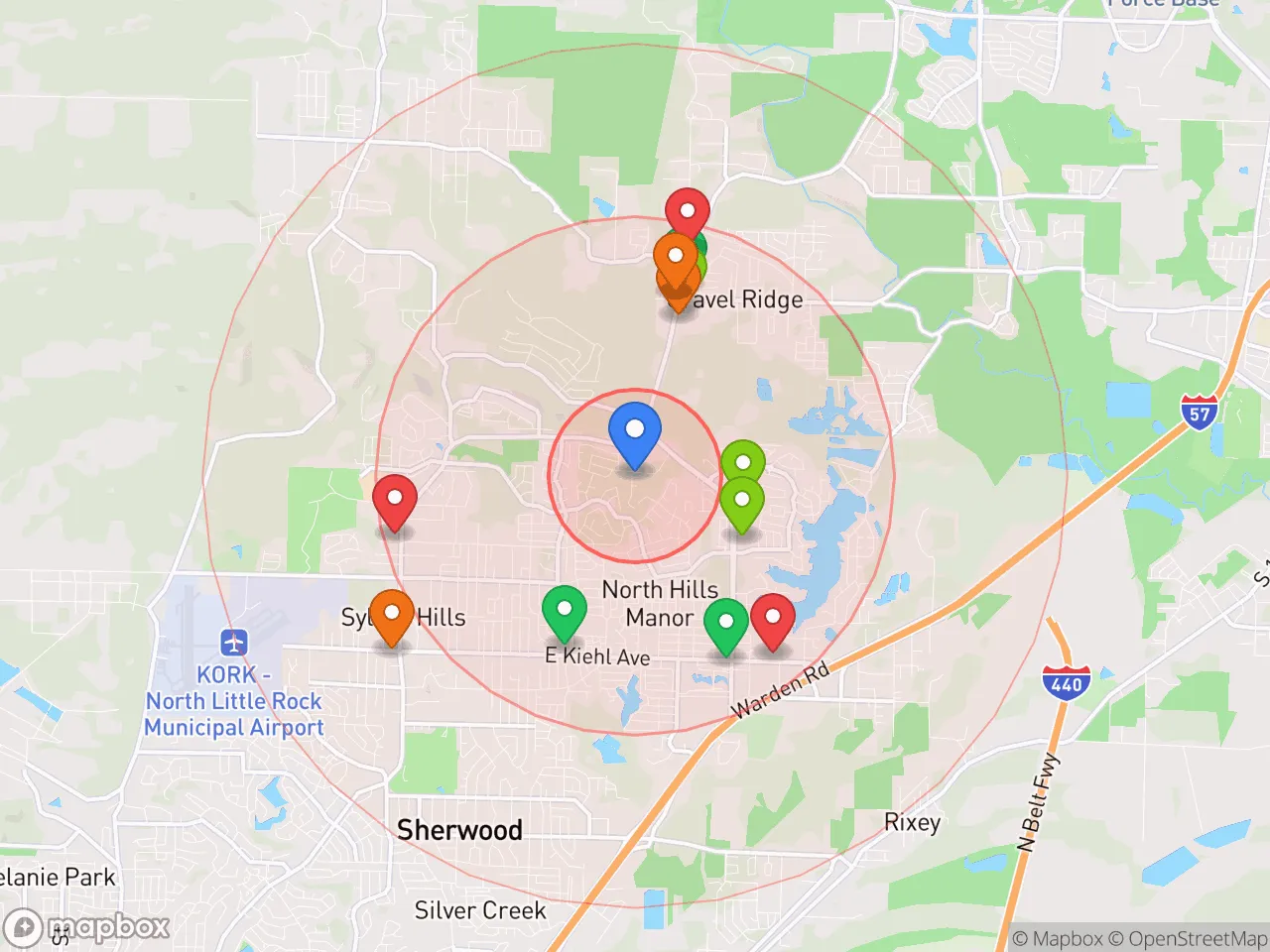
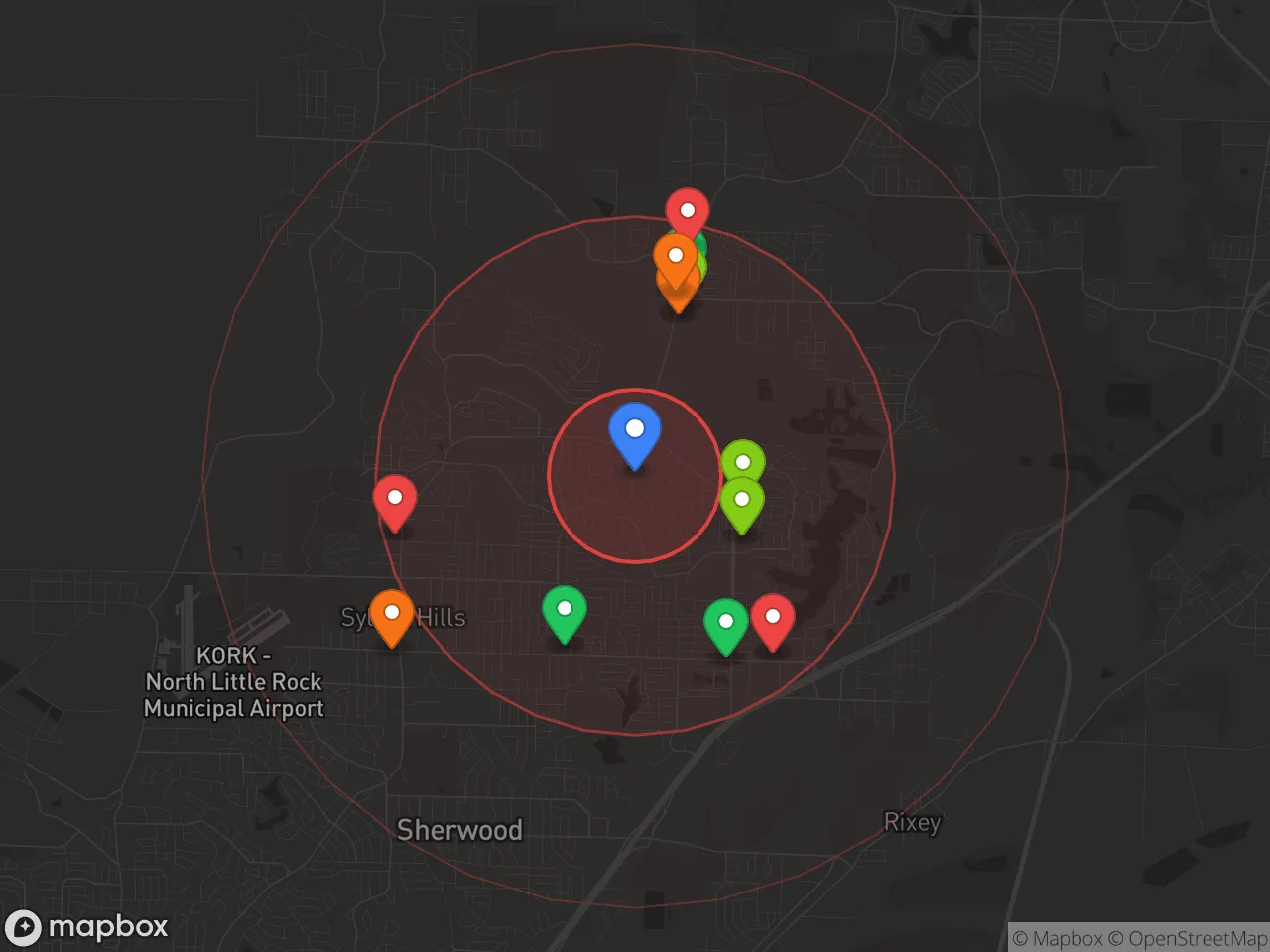
Hobbies
Explore the areaGroceries
6 within 10 miles
Gas
20 within 10 miles
Hospital
20 within 20 miles
Airport
DFW — Dallas/Fort Worth International
Post Office
USPS — Sherwood, AR
Critical Amenities
Quality-of-Life Analysis
Sherwood, Arkansas, is an affluent, family-oriented suburb of Little Rock that attracts professionals, growing families, and retirees seeking a quieter pace of life without sacrificing urban access. With a cost of living index of 79 (21% below the U.S. average), the city offers a notably lower financial barrier to homeownership and daily expenses compared to the national norm, while still providing strong schools, ample parks, and a tight-knit community feel. The typical resident is a married homeowner in their late 30s to early 50s, often employed in healthcare, education, or local government, who values safety, space, and convenience over nightlife or dense urban amenities.
Cost of living, housing affordability, and how Sherwood compares to Little Rock and North Little Rock
Sherwood’s housing market is a primary draw for newcomers. The median home value sits at $190,900, which is roughly $60,000 less than the national median and about 15% lower than the median in neighboring Little Rock proper. Median rent is $1,011, making it more affordable than the national average of roughly $1,200 and competitive with North Little Rock’s median of $1,050. The overall cost of living index of 79 means groceries, utilities, and transportation all run below the U.S. average, though slightly higher than in more rural Pulaski County towns like Jacksonville (index 76). Property taxes in Arkansas are among the lowest in the nation (averaging 0.55% of assessed value), and Sherwood’s millage rate is in line with the county average, keeping annual tax bills manageable for homeowners. The average commute of 25.1 minutes is slightly longer than the national average of 26 minutes, but most residents drive to jobs in Little Rock (15–20 minutes via I-40 or Highway 67/167) or to the growing medical corridor around Baptist Health Medical Center-North Little Rock, keeping gas costs moderate.
What daily life is like for families: schools, parks, and local amenities
Daily life in Sherwood revolves around its highly rated public schools (Pulaski County Special School District, with Sherwood Elementary and Sylvan Hills High School both earning B+ ratings on Niche) and a robust parks system anchored by Sherwood Forest, a 200-acre nature preserve with hiking trails, a fishing pond, and a disc golf course. The city’s commercial spine along Kiehl Avenue and Highway 107 is lined with chain retailers (Walmart, Target), local restaurants (like the popular Dugan’s Pub), and medical offices, meaning most errands are a 5–10 minute drive. Weekend rhythms often include youth sports at the Sherwood Sports Complex, farmers markets at the Sherwood Community Center, or quick trips to the Arkansas River Trail system in North Little Rock. Crime rates are low: Sherwood’s violent crime rate is about 2.5 per 1,000 residents, roughly half the national average, and property crime is similarly below the U.S. norm, reinforcing its reputation as a safe, quiet suburb. The lack of a downtown core means nightlife is minimal, but residents trade that for larger lots (median lot size 0.3 acres) and a slower, more neighborly atmosphere.
Sherwood is best suited for families and professionals who prioritize affordability, safety, and good schools over urban excitement. Retirees on fixed incomes will appreciate the low property taxes and below-average healthcare costs, while remote workers can leverage the 25-minute commute to Little Rock’s airport or downtown for occasional in-office days. Those seeking a vibrant nightlife, walkable neighborhoods, or a dense urban environment will find Sherwood too quiet, but for anyone wanting a stable, cost-effective base within easy reach of a mid-sized city, it is a strong contender. The city’s steady population growth (up 8% since 2020) and ongoing commercial development along Highway 107 suggest it will remain a desirable, affordable alternative to pricier Little Rock suburbs for years to come.

Crime in Sherwood, AR
Generally safer than 57% of comparable U.S. locations.
Violent CrimeViolent Crime Analysis
Property CrimeProperty Crime Analysis
Crime Analysis
Sherwood, Arkansas, reports a violent crime rate of 607.8 per 100,000 residents and a property crime rate of 2,014.9 per 100,000, figures that place it above both the state and national averages. As a suburb of Little Rock, Sherwood’s safety profile is heavily influenced by the broader Pulaski County criminal justice environment, where progressive prosecutorial policies have been linked to higher recidivism and reduced public confidence. While the city maintains its own police department, residents should be aware that county-level judicial trends can directly affect local crime patterns.
Crime in context
Sherwood’s violent crime rate of 607.8 per 100,000 is roughly 65% higher than the national average of about 369 per 100,000, and significantly exceeds the Arkansas state average of approximately 530 per 100,000. Property crime in Sherwood, at 2,014.9 per 100,000, also runs well above the national benchmark of 1,954 per 100,000. These numbers place Sherwood in a higher-risk tier compared to other central Arkansas suburbs like Maumelle or Benton. The elevated rates are consistent with the challenges facing the Little Rock metropolitan area, where Pulaski County’s progressive district attorney has faced criticism for lenient plea deals and reduced incarceration rates, policies that critics argue embolden repeat offenders and undermine deterrence.
What residents experience
For Sherwood residents, the most common safety concerns involve property crimes such as burglary, vehicle theft, and larceny, which together account for the bulk of reported incidents. Violent crimes, including aggravated assault and robbery, occur less frequently but are not rare. Residents report that car break-ins and package thefts are persistent nuisances, particularly in neighborhoods near major retail corridors like Brockington Road and Kiehl Avenue. The city’s police department has responded with increased patrols and a neighborhood watch program, but the underlying driver of crime remains the county’s justice philosophy. Progressive policies that prioritize diversion and reduced sentencing for nonviolent offenders have been shown to increase property crime rates in similar jurisdictions, as offenders face fewer consequences for repeat offenses.
Neighborhood-level variation
Safety in Sherwood varies noticeably by area. Older, established subdivisions like Oakwood and Sherwood Forest tend to report lower crime rates, benefiting from stronger community cohesion and private security measures. In contrast, apartment complexes and rental-heavy zones near Highway 67/167 and the Gravel Ridge border experience higher incident rates, particularly for theft and vandalism. Newer developments on the city’s north and east edges generally show better safety records, though they remain vulnerable to spillover crime from adjacent unincorporated areas. Prospective residents should examine block-level crime maps and consider that progressive judicial policies in Pulaski County create a regional risk that no single neighborhood can fully escape, making personal security measures and community engagement essential for all Sherwood households.
* Values derived from national, state, county, city and local statistics and may differ in a specific area. Last updated: 2026-04-30T02:17:22.000Z
Narrative content on this page is AI-generated and may contain mistakes. Verify any details that matter before acting on them.
ReloMaps may earn a commission from affiliate links at no extra cost to you.

