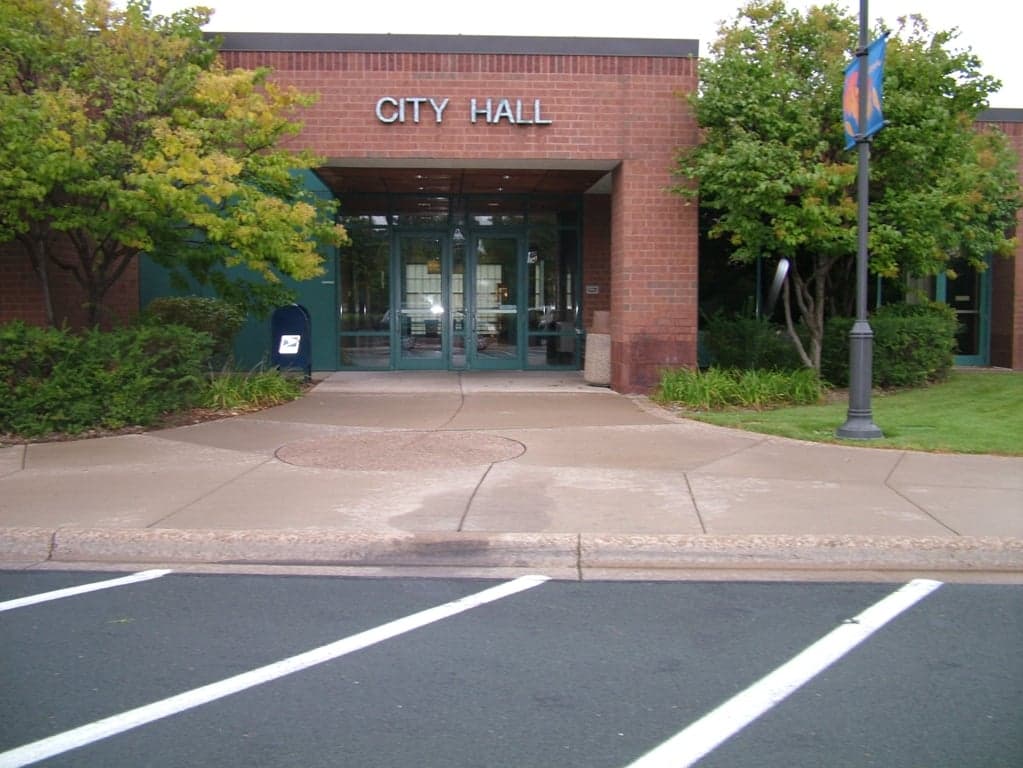
Photo: Wikipedia
Strategic Assessment of Shoreview, MN
Multiple tactical vulnerabilities. Population density, target proximity, or disaster risk are likely compounding. A retreat property and exit planning is required.
What does the Strategic Assessment tell us?
Our Strategic Assessment grades tactical survivability of an area. Major population centers, military targets, fallout zones, natural disasters, and border exposure all drive risk — lower exposure means a more defensible position in a crisis.
This is heavily inspired by Joel Skousen's Strategic Relocation book. Highly recommended you checkout the book ($)What does this tell us?
Our Strategic Assessment grades tactical survivability of an area. Major population centers, military targets, fallout zones, natural disasters, and border exposure all drive risk — lower exposure means a more defensible position in a crisis.
This is heavily inspired by Joel Skousen's Strategic Relocation book. Highly recommended you checkout the book ($)Strategic Pillars

Key Distances
Regional Safe Places
Below is our recommended "safe zones" in Minnesota and the surrounding area based on our strategic heuristics. For most people, it's unrealistic to live in a “safe zone” full-time due to work, family or other personal reasons. They tend to be more rural. However, many of these areas are perfect for second homes and retreat properties that double as a vacation home or even a short-term rental.
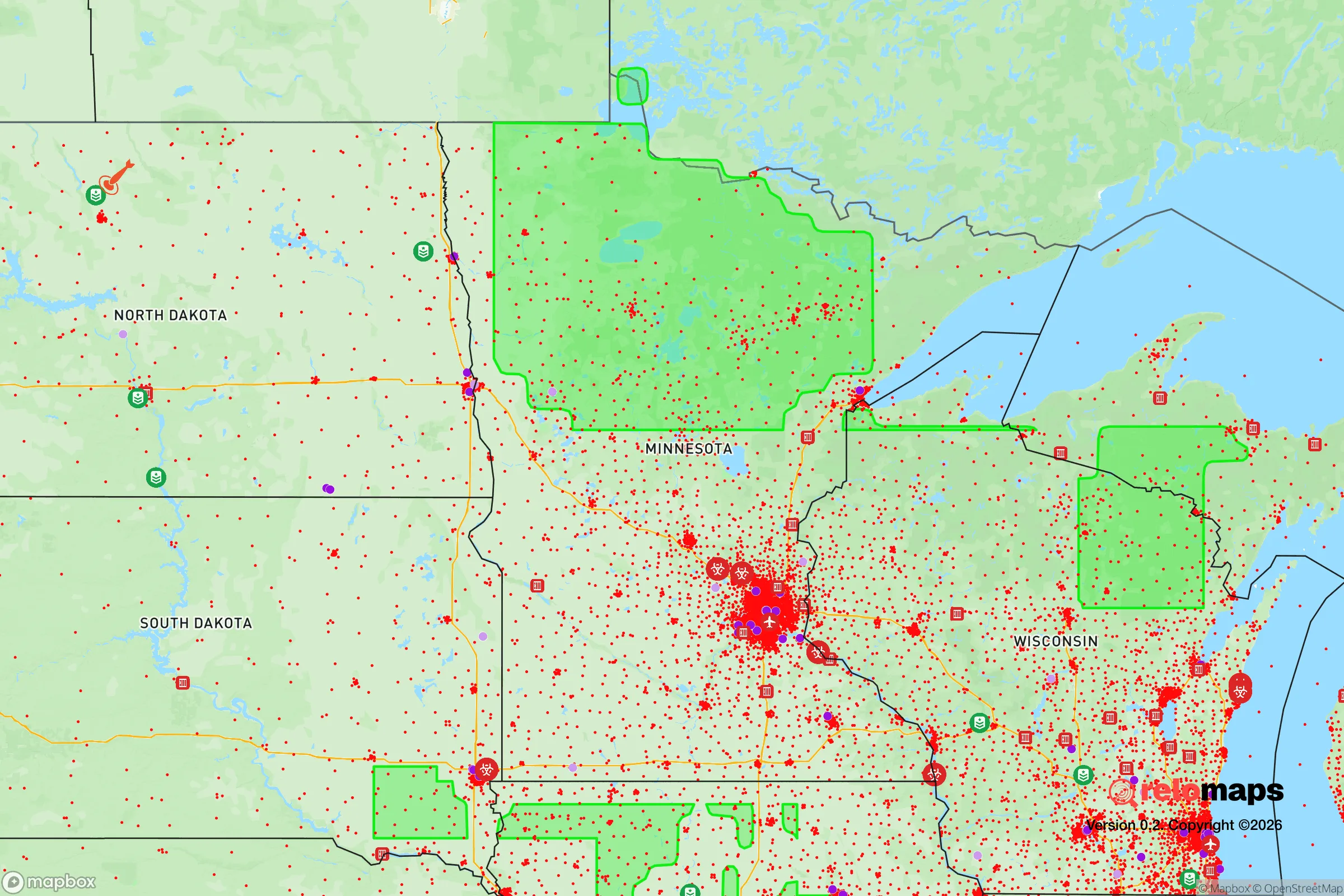
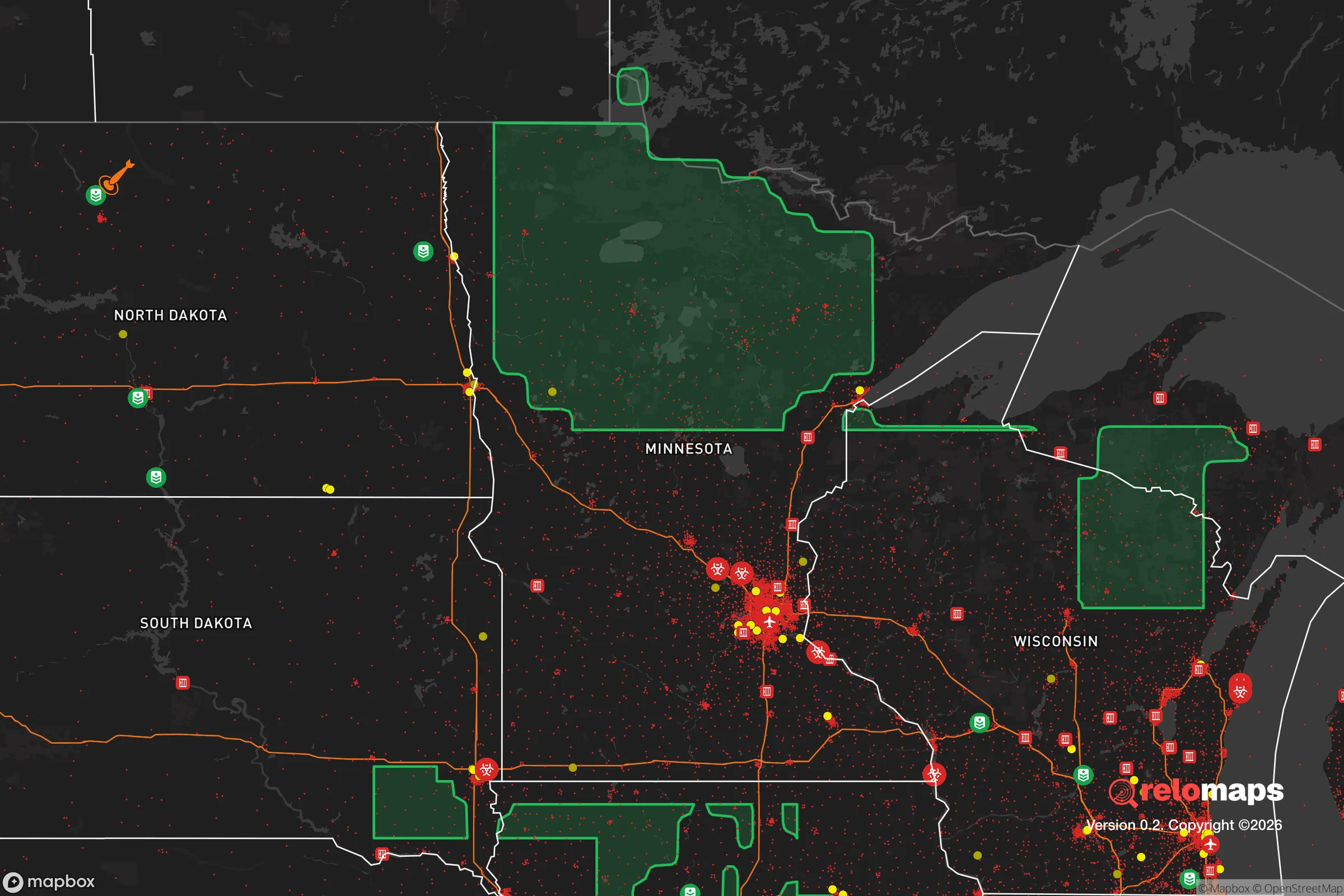


Important Note: For informational purposes only. This does not mean nothing bad ever happens in the green zones. Please use common sense. This is based on public data and modeled with AI. We tried to take a conservative approach but mistakes happen. We update this regularly as new information becomes available.
Solar Generator Recommendations
Backup power matters more here than in safer locations. We've picked three solar generators across budgets and capacity tiers — start with the budget unit if you only need a few essentials, or step up if you want to run a fridge and HVAC for days at a time.

Jackery Portable Power Station Explorer 300
Budget OptionPower on the Go: Weighing only 11 lbs, it's convenient to set up and store with book-sized foldable solar panels

BLUETTI Portable Power Station AC180
Designed for both indoor and outdoor scenarios, AC180 is highly capable as it has a robost capacity and continuous output power.

EF ECOFLOW DELTA Pro Ultra Power Station
Upgraded PickEcoFlow DELTA Pro Ultra is a whole-home energy system designed to grow with your family. Integrated with the Smart Home Panel 2, it scales to meet your evolving energy needs — keeping your home powered, intelligent, and secure through every stage of life.
We earn a commission, at no additional cost to you.
Strategic Assessment Analysis
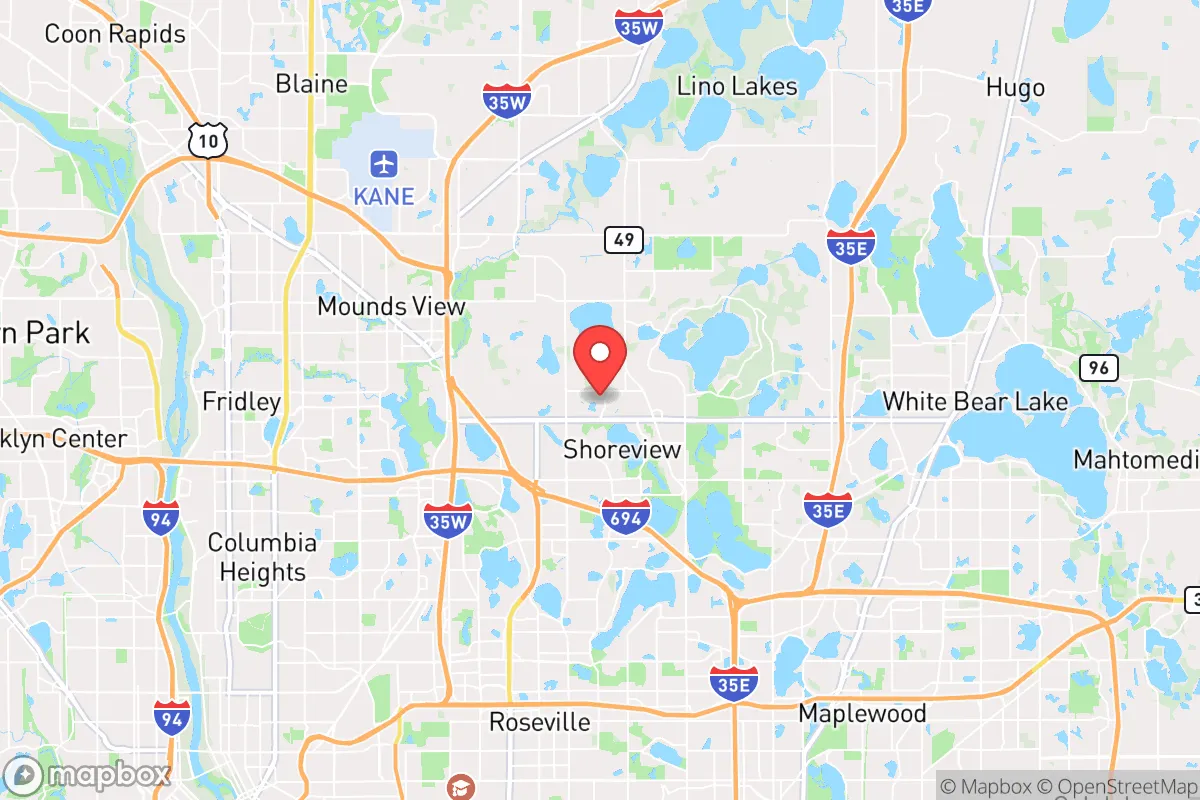
Shoreview, Minnesota, sits in a position that demands a hard, clear-eyed look from anyone serious about strategic relocation. It’s a classic suburban buffer zone—close enough to the Twin Cities to offer economic and medical infrastructure, but far enough out that you aren’t living in the blast radius of a major population center. For a prepper or survivalist, that buffer is the single most important factor here. The city’s resilience isn’t about being untouchable; it’s about being able to observe, react, and hold ground while the chaos of a major metro area unfolds at a safe distance. This analysis treats Shoreview as a potential fallback position, not a fortress, and weighs its real-world advantages against the very real risks of being within striking distance of a primary national target.
Geographic position and natural advantages for a strategic hold
Shoreview is planted on the northeast edge of the Twin Cities metro, straddling the line between suburban sprawl and the more rural, lake-dotted terrain of Ramsey County. Its position along the Mississippi River corridor is a double-edged sword—the river provides a natural barrier and a potential water source, but it also funnels traffic and attention. The area is laced with dozens of lakes, including Snail Lake, Turtle Lake, and the massive Rice Creek Chain of Lakes, which offer both recreational utility and a decentralized water supply if municipal systems go down. The terrain is gently rolling, with enough tree cover and wetland pockets to provide limited concealment and natural choke points for anyone trying to move through the area on foot. From a defensive standpoint, the abundance of water features means you can’t be easily approached from all directions, and the local road network—primarily two-lane county roads and state highways like 96 and 49—offers multiple egress routes north toward the St. Croix River valley or east into Wisconsin. That’s a critical advantage: you aren’t funneled into a single escape corridor like you would be in a valley or coastal plain. The local soil is decent for small-scale gardening, and the growing season, while short, is reliable enough for cold-hardy crops. For a relocator, the natural assets here are real but modest—this isn’t a self-sufficient homestead paradise, but it’s a workable base for a group that’s willing to put in the labor.
Risks, exposures, and proximity to fallout-relevant landmarks
Let’s not sugarcoat it: Shoreview is within 15 miles of downtown Minneapolis and roughly 20 miles from the Minneapolis–St. Paul International Airport (MSP). In a major conflict scenario—whether that’s a conventional strike, a dirty bomb, or a cyber-induced grid collapse that triggers civil unrest—those are primary targets. The airport, the I-94/I-35W interchange, and the central business district are all high-value nodes. Shoreview sits just outside the likely immediate blast or fallout zone for a small tactical nuke, but you’d still be dealing with fallout drift depending on wind direction. The real risk isn’t the initial bang; it’s the secondary wave. When the Twin Cities go dark, you’ll see a mass exodus of people heading north and east along the same roads you’d use. Shoreview’s position on the edge of that outflow means you’ll be in the path of desperate, unprepared people moving through. The city itself has no major military installations, no power plants, and no obvious strategic value, which is actually a plus—it’s not a target. But it is a bedroom community with a population of about 26,000, and that density means you can’t rely on isolation. The biggest exposure is the proximity to the Mississippi River bridges and the major highway corridors; if those are compromised or blocked, your mobility is severely limited. Additionally, the area’s reliance on the regional power grid and natural gas for heating is a vulnerability—Minnesota winters are unforgiving, and a prolonged grid-down event in January would kill more people than any direct attack. The risk profile here is moderate-to-high, but it’s manageable if you have a plan for the first 72 hours and a secondary retreat location farther north.
Practical resilience for a relocator: food, water, energy, and defensibility
For a single individual or a family looking to set up a resilient household in Shoreview, the practicalities break down into four categories: water, food, energy, and security. Water is the strongest asset—the lakes and the Rice Creek watershed provide surface water year-round, but you’ll need filtration and storage. The municipal water supply comes from the Mississippi River via the St. Paul Regional Water Services system, which is a single point of failure; if that plant goes down, you’re on your own. A good Berkey or Sawyer filter, plus a 55-gallon drum or two, is non-negotiable. Food is trickier. Shoreview is zoned for standard suburban lots, so you’re not getting acreage for a serious garden or livestock. You’ll need to rely on stockpiling, local hunting (deer and waterfowl are abundant in the area), and barter networks. The local farmers’ markets and co-ops are decent for normal times, but in a crisis, they’ll be empty. Energy is a mixed bag. The grid is reliable in normal conditions, but the region is prone to ice storms and derecho events that can knock out power for days. Solar is viable here—you’ll get about 4.5 peak sun hours per day in summer, but winter is brutal with short days and heavy cloud cover. A propane generator with a 500-gallon tank is a better bet for winter resilience, but you’ll need to secure the fuel supply before any crisis hits. Defensibility is the weakest link. Shoreview is a typical suburban grid of cul-de-sacs and winding streets, which makes it hard to secure a perimeter. Your best bet is a house on a corner lot with clear sightlines, or better yet, a property backing onto a lake or wetland that limits approach vectors. Neighborhood watch and community coordination are your only real force multipliers here—going it alone in a suburban environment is a losing strategy. The local police department is professional but small; in a major event, they’ll be overwhelmed. You need to be your own first responder.
The overall strategic picture for Shoreview is one of calculated compromise. It offers a solid geographic buffer from the worst of a Twin Cities collapse, with enough natural water and egress options to make a short-to-medium-term hold feasible. But it’s not a retreat—it’s a forward operating base. The density, the reliance on regional infrastructure, and the proximity to high-value targets mean you cannot treat this as a permanent bug-out location. For a conservative-minded relocator who wants to stay connected to the economic and medical resources of the metro while maintaining a credible level of preparedness, Shoreview works. For anyone looking for true isolation, self-sufficiency, and a low-probability-of-intercept location, you need to go another 60 miles north or east. The bottom line: Shoreview is a viable option for the prepared, but it will punish the unprepared. If you’re serious, you’ll treat it as a base of operations, not a final destination, and you’ll have a secondary plan for when the buffer shrinks to zero.

* Values derived from national, state, county, city and local statistics and may differ in a specific area. Last updated: 2026-04-30T06:49:39.000Z
Narrative content on this page is AI-generated and may contain mistakes. Verify any details that matter before acting on them.
ReloMaps may earn a commission from affiliate links at no extra cost to you.

