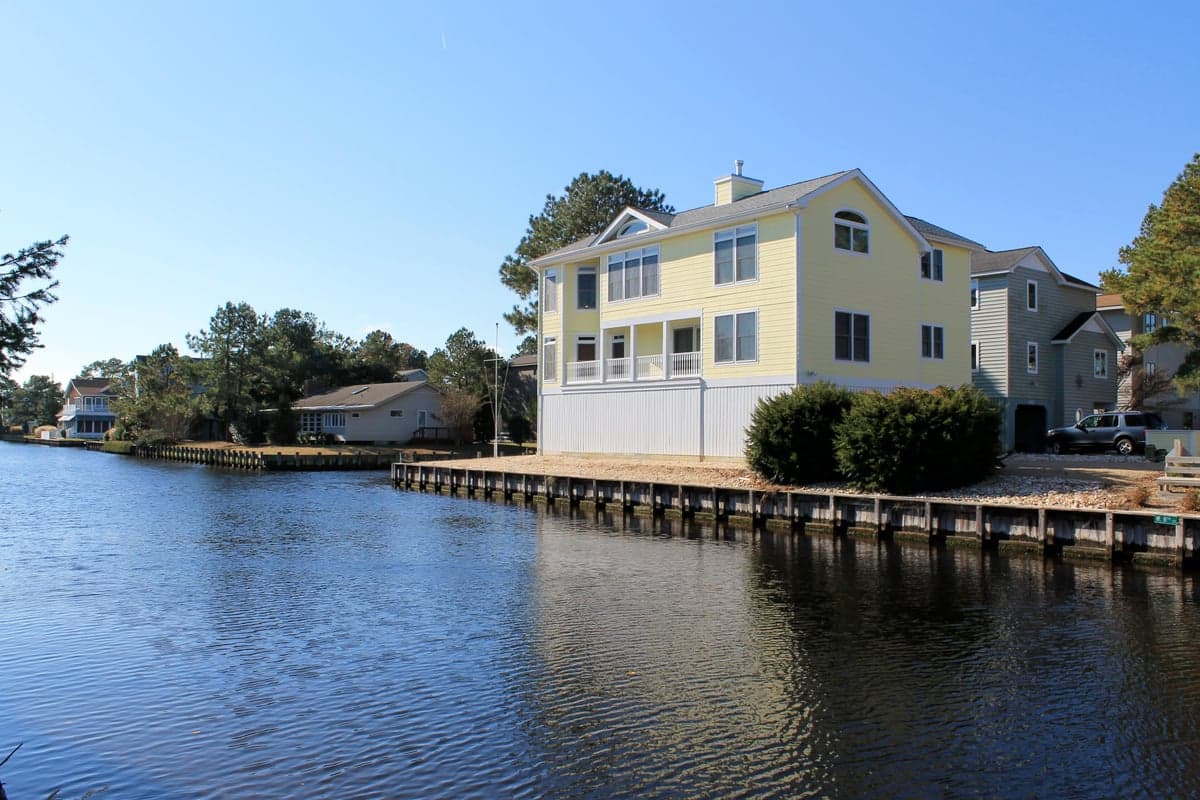
Photo: Wikipedia
Strategic Assessment of South Bethany, DE
Multiple tactical vulnerabilities. Population density, target proximity, or disaster risk are likely compounding. A retreat property and exit planning is required.
What does the Strategic Assessment tell us?
Our Strategic Assessment grades tactical survivability of an area. Major population centers, military targets, fallout zones, natural disasters, and border exposure all drive risk — lower exposure means a more defensible position in a crisis.
This is heavily inspired by Joel Skousen's Strategic Relocation book. Highly recommended you checkout the book ($)What does this tell us?
Our Strategic Assessment grades tactical survivability of an area. Major population centers, military targets, fallout zones, natural disasters, and border exposure all drive risk — lower exposure means a more defensible position in a crisis.
This is heavily inspired by Joel Skousen's Strategic Relocation book. Highly recommended you checkout the book ($)Strategic Pillars

Key Distances
Regional Safe Places
Below is our recommended "safe zones" in Delaware and the surrounding area based on our strategic heuristics. For most people, it's unrealistic to live in a “safe zone” full-time due to work, family or other personal reasons. They tend to be more rural. However, many of these areas are perfect for second homes and retreat properties that double as a vacation home or even a short-term rental.
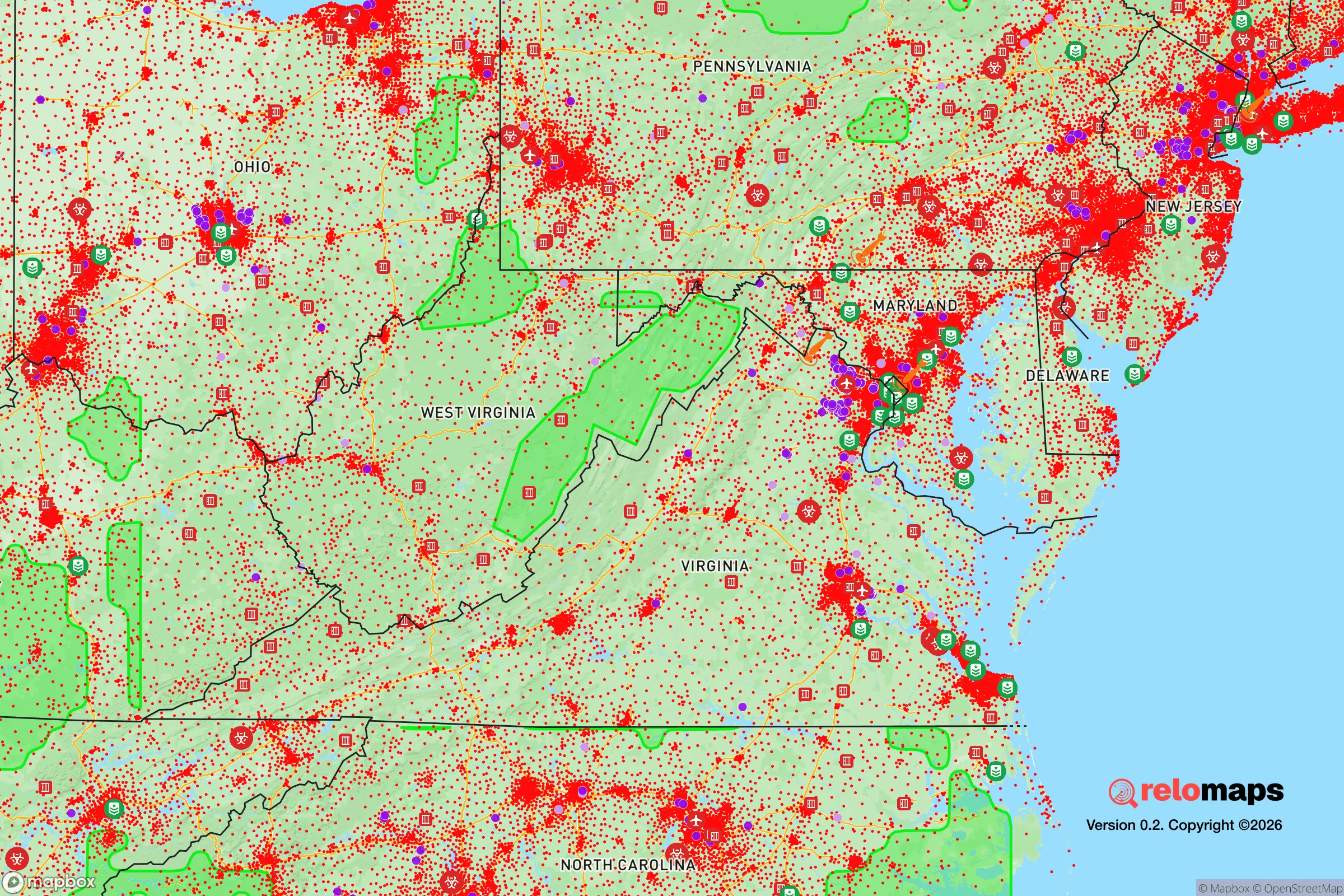
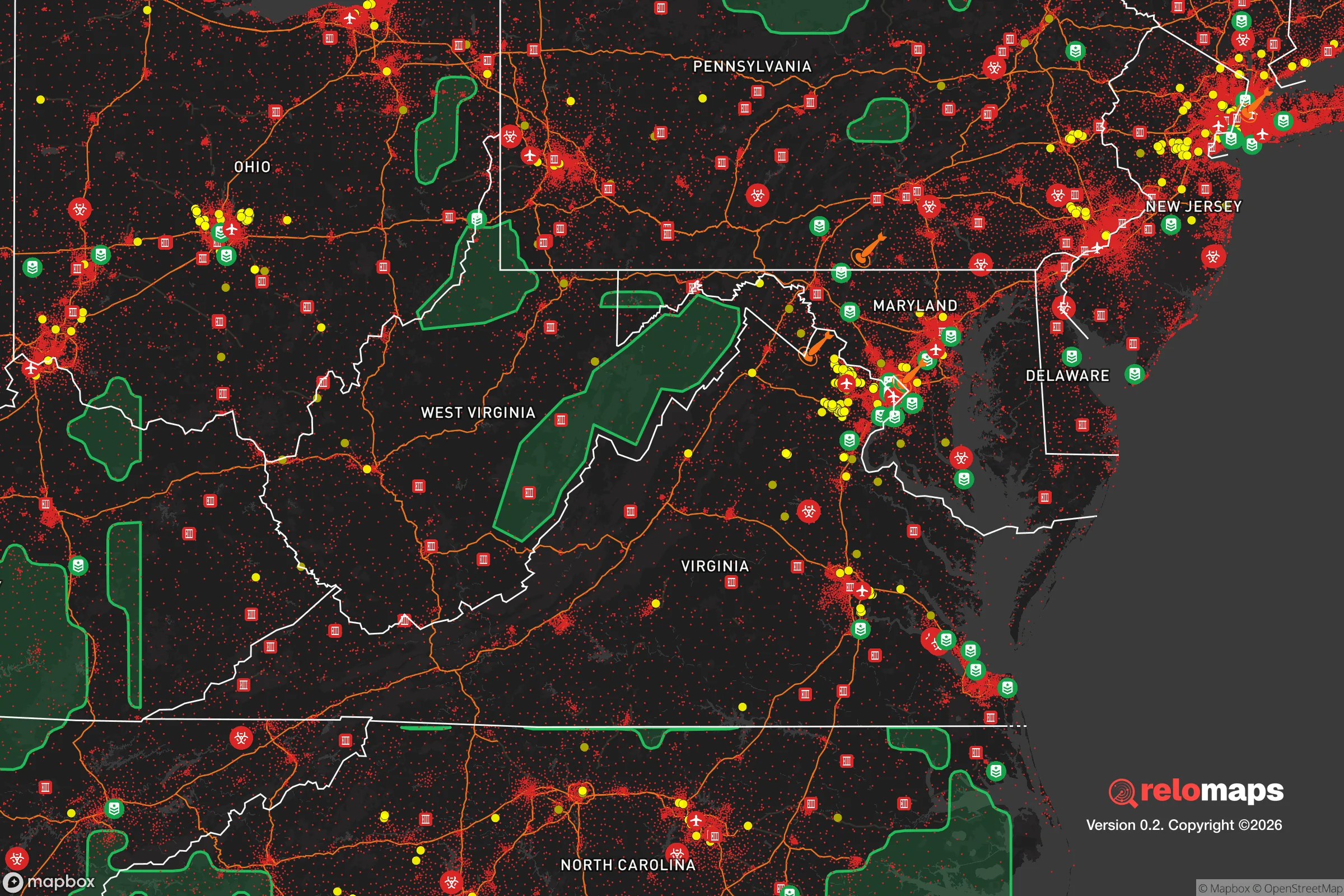


Important Note: For informational purposes only. This does not mean nothing bad ever happens in the green zones. Please use common sense. This is based on public data and modeled with AI. We tried to take a conservative approach but mistakes happen. We update this regularly as new information becomes available.
Solar Generator Recommendations
Backup power matters more here than in safer locations. We've picked three solar generators across budgets and capacity tiers — start with the budget unit if you only need a few essentials, or step up if you want to run a fridge and HVAC for days at a time.

Jackery Portable Power Station Explorer 300
Budget OptionPower on the Go: Weighing only 11 lbs, it's convenient to set up and store with book-sized foldable solar panels

BLUETTI Portable Power Station AC180
Designed for both indoor and outdoor scenarios, AC180 is highly capable as it has a robost capacity and continuous output power.

EF ECOFLOW DELTA Pro Ultra Power Station
Upgraded PickEcoFlow DELTA Pro Ultra is a whole-home energy system designed to grow with your family. Integrated with the Smart Home Panel 2, it scales to meet your evolving energy needs — keeping your home powered, intelligent, and secure through every stage of life.
We earn a commission, at no additional cost to you.
Strategic Assessment Analysis
South Bethany, Delaware, presents a mixed strategic picture for the conservative prepper or survivalist. Its primary resilience advantage is its position as a quiet, low-density beach town in a state with relatively low crime and a strong sense of local community, but its location on a narrow barrier island introduces significant vulnerabilities. The town’s isolation from major urban centers is a double-edged sword: it offers distance from the immediate fallout of a major event in Philadelphia or Washington, D.C., but also limits rapid egress and supply access. For a relocator seeking a retreat that balances coastal living with practical preparedness, South Bethany requires a clear-eyed assessment of its geographic strengths and its exposure to natural and man-made threats.
Geographic position and natural advantages for a retreat
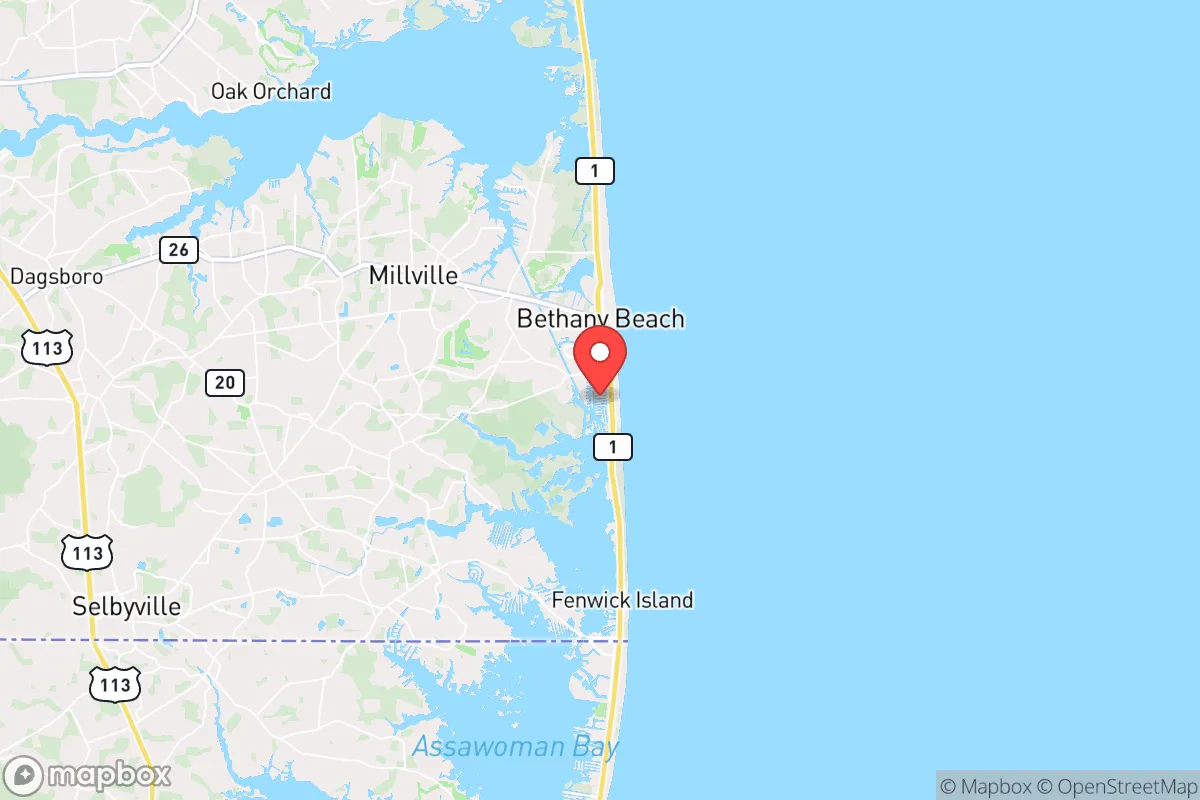
South Bethany sits on a barrier island between the Atlantic Ocean and the Indian River Bay, roughly 30 miles north of Ocean City, Maryland, and 100 miles southeast of Philadelphia. This location provides a natural buffer from the chaos of major metropolitan areas, which is a key consideration for those concerned with civic unrest or mass casualty events. The town’s small population—around 450 year-round residents, swelling to several thousand in summer—means a tight-knit community where neighbors know each other, a factor that can aid mutual aid and security in a crisis. The surrounding environment offers access to both saltwater and freshwater resources: the Atlantic for fishing and the bay for crabbing and clamming, which could supplement food supplies. The flat, sandy terrain is not defensible in a tactical sense, but the limited road access—primarily via Delaware Route 1 and a few local roads—creates natural chokepoints that could be monitored or controlled by a prepared group. The area’s low light pollution and quiet nights also reduce the risk of drawing unwanted attention during a prolonged grid-down scenario.
Risks, exposures, and proximity to fallout-relevant landmarks
The most significant risk for South Bethany is its exposure to natural disasters, particularly hurricanes and nor’easters. The town sits at an average elevation of just 5 feet above sea level, making it highly vulnerable to storm surge and flooding. Hurricane Sandy in 2012 caused widespread damage in the region, and a direct hit from a Category 3 or higher storm could render the island uninhabitable for weeks or months. For the prepper, this means that any retreat here must include a robust evacuation plan and a secondary location inland. Additionally, the town is within 100 miles of the Salem Nuclear Power Plant in New Jersey, a potential fallout source in a major accident or attack. Prevailing winds from the west could carry radioactive material toward the coast, though the distance provides some dilution. Proximity to the Indian River Inlet and the Delaware Bay also means that a maritime incident—such as a ship collision or chemical spill—could disrupt local water sources and marine life. From a man-made threat perspective, the town’s reliance on a single bridge (the Indian River Inlet Bridge) for evacuation is a critical vulnerability; if that bridge is compromised, residents are trapped on the island. The summer tourist influx also creates a temporary population surge that could strain resources and increase the risk of civil unrest if a crisis occurs during peak season.
Practical resilience for a relocator: food, water, energy, and defensibility
For a relocator focused on self-sufficiency, South Bethany offers some opportunities but also significant challenges. Fresh water is the most pressing concern: the town relies on a municipal water system drawing from the Columbia Aquifer, which is vulnerable to saltwater intrusion during storms and to contamination from flooding. A prepper should plan for at least two weeks of stored water per person, plus a high-quality filtration system capable of treating brackish or contaminated water. Rainwater collection is feasible but limited by the small roof footprints of typical beach houses. Food security is moderate: the surrounding waters provide fish, crabs, and clams, but these are seasonal and require knowledge of local tides and regulations. The sandy soil is poor for gardening, though raised beds with imported soil could support some vegetables. Local grocery stores in nearby Bethany Beach and Ocean View are adequate for normal times but would be quickly depleted in a crisis. Energy resilience is a bright spot: many homes in South Bethany already have solar panels due to the sunny coastal climate, and the town’s proximity to the Delaware Electric Cooperative means grid power is generally reliable. A backup generator with propane storage is advisable, as natural gas lines are not universal. Defensibility is low: the open, flat terrain and lack of natural cover make the town hard to secure against a determined threat. However, the small year-round population and limited access points mean that a coordinated neighborhood watch or homeowners’ association could effectively control entry. The town’s police force is small (part-time coverage from the Delaware State Police), so personal security measures—such as reinforced doors, security cameras, and a well-stocked armory—are essential for those serious about preparedness.
Overall, South Bethany is a viable but high-maintenance retreat for the conservative prepper. Its isolation from major urban centers reduces exposure to the immediate fallout of civil unrest or a mass casualty event in cities like Philadelphia or Washington, D.C., but its coastal location introduces natural disaster risks that require constant vigilance. The town’s small community and access to marine resources are genuine assets, but the lack of defensible terrain, reliance on a single bridge, and vulnerability to storm surge mean that it is best suited as a seasonal or secondary retreat rather than a year-round survival stronghold. For a relocator willing to invest in robust water storage, backup power, and a solid evacuation plan, South Bethany offers a quiet, low-profile base with enough natural resources to ride out moderate disruptions. But for those expecting a long-term grid-down scenario or a major societal collapse, the risks likely outweigh the rewards, and a more inland, higher-elevation location in Delaware or Maryland would provide greater strategic depth.

* Values derived from national, state, county, city and local statistics and may differ in a specific area. Last updated: 2026-04-29T23:39:23.000Z
Narrative content on this page is AI-generated and may contain mistakes. Verify any details that matter before acting on them.
ReloMaps may earn a commission from affiliate links at no extra cost to you.

