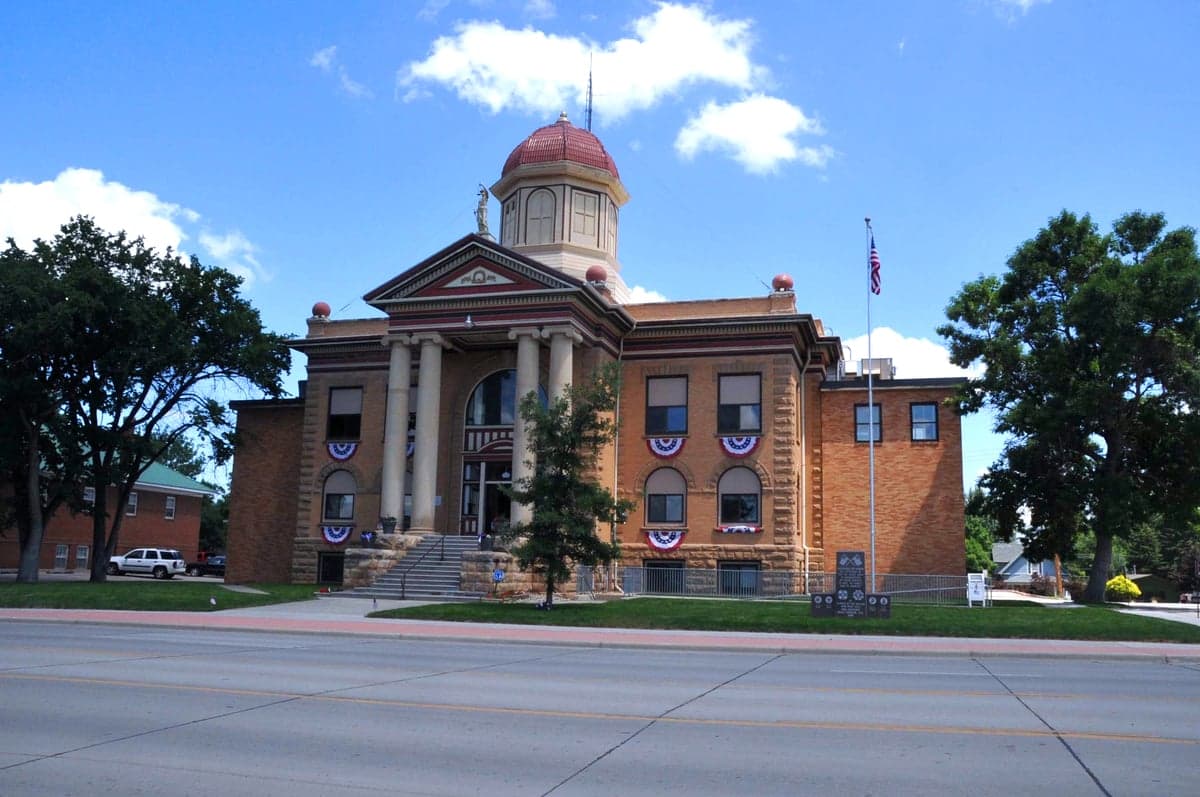
Photo: Wikipedia
Quality of Life in Butte County
A livable area that tracks near national norms for affordability, walkability, and neighborhood health.
What does Quality of Life tell us?
Quality of Life measures an area by evaluating factors like cost of living, nearby amenities, country club access, airport proximity, socioeconomic signals and neighborhood character. For large states, this is a general average — quality of life can vary dramatically between metro areas, suburbs, and rural communities within the same state.
What does this tell us?
Quality of Life measures an area by evaluating factors like cost of living, nearby amenities, country club access, airport proximity, socioeconomic signals and neighborhood character. For large states, this is a general average — quality of life can vary dramatically between metro areas, suburbs, and rural communities within the same state.
Cost of Living
22% below national average
114%
The Real Cost of Living in Butte County for 2026
| Tier | Individual | Family (4) |
|---|---|---|
| Survival | $15k | $28k |
| Comfortable | $40k | $59k |
| Luxury | $116k+ | $180k+ |
| Elite (Top 5%) | $137k+ | $212k+ |
Quality-of-Life Analysis
Butte County, South Dakota, offers a quality-of-life spectrum that spans from the full-service county seat of Belle Fourche to wide-open ranch country and quiet crossroads hamlets. This northwestern corner of the state draws different types of residents: young families and service workers gravitate toward Belle Fourche for schools and jobs, while longtime cattle ranchers, rural landowners, and those seeking solitude fill the smaller communities and unincorporated areas. The county’s overall cost of living index sits at 78 (22 percent below the U.S. average), a fact that underscores the affordability found at every point along this rural-urban continuum.
Largest town(s) & population centers
Belle Fourche (population roughly 5,600) is the county’s only incorporated city and the seat of county government. Daily life here centers on the compact downtown along National Street, where grocery stores, a hospital, the public library, and regional employers such as the Belle Fourche School District and local agribusinesses provide steady employment. The city also serves as a retail and service hub for a multi-county area, offering chain pharmacies, auto repair shops, and a handful of sit-down restaurants. Housing stock ranges from historic single-family homes built in the early 1900s to newer subdivisions on the town’s south side. Commutes are short—the countywide average is about 22 minutes—and most errands can be done without leaving Belle Fourche. The town’s namesake falls and the nearby Orman Dam recreation area give residents quick access to outdoor recreation without sacrificing town amenities.
Smaller towns & rural pockets
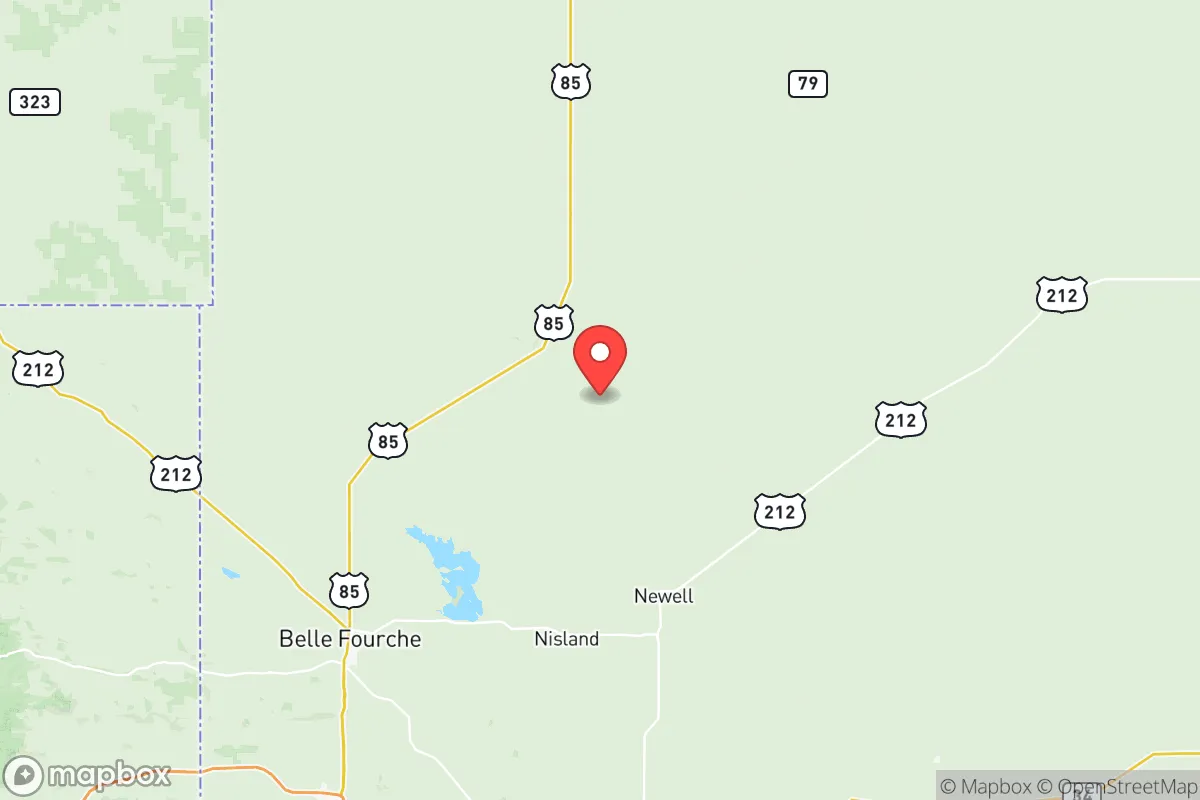
East of Belle Fourche, the unincorporated community of Vale (around 100 residents) provides a quieter alternative with a post office and a grain elevator as its commercial anchors. Newell (population roughly 600) lies to the southwest and offers a K–12 school, a few local businesses, and a volunteer fire department; it functions as a bedroom community for people who work in Sturgis or Belle Fourche. Fruitdale and Nisland are even smaller—both are essentially clusters of homes and ag-related businesses, with no downtown retail. The vast rural areas between these settlements are given over to cattle ranches and hay fields, where homes sit on acreages and the nearest neighbor may be a mile away. These unincorporated zones lack public water and sewer in many cases, but residents value the privacy and the lack of zoning restrictions that allow for workshops, livestock, and alternative housing such as manufactured homes.
Cost & lifestyle range
The countywide cost of living index of 78 masks some internal variation. In Belle Fourche, median rent is $940 and the median home value is $207,700, figures that are dramatically lower than the national benchmark yet higher than in the county’s hinterlands. Rural acreages with older mobile homes or modest ranch houses can sell for well under $150,000, but buyers must budget for well maintenance, septic systems, and propane heating. Newell and Vale offer home prices often 10–15 percent below Belle Fourche’s median, partly because of older housing stock and fewer services. At the high end of the spectrum, newer or custom-built homes on the outskirts of Belle Fourche—especially those with views of the Black Hills foothills—can approach $350,000. Utility costs tend to be higher in rural areas due to reliance on individual wells and electricity, while Belle Fourche residents benefit from municipal water and lower-average heating bills through the city’s natural gas utility.
Who thrives in Butte County? The answer depends on lifestyle preference. Belle Fourche suits people who want small-town infrastructure—schools, health care, shopping—without the chaos of a metro area. The smaller towns and rural pockets appeal to individuals and families who prioritize land ownership, privacy, or a lower housing payment and are comfortable driving 15–20 minutes for groceries or a doctor’s appointment. For ranchers, retired farmers, and remote workers looking for a low-cost base of operations with decent internet access (fiber is available in Belle Fourche and parts of Newell), Butte County delivers a pragmatic, no-frills quality of life that few other parts of the country can match at this price point.

Crime in Butte County
Generally safer than 61% of comparable U.S. locations.
Violent CrimeViolent Crime Analysis
Property CrimeProperty Crime Analysis
Crime Analysis
Butte County, South Dakota, presents a mixed safety profile that combines a violent crime rate below the national average with a property crime rate that significantly exceeds both state and national benchmarks. Located in the far western part of the state, the county's overall violent crime rate of 293.6 incidents per 100,000 residents is notably lower than the U.S. average of roughly 380 per 100,000, but its property crime rate of 1,281 per 100,000 is substantially higher than the national figure of approximately 1,954 per 100,000. This disparity means that while residents face a lower risk of violent victimization compared to many parts of the country, property crimes such as theft, burglary, and motor vehicle theft are a more pressing concern.
Crime in context
When placed against South Dakota's statewide averages, Butte County's violent crime rate is slightly elevated. The state's violent crime rate hovers around 280 per 100,000, meaning Butte County is about 5% higher. However, the county's property crime rate is dramatically higher than the state average of roughly 1,100 per 100,000, representing a 16% increase. This pattern is not uniform across the county. The largest population center, Belle Fourche, accounts for a disproportionate share of reported property crimes, particularly thefts from vehicles and storage sheds. In contrast, smaller communities like Newell and Nisland report far fewer incidents, though their small populations make per-capita rates volatile. The county's proximity to the Sturgis area, which draws hundreds of thousands of visitors annually for the motorcycle rally, creates seasonal spikes in both property crime and alcohol-related offenses, particularly along the I-90 corridor near the Vale exit.
What residents experience
Daily life in Butte County is shaped by a rural, low-density environment where most residents know their neighbors, but property crime remains a persistent nuisance. The Butte County Sheriff's Office and the Belle Fourche Police Department are the primary law enforcement agencies, and response times in outlying areas can exceed 30 minutes. Property crimes often target unsecured items: ATVs, trailers, and farm equipment left in fields or open garages are common targets. The county's judicial system, overseen by the Fourth Judicial Circuit Court based in Deadwood, has a reputation for conservative sentencing, which aligns with the region's political leanings. Unlike more urbanized, progressive jurisdictions that may emphasize diversion programs over incarceration, Butte County's courts tend to prioritize accountability and victim restitution. This approach likely contributes to the relatively low violent crime rate, as repeat offenders face stricter consequences. However, the high property crime rate suggests that theft-related offenses are often treated as misdemeanors, leading to a revolving door for petty criminals.
Neighborhood-level variation
Safety varies noticeably between Butte County's communities. Belle Fourche, the county seat and largest town, experiences the highest concentration of both violent and property crimes, particularly in areas near the downtown commercial district and along Highway 85. The Orman Dam area and newer subdivisions on the town's west side are generally considered safer, with lower reported incidents. Newell, a small agricultural community about 15 miles north, has a much lower crime rate, largely due to its tight-knit population and limited commercial activity. Nisland and Vale, both unincorporated hamlets, report negligible violent crime but occasional thefts from farms. For those considering relocation, the safest choice is typically a home in the rural outskirts of Belle Fourche or in Newell, where property crime is less frequent and community watch programs are active. The county's overall safety picture is one of manageable risk for violent crime but requires vigilance against property theft, especially in more populated areas.
* Values derived from national, state, county, city and local statistics and may differ in a specific area. Last updated: 2026-06-03T06:25:01.000Z
Narrative content on this page is AI-generated and may contain mistakes. Verify any details that matter before acting on them.
ReloMaps may earn a commission from affiliate links at no extra cost to you.

