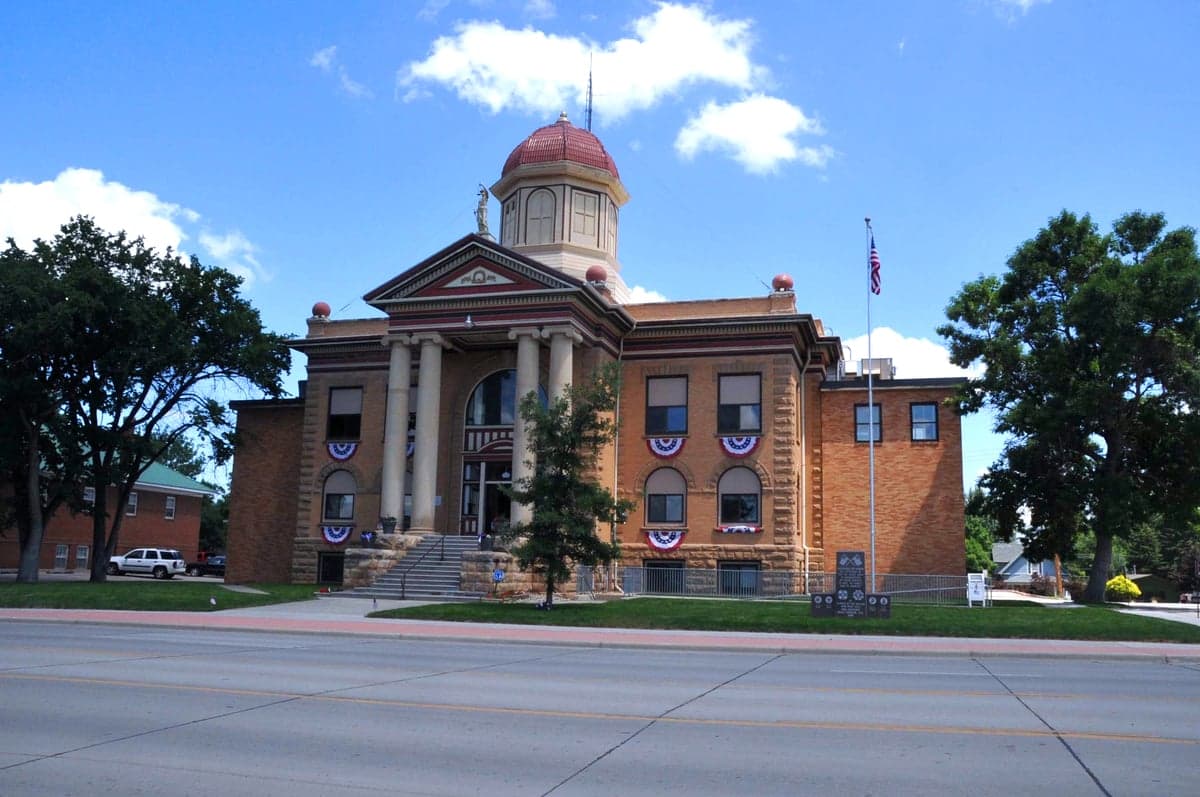
Photo: Wikipedia
Political ClimatePolitical Climate in Butte County
Showing state-level results — no local-only data available.
Local Political AnalysisPolitical Analysis of Butte County
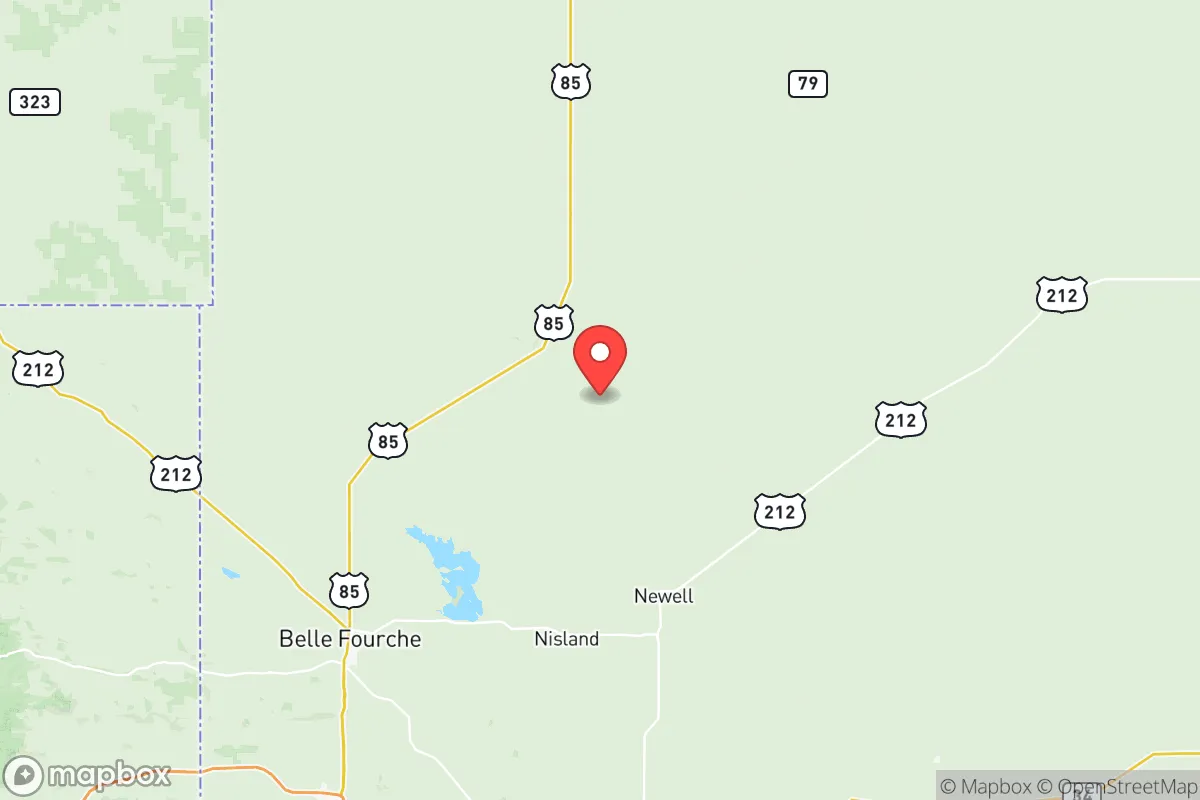
Butte County has been reliably red for as long as anyone around here can remember, and that hasn't changed. The Cook Partisan Voting Index gives it a solid R+15 rating, which means it’s about 15 points more Republican than the national average. You see that in local elections – Belle Fourche, Newell, even little Nisland – all vote consistently conservative. Over the years, the county has drifted even further right, especially after the pandemic when people started paying closer attention to state and federal overreach. The real concern now isn't losing the county to Democrats; it's whether progressive ideas from the coasts – or from Pierre – start creeping into local policy.
How it compares
Statewide South Dakota also leans heavily Republican, but you can feel the difference when you drive from Sioux Falls or Rapid City into Butte County. Those bigger cities have swung a bit more centrist in recent cycles, especially in local races. Butte County doesn't have that urban drift. Belle Fourche is the biggest town – about 5,500 people – and it votes straight-ticket Republican most years. Newell is even more conservative, with a strong ranching and farming base. Nisland and Vale are tiny communities where people know their neighbors and don't take kindly to outsiders telling them how to live. The contrast with the rest of South Dakota is subtle but real: Butte County is one of the few places where you can reliably count on a county commission that won't entertain mask mandates or land-use restrictions that infringe on property rights. Meanwhile, you hear about some counties to the east starting to talk about "diversity initiatives" in schools – that sort of stuff hasn't caught on here, and I hope it never does.
What this means for residents
For folks living here, the political climate shapes daily life in a good way. You don't get constant regulations from the county level – just basic services, road maintenance, and a light touch. Law enforcement is focused on real crime, not enforcing COVID rules or noise complaints against farmers. Property taxes stay low because the county board keeps spending in check. The biggest worry is that the state legislature might bend to pressure from outside groups and pass preemptive laws that override local control. That already happened with some land-use bills a few years back. People here value the freedom to handle things themselves, and any push toward bigger government – even from conservatives in Pierre – gets side-eyed. If that trend continues, I could see more folks feeling like they have to fight to keep the county the way it is.
One thing that stands out culturally is the strong libertarian streak you don't find even in neighboring counties. Belle Fourche hosts the "Keyhole State" monument and celebrates its cowboy heritage, but it's also a place where you can buy a firearm at a garage sale without paperwork – legally, as long as it's a private sale. That North Dakota freedom is still here, but it's under pressure. The influx of people from California and Colorado over the past decade has started to shift some precincts near the Interstate – a few more split-ticket votes in Fruitdale and areas around the new subdivisions. It's not enough to flip anything yet, but it's something to watch. If those newcomers bring their big-government habits, Butte County might lose the character that made it a refuge from nonsense. For now, though, you can still have a conversation with your county commissioner at the coffee shop and know he'll side with the Second Amendment and against property tax hikes. That's worth protecting.

State Political ClimatePolitical Climate in South Dakota
State Political AnalysisPolitical Environment in the State
South Dakota is a deeply conservative state, with a Republican trifecta controlling the governorship and both legislative chambers by wide margins. The state has voted for the Republican presidential candidate by double digits in every election since 2008, with Donald Trump winning by over 30 points in 2024. Over the last 10-20 years, the state has shifted even further right, driven by rural cultural conservatism and a growing distrust of federal overreach, though a small but vocal progressive presence in the eastern cities like Sioux Falls and Brookings provides a counterweight.
Urban vs. rural divide
The political map is starkly divided between the rural, agricultural west and the more urbanized east. The western half of the state, including the Black Hills region and cities like Rapid City and Spearfish, is solidly Republican, with many counties voting 80% or more for Trump. The eastern corridor, anchored by Sioux Falls (Minnehaha County) and Brookings (home to South Dakota State University), is more competitive. Minnehaha County has trended slightly toward Democrats in recent cycles, but still leans Republican overall. The state’s most liberal pocket is Vermillion, home to the University of South Dakota, where Clay County has voted Democratic in recent presidential elections. Meanwhile, rural counties like Harding and Jones are among the most conservative in the nation, with Republican margins exceeding 90%. This urban-rural split mirrors national trends, but the sheer size of the rural vote keeps the state deeply red.
Policy environment
South Dakota’s policy environment is a model of limited government. There is no state income tax, and the state sales tax is 4.5%, with no local sales taxes allowed. Property taxes are moderate, and the state has a right-to-work law, making it a haven for businesses and individuals seeking to keep more of what they earn. Education policy is largely local, with school choice limited but charter schools allowed. The state has a strong parental rights law (HB 1056, passed in 2022) requiring schools to notify parents of any changes in a student’s health or well-being. Healthcare is dominated by Sanford Health and Avera Health, and the state has not expanded Medicaid under the Affordable Care Act, though voters approved a ballot measure in 2022 to do so, which the legislature has partially implemented. Election laws are among the most secure in the nation: voter ID is required, same-day registration is not allowed, and the state has a clean voter roll system. There is no no-excuse absentee voting, and mail-in ballots are limited to those with a valid excuse.
Trajectory & freedom
South Dakota is becoming more free in many respects, particularly on gun rights and parental autonomy. In 2023, Governor Kristi Noem signed a permitless carry law (SB 53), allowing any law-abiding adult to carry a concealed firearm without a permit. The state also passed a “trigger law” that would ban nearly all abortions if Roe v. Wade were overturned, which took effect in 2022. On medical freedom, the legislature passed a law (SB 46) in 2023 prohibiting vaccine mandates by private employers and government entities. Property rights are strong, with no state-level zoning mandates and a robust “right to farm” law protecting agricultural operations from nuisance lawsuits. However, there are concerning trends: the state has seen a rise in property taxes due to rapid valuation increases, and some residents worry about the influence of out-of-state money in local elections. The state also has a sales tax on groceries, which is regressive, though a 2023 bill to reduce it failed.
Civil unrest & political movements
South Dakota has seen relatively little civil unrest compared to other states. The most visible flashpoint was the 2020-2021 protests at Mount Rushmore, where Native American activists and left-wing groups clashed with law enforcement over the monument’s history and the state’s refusal to remove it. The state has a strong Second Amendment movement, with groups like the South Dakota Gun Owners actively lobbying against any restrictions. Immigration politics are muted, as the state has a very small foreign-born population (about 4%), but there have been local debates over refugee resettlement in Sioux Falls, where the city has accepted refugees from Sudan and Somalia. There is no sanctuary city policy anywhere in the state. Election integrity is a major concern for conservatives, and the state has been praised for its clean elections, though some activists push for hand-counting of ballots. The Wounded Knee incident in 1973 remains a historical touchstone for Native American activism, but modern protests are rare and small.
Projection
Over the next 5-10 years, South Dakota is likely to remain deeply conservative, but demographic shifts could introduce more political diversity. The state is experiencing significant in-migration from California, Colorado, and other high-tax states, particularly to the Black Hills region and the Sioux Falls metro. These newcomers tend to be more libertarian than traditional conservatives, favoring low taxes and gun rights but sometimes holding more moderate views on social issues like marijuana legalization (which was rejected by voters in 2022) and abortion. The state’s population is aging, and younger residents are moving to Sioux Falls for jobs, which could slowly shift the eastern corridor toward purple status. However, the rural vote will remain dominant for the foreseeable future. A new resident moving in now should expect a state that is stable, safe, and free, but with growing pains from rapid growth, including housing shortages and infrastructure strain in the most popular areas.
For a conservative individual or family, South Dakota offers a rare combination of low taxes, strong gun rights, parental control in education, and a culture that values self-reliance. The political climate is overwhelmingly friendly to traditional values, but the influx of new residents from blue states means you’ll encounter more diverse opinions in the cities. If you’re looking for a place where government stays out of your life and your kids can grow up in a community that shares your values, South Dakota is one of the best bets in the country. Just be prepared for cold winters and a housing market that’s heating up fast.
* Values derived from national, state, county, city and local statistics and may differ in a specific area. Last updated: 2026-06-03T06:25:01.000Z
Narrative content on this page is AI-generated and may contain mistakes. Verify any details that matter before acting on them.
ReloMaps may earn a commission from affiliate links at no extra cost to you.

