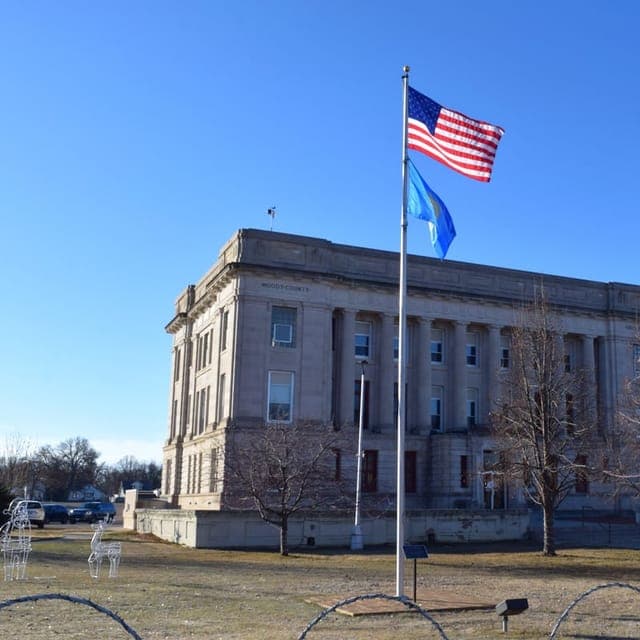
Photo: Wikipedia
Political ClimatePolitical Climate in South Dakota
Political Environment in the State
South Dakota has long been one of the most reliably conservative states in the Union, and that reputation holds strong today. The state tilts deeply red — Donald Trump won it by 26 points in 2020 and by a similar margin in 2024 — with Republicans holding every statewide office and supermajorities in both legislative chambers. But the picture is more nuanced than a simple partisan label. Over the past two decades, rapid growth in Sioux Falls and the Black Hills corridor has injected a suburban-conservative energy that’s replacing the old rural Dixiecrat remnants, while the eastern university towns of Brookings and Vermillion hold small blue pockets. The overall trajectory has been steadily rightward on cultural issues, though fiscal policy has remained consistently pro-freedom.
Urban vs. rural divide
The political map of South Dakota breaks into three distinct zones. The eastern corridor from Sioux Falls up to Watertown holds the population center — Minnehaha County (Sioux Falls) is the economic engine and votes about 55-60% Republican, with the city itself slightly less red due to a growing service-sector workforce. Head west into Rapid City and Pennington County, and you find an even deeper conservative lean, thanks in part to the military presence at Ellsworth Air Force Base and a strong ranching culture in the surrounding hills. Brookings and Vermillion, home to South Dakota State University and the University of South Dakota respectively, reliably deliver the only blue legislative districts in the state — but those are isolated islands in a sea of red. The vast rural stretches, from the Missouri River breaks down through Mitchell and Yankton, vote 70-80% Republican and drive the state’s overall partisan tilt. The one quirky outlier is Spearfish, which has been trending slightly more moderate as new retirees and remote workers from Colorado and California move in, but it’s still solidly red by national standards.
Policy environment
South Dakota’s policy environment is a free-market conservative’s dream, with a few recent cautionary notes. The state has no personal or corporate income tax — that’s baked into the constitution — and property taxes are moderate. Sales tax is 4.2% at the state level, but local add-ons can push it to 6.5% in towns like Deadwood and Spearfish. The regulatory climate is light; you can start a business in days, and occupational licensing is minimal. Education policy has been a hot button: the state passed a universal school voucher-style program in 2023 through the “Education Freedom Account” plan, allowing parents to use state funds for private or homeschool expenses. On healthcare, South Dakota expanded Medicaid under Trump’s waivers but hasn’t gone further — no state-run insurance exchange, and certificate-of-need laws were repealed in 2022. Election integrity is strong: voter ID is required, same-day registration isn’t available, and the state was one of the first to pass a ban on ballot harvesting. The legislature also passed a law in 2024 requiring hand-count audits in all counties, which stirred some controversy but was upheld. Overall, the policy environment leans heavily toward individual liberty with limited government intervention — something new residents will appreciate immediately.
Trajectory & freedom
If anything, South Dakota has been expanding personal freedom over the last five years, not contracting. The state became a constitutional carry state in 2019 — no permit needed to carry a concealed firearm. In 2023, the legislature passed the “Parents’ Bill of Rights” (SB 173), which requires schools to get parental consent before administering surveys or instruction on sexual orientation or gender identity, and mandates that school materials be posted online for review. Also in 2023, Governor Kristi Noem signed a law banning transgender athletes from female sports in K-12 and college — a measure that held up in court. Medical freedom saw a win with the passage of a law preventing employers from mandating COVID-19 vaccines as a condition of employment. However, there was a notable setback: in 2022, voters rejected a ballot measure to legalize recreational marijuana 2-1, so that remains illegal. Tax freedom is strong, but property taxes are creeping up as home values double in places like Rapid City and Sioux Falls. The trajectory is clearly pro-freedom on guns, family rights, and speech, but the state has been slower on economic deregulation for cannabis. A new resident moving here now will find a government that trusts you more than most.
Civil unrest & political movements
South Dakota is not a state known for street protests or riots. The most visible political movement in recent years has been the “Noem resistance” — a small but vocal coalition of progressive activists in Sioux Falls and Brookings that organizes against the governor’s policies, but they rarely draw more than a few hundred people. More notable is the rise of the Second Amendment preservation movement — in 2021, several counties, including Pennington and Lawrence, declared themselves “Second Amendment sanctuaries.” Immigration politics are mostly quiet, though in 2023 the legislature considered a bill (which failed) to allow local law enforcement to enforce federal immigration law. The biggest flashpoint has been over Native American sovereignty and land rights — the Pine Ridge Reservation and the Great Sioux Nation have been active in protesting the Keystone XL pipeline (now cancelled) and opposing the expansion of the carbon pipeline project in eastern South Dakota. In 2022, a proposed carbon pipeline from Navigator CO2 Ventures sparked months of protests from landowners and conservative activists worried about eminent domain abuse — that issue united ranchers and environmentalists in a rare coalition, and the company eventually pulled its permit application. What you won’t see is any meaningful left-wing movement gaining traction outside of college towns. New residents should expect a stable, low-conflict environment, with the occasional flare-up over land rights or federal overreach.
Projection
Looking ahead 5-10 years, South Dakota’s political landscape will shift subtly but remain deeply conservative. The biggest factor is in-migration: Sioux Falls is growing at about 2% per year, and many new arrivals come from blue states like California, Illinois, and Minnesota. Early data suggests these migrants lean right on fiscal issues and left on cultural issues, but they are absorbing the local culture rather than changing it. The Black Hills region — Rapid City, Spearfish, Deadwood — is also seeing a wave of remote workers and retirees drawn by low taxes and outdoor lifestyle, and they tend to be even more conservative and privacy-focused. The only real risk to freedom is potential federal overreach on land use or energy policy; South Dakota’s state government is likely to remain a fierce defender of state sovereignty. Expect continued expansion of school choice, further gun rights protections (maybe permitless carry for out-of-state visitors), and a hardening of the state’s anti-abortion stance — the trigger law after Dobbs bans abortion with few exceptions. If the carbon pipeline issue resurfaces, it could galvanize a property-rights movement that challenges corporate influence in the legislature. For someone moving in now, expect to find a state that values your freedom more than most, but also one where the political conversation stays grounded in practical concerns rather than ideological battles.
Bottom line: If you’re a conservative-leaning individual or parent looking for a state where your values are protected and your wallet isn’t taxed into submission, South Dakota delivers. The urban vs. rural divide is manageable — you can live in Sioux Falls and still feel the red majority, or pick a small town like Sturgis or Madison and have neighbors who share your worldview. Just be prepared for cold winters and a growing population that’s slowly diversifying the political landscape — but for now, the state remains a fortress of personal liberty and limited government.

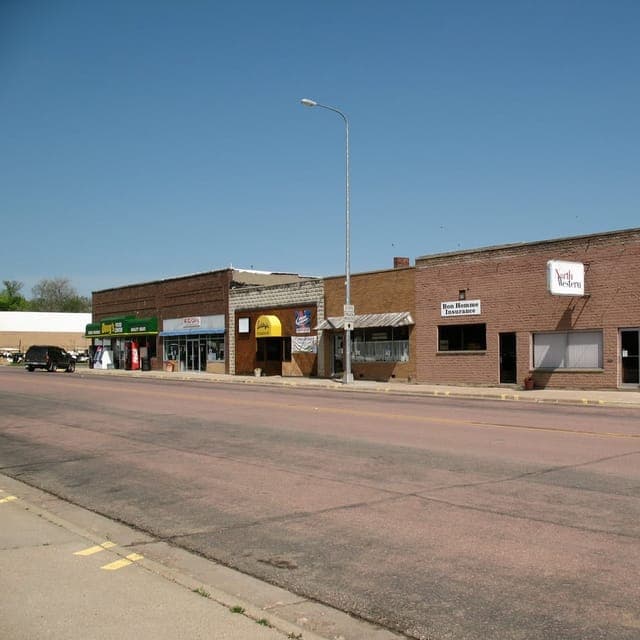
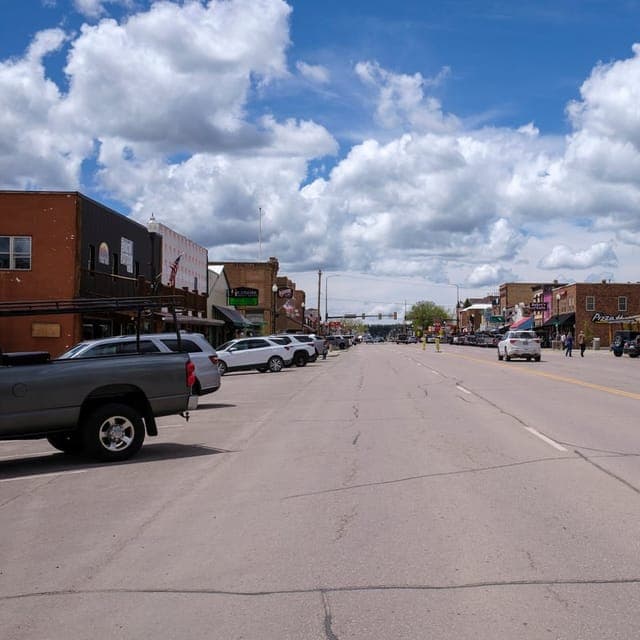
Most Conservative Cities in South Dakota
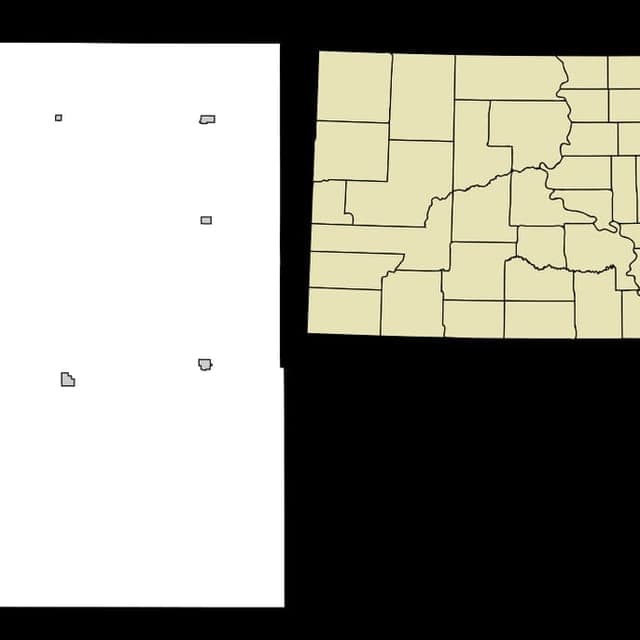
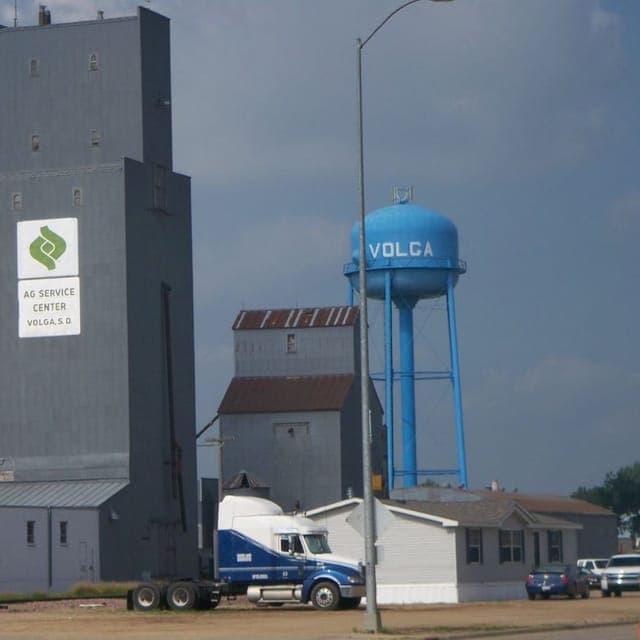
Most Liberal Cities in South Dakota
* Values derived from national, state, county, city and local statistics and may differ in a specific area. Last updated: 2026-06-03T06:25:02.000Z
Narrative content on this page is AI-generated and may contain mistakes. Verify any details that matter before acting on them.
ReloMaps may earn a commission from affiliate links at no extra cost to you.

