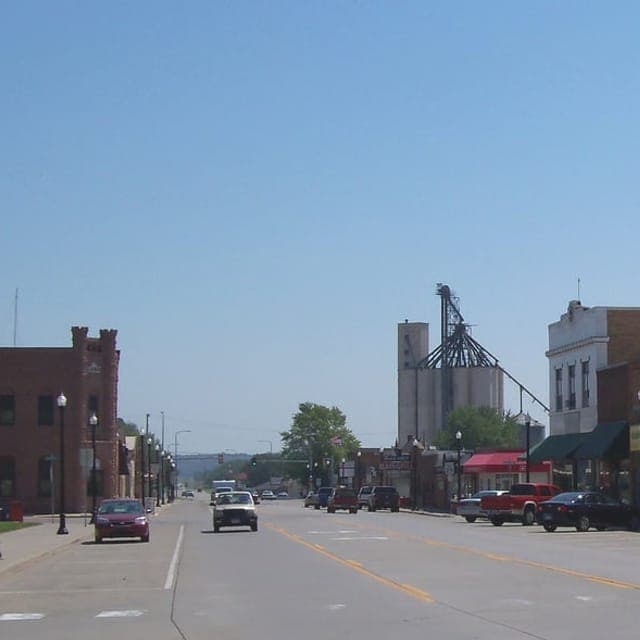
Photo: Wikipedia
Find The Best Places To Live
in Springfield
PRO TIP! You can paste a Zillow or Redfin link to get info on that property.
What It's Like Living in Springfield, SD
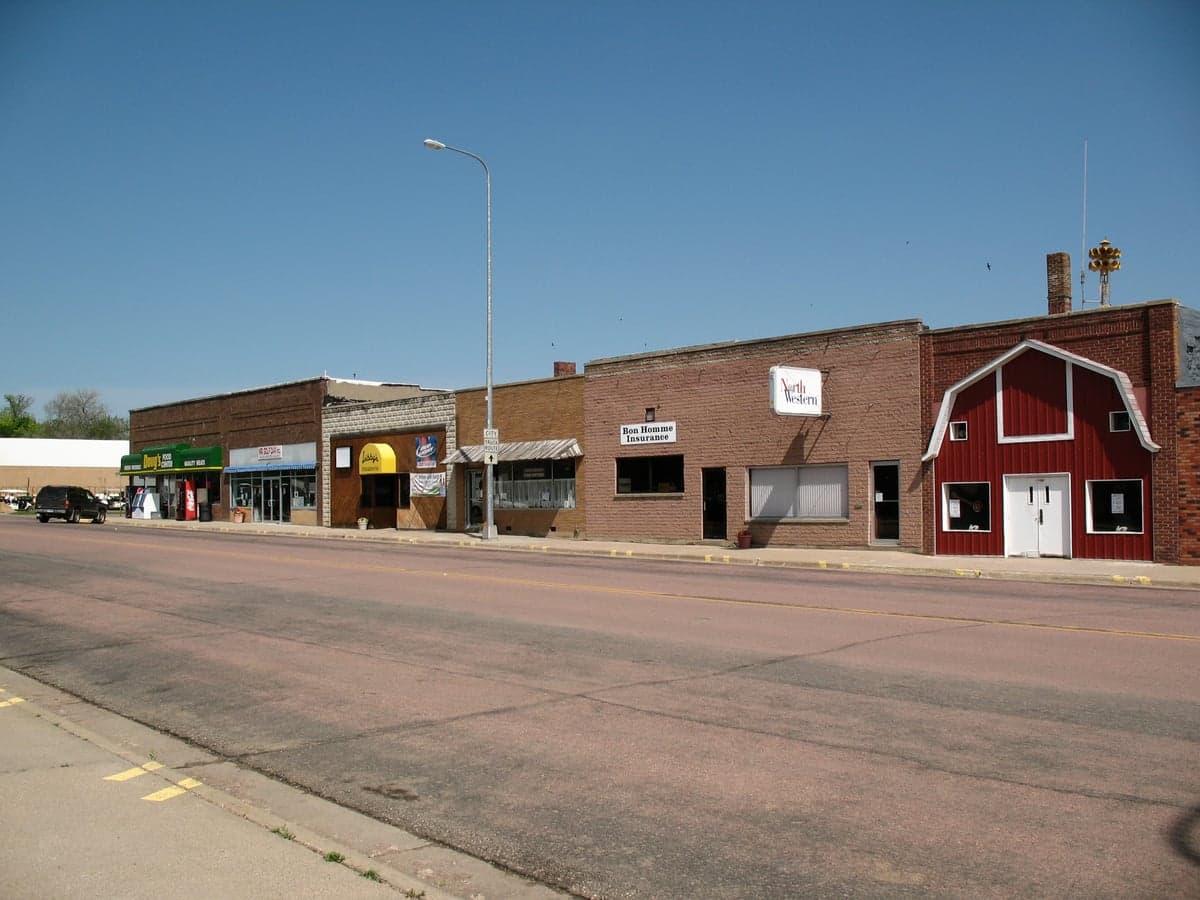
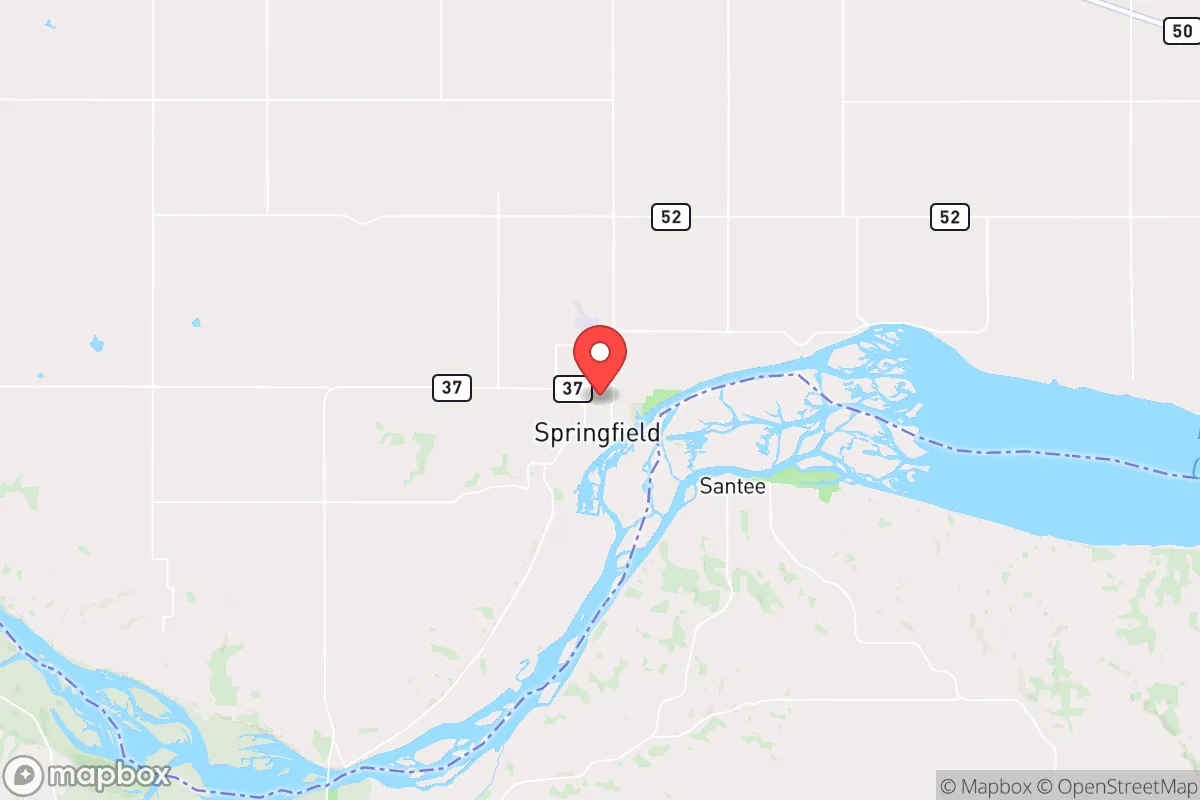
Springfield, South Dakota, is the kind of place where you know your neighbors by name and the biggest decision of the week might be whether to fish the Missouri River or catch the high school football game. With just over 2,000 residents, this small river town has a quiet, self-contained rhythm that appeals to people who value space, affordability, and a slower pace. It’s not for everyone, but for the right person—especially someone looking to stretch a dollar and escape the noise of city life—Springfield feels like a genuine find.
Daily Rhythm and Who Fits In
Life here moves on a predictable, comfortable loop. Most people work locally at places like the South Dakota Department of Corrections (the Springfield prison is a major employer), the school system, or in agriculture and small trades. The median household income sits around $59,063, which goes a long way here because the cost of living index is just 59—far below the national average of 100. That means a modest salary buys a solid home (median value $126,800) and leaves room for a boat payment or a weekend trip to Yankton. The average commute is a breezy 17.6 minutes, so you’re not burning gas or time just getting to work.
The kind of person who thrives here is someone who doesn’t need constant stimulation. Families with young kids appreciate the safety and the fact that everyone watches out for each other. Retirees and remote workers who want cheap land and quiet also trickle in. Single people might find the social scene limited unless they’re into hunting, fishing, or church groups. The median age is 38.9, which leans a bit older than a college town, but there’s a steady mix of young families and empty-nesters.
Sports, Community, and What People Actually Do
High school sports are the main event. Springfield High School football and basketball games draw a big chunk of the town on Friday nights. There’s no college or pro team nearby, so the local team is the source of pride and conversation. The community rallying around the “Springfield Tigers” is a genuine bonding experience—you’ll see grandparents, local business owners, and kids all in the stands. Beyond that, the Missouri River is the real backyard. Fishing for walleye and catfish, boating, and floating are how many people spend summer weekends. The nearby Lewis and Clark Recreation Area offers camping and hiking trails that see steady use, especially during the warmer months.
For entertainment, there’s not a ton of commercial nightlife. A couple of local bars like The Office Bar & Grill serve as informal town squares where people grab a beer and catch up. The Springfield Days festival in the summer is the big annual event—think a parade, carnival rides, and a community picnic that feels like a family reunion. If you want a concert or a movie theater, you’re driving 30 minutes to Yankton or an hour to Sioux City. That’s a trade-off residents accept for the peace and quiet.
Pros and Cons of Living Here
The upsides are real and concrete. Affordability is the headline: a home under $130,000 is normal, and your dollar buys more than almost anywhere else in the country. Safety is generally good, though the violent crime rate of 293.3 per 100,000 is slightly above the national average—most of that is tied to the prison’s presence, not random street crime. Locals will tell you they feel safe walking at night. Community connection is another big plus; people help each other, and it’s easy to get involved in church, school events, or the volunteer fire department.
The downsides are equally honest. Job diversity is thin—if you’re not in corrections, education, or a trade, you’ll likely commute or work remotely. Entertainment options are sparse, especially for young singles or anyone who wants a vibrant nightlife. The winters are harsh; South Dakota cold is real, with snow and wind that can keep you indoors for days at a time. And only 8.5% of adults have a college degree, which reflects the local economy’s focus on blue-collar work—something to consider if you’re looking for a highly educated peer group.
Practical Realities and Local Quirks
Traffic is a non-issue. You might wait behind a tractor on a two-lane road, but there are no traffic jams. The weather dictates the rhythm: summers are hot and humid along the river, winters are long and cold, and spring and fall are brief but beautiful. The school system is a community anchor—parents are heavily involved, and the small class sizes mean teachers know every kid by name. There’s a distinct local identity rooted in self-reliance and neighborliness. People wave on the street, and it’s considered rude not to. The prison’s presence is a fact of life, not something people dwell on. One quirk: the town has a strong sense of its own history, with old buildings and a quiet pride in being a place that’s held steady while other small towns faded. If you’re looking for a low-cost, low-hassle life where community still means something, Springfield is worth a serious look.

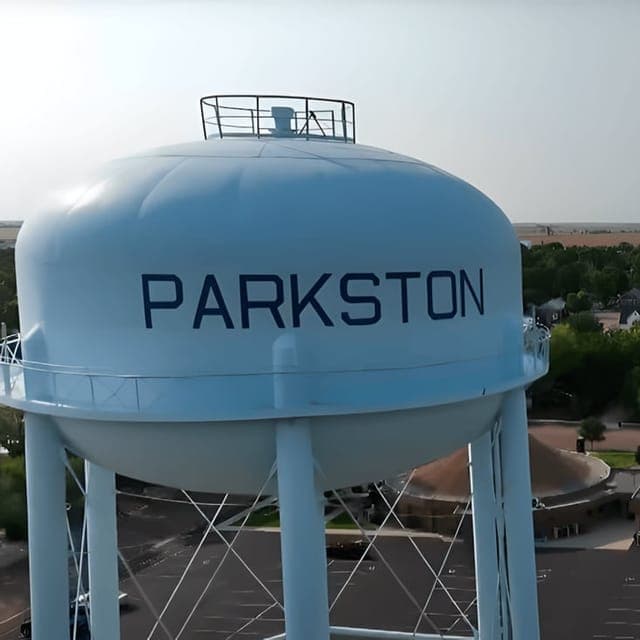
Similar small towns to Springfield
* Values derived from national, state, county, city and local statistics and may differ in a specific area. Last updated: 2026-05-01T05:54:21.000Z
Narrative content on this page is AI-generated and may contain mistakes. Verify any details that matter before acting on them.
ReloMaps may earn a commission from affiliate links at no extra cost to you.

