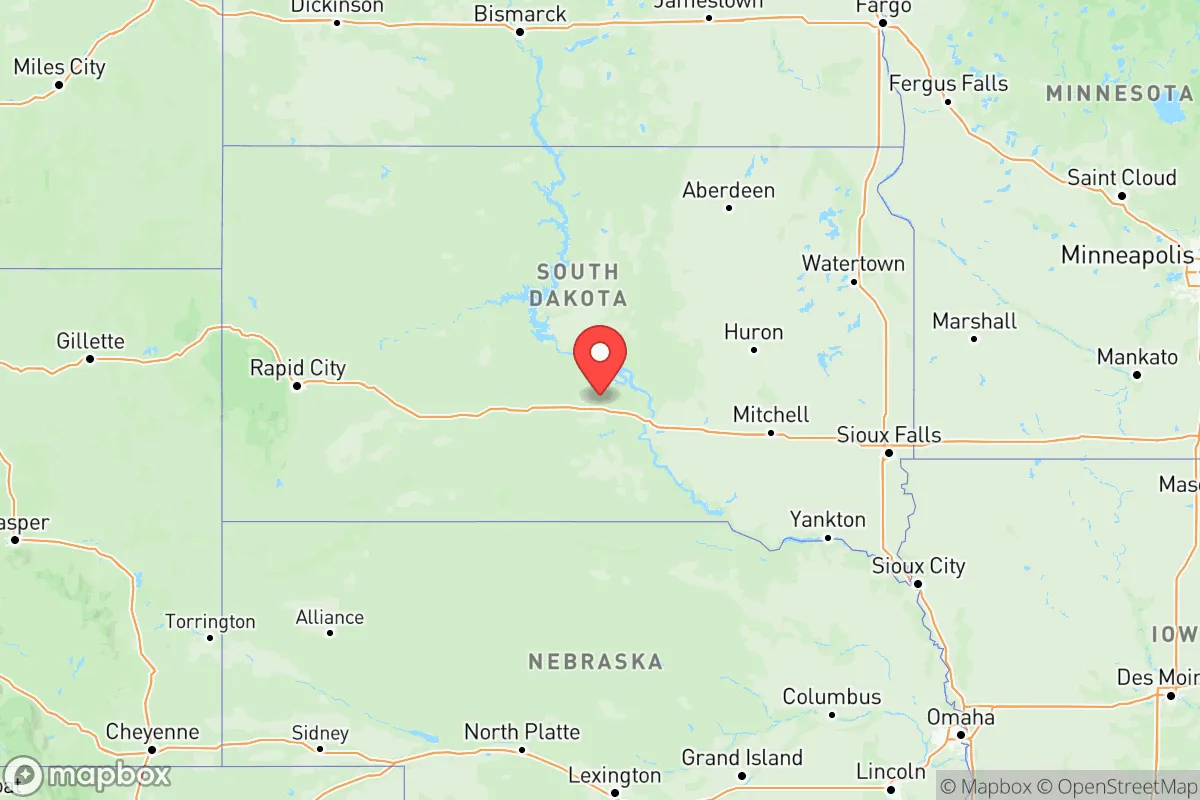
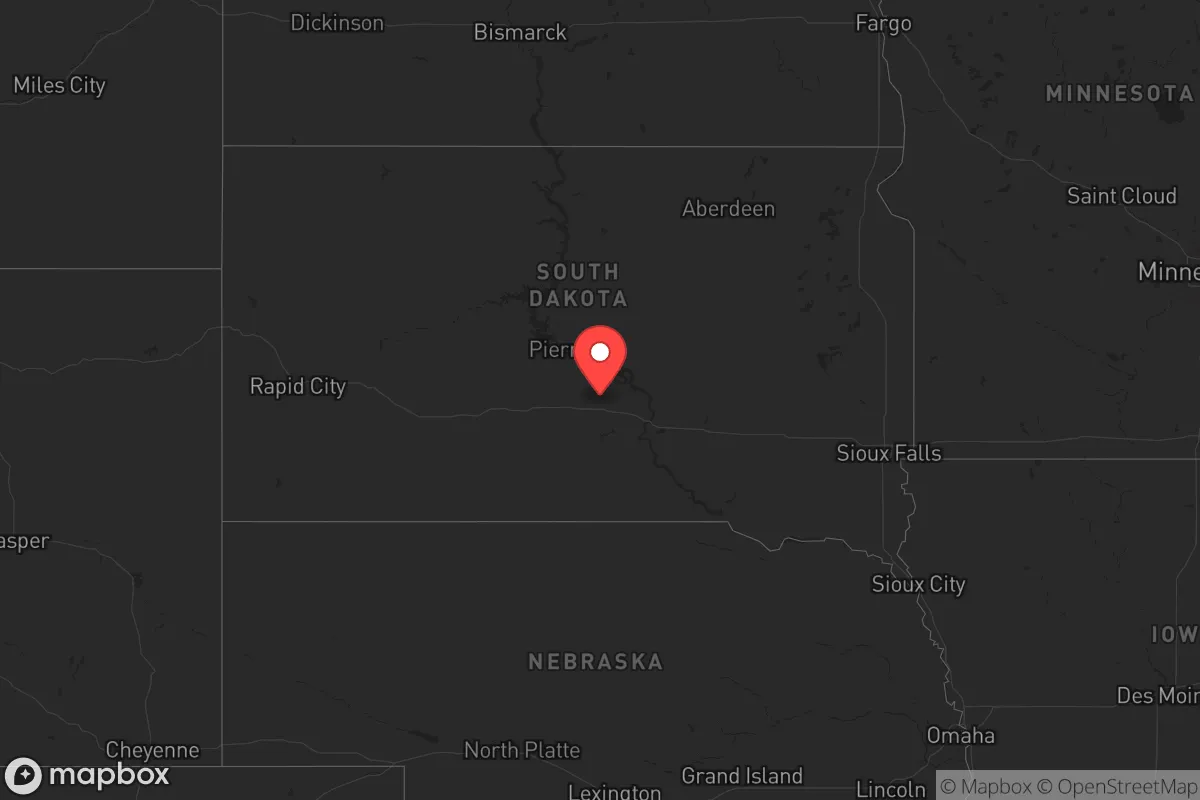
Photo: Wikipedia
Strategic Assessment of South Dakota
Deep buffer from population centers and strategic targets. Low natural disaster risk and minimal exposure to border or coastal threats.
What does the Strategic Assessment tell us?
Our Strategic Assessment grades tactical survivability of an area. Major population centers, military targets, fallout zones, natural disasters, and border exposure all drive risk — lower exposure means a more defensible position in a crisis.
This is heavily inspired by Joel Skousen's Strategic Relocation book. Highly recommended you checkout the book ($)What does this tell us?
Our Strategic Assessment grades tactical survivability of an area. Major population centers, military targets, fallout zones, natural disasters, and border exposure all drive risk — lower exposure means a more defensible position in a crisis.
This is heavily inspired by Joel Skousen's Strategic Relocation book. Highly recommended you checkout the book ($)Regional Safe Places
Below is our recommended "safe zones" in South Dakota and the surrounding area based on our strategic heuristics. For most people, it's unrealistic to live in a “safe zone” full-time due to work, family or other personal reasons. They tend to be more rural. However, many of these areas are perfect for second homes and retreat properties that double as a vacation home or even a short-term rental.
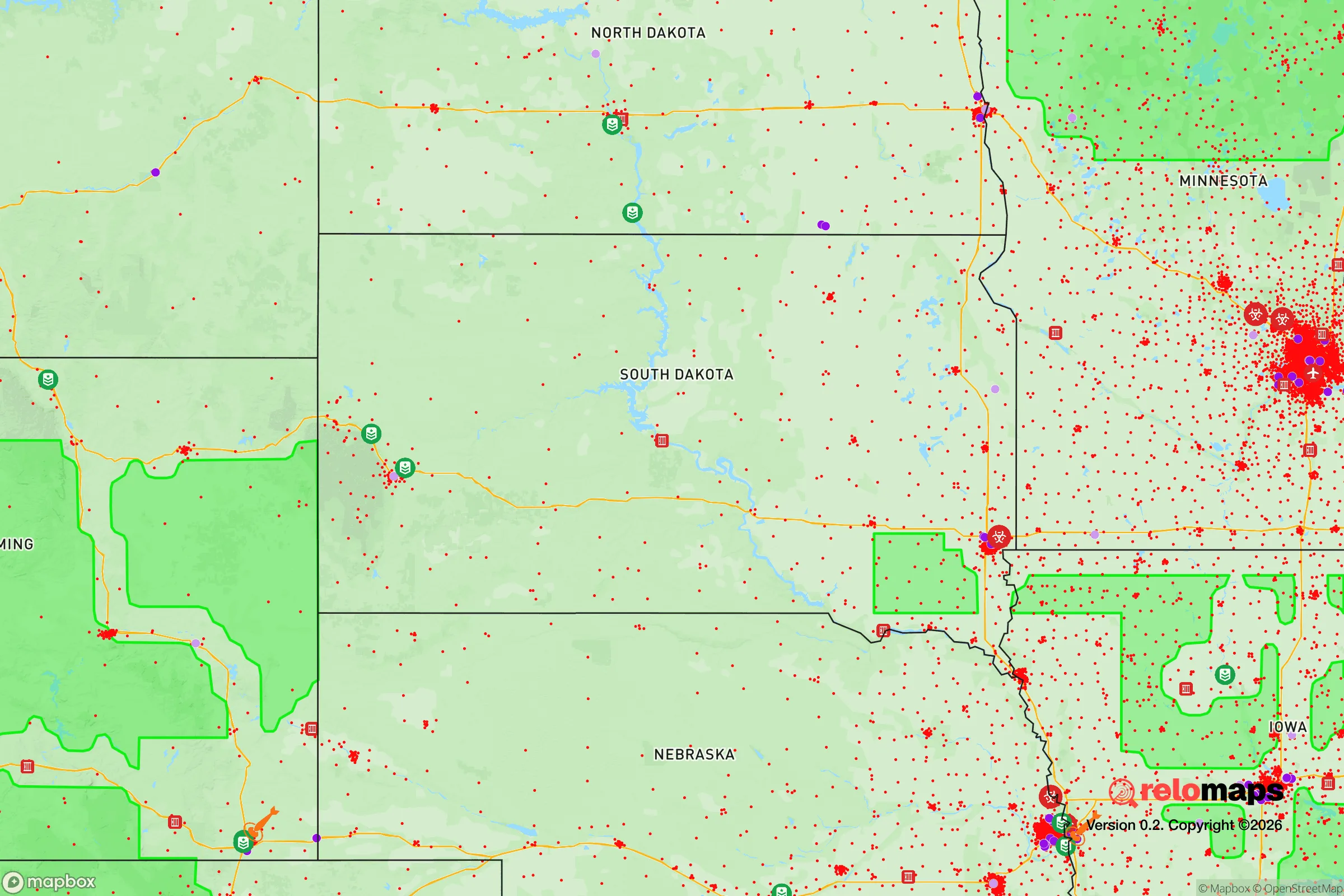


Important Note: For informational purposes only. This does not mean nothing bad ever happens in the green zones. Please use common sense. This is based on public data and modeled with AI. We tried to take a conservative approach but mistakes happen. We update this regularly as new information becomes available.
Solar Generator Recommendations
Backup power matters more here than in safer locations. We've picked three solar generators across budgets and capacity tiers — start with the budget unit if you only need a few essentials, or step up if you want to run a fridge and HVAC for days at a time.

Jackery Portable Power Station Explorer 300
Budget OptionPower on the Go: Weighing only 11 lbs, it's convenient to set up and store with book-sized foldable solar panels

BLUETTI Portable Power Station AC180
Designed for both indoor and outdoor scenarios, AC180 is highly capable as it has a robost capacity and continuous output power.

EF ECOFLOW DELTA Pro Ultra Power Station
Upgraded PickEcoFlow DELTA Pro Ultra is a whole-home energy system designed to grow with your family. Integrated with the Smart Home Panel 2, it scales to meet your evolving energy needs — keeping your home powered, intelligent, and secure through every stage of life.
We earn a commission, at no additional cost to you.
Strategic Assessment Analysis
South Dakota offers a strategic relocation option for those prioritizing resilience, low population density, and distance from major geopolitical flashpoints. The state’s combination of sparse settlement, strong local governance, and geographic isolation from coastal population centers and major industrial targets makes it a viable fallback position for individuals and families concerned with civic unrest, supply chain disruptions, or mass casualty events. While no location is risk-free, South Dakota’s practical advantages in food production, water availability, and energy independence are hard to match in the continental U.S.
Geographic position and natural advantages for long-term security
South Dakota sits in the northern Great Plains, far from the dense corridors of the Eastern Seaboard, the California megaregion, and the Texas triangle. The state’s largest city, Sioux Falls, has a metro population of roughly 280,000 — small enough to avoid the chaos of a major urban collapse but large enough to maintain regional infrastructure. The western half of the state, anchored by Rapid City and the Black Hills, is even more sparsely populated, with counties like Harding and Perkins averaging fewer than two people per square mile. This low population density is a core resilience asset: it reduces disease transmission vectors, limits competition for resources during a crisis, and makes the area harder to target or control by external forces. The Black Hills themselves provide natural defensive terrain, with elevations up to 7,200 feet, dense forest cover, and numerous caves and canyons that offer concealment and microclimates for agriculture. The Missouri River runs through the center of the state, providing a reliable freshwater artery, and the Ogallala Aquifer underlies much of the western region, offering deep groundwater reserves that are less vulnerable to surface contamination than many Eastern watersheds.
Risks, exposures, and proximity to fallout-relevant landmarks
South Dakota’s primary risk profile is shaped by its distance from high-value targets, not its proximity to them. There are no major oil refineries, nuclear power plants, or major military bases within the state that would draw a first-strike or secondary-strike scenario. The closest significant military installation is Ellsworth Air Force Base near Rapid City, which houses B-1B Lancer bombers — a potential target in a major conflict. However, Ellsworth is a relatively small base compared to Fort Hood (now Fort Cavazos) in Texas or the naval concentrations in Norfolk, Virginia. The nearest major refinery is in Mandan, North Dakota, about 250 miles north of Pierre, well outside any plausible fallout plume from a conventional strike. The state’s largest industrial facility is the Smithfield Foods pork processing plant in Sioux Falls, which is a supply-chain node but not a strategic military target. For those concerned with nuclear fallout, South Dakota’s prevailing westerly winds mean that fallout from a strike on the West Coast or the Rocky Mountain region would largely bypass the state, while fallout from a strike on the Midwest would be diluted by the state’s vast open spaces. The primary natural risks are severe winter storms, tornadoes in the eastern plains, and occasional drought — all manageable with proper preparation and infrastructure.
Practical resilience for a relocator: food, water, energy, and defensibility
South Dakota is one of the few states where a relocator can realistically achieve a high degree of self-sufficiency. The state is a top-ten producer of wheat, corn, soybeans, and beef, meaning local food supplies are abundant even in a disrupted national market. Small-scale farming and ranching are feasible on relatively affordable land — agricultural acreage in the western counties can be found for under $2,000 per acre, far less than in the Midwest or the coasts. Water access is excellent: the Missouri River system provides surface water for irrigation and municipal use, and the Ogallala Aquifer offers a deep backup. Most rural properties rely on private wells, which are less vulnerable to municipal system failures. Energy resilience is strong: South Dakota generates over 70% of its electricity from renewable sources, primarily wind and hydro, with the Oahe Dam on the Missouri River providing a stable baseload. Natural gas and propane are widely available for heating and backup generation. For defensibility, the state’s low population density means that a well-chosen property — ideally in the Black Hills or along the Missouri River breaks — offers natural chokepoints and long sightlines. The state’s strong gun culture and permissive concealed-carry laws (constitutional carry without a permit) mean that most residents are armed and trained, which acts as a deterrent to organized looting or forced entry. Local law enforcement in rural counties is thin but responsive, and the state’s independent political culture discourages heavy-handed federal intervention. For a relocator, the practical steps are straightforward: secure a property with a well and septic, establish a garden and small livestock operation, stockpile fuel and ammunition, and build relationships with neighbors who share a similar mindset.
The overall strategic picture for South Dakota is one of high resilience with manageable trade-offs. The state offers a genuine escape from the vulnerabilities of coastal and urban living — no major targets, no dense populations, no fragile supply chains. The winters are harsh, the internet can be spotty in rural areas, and the nearest Level 1 trauma center might be 100 miles away, but those are acceptable costs for a location that can sustain itself through a prolonged disruption. For the conservative-leaning relocator who values independence, self-reliance, and distance from the chaos of the federal government and major cities, South Dakota is a strong candidate. It is not a bug-out location for a weekend — it is a place to build a life that is already resilient by design.

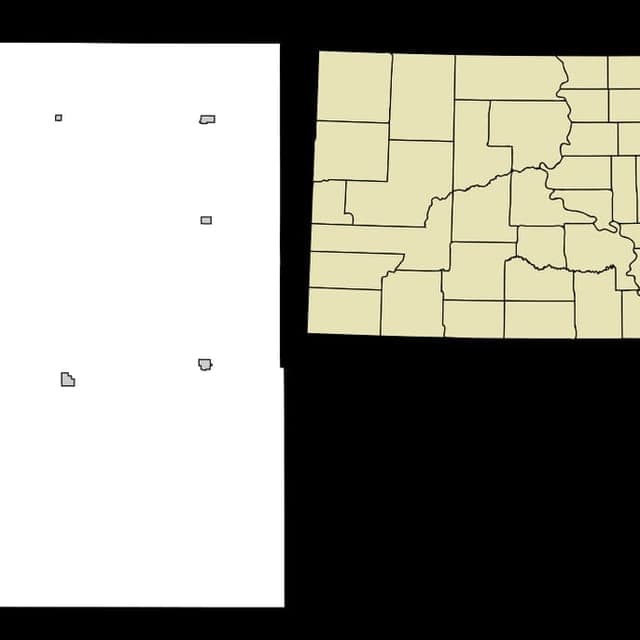
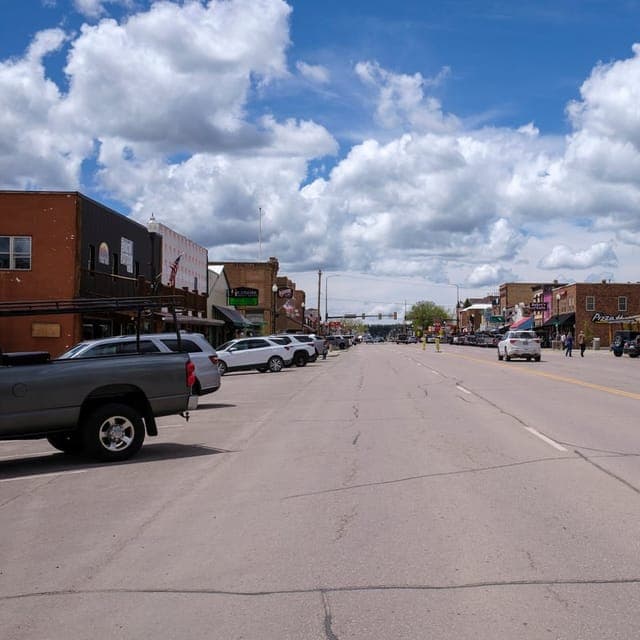
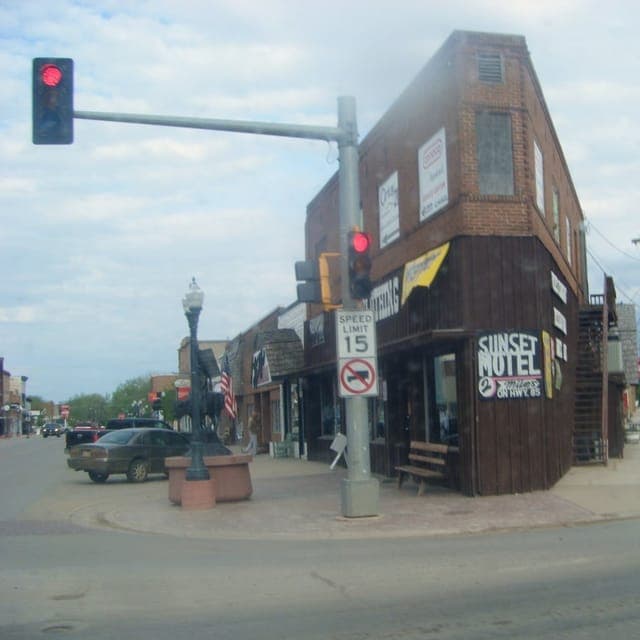
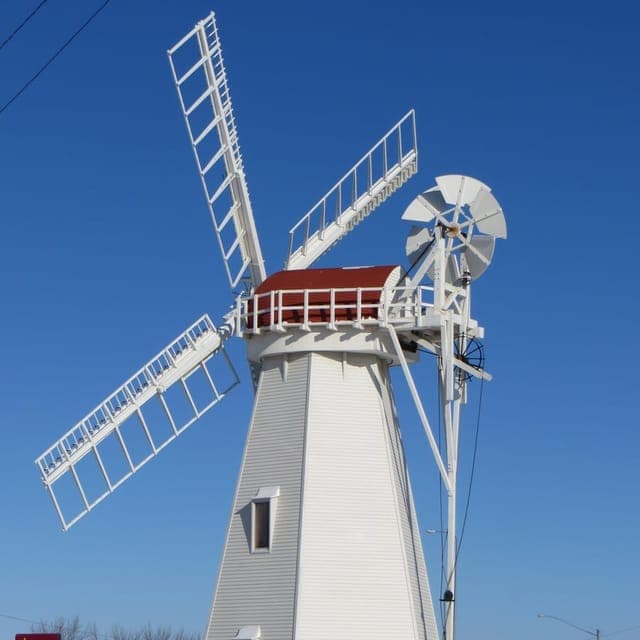
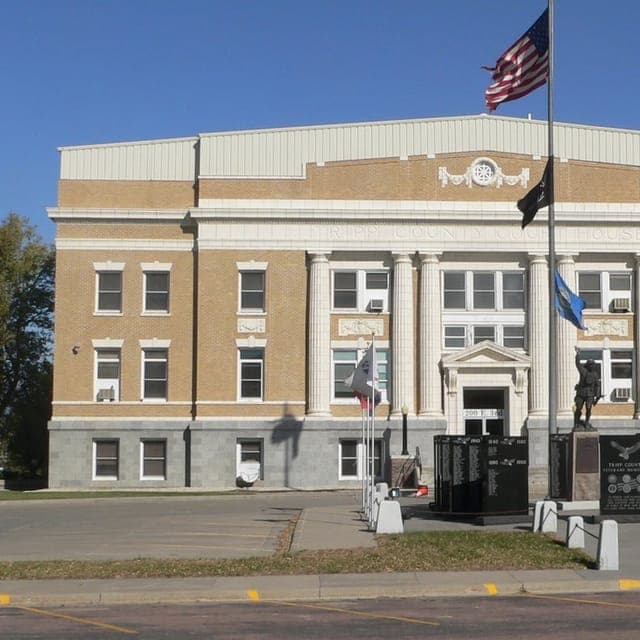
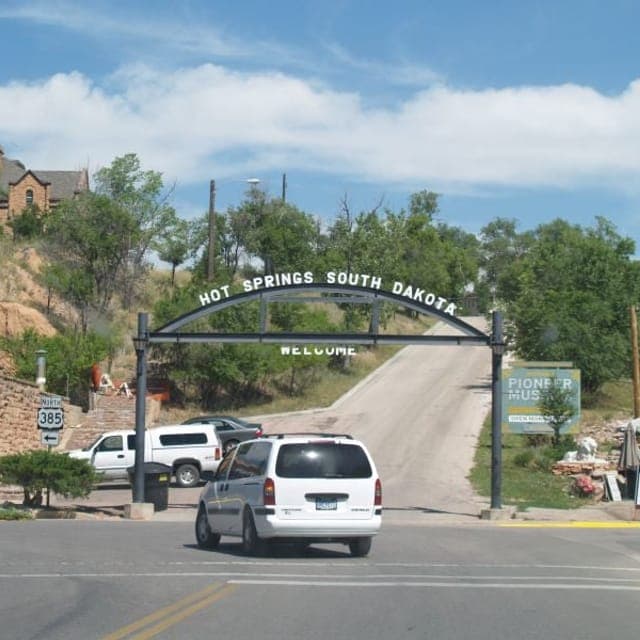
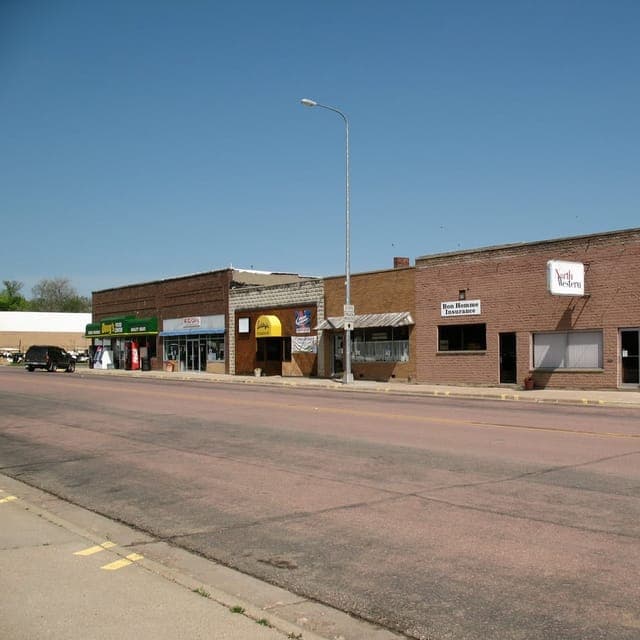
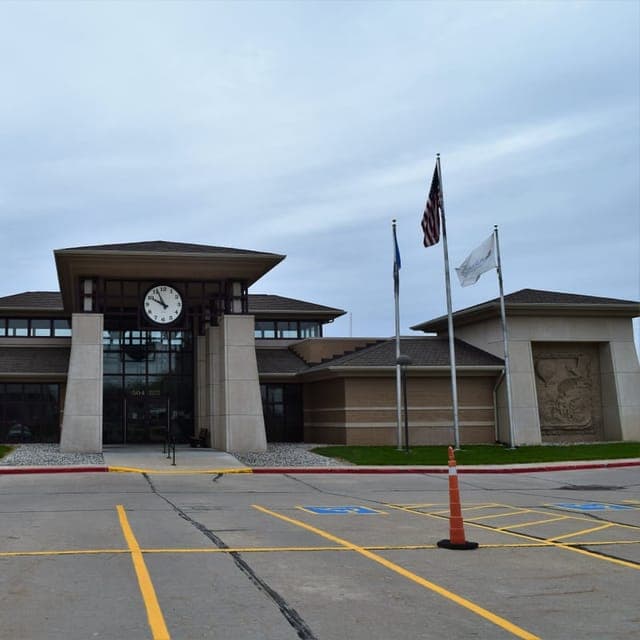
Top 10 Cities by Strategic Assessment in South Dakota
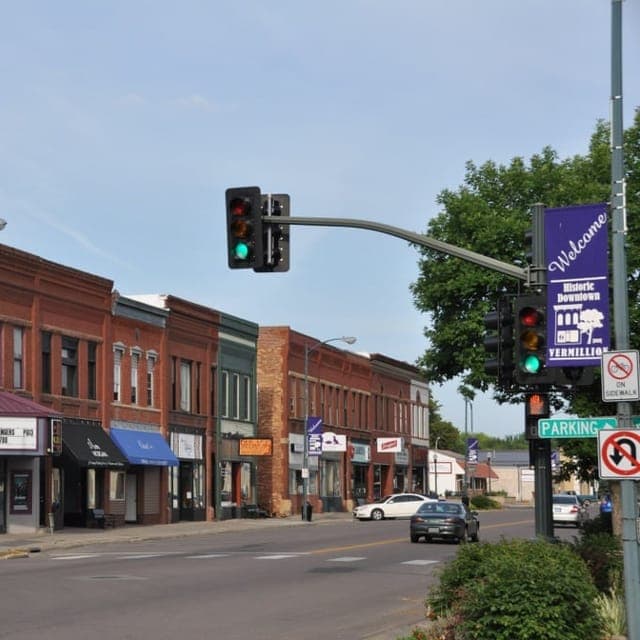
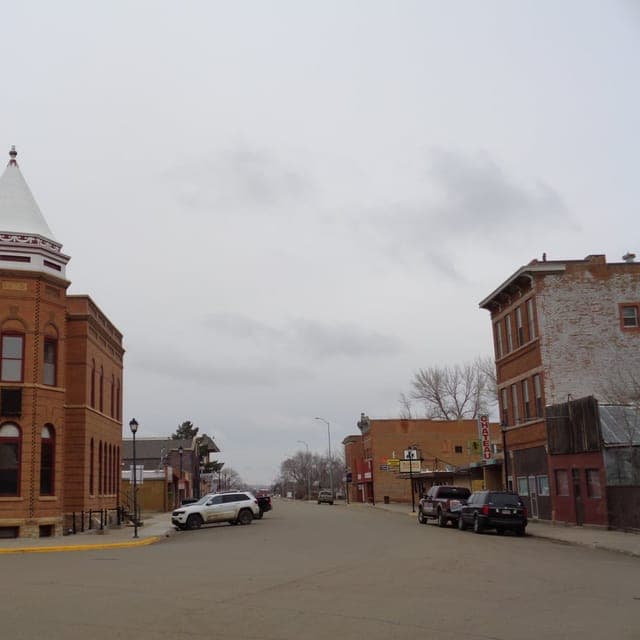
* Values derived from national, state, county, city and local statistics and may differ in a specific area. Last updated: 2026-06-03T06:25:02.000Z
Narrative content on this page is AI-generated and may contain mistakes. Verify any details that matter before acting on them.
ReloMaps may earn a commission from affiliate links at no extra cost to you.

