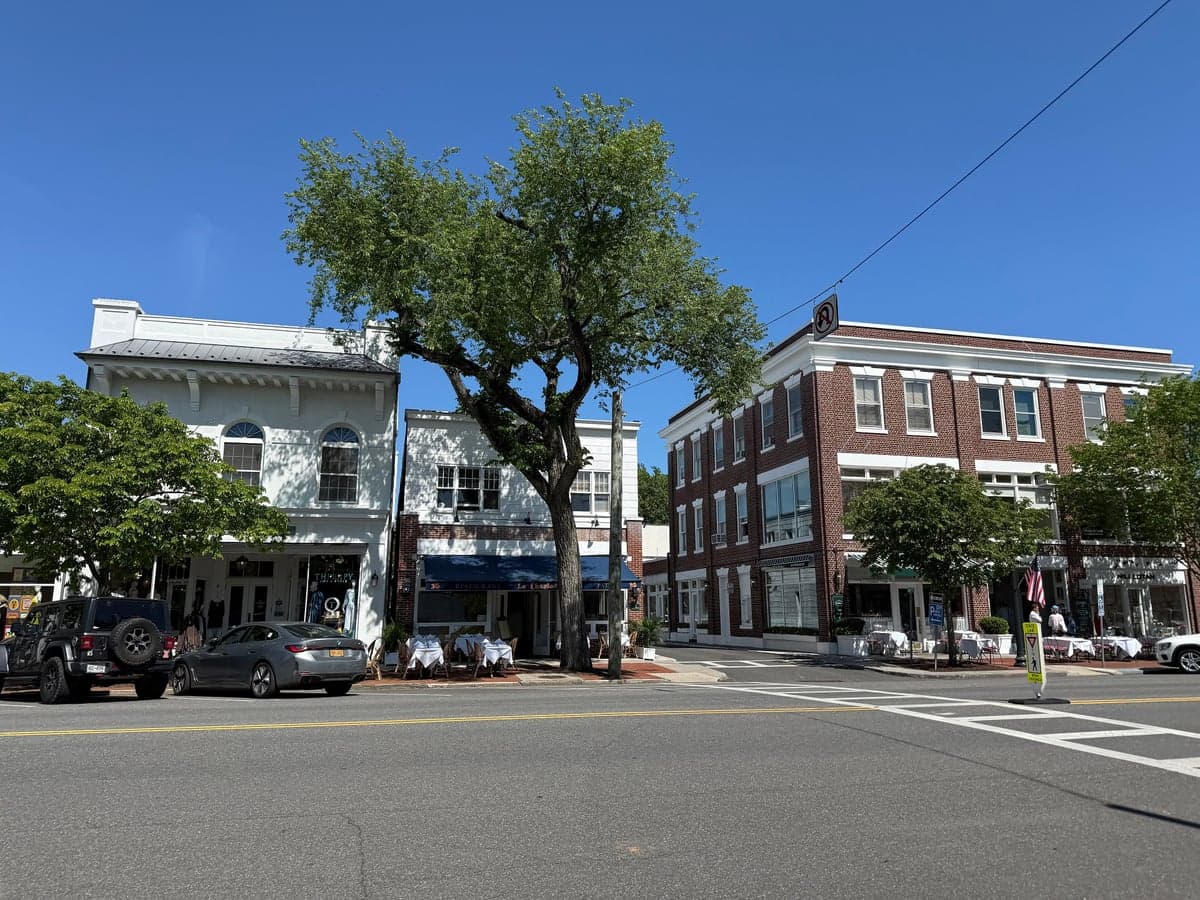
Photo: Wikipedia
Demographics of Southampton, NY
Affluence Level in Southampton, NY
An elite concentration of wealth — high incomes, strong home values, advanced degrees, and minimal poverty signal a top-tier socioeconomic profile.
People of Southampton, NY
The people of Southampton, NY today form a small, highly educated community of 4,557 residents, characterized by a predominantly white population (77.1%) with notable Hispanic (9.9%) and Black (7.8%) minorities. The village is distinctly affluent and professional, with 65.6% holding a college degree, and its foreign-born share of 5.3% is well below the national average. Southampton’s identity is shaped by its dual role as a historic East End fishing and farming village and a summer resort for wealthy New Yorkers, creating a year-round population that is both rooted and transient.
How the city was settled and grew
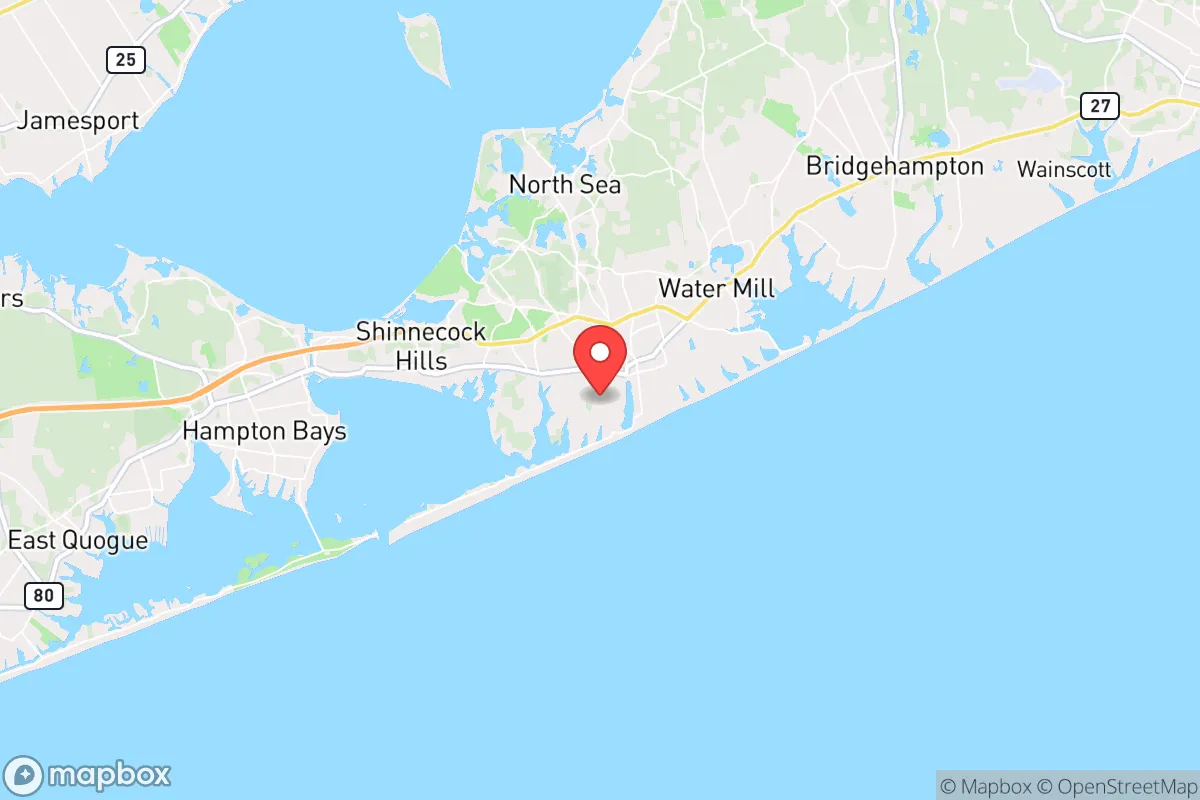
Southampton was founded in 1640 by English Puritan settlers from Lynn, Massachusetts, making it the oldest English settlement in New York State. These early colonists were drawn by land grants from the Earl of Stirling and the promise of fertile soil for farming and access to the Atlantic for fishing and whaling. The original settlement clustered around what is now Old Town, the historic core near the village’s western edge, where the first meeting house and homes were built. By the 18th century, the population remained small and overwhelmingly English, with a few enslaved Africans working on farms. The 19th century brought a wave of Irish immigrants, who arrived to work on the Long Island Rail Road extension (completed to Southampton in 1870) and in the growing resort industry. These Irish families settled primarily in North Sea, a hamlet just north of the village, where their descendants remain a visible part of the community. A smaller wave of German and Polish immigrants followed in the late 1800s, working as farmers and laborers in the surrounding potato fields, with many settling in Water Mill and Bridgehampton to the east. By 1900, Southampton’s population was still under 3,000, overwhelmingly white and native-born, with a small but established Black community in the Hillcrest neighborhood, a historically African American enclave that grew from domestic workers serving wealthy summer residents.
Modern era (post-1965)
The post-1965 era brought significant demographic shifts, though Southampton’s population growth has been modest. The Immigration and Nationality Act of 1965 opened doors for new arrivals, but the village’s high cost of living and limited year-round employment limited large-scale immigration. The most notable change has been the growth of the Hispanic population, which rose from negligible levels in 1980 to 9.9% today. These residents are primarily of Mexican and Central American origin, working in landscaping, construction, and hospitality. They have concentrated in Tuckahoe, a hamlet just west of the village, where more affordable housing and rental units exist. The Black population, at 7.8%, remains centered in the Hillcrest neighborhood, though some families have moved to newer subdivisions in Shinnecock Hills. The East/Southeast Asian population (1.7%) and Indian subcontinent population (2.0%) are small but growing, with professionals drawn to the area’s schools and proximity to New York City. These groups are dispersed throughout the village, with no single ethnic enclave. Domestic in-migration has been the primary driver of population change, with wealthy professionals and retirees from the New York metropolitan area buying second homes or relocating year-round. This has pushed up home prices and accelerated the displacement of longtime working-class families, particularly in the Village Green area near the train station, where older cottages are being replaced by luxury renovations.
The future
Southampton’s population is likely to continue its slow growth, with the village approaching build-out. The Hispanic share is expected to rise modestly, possibly reaching 12-14% by 2040, driven by continued demand for service labor in the resort economy. The East/Southeast Asian and Indian populations will likely grow as well, as professionals seek the area’s top-ranked schools and quality of life, but they will remain small single-digit shares. The white population, while still dominant, will continue to age, with a growing share of retirees and second-home owners. The community is not tribalizing into distinct enclaves; rather, it is becoming more economically stratified, with a widening gap between wealthy newcomers and working-class residents of all backgrounds. For someone moving in now, Southampton offers a stable, safe, and highly educated environment, but the high cost of housing and limited year-round employment mean that new residents will likely be affluent professionals or retirees, not young families starting out.

* Values derived from national, state, county, city and local statistics and may differ in a specific area. Last updated: 2026-04-24T01:45:23.000Z
Narrative content on this page is AI-generated and may contain mistakes. Verify any details that matter before acting on them.
ReloMaps may earn a commission from affiliate links at no extra cost to you.

