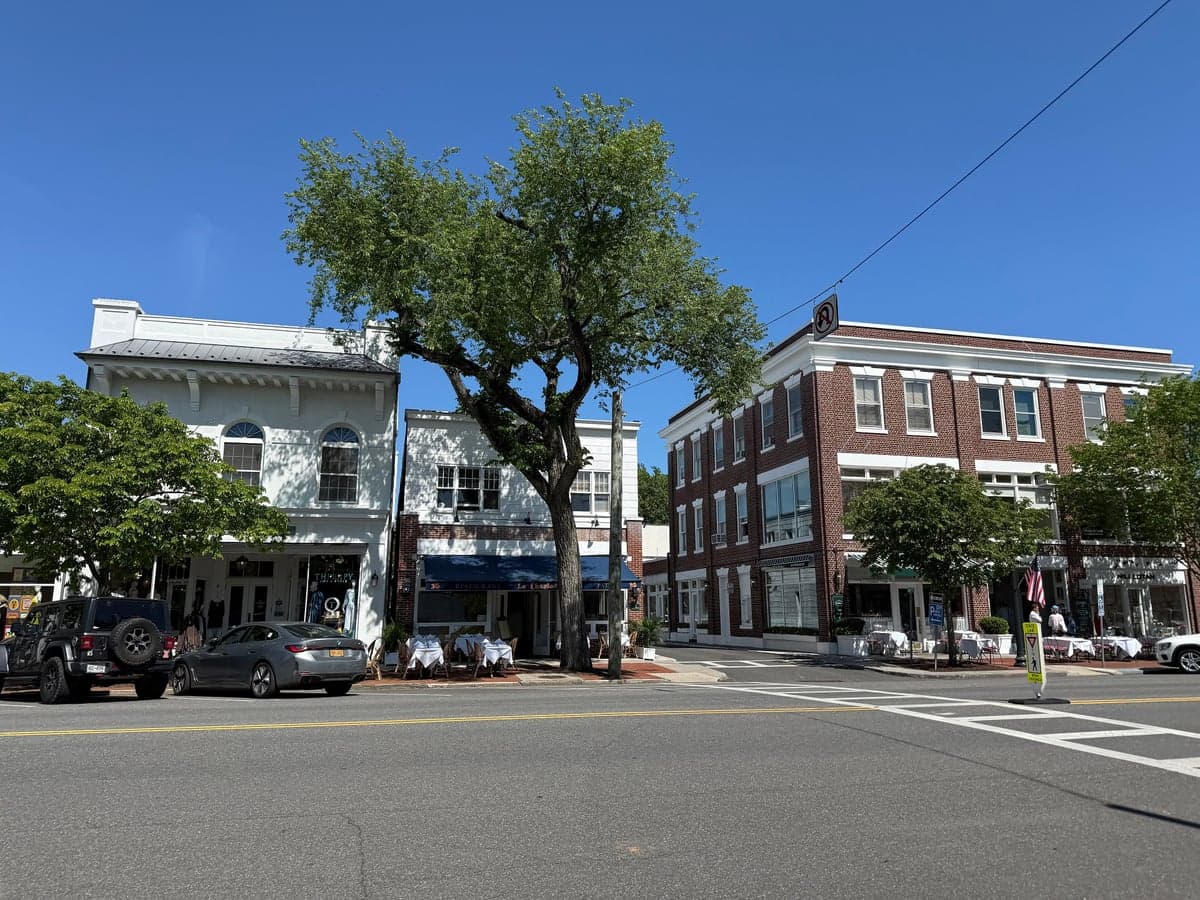
Photo: Wikipedia
Strategic Assessment of Southampton, NY
Multiple tactical vulnerabilities. Population density, target proximity, or disaster risk are likely compounding. A retreat property and exit planning is required.
What does the Strategic Assessment tell us?
Our Strategic Assessment grades tactical survivability of an area. Major population centers, military targets, fallout zones, natural disasters, and border exposure all drive risk — lower exposure means a more defensible position in a crisis.
This is heavily inspired by Joel Skousen's Strategic Relocation book. Highly recommended you checkout the book ($)What does this tell us?
Our Strategic Assessment grades tactical survivability of an area. Major population centers, military targets, fallout zones, natural disasters, and border exposure all drive risk — lower exposure means a more defensible position in a crisis.
This is heavily inspired by Joel Skousen's Strategic Relocation book. Highly recommended you checkout the book ($)Strategic Pillars

Key Distances
Regional Safe Places
Below is our recommended "safe zones" in New York and the surrounding area based on our strategic heuristics. For most people, it's unrealistic to live in a “safe zone” full-time due to work, family or other personal reasons. They tend to be more rural. However, many of these areas are perfect for second homes and retreat properties that double as a vacation home or even a short-term rental.
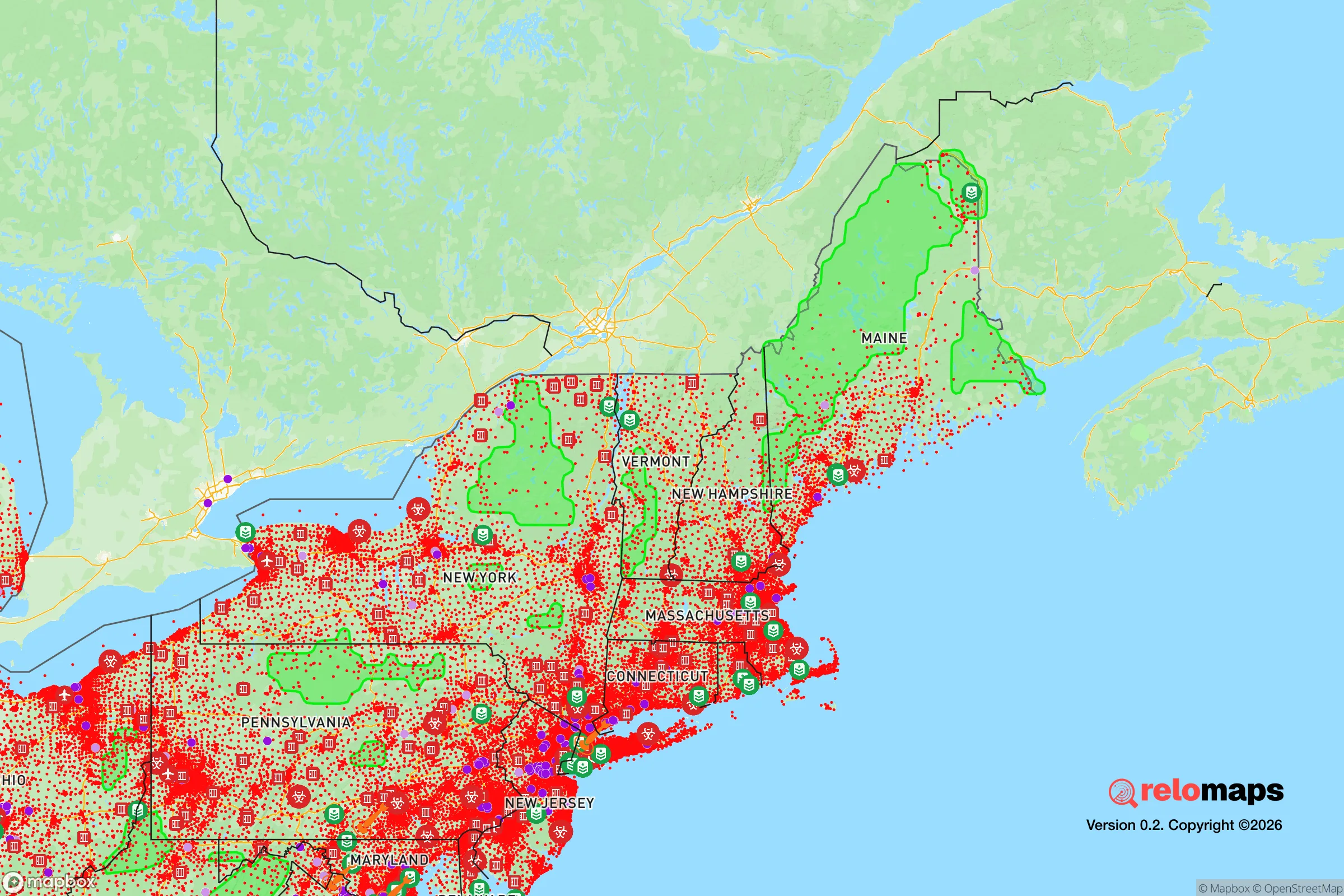
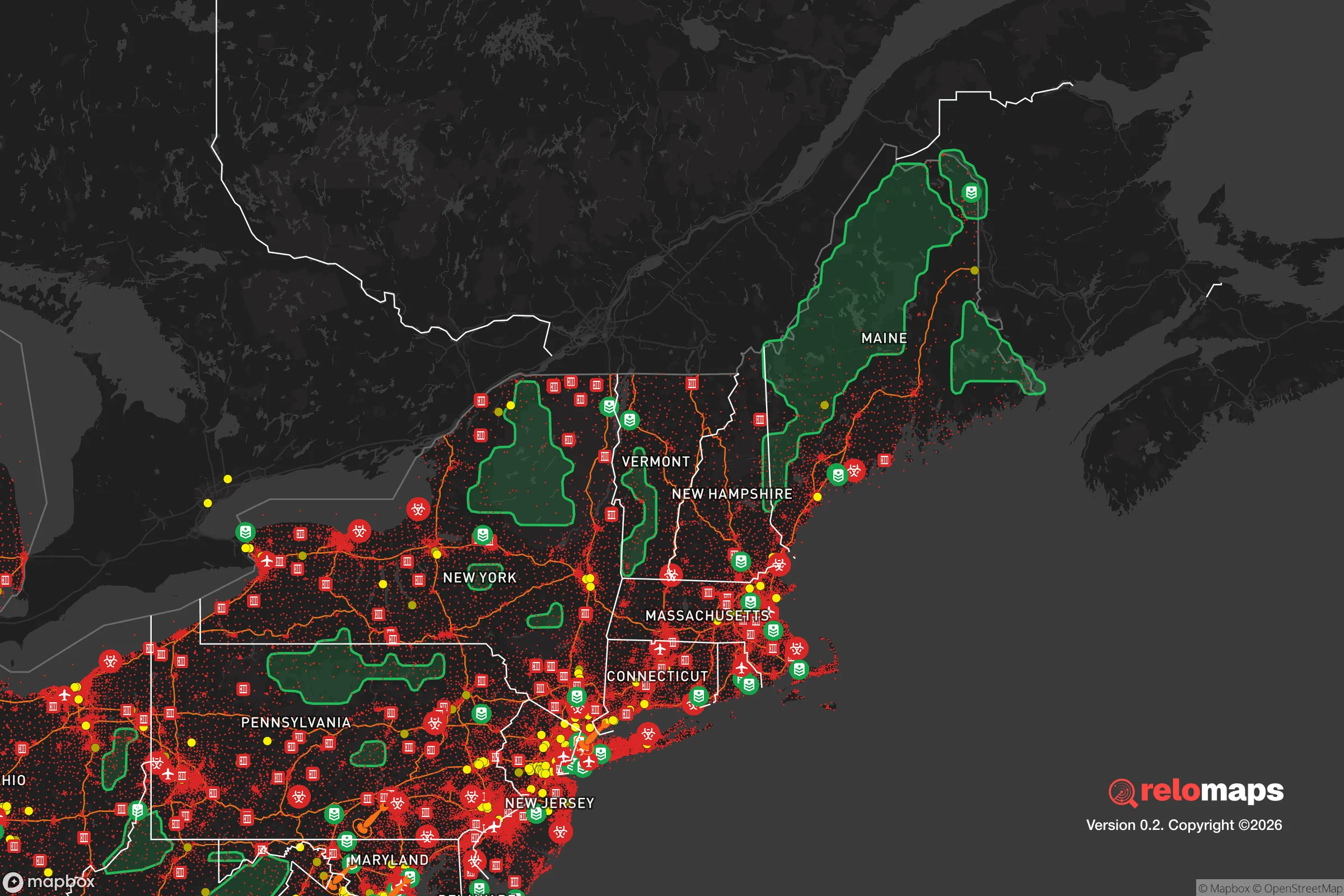


Important Note: For informational purposes only. This does not mean nothing bad ever happens in the green zones. Please use common sense. This is based on public data and modeled with AI. We tried to take a conservative approach but mistakes happen. We update this regularly as new information becomes available.
Solar Generator Recommendations
Backup power matters more here than in safer locations. We've picked three solar generators across budgets and capacity tiers — start with the budget unit if you only need a few essentials, or step up if you want to run a fridge and HVAC for days at a time.

Jackery Portable Power Station Explorer 300
Budget OptionPower on the Go: Weighing only 11 lbs, it's convenient to set up and store with book-sized foldable solar panels

BLUETTI Portable Power Station AC180
Designed for both indoor and outdoor scenarios, AC180 is highly capable as it has a robost capacity and continuous output power.

EF ECOFLOW DELTA Pro Ultra Power Station
Upgraded PickEcoFlow DELTA Pro Ultra is a whole-home energy system designed to grow with your family. Integrated with the Smart Home Panel 2, it scales to meet your evolving energy needs — keeping your home powered, intelligent, and secure through every stage of life.
We earn a commission, at no additional cost to you.
Strategic Assessment Analysis
Southampton, New York, presents a complex strategic picture for the conservative prepper. While its reputation as a summer playground for the elite suggests softness, the area’s underlying geography and infrastructure offer genuine resilience advantages—if you know where to look. The key trade-off is proximity to New York City’s inevitable collapse zone versus access to the Atlantic, fertile farmland, and a deep-water port that could become a lifeline in a prolonged crisis. For the single individual or family willing to navigate high costs and a seasonal population, Southampton provides a defensible coastal redoubt with serious logistical upside, provided you plan for the worst.
Geographic position and natural advantages for long-term survival
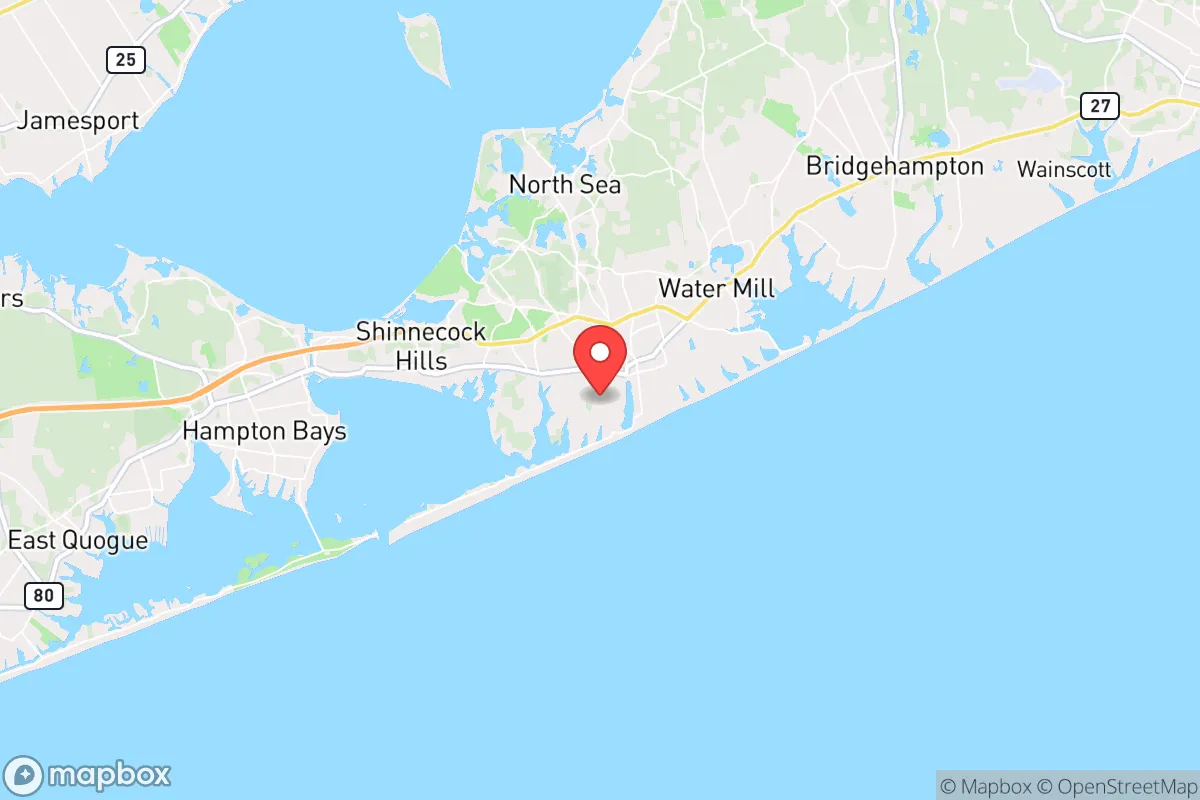
Southampton sits on the South Fork of Long Island, roughly 80 miles east of Manhattan, placing it far enough from the city to avoid the immediate blast radius of a nuclear detonation or the first wave of civil unrest, yet close enough that fallout patterns and refugee flows remain a real concern. The area’s defining natural advantage is its position on a peninsula bounded by the Atlantic Ocean to the south and Peconic Bay to the north. This geography creates a natural choke point: the only land route in or out is the Sunrise Highway (NY-27) and Montauk Highway, both of which can be easily monitored and, if necessary, blocked. For a prepper, this means defensibility is baked into the landscape. The surrounding waters provide a secondary escape route via boat, and the local fishing grounds—fluke, striped bass, and bluefish—offer a reliable protein source that won’t depend on a functioning supply chain. The area’s sandy soil is well-suited for root vegetables and salt-tolerant crops like kale and beets, and the moderate maritime climate extends the growing season compared to inland New York. In a grid-down scenario, Southampton’s access to the ocean also means you can distill fresh water using solar stills or collect rainwater from the region’s frequent coastal storms. The Shinnecock Inlet and the Peconic Estuary are rich in shellfish, providing a low-tech, sustainable food source that requires no refrigeration. For the relocator thinking in decades, not days, this is a location that can feed itself.
Risks, exposures, and proximity to fallout-relevant landmarks
The most glaring vulnerability is Southampton’s proximity to New York City, a prime target for any adversary seeking to cripple the United States. A ground burst over Manhattan would send fallout drifting east-northeast on prevailing winds, potentially contaminating the South Fork within hours. The Brookhaven National Laboratory, located about 40 miles west in Upton, is another high-value target—a research facility with nuclear reactors and radiological materials that could become a secondary hazard if struck or compromised. Additionally, the Long Island Rail Road’s main line runs through the area, and the region’s power grid is heavily dependent on the Northport Power Station and the Shoreham substation, both of which are vulnerable to EMP or cyberattack. A prolonged blackout would strand the summer population—which swells to over 100,000 in July and August—without functioning traffic lights, fuel pumps, or refrigeration. The seasonal influx also means that during a crisis, you could be competing for resources with thousands of unprepared tourists who have no local knowledge or supplies. Flooding from storm surge is a perennial risk; a Category 3 hurricane could inundate low-lying areas like Tiana Beach and the Shinnecock Bay shoreline, cutting off evacuation routes and contaminating freshwater wells with saltwater. For the prepper, the takeaway is that Southampton’s isolation cuts both ways: it protects you from the initial chaos but also makes resupply and evacuation difficult if the bridges and causeways are compromised. You need to be self-sufficient for at least 90 days, not the typical 72-hour kit.
Practical resilience for a relocator: food, water, energy, and defensibility
For the individual or family serious about long-term preparedness, Southampton offers a mix of assets and liabilities that require deliberate planning. Water is the first concern: most homes rely on private wells, which are vulnerable to saltwater intrusion and contamination from septic systems during floods. A deep well with a hand pump or a solar-powered pump is a non-negotiable upgrade. The good news is that the water table is high—typically 10 to 20 feet down—so drilling a backup well is feasible. Food production is viable if you have land. The area’s agricultural heritage is real; the South Fork still has working farms like the 1,000-acre Fairview Farm and several community-supported agriculture (CSA) operations. In a crisis, these farms could be commandeered or bartered with, but you’re better off establishing your own raised beds and a small greenhouse. The local deer population is abundant, and hunting is permitted in season, but you’ll need to secure permission from private landowners. Energy independence is achievable but expensive. Solar panels with battery storage are common in new construction, but many older homes lack the roof orientation for optimal generation. A backup generator running on propane or diesel is essential, and you should store at least 200 gallons of fuel in a buried tank to avoid vapor loss and theft. Defensibility is the area’s strongest suit. The narrow roads, dense hedgerows, and limited access points make it easy to establish a perimeter. A property set back from the main road with a long driveway and natural cover from pine barrens or scrub oak gives you both concealment and early warning. The local police presence is robust in the summer but thins out in the off-season, so a security plan should include motion-sensor lights, cameras, and a community watch network with like-minded neighbors. The Shinnecock Indian Nation, which has a reservation within the town, is a potential ally or neutral party—they have their own governance and a history of self-sufficiency that aligns with prepper values. Avoid drawing attention to your preparations; the local elite are not your friends in a collapse, and conspicuous stockpiling will make you a target.
The overall strategic picture for Southampton is one of high potential paired with high entry costs and significant risk from the New York City proximity. For the conservative prepper who can afford the real estate and is willing to invest in off-grid infrastructure, this location offers a rare combination of natural resources, defensible terrain, and access to the sea that few other East Coast locations can match. The key is to treat it as a long-term homestead, not a weekend retreat. You need to be fully self-sufficient before the crisis hits, because once the bridges are blocked or the power goes out, you’re on your own. If you can manage that, Southampton becomes a fortress. If you can’t, it’s just an expensive place to wait for help that isn’t coming. Plan accordingly.

* Values derived from national, state, county, city and local statistics and may differ in a specific area. Last updated: 2026-04-24T01:45:23.000Z
Narrative content on this page is AI-generated and may contain mistakes. Verify any details that matter before acting on them.
ReloMaps may earn a commission from affiliate links at no extra cost to you.

