Photo: Wikipedia
Quality of Life in Southampton, NY
Above-average quality of iife. The area offers a reasonable cost of living, decent mobility, and a mix of neighborhood amenities.
What does Quality of Life tell us?
Quality of Life blends cost of living, nearby amenities, socioeconomic signals, and neighborhood character. City-level scores represent the whole municipality; individual neighborhoods can differ.
What does this tell us?
Quality of Life blends cost of living, nearby amenities, socioeconomic signals, and neighborhood character. City-level scores represent the whole municipality; individual neighborhoods can differ.
Cost of Living
296% above national average
The Real Cost of Living in Southampton, NY for 2026
| Tier | Individual | Family (4) |
|---|---|---|
| Survival | $48k | $90k |
| Comfortable | $389k | $571k |
| Luxury | $405k+ | $628k+ |
| Elite (Top 5%) | $728k+ | $1.1M+ |
31%
The Area Signal
A metric tracking the socioeconomic signals of the area.
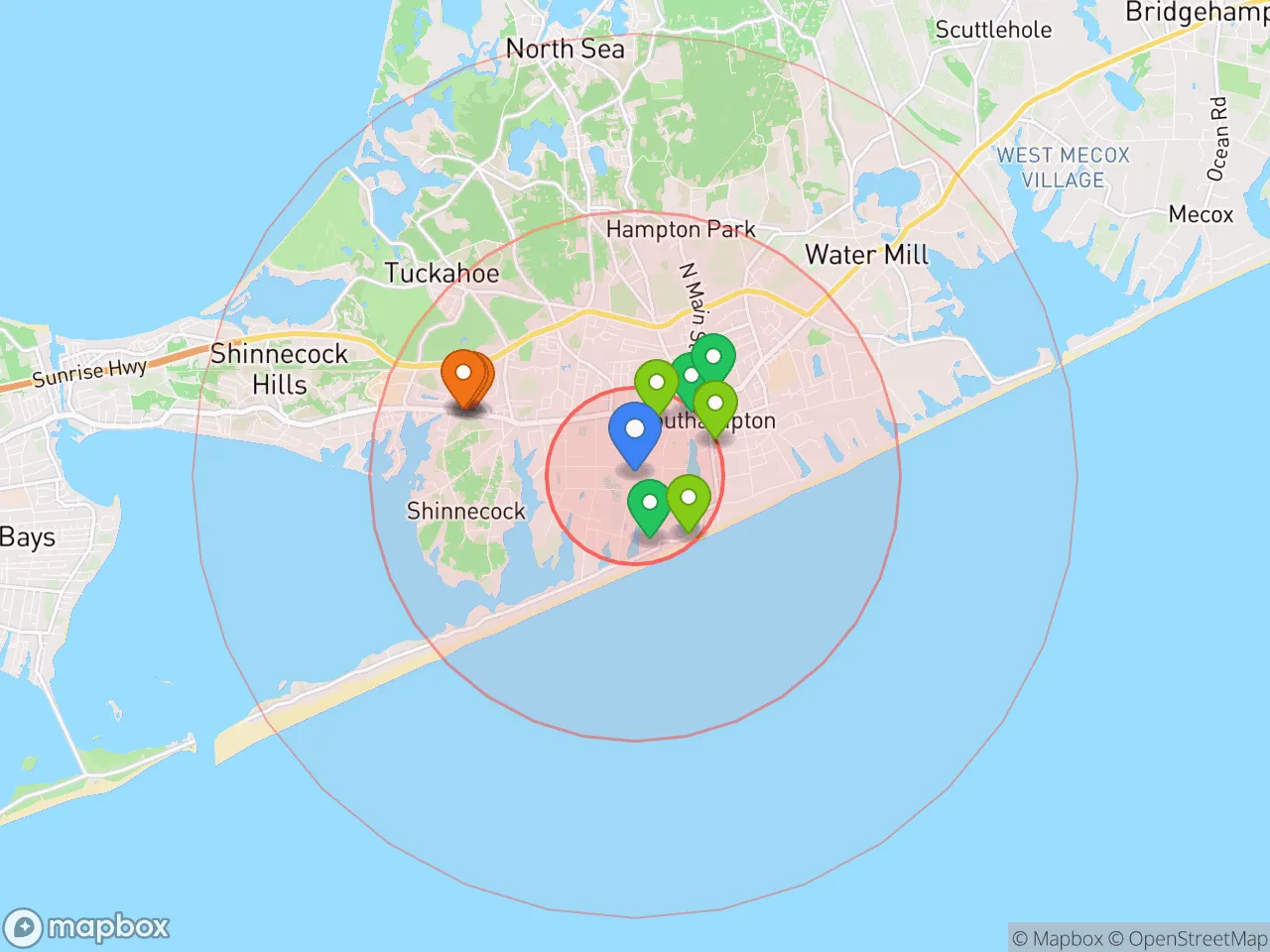
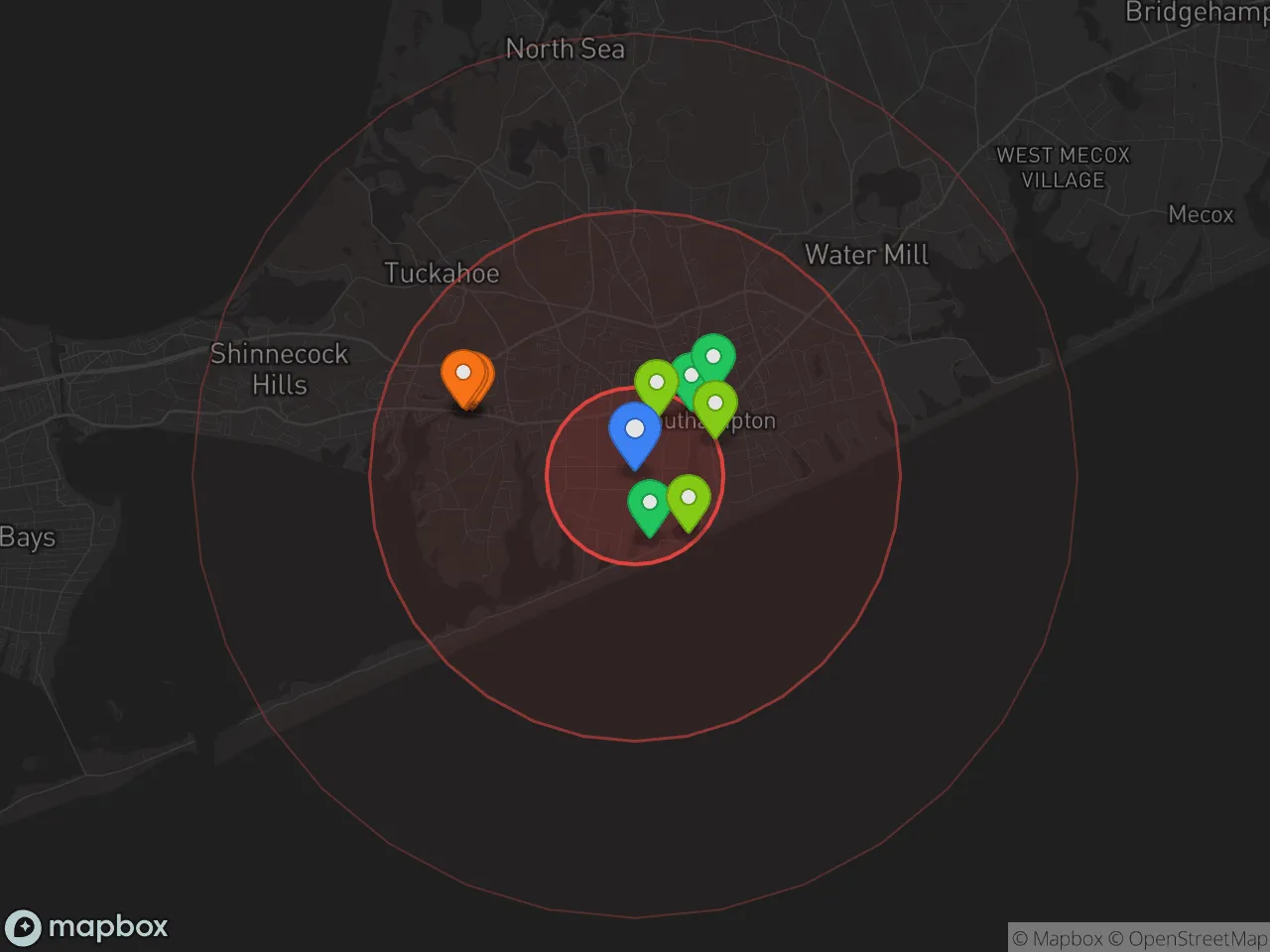
Hobbies
Explore the areaGroceries
0 within 10 miles
Gas
7 within 10 miles
Hospital
3 within 20 miles
Airport
JFK — John F. Kennedy International
Post Office
USPS — 123 North Sea Road, Southampton
Critical Amenities
Quality-of-Life Analysis
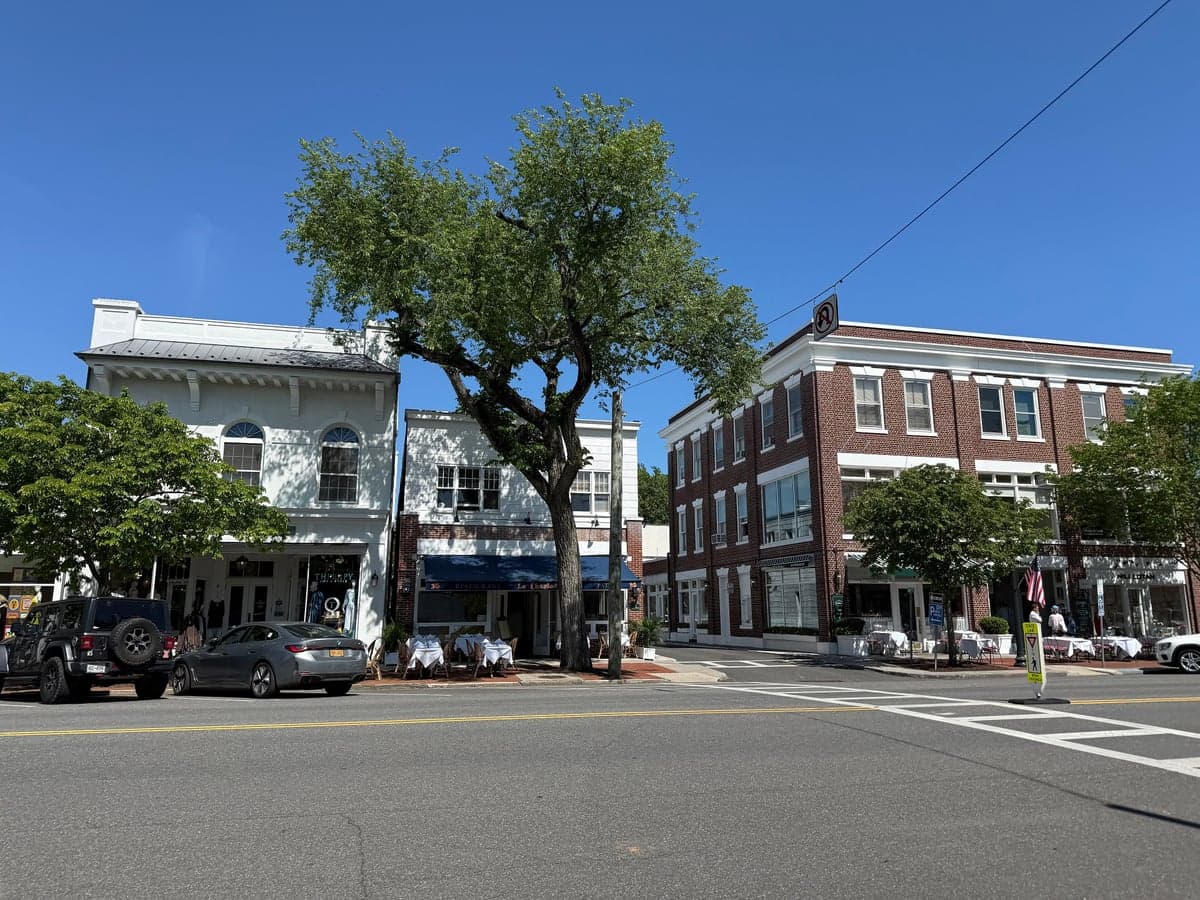
Southampton, New York, is one of the most affluent communities in the United States, with a cost of living index of 396—nearly four times the national average—and a median home value exceeding $2 million. The population is a mix of ultra-high-net-worth seasonal residents, second-home owners, and a year-round workforce that supports the luxury tourism and service economy. This enclave on the South Fork of Long Island is defined by its historic estates, pristine beaches, and a social calendar that revolves around the Hamptons summer season, attracting professionals in finance, media, and entertainment alongside retirees and creative professionals.
Cost of living, housing affordability, and how it compares to nearby areas
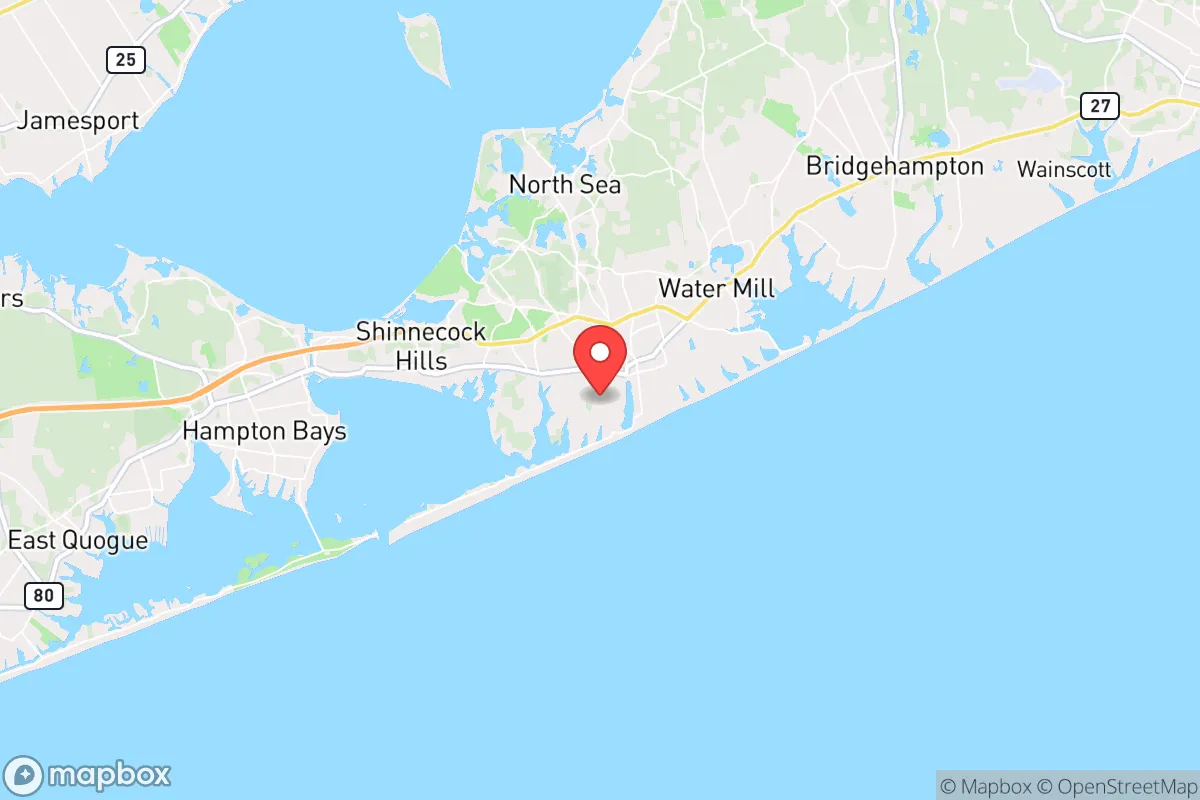
Southampton’s housing market is among the most expensive in the nation, with a median home value of $2,000,001—roughly 20 times the national median. The median rent of $2,180 is more moderate by comparison but still 30% above the U.S. average, reflecting a tight rental market driven by seasonal demand. For context, neighboring Bridgehampton and Water Mill have even higher median home values, while the village of Southampton itself is slightly more accessible than Sagaponack or Amagansett. The average commute of 21.9 minutes is surprisingly short for the region, as many year-round residents work locally in retail, hospitality, construction, or municipal services. However, those commuting to Manhattan face a 2.5- to 3-hour train ride or a costly drive, making the area impractical for daily urban commuters. Property taxes are high—typically 1.5% to 2% of assessed value—and the lack of affordable housing is a persistent challenge, with few options for teachers, nurses, or service workers below the $150,000 annual income threshold.
Amenities, schools, and what daily life is like for families
Daily life in Southampton revolves around its natural and cultural amenities: seven miles of ocean and bay beaches, the Southampton Arts Center, and the Parrish Art Museum. The Southampton Village and Town offer a walkable Main Street with high-end boutiques, farm-to-table restaurants, and the historic Southampton Cinema. The Southampton Union Free School District is highly rated, with an average student-teacher ratio of 11:1 and a graduation rate above 95%, though class sizes can swell during the summer influx. Year-round residents enjoy a quieter rhythm from September through May, with farmers’ markets, library programs, and community sports leagues. The Hamptons’ social scene peaks in July and August, bringing traffic congestion on Montauk Highway and a surge in dining and event prices. For families, the trade-off is clear: exceptional schools and outdoor recreation versus a high cost of living and seasonal crowds.
Southampton is best suited for high-income households—those earning $400,000 or more annually—who can absorb the housing costs and property taxes without strain. It also works well for retirees or remote workers in finance, law, or tech who value beach access, privacy, and a tight-knit community. Families with children will benefit from top-tier public schools and a safe environment, but should budget carefully for housing and summer expenses. Conversely, young professionals on a median national salary or those seeking urban nightlife will find the area financially prohibitive and seasonally isolating. For those who can afford it, Southampton offers a quality of life defined by natural beauty, cultural depth, and a pace that shifts dramatically with the seasons.

Crime in Southampton, NY
Lower crime rates than 84% of comparable U.S. locations.
Violent CrimeViolent Crime Analysis
Property CrimeProperty Crime Analysis
Crime Analysis
Southampton, New York, presents a notably low violent crime rate of 84.5 incidents per 100,000 residents, but its property crime rate of 1,162.5 per 100,000 is a significant concern, particularly given its location within the broader New York metropolitan area. As a wealthy summer destination and year-round community on the South Fork of Long Island, the village's safety profile is shaped by seasonal population surges and the progressive criminal justice policies of Suffolk County and New York State. While violent crime is rare, property crime—especially theft and burglary—is a persistent issue that residents and visitors must actively manage.
Crime in context
Southampton's violent crime rate is roughly 75% lower than the national average and well below the New York State average, making it one of the safer communities in the region for personal safety. However, the property crime rate is approximately 20% higher than the national average, a figure that reflects the area's affluence and the transient nature of its population. The presence of progressive district attorneys and judges in Suffolk County and New York State is a critical factor here. These officials often prioritize diversion programs and reduced sentencing for non-violent property offenders, which, while intended to reduce recidivism, can result in repeat offenders cycling back into the community more quickly. This directly impacts residents, as a higher number of active criminals on the street increases the likelihood of car break-ins, package thefts, and home burglaries, particularly during the off-season when many homes are vacant.
What residents experience
For those living in Southampton year-round, daily life is generally peaceful, but vigilance is required. The most common crimes reported are larceny from motor vehicles, bicycle theft, and burglary of unoccupied seasonal homes. The village police department is well-funded and responsive, but its resources are stretched thin during the summer months when the population swells from roughly 3,000 to over 40,000. The progressive legal environment means that even when arrests are made, offenders—especially juveniles and first-time property criminals—often face minimal consequences, such as supervised release or short probation terms. This creates a frustrating cycle for victims, who may see little justice or restitution. Residents should invest in security systems, motion-sensor lighting, and neighborhood watch participation as practical countermeasures.
Neighborhood-level variation is pronounced. The most exclusive areas, such as the estate sections near the ocean and along Meadow Lane, experience the highest rates of property crime due to their visibility and the seasonal absence of owners. In contrast, the more densely settled village core and the working-class areas north of the highway (like North Sea and Tuckahoe) see lower property crime rates but may have slightly higher instances of disorderly conduct and minor drug offenses. Overall, while Southampton is not a high-crime area by national standards, the combination of high property crime, seasonal vulnerability, and a lenient justice system means that proactive personal security is not optional—it is a necessity for protecting one's property and peace of mind.
* Values derived from national, state, county, city and local statistics and may differ in a specific area. Last updated: 2026-04-24T01:45:23.000Z
Narrative content on this page is AI-generated and may contain mistakes. Verify any details that matter before acting on them.
ReloMaps may earn a commission from affiliate links at no extra cost to you.

