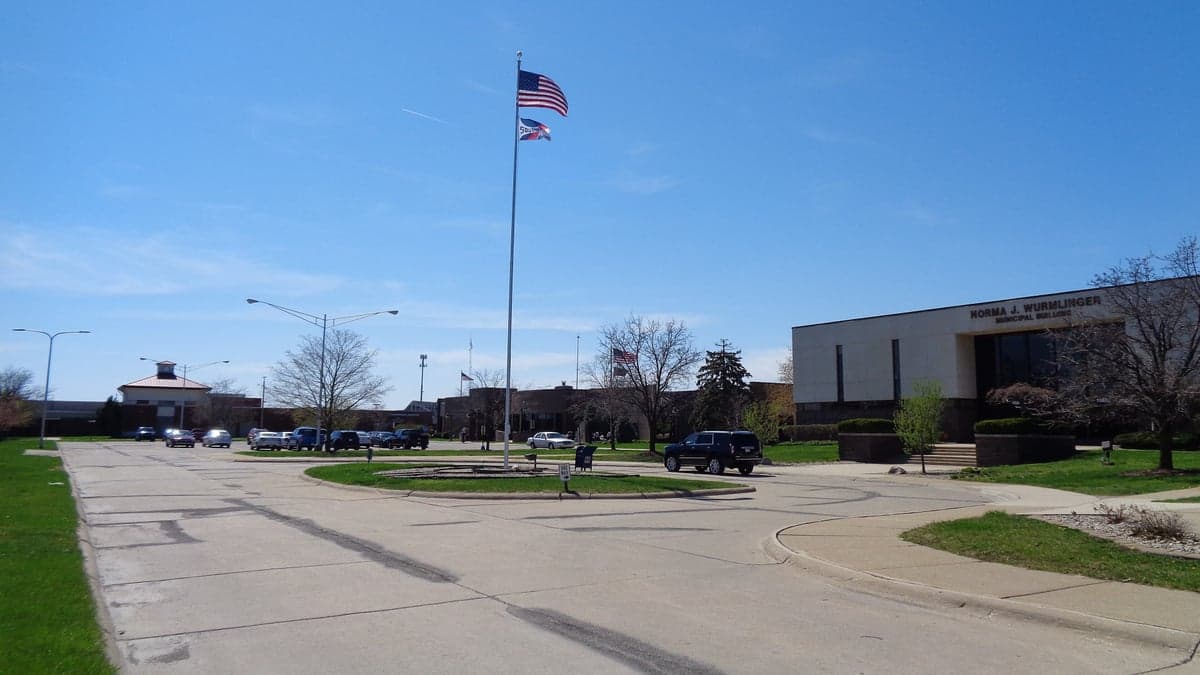
Photo: Wikipedia
Strategic Assessment of Southgate, MI
Multiple tactical vulnerabilities. Population density, target proximity, or disaster risk are likely compounding. A retreat property and exit planning is required.
What does the Strategic Assessment tell us?
Our Strategic Assessment grades tactical survivability of an area. Major population centers, military targets, fallout zones, natural disasters, and border exposure all drive risk — lower exposure means a more defensible position in a crisis.
This is heavily inspired by Joel Skousen's Strategic Relocation book. Highly recommended you checkout the book ($)What does this tell us?
Our Strategic Assessment grades tactical survivability of an area. Major population centers, military targets, fallout zones, natural disasters, and border exposure all drive risk — lower exposure means a more defensible position in a crisis.
This is heavily inspired by Joel Skousen's Strategic Relocation book. Highly recommended you checkout the book ($)Strategic Pillars

Key Distances
Regional Safe Places
Below is our recommended "safe zones" in Michigan and the surrounding area based on our strategic heuristics. For most people, it's unrealistic to live in a “safe zone” full-time due to work, family or other personal reasons. They tend to be more rural. However, many of these areas are perfect for second homes and retreat properties that double as a vacation home or even a short-term rental.


Important Note: For informational purposes only. This does not mean nothing bad ever happens in the green zones. Please use common sense. This is based on public data and modeled with AI. We tried to take a conservative approach but mistakes happen. We update this regularly as new information becomes available.
Solar Generator Recommendations
Backup power matters more here than in safer locations. We've picked three solar generators across budgets and capacity tiers — start with the budget unit if you only need a few essentials, or step up if you want to run a fridge and HVAC for days at a time.

Jackery Portable Power Station Explorer 300
Budget OptionPower on the Go: Weighing only 11 lbs, it's convenient to set up and store with book-sized foldable solar panels

BLUETTI Portable Power Station AC180
Designed for both indoor and outdoor scenarios, AC180 is highly capable as it has a robost capacity and continuous output power.

EF ECOFLOW DELTA Pro Ultra Power Station
Upgraded PickEcoFlow DELTA Pro Ultra is a whole-home energy system designed to grow with your family. Integrated with the Smart Home Panel 2, it scales to meet your evolving energy needs — keeping your home powered, intelligent, and secure through every stage of life.
We earn a commission, at no additional cost to you.
Strategic Assessment Analysis
Southgate, Michigan, presents a mixed strategic picture for the conservative prepper or survivalist. While its location in the Downriver area of Wayne County offers some resilience through a strong local community and proximity to the Detroit River, its position within a dense, politically volatile metropolitan region introduces significant vulnerabilities. For a relocator prioritizing self-sufficiency and security, Southgate is not a retreat into the wilderness, but a potential staging ground—provided you understand its specific risks and assets.
Geographic position and natural advantages for a survivalist
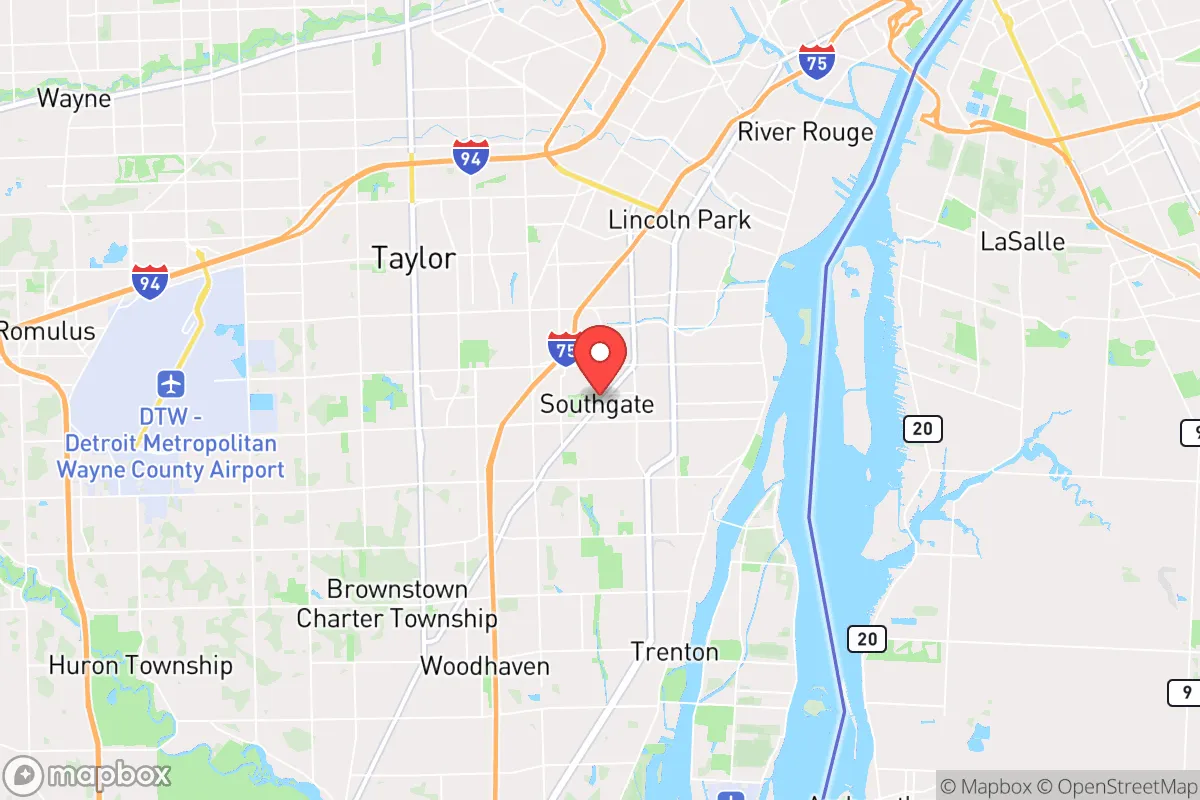
Southgate sits roughly 12 miles south of downtown Detroit, hugging the western bank of the Detroit River. This river is the area’s single greatest natural asset. It provides a reliable, massive freshwater source—critical for any long-term survival scenario. The river also serves as a natural barrier to the east, offering a defensible flank against any unrest spilling from Canada or the eastern suburbs. The surrounding Downriver communities—Wyandotte, Allen Park, Taylor—form a contiguous suburban zone with a working-class, industrial backbone. This means the local population is less transient and more rooted than in many inner-ring suburbs, which can translate into stronger neighborhood mutual-aid networks during a crisis. The terrain is flat and heavily developed, with few natural choke points or defensible high ground. However, the presence of large parks like Bishop Park and the Southgate Veterans Memorial Park offer some open space for emergency gardening or water collection, though they are not wilderness. The area’s proximity to the River Rouge and the Detroit River International Wildlife Refuge (just south) provides limited hunting and fishing opportunities, but these are not reliable primary food sources for a family. The key natural advantage here is water access, not land or cover.
Risks, exposures, and proximity to fallout-relevant landmarks
The most glaring risk for a Southgate relocator is its proximity to Detroit, a major urban center with a history of civil unrest, economic collapse, and strained public services. In a mass casualty event or nationwide crisis, Detroit would likely become a zone of severe instability, with potential for looting, gang activity, and overwhelmed infrastructure. Southgate is close enough—a 20-minute drive on I-75—that refugees and chaos could spill southward rapidly. The city is also within the fallout zone of several high-value targets. The Detroit Metropolitan Wayne County Airport (DTW) is just 10 miles west, a likely target for any aerial attack or disruption. The Ambassador Bridge and Detroit-Windsor Tunnel, critical trade arteries, are about 15 miles north, making them prime targets for sabotage or terrorist action. Additionally, the Downriver area is home to several chemical plants and industrial facilities along the river, including the Marathon Petroleum refinery in nearby Detroit. A major industrial accident or targeted strike could release toxic plumes that would drift directly over Southgate. The city itself has no major military or government installations, which is a slight positive—it’s not a primary target—but its location in a dense, interconnected metro area means it would suffer the secondary effects of any regional disaster. The power grid here is part of the DTE Energy system, which has a history of outages during storms and high demand, a vulnerability that would be magnified in a prolonged crisis.
Practical resilience for a relocator: food, water, energy, and defensibility
For a single individual or family looking to hunker down, Southgate requires significant preparation. Water is the one bright spot: the Detroit River is a massive, unfiltered source, but you’ll need a robust purification system—think Berkey filters, UV treatment, or chemical tablets—since the river carries industrial runoff and sewage overflows. The city’s municipal water comes from the Great Lakes Water Authority, which is vulnerable to cyberattack or contamination. A backup well is not feasible in this suburban grid. Food security is poor. Southgate is a food desert in the sense that most groceries are chain stores (Kroger, Meijer) that would empty within hours of a panic. There are no large-scale farms within the city limits. Community gardens exist but are small. You would need to stockpile at least 3-6 months of non-perishable food per person, and consider a suburban garden in your backyard—though soil quality in a former industrial area may require raised beds with imported soil. Energy is a major vulnerability. The grid is unreliable, and natural gas lines could be disrupted. Solar panels are a viable option, but Southgate’s tree cover and suburban lot sizes limit roof exposure. A generator with stored fuel (gasoline or propane) is essential, but fuel will be scarce after a week. Wood-burning stoves are not common in these homes; you’d need to retrofit. Defensibility is moderate. The city is laid out on a standard suburban grid with wide streets and many cul-de-sacs. This makes it easy to patrol but hard to defend against a determined group. Your best bet is a home with a fenced backyard, reinforced doors, and a basement for shelter. The local police department is small (about 30 officers) and would be overwhelmed in a major event. The community is tight-knit, which can be a force multiplier—neighbors who know each other are more likely to form watch groups. However, the lack of natural barriers (hills, forests, rivers on three sides) means you cannot easily isolate your property. The nearby I-75 and I-94 corridors are evacuation routes but also invasion routes for those fleeing Detroit.
The overall strategic picture for Southgate is one of calculated risk. It is not a survivalist paradise. You are trading the security of remote, defensible land for the advantages of a strong water source and a community with industrial skills and a blue-collar ethos. For a conservative relocator who values self-reliance but cannot afford rural acreage, Southgate offers a foothold—provided you treat it as a base camp, not a fortress. Your plan must include: a deep pantry, a water purification system, a generator, a security plan with neighbors, and a bug-out route north or west toward less populated areas like Washtenaw County or the Irish Hills. If you are willing to invest in hardening your home and building local alliances, Southgate can work as a short-to-medium-term survival location. But if you are looking for a place to ride out a decade of decline, look further from the urban core. The river gives you life, but the city gives you risk—and in a crisis, that balance can tip fast.

* Values derived from national, state, county, city and local statistics and may differ in a specific area. Last updated: 2026-04-30T02:53:12.000Z
Narrative content on this page is AI-generated and may contain mistakes. Verify any details that matter before acting on them.
ReloMaps may earn a commission from affiliate links at no extra cost to you.

