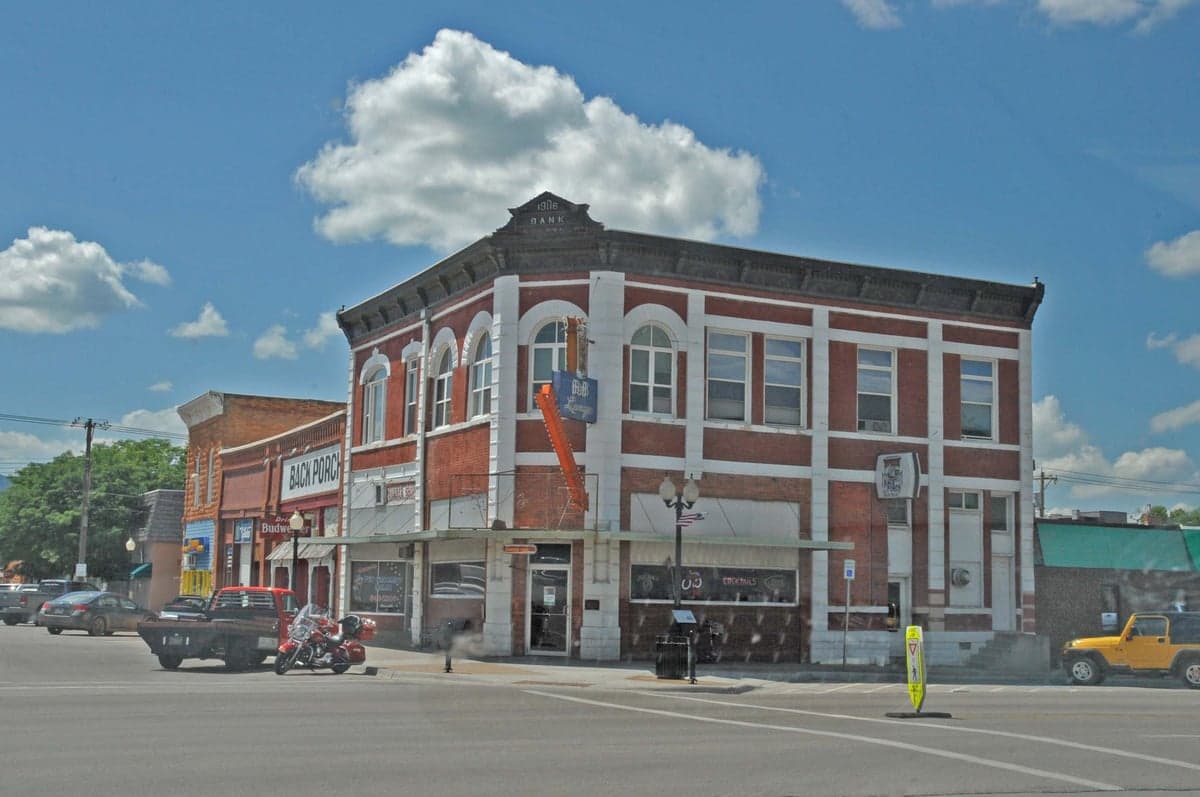
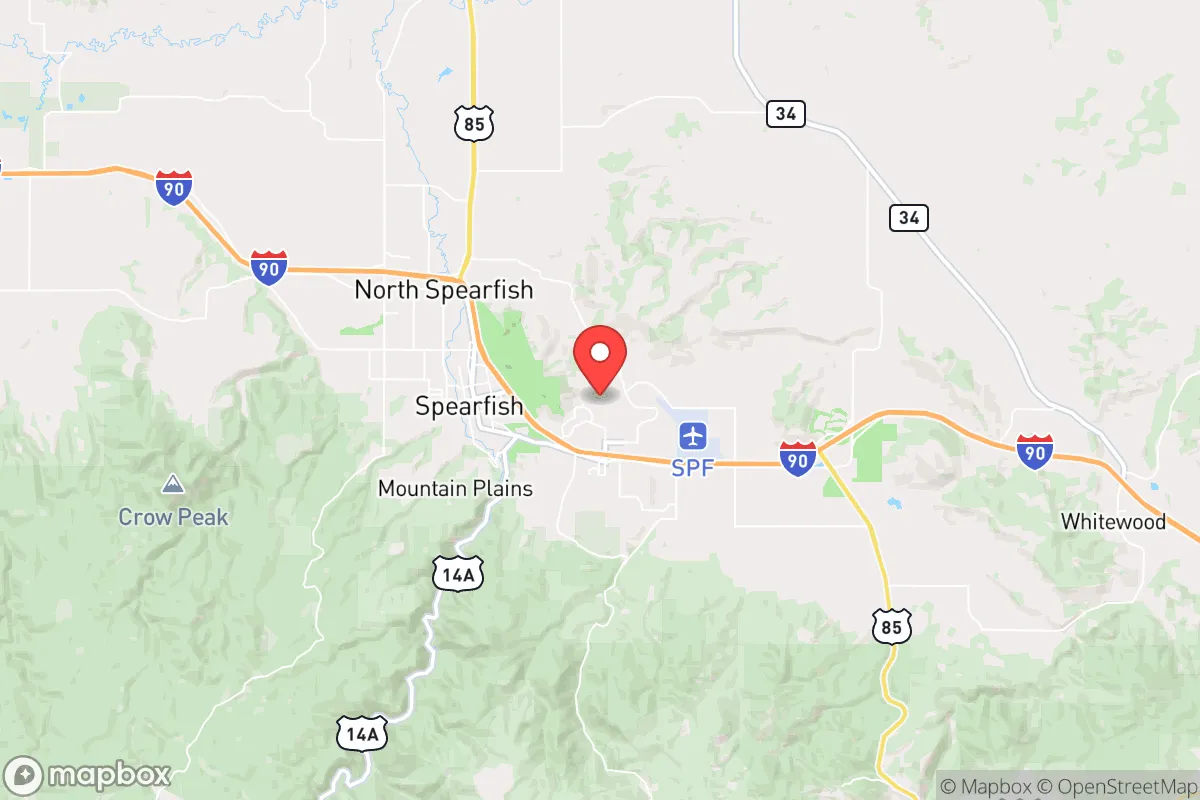
Photo: Wikipedia
Quality of Life in Spearfish, SD
Above-average quality of iife. The area offers a reasonable cost of living, decent mobility, and a mix of neighborhood amenities.
What does Quality of Life tell us?
Quality of Life blends cost of living, nearby amenities, socioeconomic signals, and neighborhood character. City-level scores represent the whole municipality; individual neighborhoods can differ.
What does this tell us?
Quality of Life blends cost of living, nearby amenities, socioeconomic signals, and neighborhood character. City-level scores represent the whole municipality; individual neighborhoods can differ.
Cost of Living
8% below national average
The Real Cost of Living in Spearfish, SD for 2026
| Tier | Individual | Family (4) |
|---|---|---|
| Survival | $15k | $28k |
| Comfortable | $60k | $88k |
| Luxury | $108k+ | $167k+ |
| Elite (Top 5%) | $144k+ | $223k+ |
68%
The Area Signal
A metric tracking the socioeconomic signals of the area.
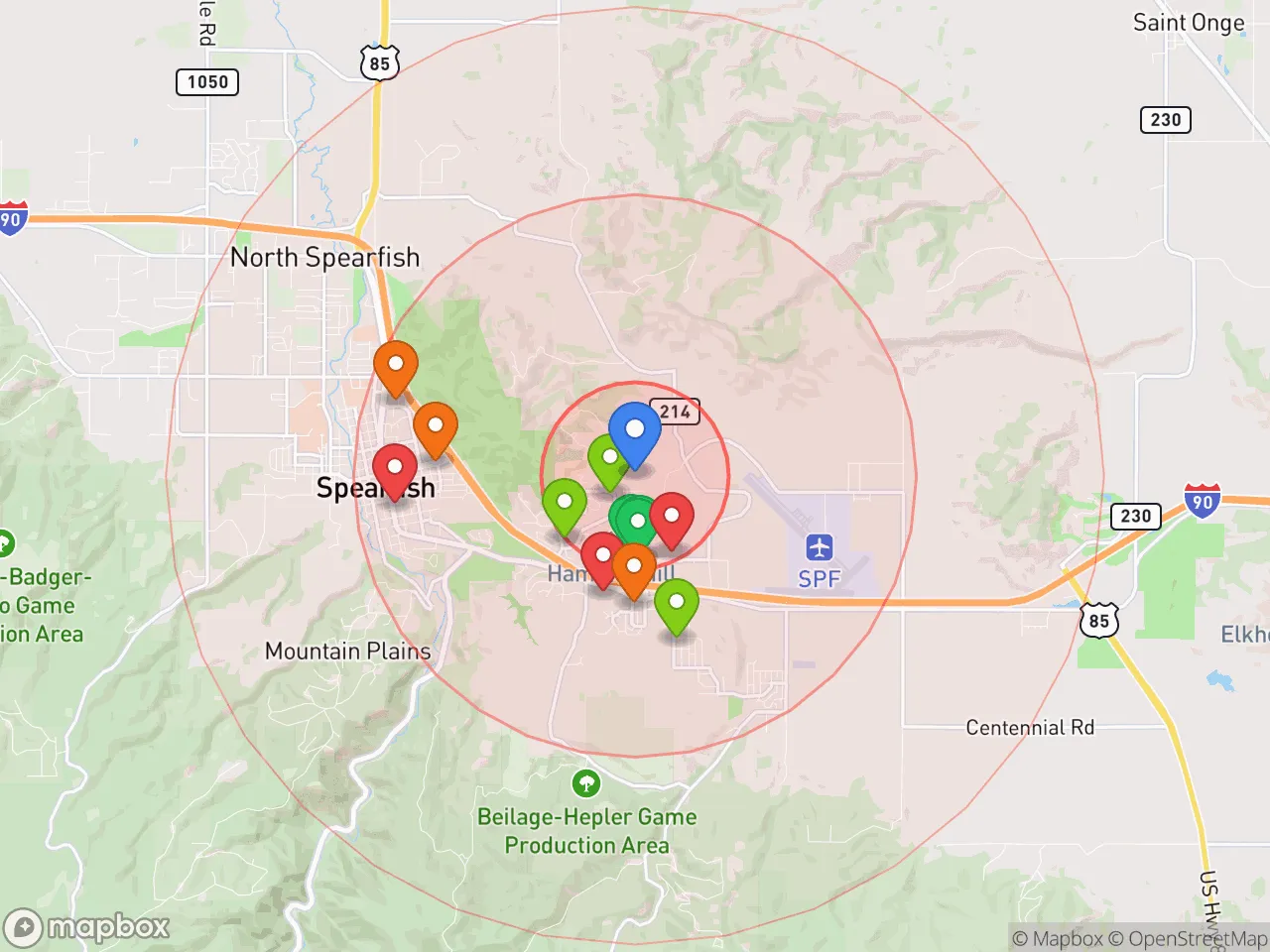
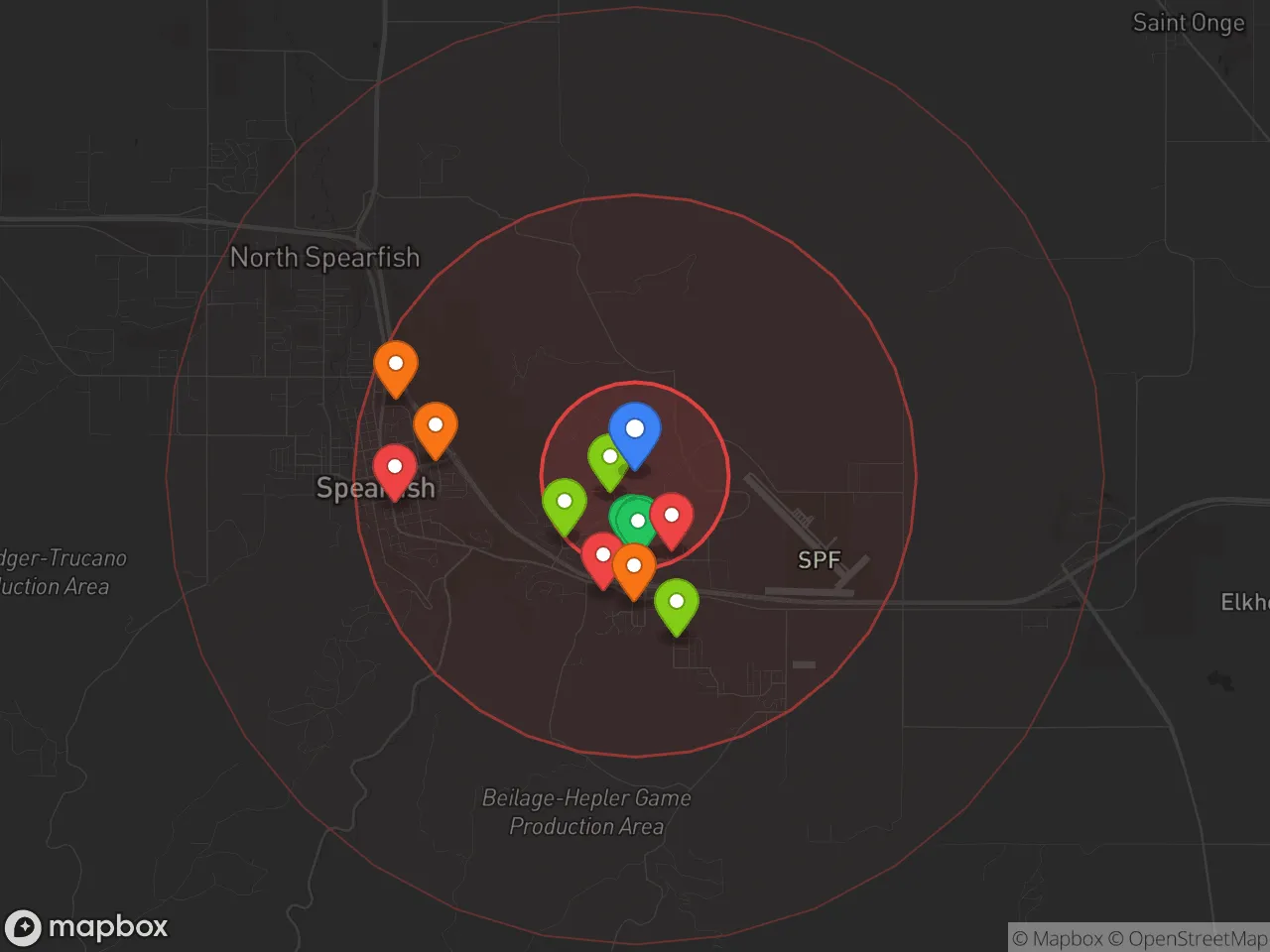
Hobbies
Explore the areaGroceries
2 within 10 miles
Gas
12 within 10 miles
Hospital
5 within 20 miles
Airport
DEN — Denver International
Post Office
USPS — Spearfish, SD
Critical Amenities
Quality-of-Life Analysis
Spearfish, South Dakota, presents a quality of life defined by relative affluence and a distinctive demographic mix, blending long-term residents with a steady influx of students and retirees drawn to Black Hills State University and the region’s natural amenities. The city’s cost of living sits at 92 on the index (100 = U.S. average), making it notably more affordable than the national norm while still reflecting the premium attached to living in the scenic northern Black Hills. The population skews educated and active, with a median age around 33, supported by a local economy anchored by education, healthcare, and tourism.
Cost of living, housing affordability, and how Spearfish compares to nearby towns
Spearfish’s cost of living index of 92 translates to real savings for most households, particularly in housing. The median home value of $309,200 is roughly 15% below the national median, while the median rent of $941 is significantly lower than the U.S. average of about $1,200. This affordability gap is most pronounced when compared to nearby resort towns like Deadwood or Lead, where housing costs can run 20–30% higher due to tourism-driven demand and limited inventory. In contrast, Spearfish offers a more balanced market with newer subdivisions and rental complexes, though prices have risen steadily since 2020, up roughly 35% from pre-pandemic levels. The average commute of 14.8 minutes is exceptionally short, reflecting the city’s compact layout and the fact that many residents work locally at the university, Spearfish Regional Hospital, or in retail and hospitality. For those commuting to Rapid City (about 45 miles south), the drive takes roughly 45 minutes, a trade-off some make for lower home prices.
Schools, amenities, and the daily rhythm of life in Spearfish
Daily life in Spearfish revolves around a walkable downtown core, the campus of Black Hills State University, and easy access to the Black Hills National Forest. The Spearfish School District (K–12) serves roughly 2,500 students and consistently ranks among South Dakota’s top districts for test scores and graduation rates, with a 95% graduation rate reported in 2024. The city’s amenity set includes the Spearfish Rec & Aquatics Center, a 40-mile network of paved trails, and the annual Spearfish Festival in the Park. The university brings a steady calendar of cultural events, lectures, and Division II athletics, which adds a layer of vibrancy uncommon in towns of similar size (population ~12,000). The rhythm is distinctly seasonal: summers are busy with tourists and outdoor recreation (hiking, fishing, the Spearfish Canyon scenic byway), while winters are quieter, with snow sports at nearby Terry Peak ski area. Healthcare is solid for a town this size, anchored by Spearfish Regional Hospital (part of Monument Health), which offers emergency care, surgery, and specialist clinics.
Spearfish is best suited for those who value a small-city atmosphere with strong outdoor access, a reasonable cost of living, and a community that balances university energy with retiree tranquility. Families with school-age children will find the district and recreation options appealing, while remote workers and early retirees can leverage the low commute times and relatively affordable housing. Those seeking urban nightlife, diverse dining, or major airport connectivity (Rapid City Regional Airport is 45 minutes away) may find Spearfish too quiet. For anyone prioritizing a safe, active, and affordable lifestyle in a striking natural setting, Spearfish delivers a quality of life that consistently ranks among the best in the Northern Plains.

Crime in Spearfish, SD
Lower crime rates than 76% of comparable U.S. locations.
Violent CrimeViolent Crime Analysis
Property CrimeProperty Crime Analysis
Crime Analysis
Spearfish, South Dakota, presents a mixed safety profile for prospective residents. While its violent crime rate of 231.9 incidents per 100,000 people is notably lower than the national average, its property crime rate of 1,946.7 per 100,000 exceeds both state and national benchmarks, making property theft and vandalism the primary public safety concern in this Black Hills community.
Crime in context
When compared to the rest of South Dakota, Spearfish's violent crime rate is roughly in line with the state average, which hovers around 240 per 100,000. However, the property crime rate is significantly elevated—South Dakota's statewide property crime rate is approximately 1,400 per 100,000, meaning Spearfish residents face a roughly 40% higher risk of property offenses. Nationally, the property crime rate sits near 1,950 per 100,000, placing Spearfish right at the U.S. average for property crime but well above the safer rural and suburban communities in the region. It is important to note that Spearfish is not a large metro area; it is a small city of roughly 12,000 residents. Unlike many larger, progressive jurisdictions where lenient sentencing policies can exacerbate crime, Spearfish operates under South Dakota's generally conservative judicial philosophy, which tends to prioritize victim rights and public safety over offender rehabilitation. This context helps explain why violent crime remains contained despite elevated property crime.
What residents experience
For daily life in Spearfish, the practical impact of these statistics is that residents are far more likely to encounter theft, burglary, or vehicle break-ins than violent confrontations. The city's police department maintains a visible presence, and community policing efforts are active, particularly around the downtown corridor and Black Hills State University campus. Property crime tends to cluster in areas with higher transient traffic, such as motel districts along Main Street and the commercial zones near Interstate 90 exits. Violent incidents are rare and typically involve individuals known to one another rather than random attacks on the public. Residents consistently report feeling safe walking downtown and using city parks, though they commonly advise securing vehicles and sheds—a practical precaution given the property crime rate.
Neighborhood-level variation in Spearfish is modest but noticeable. The newer subdivisions on the city's west side and the quieter streets near Spearfish Creek generally report fewer incidents, while older rental-heavy areas near the university and the commercial strip along Highway 14 see higher property crime volumes. Overall, Spearfish offers a safe small-town environment for families and retirees, provided they take standard precautions against opportunistic theft.
* Values derived from national, state, county, city and local statistics and may differ in a specific area. Last updated: 2026-04-30T18:33:59.000Z
Narrative content on this page is AI-generated and may contain mistakes. Verify any details that matter before acting on them.
ReloMaps may earn a commission from affiliate links at no extra cost to you.

