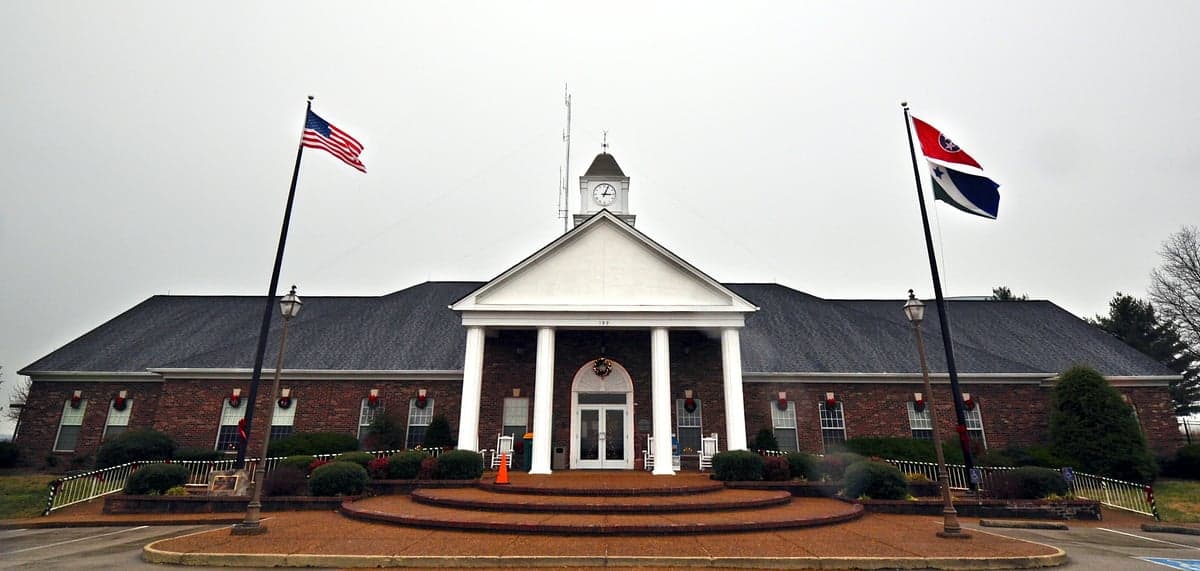
Photo: Wikipedia
Quality of Life in Spring Hill, TN
A high quality of life with strong walkability, manageable living costs, healthy neighborhood signals, and solid amenity access.
What does Quality of Life tell us?
Quality of Life blends cost of living, nearby amenities, socioeconomic signals, and neighborhood character. City-level scores represent the whole municipality; individual neighborhoods can differ.
What does this tell us?
Quality of Life blends cost of living, nearby amenities, socioeconomic signals, and neighborhood character. City-level scores represent the whole municipality; individual neighborhoods can differ.
Cost of Living
54% above national average
The Real Cost of Living in Spring Hill, TN for 2026
| Tier | Individual | Family (4) |
|---|---|---|
| Survival | $28k | $52k |
| Comfortable | $88k | $129k |
| Luxury | $149k+ | $231k+ |
| Elite (Top 5%) | $176k+ | $272k+ |
83%
The Area Signal
A metric tracking the socioeconomic signals of the area.
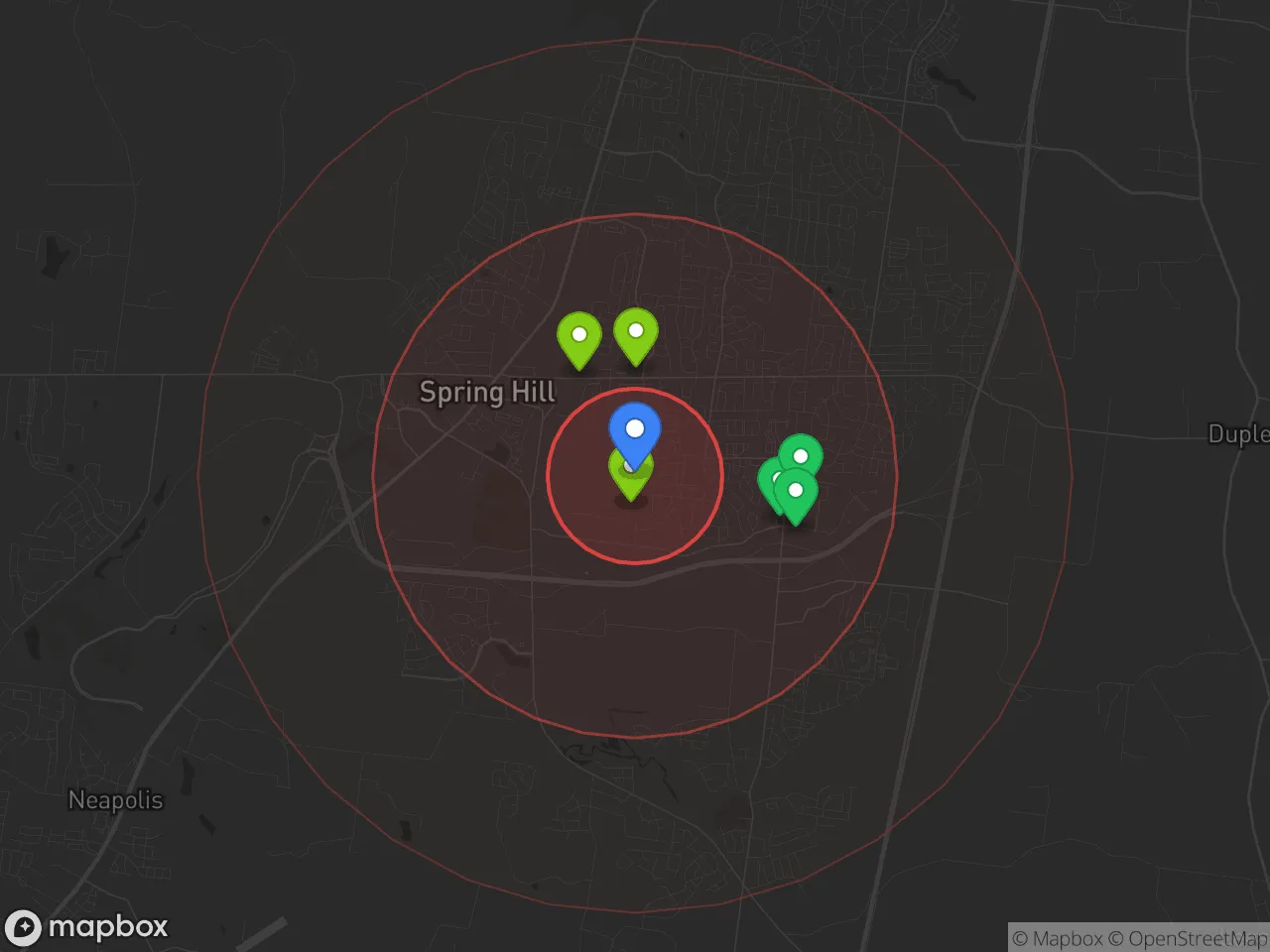
Hobbies
Explore the areaGroceries
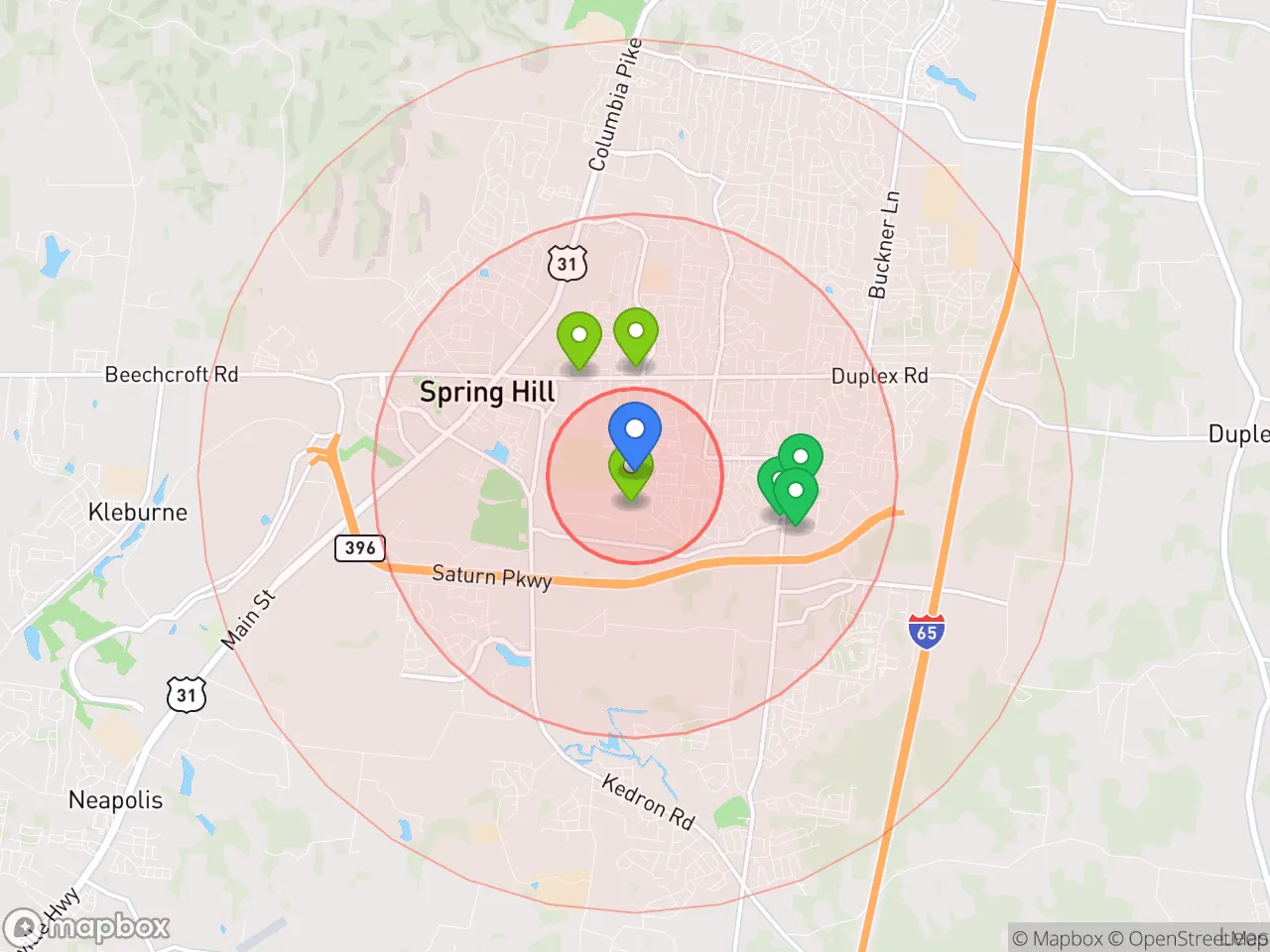
6 within 10 miles
Gas
18 within 10 miles
Hospital
4 within 20 miles
Airport
BNA — Nashville International
Post Office
USPS — Spring Hill, TN
Critical Amenities
Quality-of-Life Analysis
Spring Hill, Tennessee, is an affluent and rapidly growing suburb roughly 30 miles south of Nashville, drawing a demographic mix of young families, corporate transferees, and professionals seeking more space without sacrificing proximity to a major metro. The city’s cost of living index sits at 154 (100 = U.S. average), reflecting a premium that is still notably lower than Nashville’s core, while its median household income of approximately $100,000 supports a lifestyle centered on new subdivisions, chain retail, and strong public schools. This is a community where the daily rhythm is shaped by commutes, school drop-offs, and weekend trips to nearby parks or Franklin’s historic square.
Cost of living, housing, and affordability compared to Franklin and Nashville
Spring Hill’s cost of living is 54% above the national average, driven primarily by housing. The median home value is $452,400, and the median rent is $1,738 per month — figures that are roughly 15–20% lower than in neighboring Franklin but still 30–40% higher than in Columbia or Lewisburg to the south. For buyers, this means a typical 3-bedroom, 2-bath home in a newer subdivision (e.g., along Buckner Lane or Port Royal Road) runs between $420,000 and $500,000, while comparable properties in Franklin often exceed $600,000. Renters face a tight market: vacancy rates hover around 3%, and a 1,200-square-foot apartment in a complex like The Reserve at Spring Hill can easily command $1,800. Property taxes are relatively low — Maury County’s rate is about $2.60 per $100 of assessed value — but homeowners’ insurance premiums have risen 12–15% since 2023 due to storm risk. The average commute of 29.5 minutes is a key trade-off: many residents drive north on I-65 to jobs in Nashville (35–45 minutes) or south to General Motors’ Spring Hill Assembly plant, which employs over 3,500 workers. For those who can afford the entry price, Spring Hill offers a suburban lifestyle at a meaningful discount to Williamson County’s pricier enclaves.
What daily life is like for families: schools, shopping, and recreation
Daily life in Spring Hill revolves around its highly rated public schools, which are split between Maury and Williamson counties. The Williamson County portion (e.g., Spring Hill High School, rated 8/10 on GreatSchools) is a major draw, while Maury County schools like Summit High School have improved steadily, with graduation rates above 90%. The city’s amenity base is practical rather than boutique: big-box shopping at the Crossings of Spring Hill (Target, Walmart, Home Depot), a growing restaurant scene along Main Street (e.g., The Mockingbird, a farm-to-table spot), and regional parks like Harvey Park with its splash pad and sports fields. For outdoor recreation, residents drive 15 minutes to the 2,000-acre Henry Horton State Park for hiking, fishing, and golf, or 20 minutes to the Duck River for kayaking. The social calendar is dominated by youth sports (Spring Hill Soccer Club has over 1,200 participants), school events, and church activities — there are more than 30 congregations in the city limits. Nightlife is minimal; most entertainment options require a 25-minute drive to Franklin’s Cool Springs area or a 40-minute trip into Nashville. The trade-off is a quiet, low-crime environment: Spring Hill’s violent crime rate is roughly 60% below the national average, and property crime has declined 8% since 2022, per local police data.
Spring Hill is best suited for families and mid-career professionals who prioritize good schools, new housing, and a safe, car-dependent suburban environment over urban walkability or cultural density. Empty nesters downsizing from larger homes in Williamson County also find value here, as do GM and Nissan employees seeking a short commute to industrial jobs. Singles and young renters without children may feel the lack of nightlife and the high rent-to-income ratio (about 28% of median household income). For those who fit the demographic — and can absorb the 30-minute commute — Spring Hill delivers a stable, family-oriented quality of life with a clear cost advantage over Nashville’s inner suburbs.

Crime in Spring Hill, TN
Lower crime rates than 78% of comparable U.S. locations.
Violent CrimeViolent Crime Analysis
Property CrimeProperty Crime Analysis
Crime Analysis
Spring Hill, Tennessee, presents a notably safer profile than both state and national averages, with violent crime rates significantly below typical benchmarks. The city reports a violent crime rate of 142.8 incidents per 100,000 residents, which is roughly one-third the national average and well under Tennessee's statewide rate. Property crime in Spring Hill stands at 447.9 per 100,000, also substantially lower than comparable figures for the state and the broader United States. These numbers position Spring Hill as a relatively low-crime community within the fast-growing Nashville metropolitan area.
Crime in context
When measured against broader statistical baselines, Spring Hill's crime data is favorable. The national violent crime rate typically hovers around 380 per 100,000, while Tennessee's state average is approximately 630 per 100,000 — meaning Spring Hill's violent crime rate is less than a quarter of the state figure. Property crime nationally averages near 1,950 per 100,000, and Tennessee's rate is roughly 2,500 per 100,000, making Spring Hill's property crime rate about 18% of the state average. However, context matters: Spring Hill is part of a large metropolitan area where the influence of progressive judicial policies in nearby jurisdictions like Nashville and Davidson County can create spillover effects. Liberal district attorneys and judges in the broader metro area often prioritize diversion programs and reduced sentencing, which can lead to more offenders cycling back onto the streets and potentially impacting surrounding communities like Spring Hill. Residents should be aware that while local crime numbers are low, the regional justice environment may not prioritize public safety as strongly as conservative-leaning areas.
What residents experience
Daily life in Spring Hill reflects its statistical safety profile. The most common property crimes are vehicle break-ins and package thefts, particularly in newer subdivisions and near retail corridors like Main Street and Buckner Lane. Violent incidents are rare and typically isolated, often involving domestic disputes rather than random attacks. Neighborhood watch programs are active in many subdivisions, and the Spring Hill Police Department maintains a visible presence with community policing initiatives. Residents generally report feeling safe walking in their neighborhoods and using local parks, though standard precautions like locking vehicles and securing homes remain advisable. The city's rapid growth — population has more than doubled since 2010 — has not yet translated into a corresponding crime spike, though some long-term residents note increased traffic and opportunistic theft as development continues.
Neighborhood-level variation in Spring Hill is modest but worth noting. Older sections near the historic downtown core and areas along Highway 31 tend to have slightly higher property crime rates, while newer master-planned communities on the city's periphery — such as those near Port Royal Road and Kedron Road — report fewer incidents. The southern portion of Spring Hill, closer to the Maury County line, generally sees lower crime than areas adjacent to the Williamson County border. Gated communities and subdivisions with active homeowners associations often report the lowest crime rates, while rental-heavy areas near apartment complexes may experience more frequent minor property offenses. Overall, Spring Hill's crime landscape is one of low risk with manageable, localized concerns.
* Values derived from national, state, county, city and local statistics and may differ in a specific area. Last updated: 2026-05-01T08:11:38.000Z
Narrative content on this page is AI-generated and may contain mistakes. Verify any details that matter before acting on them.
ReloMaps may earn a commission from affiliate links at no extra cost to you.

