Photo: Wikipedia
Personal Sovereignty in Springfield, MA
Viable for self-reliance. Generally workable, though some barriers may limit total independence.
What does Personal Sovereignty tell us?
Personal Sovereignty measures your capacity for self-reliance and independence with minimal government friction. Higher scores mean fewer barriers between you and the way you want to live... but it assumes you have the space you need and good neighbors.
What does this tell us?
Personal Sovereignty measures your capacity for self-reliance and independence with minimal government friction. Higher scores mean fewer barriers between you and the way you want to live... but it assumes you have the space you need and good neighbors.
State Policy
Energy independence: Importer (5% of energy produced in-state)
Personal Liberty
Homesteading

Personal Liberty Analysis
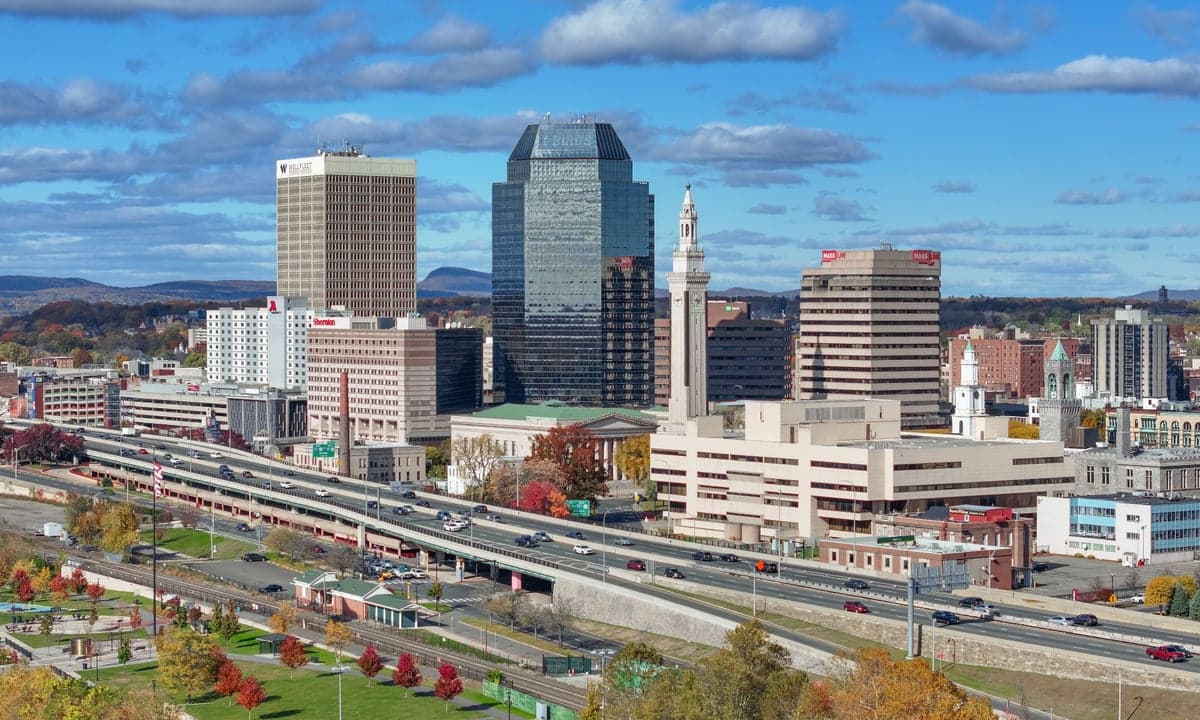
Springfield, Massachusetts, sits in a state where personal sovereignty is heavily circumscribed by one of the densest regulatory environments in the nation, making it a challenging location for those prioritizing autonomy, self-reliance, and minimal government overreach. For a conservative-leaning individual or parent evaluating relocation, the city offers a lower cost of entry than much of New England, but that bargain comes with significant trade-offs in terms of legal latitude, tax burden, and the ability to live without constant state interference. The overarching reality is that Massachusetts exercises broad authority over daily life, from healthcare mandates to property use, and Springfield is not exempt from these constraints. This analysis examines the specific dimensions of personal sovereignty in Springfield, focusing on the practical implications for those who value independence and preparedness.
Tax burden and regulatory posture: what it costs to live under state control
Massachusetts imposes a flat state income tax of 5.0% on all earned income, with an additional 4% surtax on income over $1 million, creating a significant drag on earnings that cannot be avoided through local residency choices. Property taxes in Springfield are moderate for the state, with an effective rate around 1.7% of assessed value, but the state’s overall tax burden ranks among the top five in the nation when factoring in sales tax (6.25%) and excise taxes on vehicles and fuel. The regulatory posture is equally aggressive: Massachusetts has some of the strictest building codes, environmental regulations, and business licensing requirements in the country, which directly impact a prepper’s ability to modify property without permits. For example, any structural addition, even a small shed or chicken coop, typically requires municipal approval, and off-grid systems like solar panels with battery storage must comply with state net-metering rules that limit self-sufficiency. The state also mandates health insurance coverage under penalty of tax penalty, effectively forcing residents to participate in a system many conservatives view as overreach. For a survivalist mindset, this means every dollar earned and every improvement made is subject to state oversight and taxation, reducing the margin for independent action.
Self-defense and gun law specifics: navigating the strictest regime in the Northeast
Massachusetts has some of the most restrictive gun laws in the United States, and Springfield residents must navigate a system that prioritizes state control over individual rights. The state requires a License to Carry (LTC) for any handgun possession, which is issued at the local level by the Springfield Police Department, and the process involves a background check, fingerprinting, a firearms safety course, and a subjective "suitability" review that gives officials broad discretion to deny permits. The state bans "assault weapons" by name and feature, including many common semi-automatic rifles, and limits magazine capacity to 10 rounds, severely restricting the types of firearms a prepper might consider for defense or stockpiling. Open carry is effectively illegal without an LTC, and even then, it is rarely practiced due to local ordinances and police attitudes. The state also has a "red flag" law (ERPO) that allows family members or law enforcement to petition a court to temporarily remove firearms based on vague claims of risk, without a criminal conviction or due process hearing. For parents, this creates a chilling effect: any dispute with a neighbor or ex-spouse could trigger a firearm seizure, leaving a household defenseless. Self-defense in the home is legally protected under the "castle doctrine," but there is no "stand your ground" law, imposing a duty to retreat if safely possible outside the home. For those prioritizing the right to keep and bear arms as a cornerstone of sovereignty, Springfield represents a jurisdiction where that right is heavily qualified and subject to bureaucratic whim.
Self-reliance and homesteading viability: lot sizes, zoning, and off-grid feasibility
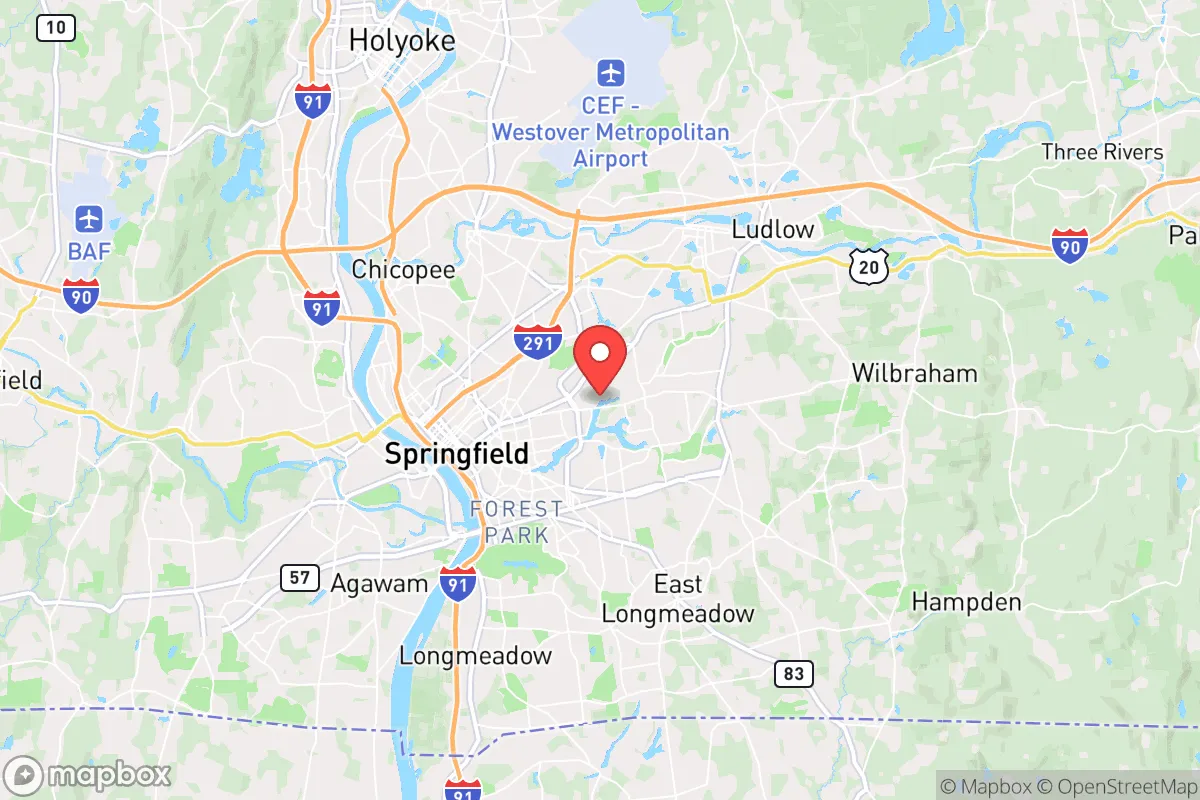
Springfield is a dense, urbanized city with a median lot size of roughly 0.1 to 0.2 acres in most residential neighborhoods, making traditional homesteading—gardening, livestock, or significant food production—largely impractical. Zoning ordinances in Springfield restrict the keeping of chickens, goats, or other livestock to specific agricultural zones, and even backyard vegetable gardens may be subject to setback rules and nuisance complaints from neighbors. The city’s building code requires connection to municipal water and sewer systems in most areas, effectively banning off-grid water collection or septic systems without expensive variances. Solar panels are permitted but must comply with state interconnection standards, and battery storage for true energy independence is often limited by fire codes that require professional installation and inspection. The soil in the Connecticut River Valley is fertile, but lead contamination from historic industrial activity is a concern in many older lots, requiring soil testing before any serious gardening. For a prepper seeking a rural buffer, Springfield’s urban density means that any attempt at self-reliance will be constrained by proximity to neighbors and municipal oversight. The surrounding towns in Hampden County, such as Wilbraham or Longmeadow, offer larger lots (0.5 to 2 acres) but come with higher property taxes and stricter zoning, while rural areas like western Massachusetts (Berkshire County) provide more land but require a longer commute and face similar state-level restrictions on off-grid living. In practice, true homesteading within Springfield city limits is nearly impossible, and even suburban options require navigating a thicket of permits and regulations.
Personal liberties: parental rights, medical autonomy, speech, and property
Massachusetts has a strong record of state intervention in areas conservatives consider private, particularly in parental rights and medical autonomy. The state mandates comprehensive sex education in public schools, including LGBTQ+ inclusive content, and parents cannot opt their children out of specific lessons—only the entire curriculum, which is rarely practical. Vaccine mandates for school attendance are strictly enforced, with no philosophical or religious exemptions for routine childhood immunizations, and during the COVID-19 pandemic, the state imposed some of the longest-lasting school mask mandates and business restrictions in the nation. Medical autonomy is further limited by the state’s single-payer-like health system, which requires all residents to carry insurance and imposes price controls on certain procedures, reducing the ability to pay cash for alternative treatments. Free speech is protected under the First Amendment, but Massachusetts has a "hate speech" statute that can be used to prosecute speech deemed threatening or harassing, and local ordinances in Springfield restrict public demonstrations with permit requirements. Property rights are constrained by the state’s strong eminent domain powers and environmental regulations, such as the Wetlands Protection Act, which can restrict development or even landscaping near waterways. For parents, the public school system in Springfield is underperforming (graduation rate around 70%), leading many to consider private or homeschool options, but the state imposes strict curriculum and testing requirements on homeschoolers, including annual progress reports and approval by the local school district. The cumulative effect is a legal environment where personal decisions—from healthcare to education to speech—are subject to state approval, eroding the buffer between the individual and the government that many conservatives seek.
Overall, Springfield offers a relatively low cost of living for Massachusetts, but the price of entry is a surrender of significant personal sovereignty to a state government that actively regulates nearly every aspect of daily life. For a survivalist or prepper, the combination of restrictive gun laws, high taxes, limited homesteading potential, and aggressive state intervention in family and medical matters makes this a location better suited for those who can work within the system rather than against it. Compared to states like New Hampshire or Texas, where personal liberties are more robust and regulatory burdens lighter, Springfield represents a trade-off: urban convenience and access to New England’s resources at the cost of constant oversight and reduced autonomy. For those willing to navigate the bureaucracy)Skip the city and focus on rural towns in western Massachusetts or neighboring Vermont, where land is cheaper and regulations are slightly looser, but even then, the state’s overarching legal framework remains a constraint. In short, Springfield is not a stronghold for personal sovereignty, and relocation here should be considered only if the individual is prepared to accept a high degree of government involvement in their life.

* Values derived from national, state, county, city and local statistics and may differ in a specific area. Last updated: 2026-05-01T21:25:33.000Z
Narrative content on this page is AI-generated and may contain mistakes. Verify any details that matter before acting on them.
ReloMaps may earn a commission from affiliate links at no extra cost to you.

