Photo: Wikipedia
Find The Best Places To Live
in Springfield
PRO TIP! You can paste a Zillow or Redfin link to get info on that property.
What It's Like Living in Springfield, MA
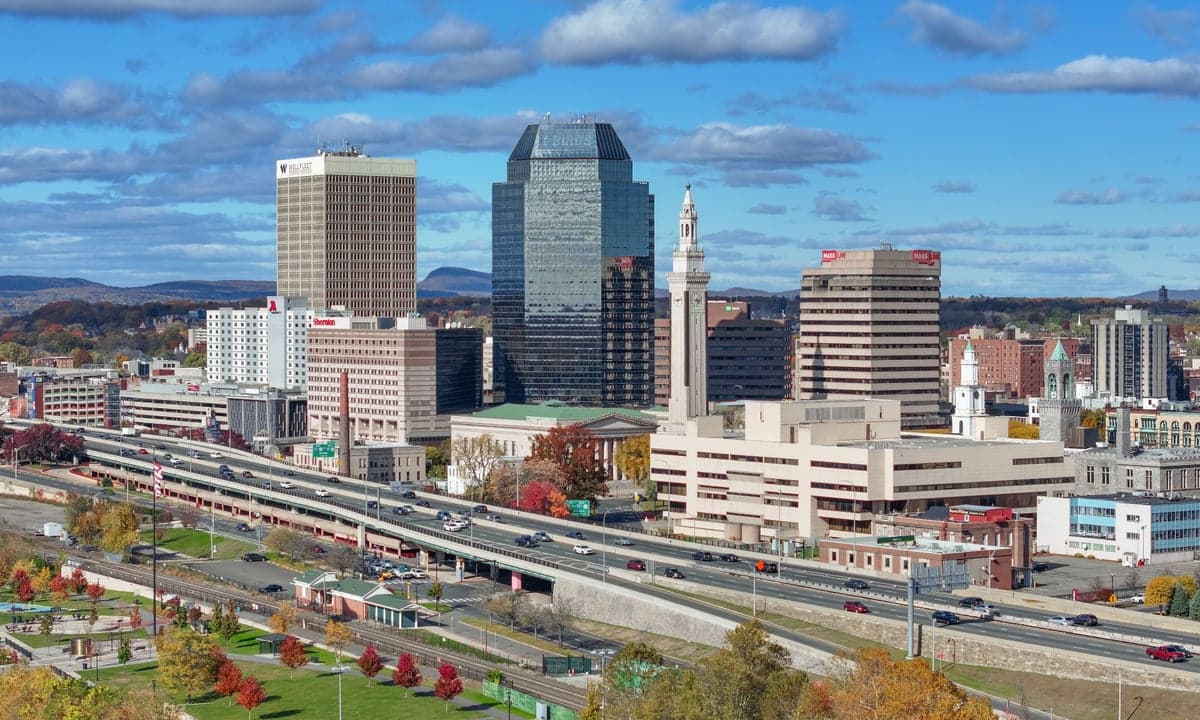
Springfield, Massachusetts, feels like a city that’s been through a few rounds and come out tougher for it. It’s not a polished, postcard New England town; it’s a gritty, blue-collar place with a deep history and a surprising amount of heart. Living here means you’re in a city that’s affordable enough to give you breathing room, but you’ll also have to deal with some real urban challenges that keep it from being an easy sell.
The Daily Rhythm: A City of Short Commutes and Long Roots
Most people in Springfield don’t spend their lives in traffic. The average commute is just under 21 minutes, which means you can actually get home in time to cook dinner or hit a local spot without it being an ordeal. The city’s layout is compact, so you’ll find yourself running into the same faces at the Big Y grocery store or the Dunkin’ on Main Street. Weekends often revolve around the Springfield Museums—a complex of five museums on one campus—or a trip to Forest Park, which has a zoo, ponds, and miles of walking trails that feel like a real escape. The median age here is 33.7, so you’re not in a retirement community, but you’re also not in a college town. It’s a place where people are raising families, working trades, or holding down city jobs, and the pace reflects that: steady, not frantic.
Sports, Community, and the Local Identity
Sports are a big deal here, but not in the way you might think. You won’t find a major pro franchise in Springfield, but you will find the Springfield Thunderbirds, the AHL affiliate of the St. Louis Blues, and their games at the MassMutual Center are a genuine community event—loud, affordable, and full of families. High school football is taken seriously, especially at schools like Central High and Springfield Central, where Friday night games draw real crowds. The city also claims the Basketball Hall of Fame, which isn’t just a tourist stop; it’s a point of pride. Locals will tell you that Dr. James Naismith invented the game here, and that fact gets dropped into conversation more than you’d expect. The identity is working-class, proud, and a little defensive—people here know the city gets a bad rap, and they’ll go out of their way to show you the good parts.
What’s There to Do: Festivals, Food, and the Outdoors
Entertainment here is more about local flavor than flashy attractions. The Big E, held every September in nearby West Springfield, is the biggest event of the year—a massive state fair with concerts, fried dough, and a midway that draws people from all over New England. In the city itself, the Springfield Jazz & Roots Festival brings live music to Stearns Square, and the Mattoon Street Arts Festival is a low-key, family-friendly summer staple. For food, you’ll want to hit Red Rose Pizzeria for a classic Greek-style pie, or White Hut for a griddled hot dog that’s been a local institution since the 1930s. The bars are mostly neighborhood joints—places like Nathan Bill’s or Theodore’s, where the beer is cold and the conversation is local. Outdoorsy types head to the Connecticut River Walk and Bikeway, a 4.5-mile paved path that runs along the river, or drive 20 minutes to the Mount Tom State Reservation for hiking with views of the Pioneer Valley.
Pros and Cons of Living Here: The Honest Trade-Offs
The biggest draw is the cost of living. With a median home value of $222,700 and a cost of living index of 89 (11% below the national average), you can actually buy a house here on a median income of $51,339. That’s a rare deal in Massachusetts, where most of the state is prohibitively expensive. The trade-off is that the city has a violent crime rate of 807 per 100,000, which is well above the national average. Longtime residents will tell you that the crime is concentrated in certain neighborhoods, and that most people never see it, but it’s a real concern that comes up in every conversation about the city. The public schools are a mixed bag—some are solid, others struggle—so parents often look at charter or private options, or consider moving to the suburbs like Longmeadow or East Longmeadow once kids hit school age. The weather is classic New England: winters are cold and snowy, summers are humid, and spring is a muddy, unpredictable mess. But the fall foliage is genuinely stunning, and the city’s location puts you an hour from Boston, two from New York, and right in the middle of the Berkshires for weekend trips. Only 19.7% of adults hold a college degree, which reflects the blue-collar nature of the workforce—this is not a city of tech startups or white-collar professionals. It’s a place for people who want a lower cost of living, don’t mind a bit of grit, and value community over polish. If that sounds like you, Springfield might just fit.

Similar small cities to Springfield
* Values derived from national, state, county, city and local statistics and may differ in a specific area. Last updated: 2026-05-01T21:25:33.000Z
Narrative content on this page is AI-generated and may contain mistakes. Verify any details that matter before acting on them.
ReloMaps may earn a commission from affiliate links at no extra cost to you.

