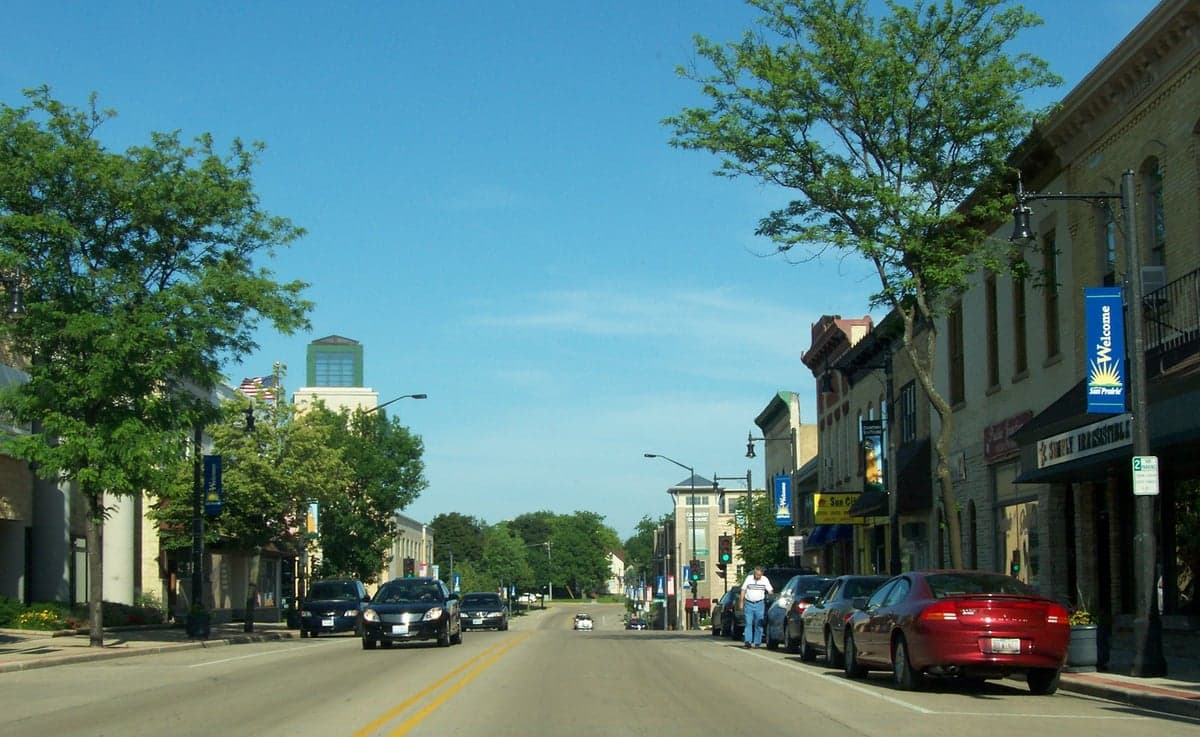
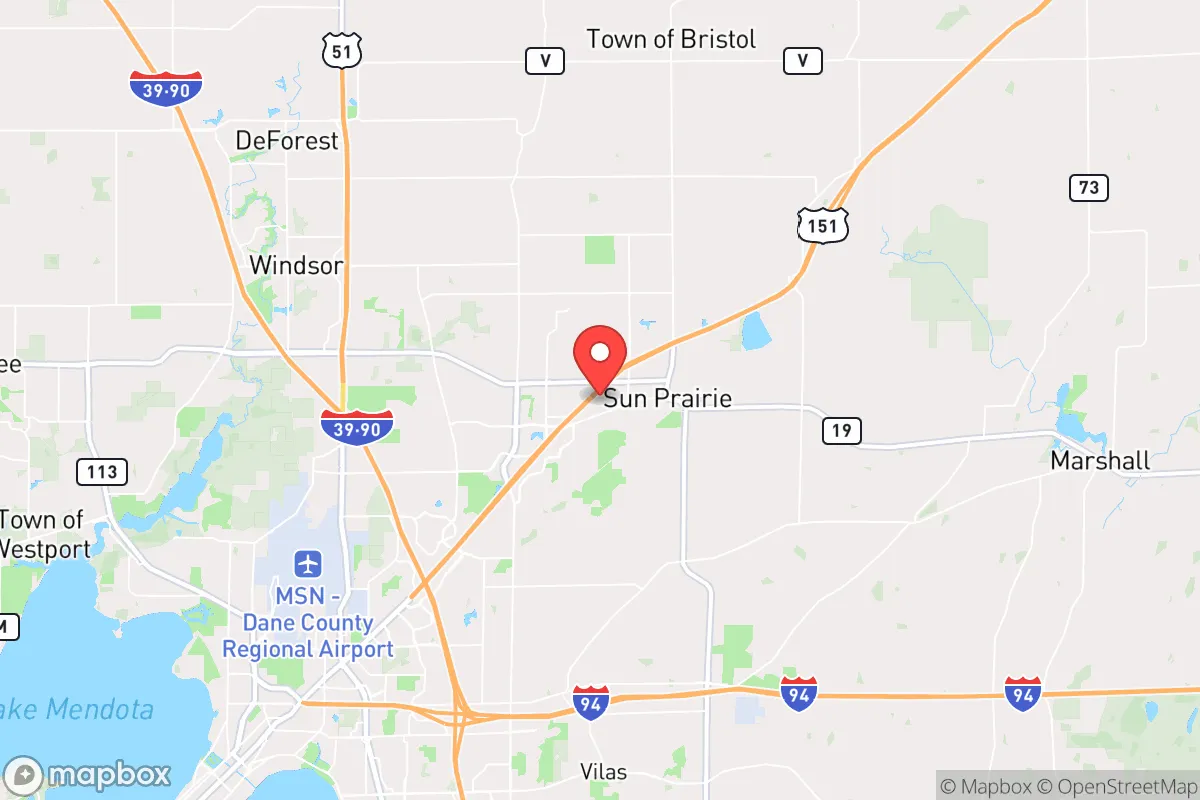
Photo: Wikipedia
Quality of Life in Sun Prairie, WI
A high quality of life with strong walkability, manageable living costs, healthy neighborhood signals, and solid amenity access.
What does Quality of Life tell us?
Quality of Life blends cost of living, nearby amenities, socioeconomic signals, and neighborhood character. City-level scores represent the whole municipality; individual neighborhoods can differ.
What does this tell us?
Quality of Life blends cost of living, nearby amenities, socioeconomic signals, and neighborhood character. City-level scores represent the whole municipality; individual neighborhoods can differ.
Cost of Living
19% above national average
The Real Cost of Living in Sun Prairie, WI for 2026
| Tier | Individual | Family (4) |
|---|---|---|
| Survival | $22k | $41k |
| Comfortable | $66k | $97k |
| Luxury | $127k+ | $197k+ |
| Elite (Top 5%) | $150k+ | $232k+ |
93%
The Area Signal
A metric tracking the socioeconomic signals of the area.
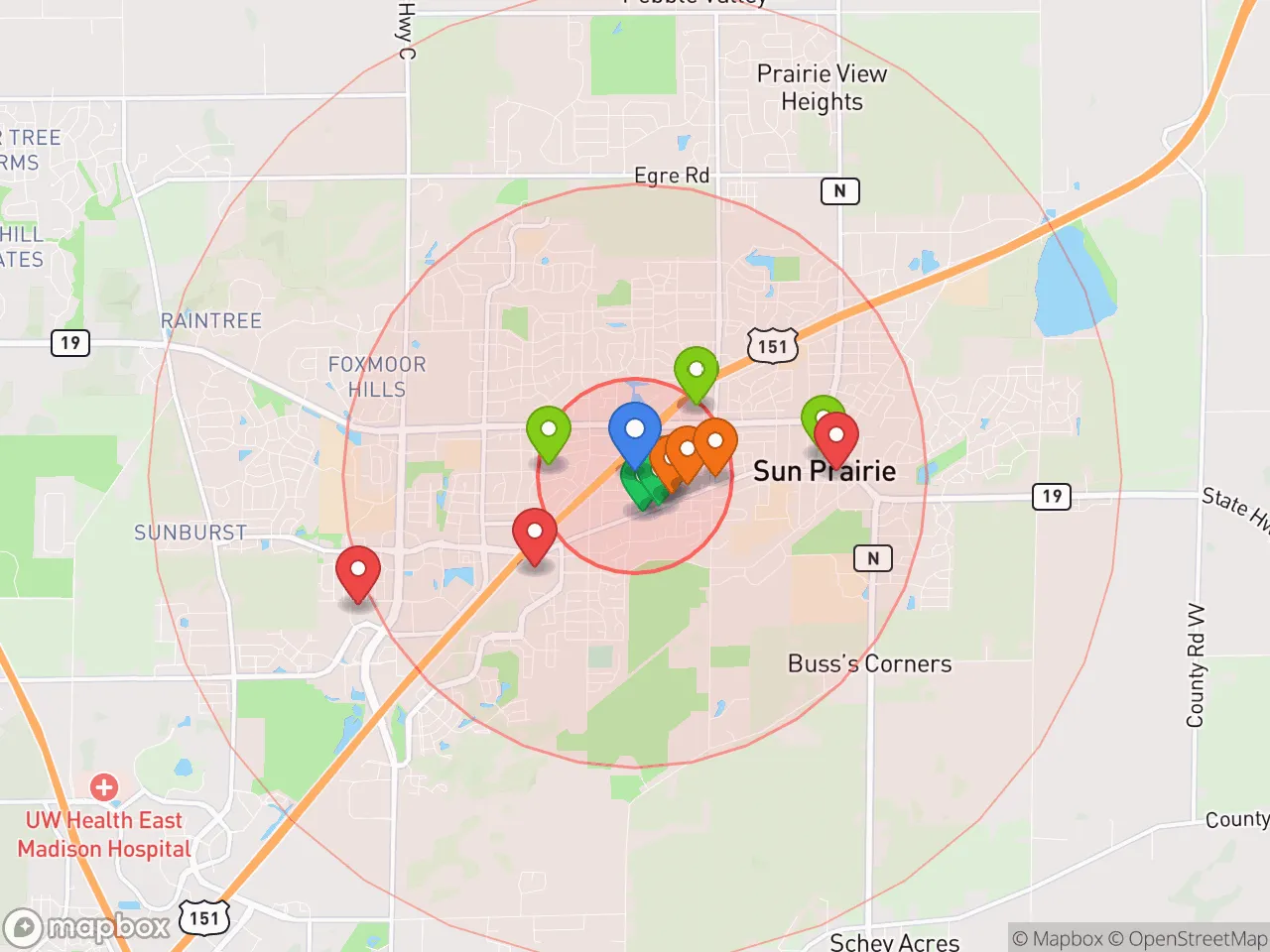
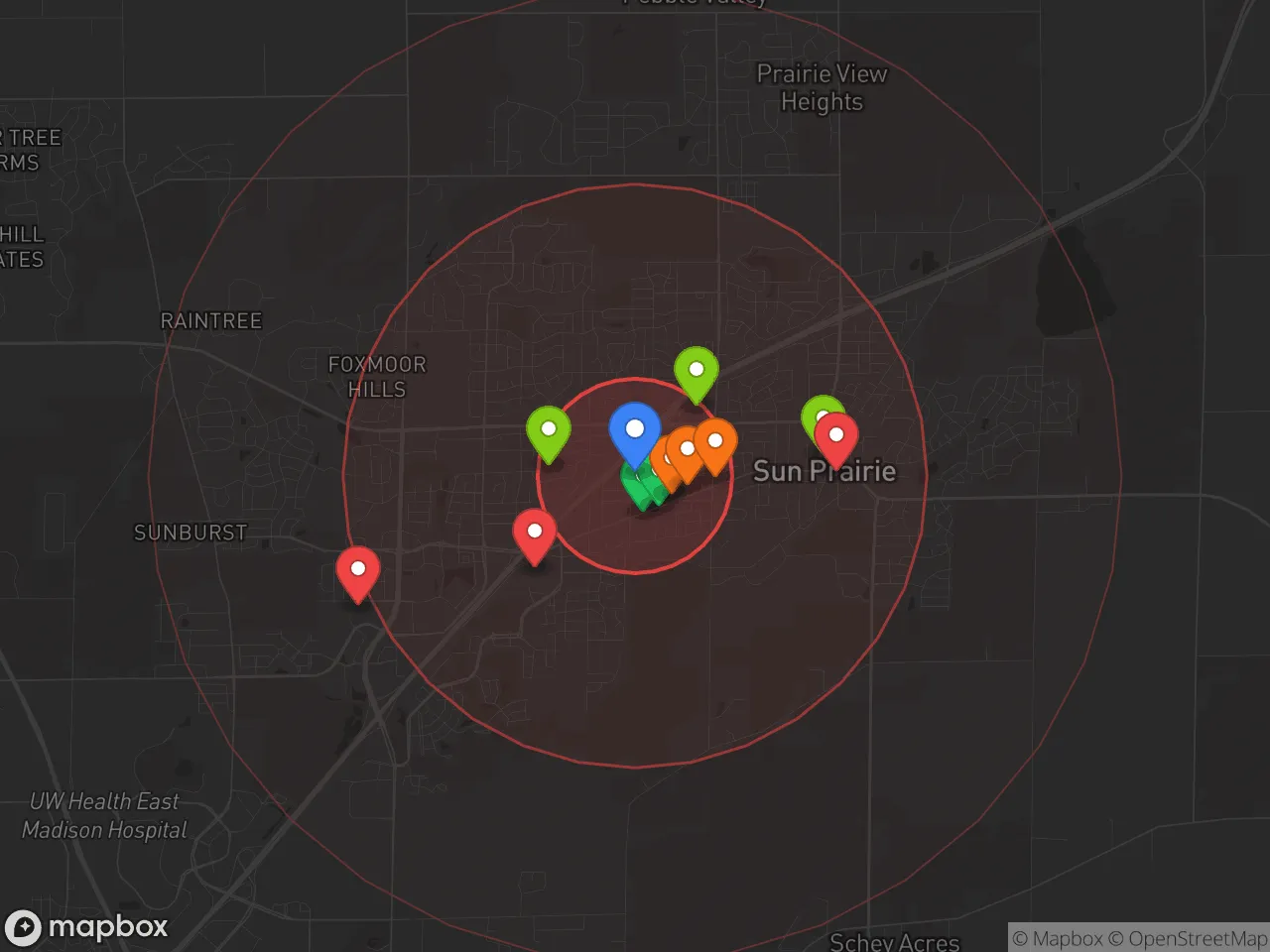
Hobbies
Explore the areaGroceries
6 within 10 miles
Gas
20 within 10 miles
Hospital
10 within 20 miles
Airport
ORD — O'Hare International
Post Office
USPS — Sun Prairie, WI
Critical Amenities
Quality-of-Life Analysis
Sun Prairie, Wisconsin, is an affluent and rapidly growing suburb of Madison, attracting a mix of young professionals, established families, and long-term residents who value strong schools, low crime, and a high standard of living. With a cost of living index of 119 (19% above the U.S. average), the city offers a premium suburban experience that balances small-town charm with easy access to a major metropolitan job market. The typical resident is a homeowner in a single-family house, commuting to Madison or working locally in healthcare, education, or retail.
Cost of living, housing, and affordability compared to Madison
Sun Prairie’s cost of living is notably higher than the national average but remains competitive within Dane County. The median home value sits at $339,800, which is roughly 10-15% below the Madison city median but significantly above the Wisconsin state median of around $280,000. Renters face a median monthly rent of $1,374, which is about $100 less than comparable units in downtown Madison. While housing is the primary driver of the elevated COL index, utilities and groceries are near the national average. The average commute time of 22.6 minutes is shorter than the national average of 26 minutes, reflecting the city’s proximity to major employers like Epic Systems, UW Health, and the state capitol. For buyers, the trade-off is clear: pay a premium for a newer, larger home and a 20-minute drive to Madison’s core, versus paying more per square foot inside the city limits.
Schools, parks, and what daily life is like for families
Daily life in Sun Prairie revolves around its highly rated public school system, the Sun Prairie Area School District, which consistently ranks among the top 10% in Wisconsin for academic performance and college readiness. The district operates 10 elementary schools, two middle schools, and one high school, with the newer Prairie Phoenix Academy offering alternative pathways. Outside the classroom, the city maintains over 30 parks, including the sprawling Angels Park (with a splash pad and sports complex) and the Sun Prairie Community Center, which hosts year-round recreation leagues and senior programs. The downtown area, anchored by the historic Sun Prairie Public Library and the Sun Prairie Farmers Market (May–October), provides a walkable hub for coffee shops, local eateries, and seasonal events like the Sweet Corn Festival. For families, the rhythm is suburban and car-dependent for most errands, but the city’s extensive trail network—connecting to the Glacial Drumlin State Trail—offers bike-friendly routes to parks and schools.
Sun Prairie is best suited for families and professionals who prioritize excellent public schools, low crime rates, and a strong sense of community over urban nightlife or ultra-walkable neighborhoods. Empty nesters and retirees also find appeal in the city’s active adult programming and newer senior housing developments. Those who thrive here are willing to accept a higher cost of living in exchange for a safe, well-maintained environment with short commutes to Madison’s employment centers. Singles or young renters seeking a vibrant nightlife scene may prefer Madison’s Isthmus neighborhoods, but for anyone looking to raise children or settle into a stable, amenity-rich suburb, Sun Prairie delivers a consistently high quality of life.

Crime in Sun Prairie, WI
Lower crime rates than 78% of comparable U.S. locations.
Violent CrimeViolent Crime Analysis
Property CrimeProperty Crime Analysis
Crime Analysis
Sun Prairie, Wisconsin, presents a mixed safety profile that demands careful consideration from potential residents. While the city's violent crime rate of 112.2 incidents per 100,000 residents is notably lower than the national average, its property crime rate of 969.9 per 100,000 sits above the state median, indicating a tangible risk for theft and burglary. As a fast-growing suburb of Madison, Sun Prairie benefits from proximity to a major metro area but also inherits the broader criminal justice trends of Dane County, where progressive prosecutorial policies have raised concerns about recidivism and public safety.
Crime in context
Sun Prairie's violent crime rate is roughly one-third the national average, placing it among safer communities for serious offenses like assault and robbery. However, the property crime rate exceeds the Wisconsin state average by approximately 15%, driven largely by vehicle break-ins, package theft, and residential burglaries. When compared to similarly sized Wisconsin suburbs like Waukesha or Brookfield, Sun Prairie's property crime figures are elevated, a pattern often linked to its proximity to Madison's urban core and the associated flow of transient offenders. Dane County's elected district attorney has pursued alternatives to incarceration for non-violent property crimes, a policy that critics argue reduces deterrence and contributes to repeat offenses in outlying communities like Sun Prairie.
What residents experience
Daily life in Sun Prairie involves a tangible awareness of property crime. Residents commonly report incidents of unlocked car entries and stolen packages from porches, particularly in neighborhoods near the Highway 151 corridor and newer subdivisions. Violent crime is rare and typically confined to isolated domestic incidents or disputes, rarely affecting the general public. The Sun Prairie Police Department maintains a visible presence and has implemented community policing initiatives, but the department's resources are stretched by the city's rapid population growth—from roughly 30,000 in 2010 to over 40,000 today. Residents should also note that Dane County's justice system, influenced by progressive sentencing guidelines, has a higher rate of deferred prosecution agreements, which can result in offenders remaining in the community rather than facing incarceration.
Neighborhood-level variation
Safety conditions vary noticeably across Sun Prairie's neighborhoods. The older, established areas west of Main Street and near Angell Park generally report lower crime rates, benefiting from tighter-knit community watch networks and less transient traffic. In contrast, the newer developments along the eastern edge—such as the areas around Bristol Street and the Prairie Lakes neighborhood—see higher volumes of property crime, likely due to construction-site theft and easier highway access for fleeing offenders. The downtown core and areas near the Sun Prairie High School campus experience moderate crime, primarily petty theft and vandalism. Prospective renters should scrutinize apartment complexes near the Interstate 94 interchange, as these locations report the highest concentration of vehicle-related thefts. Overall, while Sun Prairie is not a high-crime city, the combination of rapid growth and Dane County's lenient criminal justice policies creates a safety environment that requires active vigilance, particularly regarding property protection.
* Values derived from national, state, county, city and local statistics and may differ in a specific area. Last updated: 2026-04-21T10:26:24.000Z
Narrative content on this page is AI-generated and may contain mistakes. Verify any details that matter before acting on them.
ReloMaps may earn a commission from affiliate links at no extra cost to you.

