Photo: Wikipedia
Demographics of Telluride, CO
Affluence Level in Telluride, CO
An upper-middle-class area. Household wealth, education levels, and homeownership run ahead of national benchmarks.
People of Telluride, CO
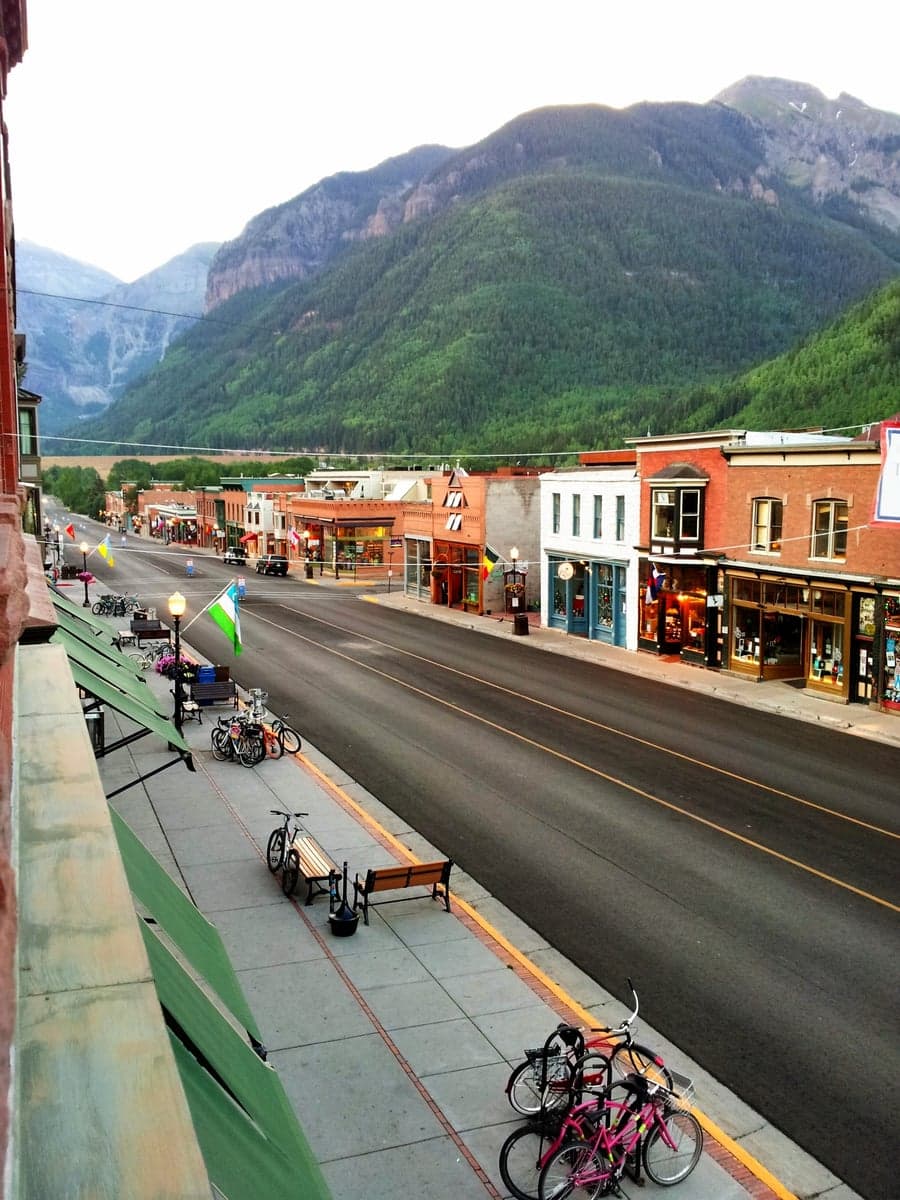
Today, Telluride, Colorado is a small, affluent mountain town of 2,595 residents, overwhelmingly white (95.1%) and highly educated (85.9% hold a college degree). The population is characterized by a blend of wealthy second-home owners, seasonal workers in the ski and tourism industries, and a small core of year-round locals. Its distinctive identity is shaped by a preserved Victorian-era mining town core, a world-class ski resort, and a pronounced cultural divide between the ultra-wealthy and the service workforce who often commute from lower-cost towns like Montrose or Ridgway.
How the city was settled and grew
Telluride’s population history begins with the Ute people, who used the San Juan Mountains for summer hunting grounds before being displaced by mining claims in the 1870s. The town was officially founded in 1878 after rich silver and gold deposits were discovered. The first major population wave was a mix of Anglo-American prospectors, Irish and Cornish miners, and a smaller number of Chinese laborers who built railroad sections. These early residents settled in the Historic District along Colorado Avenue and in the dense, steeply sloping neighborhoods of Pandora (the original mill town just east of Telluride) and the San Juan Avenue corridor. By the 1890s, the town boasted over 5,000 residents, but the silver crash of 1893 triggered a steep decline. The population bottomed out at around 600 by the 1950s, with the remaining residents largely descendants of the original mining families, living in the aging West End neighborhood near the hospital.
Modern era (post-1965)
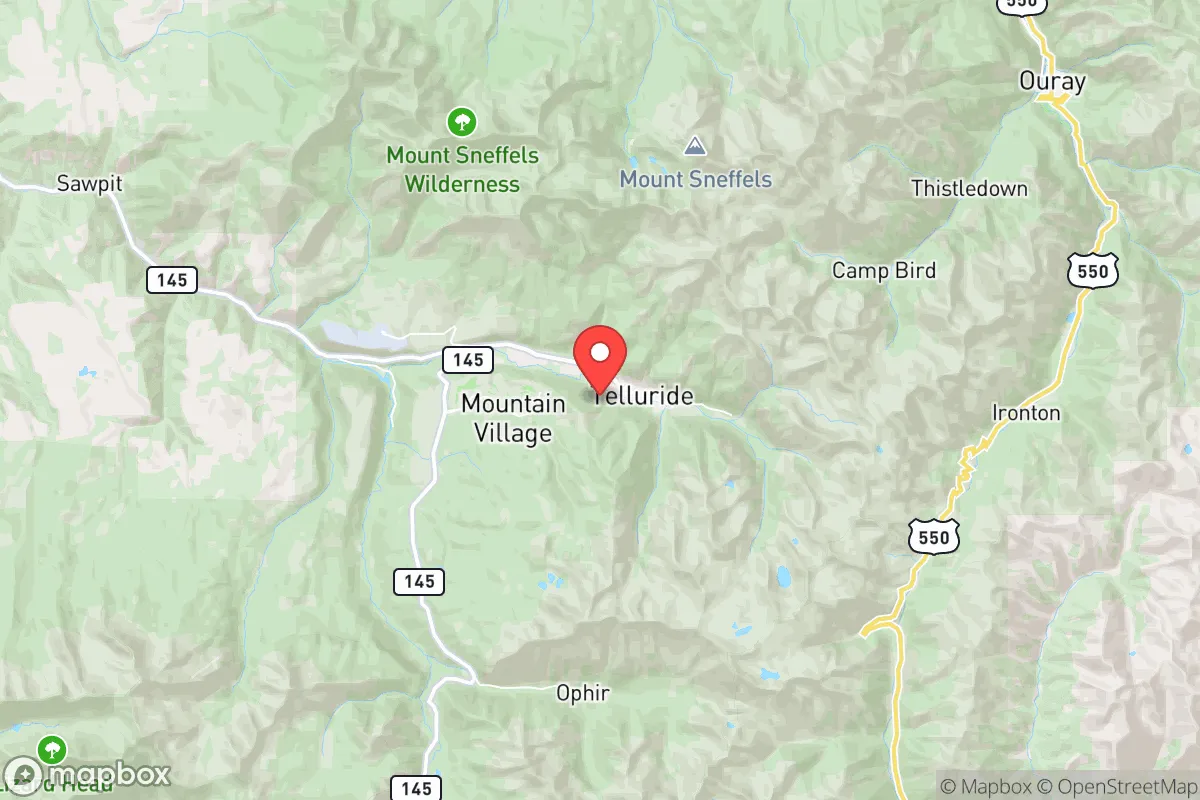
The modern transformation of Telluride’s population began in the early 1970s with the development of the Telluride Ski Resort. This drew a wave of counterculture ski bums, entrepreneurs, and eventually wealthy second-home buyers from California, Texas, and the East Coast. The 1980s and 1990s saw rapid gentrification as historic mining cabins were renovated into multi-million-dollar homes. The Mountain Village (a separate town built on the ski mountain) was developed in the late 1980s as a planned, upscale enclave for the wealthiest newcomers, creating a distinct demographic split from the older, more bohemian Historic District. The foreign-born population today is tiny (1.1%), and the Hispanic share (3.6%) is far lower than in neighboring towns like Montrose or Durango, reflecting the high cost of housing that has pushed most service workers out of town limits. The Black, Asian, and Indian subcontinent populations are all at 0.0%, making Telluride one of the least racially diverse towns in Colorado.
The future
Telluride’s population is heading toward further homogenization by income and race. The town’s strict growth management laws and astronomical real estate prices (median home price over $2 million) mean that the year-round population is plateauing or slightly declining, while the second-home and vacation-rental market expands. The Lawson Hill and Ilium areas, just outside town limits, have absorbed some middle-income families and workers, but these areas remain overwhelmingly white. The Hispanic population is not growing significantly, and immigrant communities are essentially absent. The next 10-20 years will likely see Telluride become even more of an enclave for the wealthy, with the workforce commuting from increasingly distant towns. The town’s demographic future is one of extreme economic stratification within a nearly all-white population.
For a conservative-leaning individual or family considering a move, Telluride offers a safe, highly educated, and politically active community with a strong Western libertarian streak. However, the town is becoming a place for those who can afford a second home or a high-income remote-work lifestyle, not for those seeking a diverse or affordable community. The population is stable, wealthy, and white, and that character is likely to intensify in the coming decade.

* Values derived from national, state, county, city and local statistics and may differ in a specific area. Last updated: 2026-04-29T00:37:26.000Z
Narrative content on this page is AI-generated and may contain mistakes. Verify any details that matter before acting on them.
ReloMaps may earn a commission from affiliate links at no extra cost to you.

