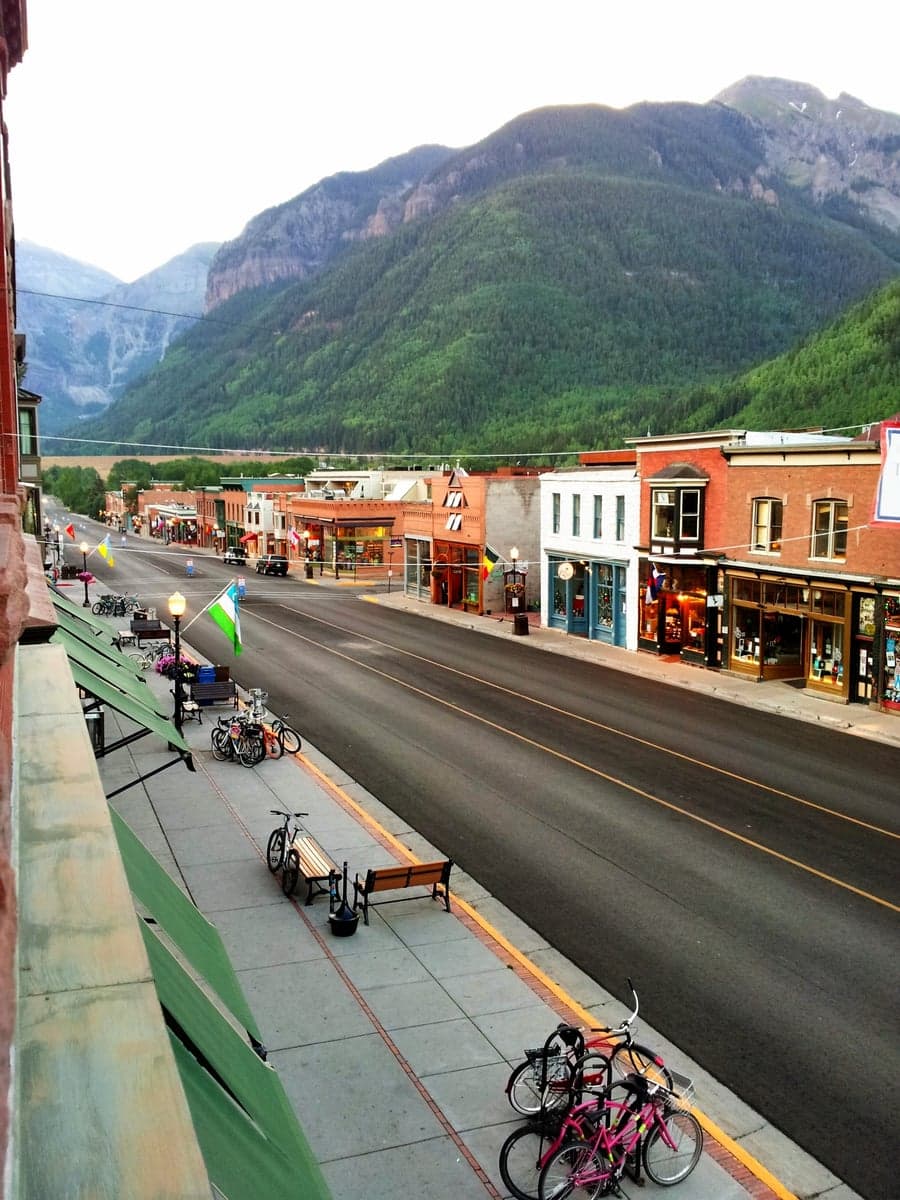
Photo: Wikipedia
Quality of Life in Telluride, CO
A high quality of life with strong walkability, manageable living costs, healthy neighborhood signals, and solid amenity access.
What does Quality of Life tell us?
Quality of Life blends cost of living, nearby amenities, socioeconomic signals, and neighborhood character. City-level scores represent the whole municipality; individual neighborhoods can differ.
What does this tell us?
Quality of Life blends cost of living, nearby amenities, socioeconomic signals, and neighborhood character. City-level scores represent the whole municipality; individual neighborhoods can differ.
Cost of Living
72% above national average
The Real Cost of Living in Telluride, CO for 2026
| Tier | Individual | Family (4) |
|---|---|---|
| Survival | $36k | $68k |
| Comfortable | $76k | $111k |
| Luxury | $176k+ | $273k+ |
87%
The Area Signal
A metric tracking the socioeconomic signals of the area.
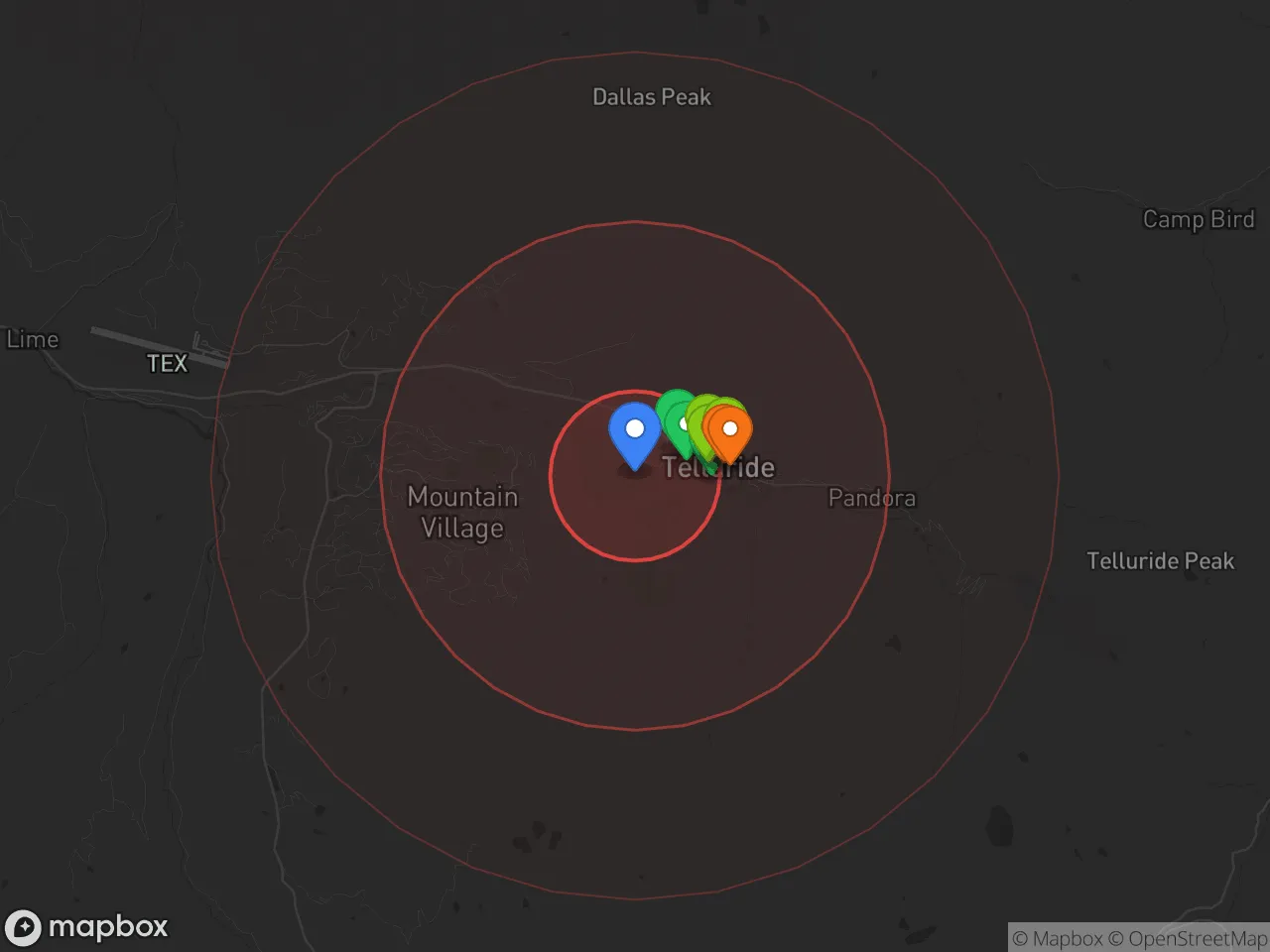
Hobbies
Explore the areaGroceries
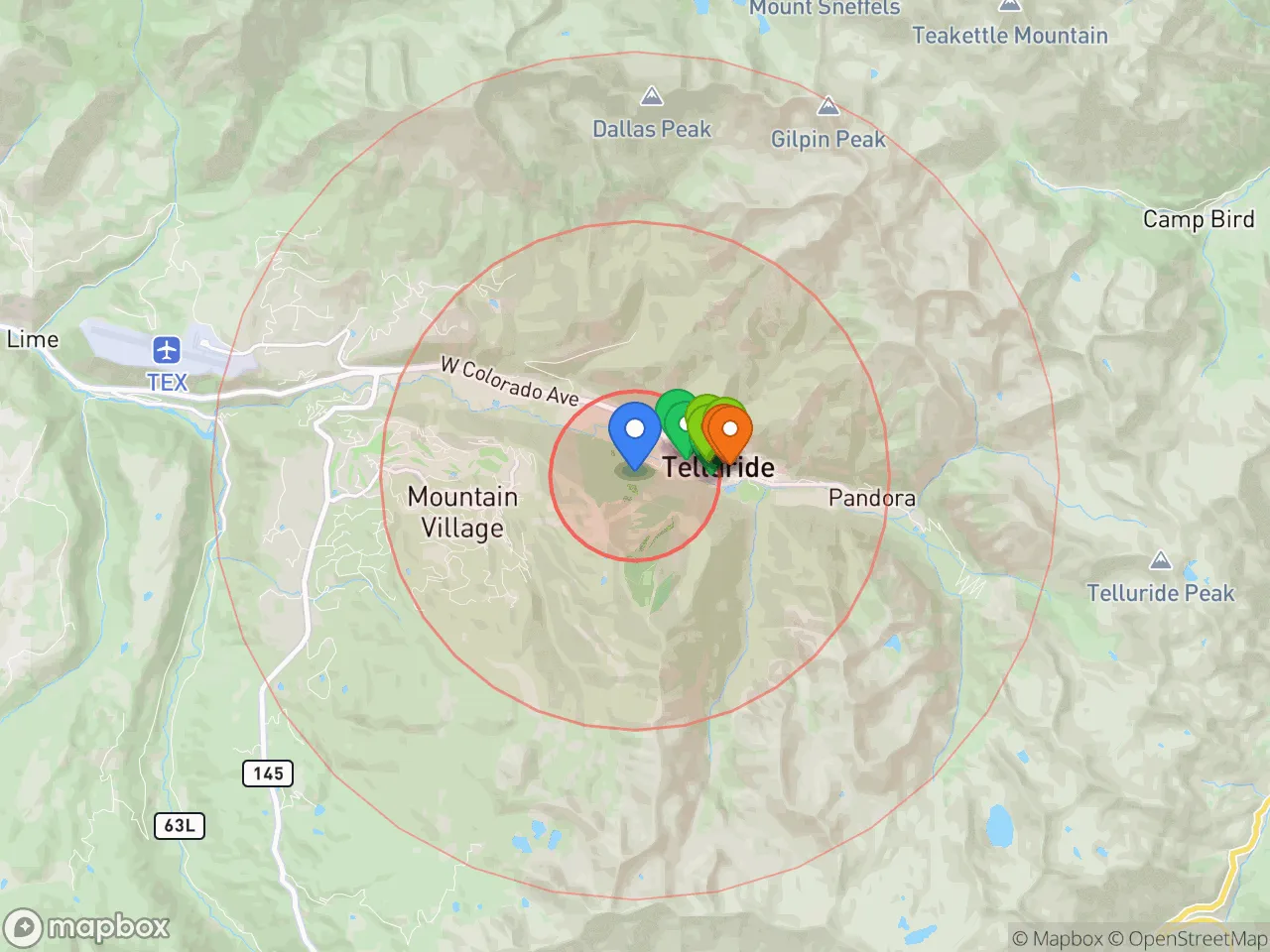
0 within 10 miles
Gas
2 within 10 miles
Hospital
1 within 20 miles
Airport
SAN — San Luis Valley Regional
Post Office
USPS — Telluride, CO
Critical Amenities
Quality-of-Life Analysis
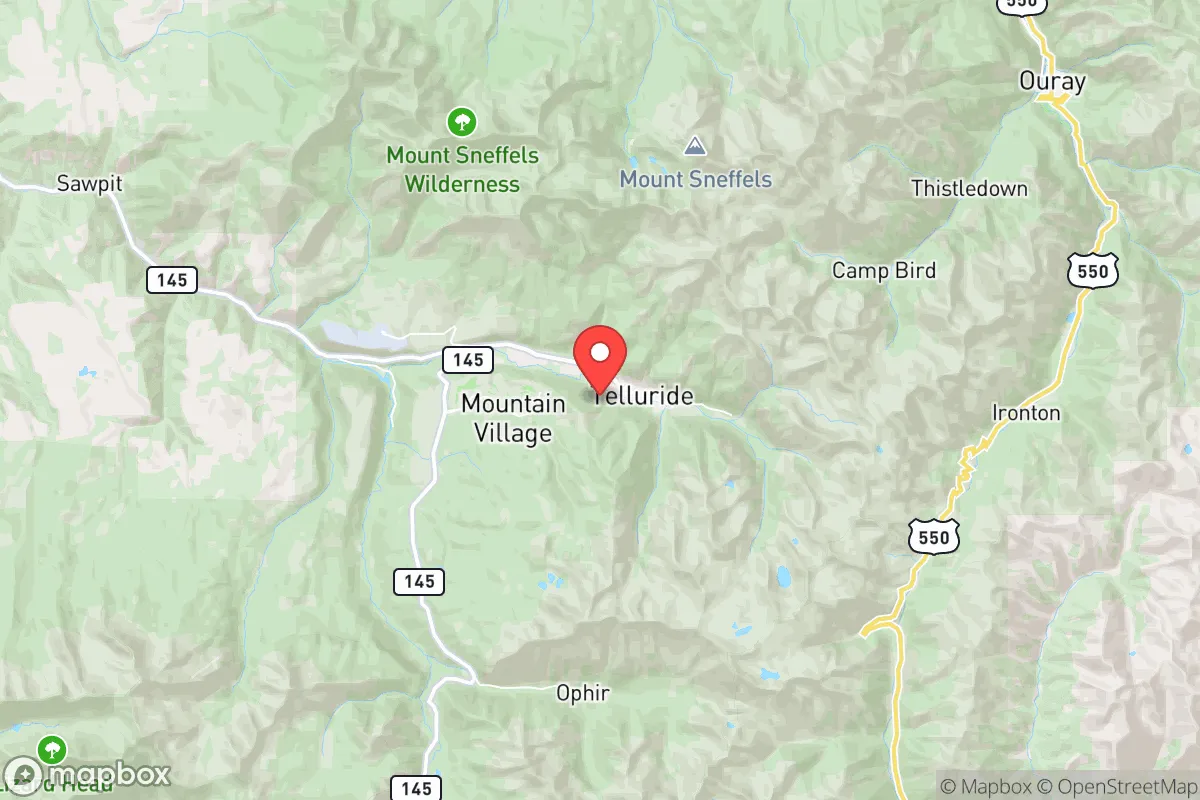
Telluride, Colorado, is one of the most affluent and exclusive mountain towns in the United States, with a cost of living index of 172—72% above the national average. The permanent population of roughly 2,400 is a mix of second-home owners, high-net-worth retirees, and a workforce that largely commutes from more affordable neighboring towns like Mountain Village and Ridgway. The town’s economy is driven by luxury tourism, real estate, and the Telluride Ski Resort, creating a community where seasonal wealth and year-round service workers coexist in a tight housing market.
Cost of living, housing affordability, and how Telluride compares to nearby towns
Housing in Telluride is among the most expensive in Colorado, with a median home value of $390,300—a figure that has more than doubled since 2020. However, this number is misleadingly low because it includes condos and fractional ownership units; single-family homes routinely exceed $2 million. Median rent is $2,269, but studio apartments often list for $1,800 or more, and availability is extremely limited. The average commute of 25.5 minutes reflects the fact that many workers live in Mountain Village (a 10-minute gondola ride), Ridgway (25 minutes south), or even Montrose (45 minutes west), where home prices are 40–60% lower. For comparison, a comparable home in Ridgway costs roughly $250,000 less than in Telluride proper, making it the primary bedroom community for the area’s service and hospitality workforce.
What daily life is like for families: schools, amenities, and local rhythm
Daily life in Telluride is defined by outdoor recreation and a compact, walkable historic district. The Telluride School District (R-1) serves roughly 1,000 students across one elementary, one middle, and one high school, with graduation rates above 95% and strong college-prep programs. Amenities include the Telluride Public Library, the Telluride Medical Center (a critical-access hospital), and the Telluride Town Park, which hosts summer concerts and farmers markets. The town’s rhythm is seasonal: winter brings ski-focused crowds and a vibrant après-ski scene, while summer shifts to hiking, the Telluride Bluegrass Festival, and film festivals. Grocery shopping is limited to one full-service market (Clark’s Market), and most residents drive to Montrose for big-box stores and medical specialists. The lack of chain retail and the reliance on the free gondola system between Telluride and Mountain Village create a unique, car-optional lifestyle that appeals to outdoor enthusiasts but can feel isolating for those accustomed to suburban convenience.
Telluride is best suited for affluent retirees, remote workers with six-figure incomes, and seasonal employees willing to commute from cheaper towns. Families with school-age children will find excellent schools and a safe, tight-knit community, but the high housing costs and limited year-round job diversity make it a challenging place for middle-income households. Those who thrive here prioritize access to world-class skiing, hiking, and a walkable historic downtown over affordability and urban amenities. For anyone not in the top income bracket, living in Ridgway or Montrose and commuting into Telluride for work or recreation is the most practical path to enjoying the area’s quality of life without the financial strain of living in town.

Crime in Telluride, CO
Lower crime rates than 81% of comparable U.S. locations.
Violent CrimeViolent Crime Analysis
Property CrimeProperty Crime Analysis
Crime Analysis
Telluride, Colorado, is a statistically safe mountain town with a violent crime rate of 122.3 per 100,000 residents—roughly one-third the national average—but its property crime rate of 1,182.2 per 100,000 is notably higher than both state and national benchmarks. The town's compact, tourist-driven economy and high property values create a unique safety profile where violent confrontations are rare but theft and burglary are persistent concerns. Visitors and residents alike should feel secure walking the historic streets at night, but should take standard precautions with vehicles and personal belongings.
Crime in context
Telluride's violent crime rate sits well below the Colorado state average of approximately 380 per 100,000 and far under the U.S. rate of about 380 per 100,000. This reflects the town's isolation, affluent population, and strong community policing. However, the property crime rate of 1,182.2 per 100,000 is roughly 30% higher than the national average and significantly exceeds the Colorado average of around 2,500 per 100,000. The disparity is driven largely by vehicle break-ins and thefts targeting tourist gear, especially during peak ski and festival seasons. San Miguel County, which encompasses Telluride, has a district attorney's office that operates under Colorado's broader progressive criminal justice reforms, including bail reform and reduced sentencing for nonviolent offenses. While these policies aim to reduce incarceration, critics argue they contribute to a revolving door for property offenders, as repeat thefts and burglaries are common in mountain resort communities with lenient prosecution patterns.
What residents experience
For those living in Telluride, daily life is characterized by a low fear of violent crime. Assaults, robberies, and homicides are extremely rare events. The primary nuisance is property crime: unlocked cars, bikes left on porches, and unattended ski equipment are frequent targets. The Telluride Marshal's Department maintains a visible presence, but the town's transient workforce and seasonal visitor influx make consistent enforcement challenging. Residents report that most property crimes are opportunistic rather than organized, and many incidents go unreported due to low recovery rates. The progressive judicial philosophy in the region—focused on rehabilitation over punishment—means that even when suspects are caught, they often face minimal jail time, which can frustrate victims and reduce deterrence.
Neighborhood-level variation is modest given Telluride's small footprint. The core historic district and areas near the gondola station see the highest foot traffic and correspondingly more theft reports. The more residential West End and the slopeside neighborhoods near Mountain Village tend to have slightly lower property crime rates, though no area is immune. The town's overall safety reputation remains strong, but the combination of high property crime and a justice system perceived as soft on repeat offenders is a recurring concern among long-term residents and second-home owners.
* Values derived from national, state, county, city and local statistics and may differ in a specific area. Last updated: 2026-04-29T00:37:26.000Z
Narrative content on this page is AI-generated and may contain mistakes. Verify any details that matter before acting on them.
ReloMaps may earn a commission from affiliate links at no extra cost to you.

